Heavy rain can have a significant impact on your home’s plumbing system, often causing problems that range from minor inconveniences to serious issues. While most people associate plumbing problems with leaks or blockages, rainwater can also create unique challenges, especially in areas prone to storms or seasonal downpours.

Heavy rain affects plumbing systems in several ways. Excess water can overwhelm drains, put pressure on pipes, and even cause backflow into your home. Here are the primary ways heavy rainfall impacts your plumbing:

Heavy rainfall can overwhelm drainage systems, particularly if gutters and outdoor drains are not regularly maintained. When gutters are clogged with leaves or debris, rainwater cannot flow properly, leading to overflowing gutters and water pooling around your home’s foundation.
Sewer systems are designed to handle normal water flow, but heavy rain can overwhelm these systems. When too much water enters the sewer lines, it can cause a backup, leading to sewage entering your home through drains, toilets, and sinks.
Heavy rain can lead to water seeping into basements and crawl spaces, especially if there are cracks in your foundation or if your property doesn’t have adequate drainage. Flooded basements can cause extensive water damage and lead to mould growth if not dealt with quickly.
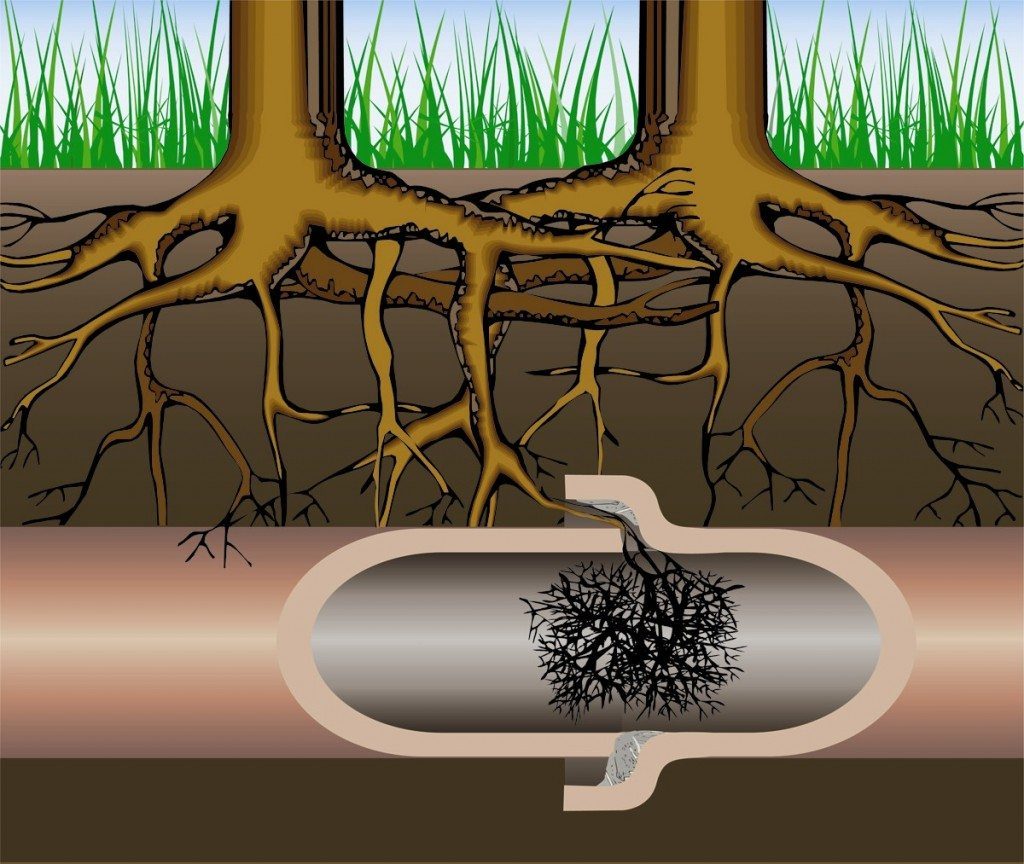
When soil becomes saturated with rainwater, it can shift or erode. This movement puts pressure on underground pipes, especially older ones, leading to leaks or even pipe bursts. In some cases, the shifting soil can cause tree roots to intrude into your pipes, creating blockages.
Stormwater drains are designed to carry away excess rainwater, but they can easily become blocked by leaves, dirt, and other debris during heavy rain. When these drains are blocked, water can pool in your yard, driveway, or even your home, causing flooding and water damage.
The best way to protect your plumbing from the effects of heavy rain is through regular maintenance. Check your gutters, downpipes, and outdoor drains to ensure they are clear and functioning properly. Additionally, have a professional plumber inspect your sewer lines, sump pump, and any exposed pipes before the rainy season starts.
Backwater valves are essential for homes prone to sewer backups during heavy rain. These valves prevent sewage from flowing back into your home by automatically closing when the sewer system is overwhelmed.
Even small water leaks can become major problems during a storm. Check all your pipes, particularly those in your basement, crawl space, or under sinks, for any signs of leakage. If you find any, have them repaired immediately to prevent water damage.
Ensure your home’s foundation is in good condition and free of cracks. Water that seeps through cracks in the foundation can cause serious damage and create a breeding ground for mould and mildew. Sealing cracks and improving drainage around your property will help keep your home dry.
Also discover: Summer Water-Saving Tips for Your Home

While regular maintenance and preventive measures can help protect your plumbing system, some problems are too complex to handle on your own. If you notice any of the following issues after a heavy rain, it’s time to call a professional plumber:
A professional plumber can diagnose and repair these issues quickly, preventing further damage to your home.
Heavy rain can put significant strain on your plumbing system, causing clogs, backups, and even structural damage. By understanding the potential problems and taking preventive measures, you can protect your home from the damaging effects of rainwater. Regular maintenance, installing backwater valves, and addressing drainage issues are all essential steps in safeguarding your plumbing. However, if you experience persistent problems after a storm, it’s always best to contact a professional plumber to ensure your system remains in good working order.

As the Australian summer rolls in, the demand for water often increases due to higher temperatures, outdoor activities, and the need to keep gardens hydrated. However, saving water during these hot months is essential not only for reducing your utility bills but also for conserving this valuable resource. With the right strategies, you can maintain your household needs while making a positive environmental impact.
In this guide, we’ll explore effective water-saving tips for your home during summer, helping you reduce waste and keep your home running efficiently.
Australia is known for its dry climate, and many regions experience droughts and water restrictions during the summer months. Conserving water is crucial for maintaining a sustainable water supply and preventing shortages in the future. Additionally, saving water at home can significantly reduce your household’s water bills.

Water use in the home extends beyond outdoor activities. By focusing on efficient water use inside your home, you can make a big difference in overall consumption. Here are some key areas where you can save water indoors.
Showers are one of the largest contributors to household water consumption. Switching to water-efficient showerheads can reduce water flow without compromising on performance.
Limiting the length of your showers is a simple yet effective way to save water. A five-minute shower uses significantly less water than a longer one.
Leaking taps and toilets waste litres of water each day. Even a small drip can add up to hundreds of litres over time.
Upgrading to water-efficient appliances can make a significant difference in your water usage. Dishwashers and washing machines that have a high WELS rating use less water while maintaining performance.
Many people leave the tap running while brushing their teeth, shaving, or washing dishes, which wastes a considerable amount of water.

During summer, outdoor water use typically increases as gardens, lawns, and pools require more attention. However, there are several ways to maintain a beautiful outdoor space while conserving water.
Watering your garden is essential, but doing so efficiently can help conserve water. Watering early in the morning or late in the evening reduces evaporation and ensures that your plants get the hydration they need.
Also read: The Impact of Heavy Rain on Plumbing
Adding a layer of mulch to your garden helps the soil retain moisture, reducing the need for frequent watering. Mulch also prevents weeds from growing, which can compete with your plants for water.
Rainwater harvesting is an excellent way to use natural resources for your outdoor water needs. Installing a rainwater tank can provide an ample supply of water for your garden, washing your car, or even flushing your toilet.
Planting drought-tolerant plants in your garden can help reduce the need for frequent watering. Native Australian plants are particularly well-suited to the climate and require minimal water once established.
Overwatering your lawn and garden can lead to water wastage and even harm your plants. To avoid overwatering, check the moisture level of your soil before watering.
Conserving water in your home has numerous benefits beyond just lowering your water bill. By using water more efficiently, you contribute to:
Implementing water-saving measures in your home during the summer months is essential for conserving this valuable resource, lowering your utility bills, and maintaining an environmentally-friendly household. By making small changes, such as using water-efficient appliances, watering your garden wisely, and fixing leaks promptly, you can make a significant difference in your water consumption. Incorporate these water-saving tips into your daily routine, and you’ll be helping to protect both the environment and your wallet.

A clogged toilet is a common yet frustrating household issue. While it may seem daunting, unclogging a toilet can often be handled quickly and efficiently without needing a plumber. In this step-by-step guide, we’ll walk you through various methods to unclog your toilet, ensuring you avoid damage to your plumbing system and restore normal function.
Before diving into the methods for unclogging a toilet, it’s important to understand the common causes of blockages. Toilets usually get clogged due to:

Depending on the severity of the blockage, you may need one or more of the following tools:
Before you begin, it’s essential to assess the severity of the blockage. If the water level in the bowl is high, avoid flushing again as this could cause overflow. If the clog is minor, you can likely resolve it using basic household items.
A plunger is the most common and effective tool for unclogging a toilet. Here’s how to use it:
Pro Tip: Make sure there’s enough water in the toilet to submerge the plunger’s head for better results.
If plunging doesn’t clear the blockage, you can try using hot water and dish soap:
For minor clogs caused by organic materials or toilet paper, baking soda and vinegar can be an effective, eco-friendly solution:
If the clog persists after using a plunger or hot water methods, a toilet auger may be necessary:
In some cases, clogs may occur in the P-trap (the curved pipe section), especially if the toilet is connected to other drains. If you have access, check the P-trap for blockages and clean it out.

Preventing toilet clogs is often easier than fixing them. Here are some tips to avoid blockages in the future:

While most toilet clogs can be handled with DIY methods, there are instances when a plumber is necessary:
Unclogging a toilet is a manageable task when you follow the right steps. Using a plunger, hot water, dish soap, or a toilet auger can effectively clear most blockages without the need for professional help.
Blocked drain plumbing is an essential service for maintaining the smooth operation of drainage systems in both residential and commercial properties. When a drain becomes blocked, it can quickly escalate from a minor inconvenience to a significant issue that affects the entire plumbing system. Blockages can lead to slow water drainage, unpleasant odours, and even sewage backups, causing potential health risks and costly damage to property. In Sydney, blocked drains are a frequent problem due to a variety of factors, including aging infrastructure, tree root intrusion, and the buildup of everyday waste like grease, hair, and sanitary products.
The importance of addressing blocked drains promptly cannot be overstated. Left untreated, these blockages can cause serious disruptions to daily life and may result in more extensive repairs, such as pipe replacement or water damage restoration. With Sydney’s diverse range of older homes, modern high-rise buildings, and heritage properties, the need for reliable blocked drain plumbing services is crucial for safeguarding the integrity of the plumbing network. A professional blocked drain plumber possesses the expertise and tools necessary to diagnose and resolve any issue, restoring normal flow and preventing future problems.
Understanding what causes drains to become blocked, recognising early warning signs, and knowing when to seek professional help are critical steps in keeping your plumbing system in optimal condition. In this guide, we will explore the common causes, risks, and solutions associated with blocked drains, offering valuable insights into why local Sydney plumbers are best equipped to handle these challenges.

Blocked drain plumbing refers to the process of identifying, diagnosing, and clearing obstructions in drainage systems, ensuring water flows freely through pipes and outlets. These services are crucial for both residential and commercial properties, as blockages can disrupt daily activities, lead to unpleasant odours, and even cause water damage. The main goal of blocked drain plumbing is to restore normal drainage function, prevent further damage to the plumbing infrastructure, and reduce potential health hazards associated with stagnant water and sewage.
The blocked drain plumbing process typically involves a thorough inspection to locate the source of the blockage, using specialised tools like CCTV drain cameras that allow plumbers to see inside the pipes without the need for excavation. Once the cause is identified, the plumber employs techniques such as high-pressure water jetting, drain snakes, or pipe relining to clear the blockage and restore the pipe’s condition. Each method is chosen based on the nature and severity of the obstruction, ensuring an effective and efficient solution. Learn more about Using a Plumber’s Snake to Unclog Drains.
Blocked drain plumbing goes beyond just fixing immediate issues. Regular maintenance can help detect potential problems early, minimising the risk of future blockages and costly repairs. Preventative measures, such as using drain guards, avoiding flushing non-biodegradable items, and scheduling periodic professional inspections, can greatly reduce the likelihood of encountering a blocked drain.

Blocked drains can occur for various reasons, with some being more common in Sydney. Understanding these causes is vital for preventing blockages and maintaining a functional plumbing system. The following are the most frequent causes of blocked drains, along with an explanation of how they can impact the drainage system:
One of the most prevalent causes of blocked drains is the accumulation of grease, fat, and cooking oil. When these substances are poured down the sink, they may seem liquid at first, but they cool and harden inside the pipes, gradually building up and restricting water flow. This can eventually cause a complete blockage, making it difficult for water to drain away. Regularly disposing of grease in a sealed container instead of the sink can help avoid this issue. Read more about Cause’s of Kitchen Sink Blockages.
Hair and soap scum are common culprits for blocked shower, bath, and sink drains. Hair can easily get trapped in the drain and, over time, form clumps that obstruct water flow. Similarly, soap, especially bar soap, can leave a residue that combines with hair and other debris, creating a stubborn blockage. Using a drain guard and regularly cleaning the drain can significantly reduce this problem.
Sydney’s tree-lined streets and leafy suburbs provide ideal conditions for tree roots to invade underground pipes. Tree roots naturally seek out moisture and can penetrate small cracks or joints in pipes, leading to severe blockages or even pipe damage. Once inside, the roots can grow and expand, causing the blockage to worsen. This issue is particularly common in older properties with ageing plumbing infrastructure. Professional intervention, such as CCTV inspection and pipe relining, is often required to address tree root intrusion. Discover facts about Tree Roots Invading Your Plumbing?
Many people mistakenly believe that certain items are safe to flush down the toilet, such as wet wipes, sanitary products, cotton buds, and paper towels. However, these items do not break down easily and can accumulate in the pipes, resulting in blockages. Unlike toilet paper, which is designed to dissolve in water, non-flushable items can create significant clogs that require professional clearing.
Stormwater drains are designed to carry rainwater away from properties, but they can easily become blocked by sediment, leaves, dirt, and other debris. Sydney’s seasonal rain and occasional storms can wash large amounts of debris into these drains, leading to blockages that may cause water to pool on roads and around properties. Regular cleaning and maintenance of stormwater drains are crucial for preventing blockages and ensuring effective water flow during heavy rainfall. See here for information about How to unblock a Storm water drain?
Cracked or misaligned pipes can also contribute to blocked drains. When pipes are damaged, they may collapse or shift out of place, disrupting the flow of water and causing debris to accumulate at the damaged area. This issue can arise from ground movement, heavy traffic above the pipes, or natural ageing of the plumbing system. Addressing damaged pipes may involve techniques like pipe relining or replacing the affected section to restore proper drainage.

Early detection of a blocked drain can save time, money, and prevent further damage to your plumbing system. Recognising the warning signs allows you to take prompt action, potentially avoiding more extensive repairs. Here are some common indicators that your drain may be blocked, along with an explanation of what each sign could mean:
One of the earliest and most noticeable signs of a blocked drain is water that drains slowly from sinks, bathtubs, or showers. This occurs when an obstruction in the pipe restricts the flow of water, causing it to pool. The blockage may start small, but over time, it can worsen as more debris collects around the initial obstruction. If you notice water taking longer than usual to drain, it’s essential to address the issue before it leads to a complete blockage.
An unpleasant smell emanating from your drains can indicate a blockage, often caused by decomposing food, grease, or other organic material trapped in the pipe. As the blockage builds up, bacteria can grow on the debris, releasing foul odours. This issue is common in kitchen sinks, where food scraps and cooking oil are washed down the drain. Ignoring the smell could mean allowing the blockage to grow and become more difficult to remove.
If you hear gurgling noises when using the sink, shower, or toilet, this could be a sign of a partial blockage. The sound is caused by trapped air in the pipe that escapes when water tries to flow past the obstruction. Gurgling can occur in one or multiple drains, indicating that the blockage is affecting a larger section of the plumbing system. It’s important to investigate the cause promptly, as the blockage could worsen, leading to more serious drainage problems.
Water backing up from a drain is a clear indication of a significant blockage. This issue occurs when wastewater cannot flow freely through the pipe and is forced back up through the drain. It can happen in various locations, including sinks, showers, or toilets. A water backup is more than just a nuisance; it can lead to property damage and pose health risks due to exposure to dirty water. If you experience frequent backups, it is advisable to contact a professional plumber to inspect and clear the blockage. Learn more about How to Replace The Kitchen Sink.
Blocked stormwater drains can cause water to pool around outdoor areas, such as patios, driveways, or gardens. In Sydney, this is especially common after heavy rainfall, when leaves, dirt, and other debris are washed into stormwater drains. If water is not draining away as it should, it may indicate a blockage that needs to be cleared to prevent flooding and water damage to your property. Read about Causes and Solutions of Blocked Stormwater Drains here.
The water level in your toilet can also indicate a blocked drain. If the water level is higher or lower than usual after flushing, there may be an obstruction in the plumbing system that is affecting the toilet’s drainage. Additionally, if the water rises unusually high and then drains slowly, it could signify a blockage in the toilet drain or further down the sewer line.
If using a sink, shower, or washing machine causes the water in your toilet to bubble, this can be a sign that the main sewer line is partially blocked. When there is a blockage in the sewer line, air is trapped and forced out through the toilet, causing bubbling. This could indicate a more serious issue that requires immediate professional attention, as a blocked main sewer line can affect the entire plumbing system.
Blocked drains often start as minor inconveniences but can quickly escalate into significant problems if left unaddressed. Being aware of these signs helps you take proactive measures to resolve the blockage before it leads to more extensive damage or costly repairs.
Ignoring a blocked drain might seem like a minor inconvenience, but it can lead to serious problems that affect the integrity of your plumbing system and even the safety of your property. Delaying action can escalate a simple blockage into more extensive damage, resulting in higher repair costs and potential health hazards. Here are some of the risks associated with leaving blocked drains unresolved:
When a drain is blocked, water pressure can build up inside the pipes, potentially causing them to burst or leak. If the blockage persists, this can lead to water seeping into walls, floors, and foundations, weakening the structural components of your property. Over time, this excess moisture can cause wood to rot, walls to crack, and even compromise the foundation’s stability. Information about Safely Cleaning a Smelly Drain: Techniques can be found here.
Stagnant water trapped by a blocked drain can create the perfect breeding ground for bacteria and mould. This can lead to unpleasant odours and poses a significant health risk to the occupants, especially those with allergies, asthma, or other respiratory issues. Sewage backups resulting from severe blockages can expose individuals to harmful pathogens that cause gastrointestinal infections and other illnesses. Addressing the blockage promptly reduces the risk of these health hazards.
Also explore: Essential Autumn Plumbing Maintenance Checklist for Sydney Homes.
The longer a blocked drain is ignored, the more likely it is that the issue will worsen. A simple blockage can evolve into a more complex problem, such as pipe corrosion, collapse, or extensive water damage. Consequently, the costs for repairing or replacing damaged plumbing components can become significantly higher than if the issue had been dealt with early. For example, a minor clog that could have been resolved with high-pressure water jetting may end up requiring pipe relining or even excavation.
Water leaking from blocked drains can come into contact with electrical wiring, sockets, or appliances, posing a risk of electric shocks, short circuits, or even fires. This is especially concerning in areas like kitchens and bathrooms, where plumbing and electrical systems are often located close together. Water damage to electrical components can be costly to repair and could potentially void warranties on appliances. Immediate action to clear the blockage helps to mitigate these risks and protect your property.
When drains are blocked, untreated wastewater can overflow from drains and manholes, potentially entering local waterways and contaminating the environment. In Sydney, where some areas are prone to heavy rainfall and flooding, blocked stormwater drains can exacerbate the risk of pollution by carrying harmful substances into rivers, beaches, and parks. Such incidents can lead to fines or penalties for homeowners if the blockage is found to have resulted from improper waste disposal, such as flushing non-biodegradable items.
Learn more facts here: Blocked Stormwater Drains Sydney: Causes and Solutions.
Persistent plumbing issues like blocked drains can negatively affect the value of your property. Potential buyers may be deterred by signs of water damage, mould growth, or plumbing that requires significant repairs. In the long term, neglecting blocked drains can also lead to higher insurance premiums or make it difficult to obtain coverage, as insurers may view unresolved plumbing problems as a liability. Regular maintenance and prompt action to fix blockages can help preserve your property’s market value.
Living with blocked drains can cause significant disruption to daily activities. The inconvenience of slow-draining water, unpleasant smells, and water backups can make using sinks, showers, and toilets a frustrating experience. Additionally, emergency plumbing repairs to resolve serious blockages can be stressful and time-consuming. Addressing the problem early ensures that your household can function smoothly without the ongoing worry of plumbing issues.
See more here: Clearing a Blocked Drain in Sydney: Step-by-Step Guide.

When it comes to clearing blocked drains, the method chosen will depend on the severity and location of the blockage. While minor clogs may be resolved with simple DIY approaches, more complex or stubborn blockages typically require professional intervention. Here’s a step-by-step guide on the different methods used to clear blocked drains, each explained in detail:
A plunger is often the first tool people reach for when dealing with a blocked sink, toilet, or shower drain. It works by creating a vacuum seal over the drain and applying pressure to dislodge the blockage. This method is most effective for minor clogs near the drain’s surface, such as accumulated hair or food particles. For optimal results, ensure the plunger completely covers the drain opening and use firm, steady strokes to push and pull the blockage free. While plungers can handle small blockages, they may not be effective for deep or stubborn clogs.
A drain snake or auger is a long, flexible tool that can be inserted into the drain to reach deeper blockages. The tool’s spiral tip allows it to grab onto the clog, breaking it apart or pulling it out as it’s withdrawn. Drain snakes are ideal for hair clogs in bathroom drains or food-related blockages in kitchen sinks. There are manual versions for basic household use and electric models that offer more power for professional applications. However, drain snakes may not be suitable for larger blockages or those located far down the pipe.
You might also interested in 6 Tools Every Homeowners Must Have on Hand.
A mixture of baking soda and vinegar can be used as a natural remedy for clearing partial blockages. The chemical reaction between these substances produces carbon dioxide bubbles that can help to break down soft clogs like grease, soap scum, and small food particles. To apply this method, pour a cup of baking soda into the drain, followed by a cup of vinegar, and allow it to sit for 15-30 minutes before flushing with hot water. While this approach is eco-friendly and safe for most drains, it may not be effective for more severe blockages or pipe damage.
Explore more about A Guide to Common Plumbing Emergencies and Quick Fixes.
For more stubborn blockages, high-pressure water jetting is a powerful and effective solution. This method involves using a specialised machine to blast water at high pressure through the pipes, breaking down the blockage and cleaning the pipe walls at the same time. High-pressure water jetting is particularly useful for clearing blockages caused by grease build-up, tree roots, and other hard-to-shift debris. As a non-invasive approach, it helps prevent damage to the pipes, making it a preferred choice for professional plumbers. However, it should only be performed by trained professionals due to the equipment’s power and the potential for injury.
Chemical drain cleaners can dissolve tough blockages, such as those caused by hair, grease, or soap scum. These cleaners typically contain strong acids or alkalis that break down the obstruction chemically. While they may seem like a convenient option, chemical drain cleaners come with risks. They can corrode older pipes, damage septic systems, and pose health hazards if not used correctly. Moreover, chemical cleaners should not be used in conjunction with other cleaning methods, like high-pressure water jetting, as the chemical residues can be harmful when released. It’s best to consult a professional plumber before using chemical solutions.
When the source of a blockage is unclear, a CCTV drain inspection can help identify the exact location and nature of the obstruction. This method involves inserting a small camera into the drain to visually inspect the inside of the pipe, revealing issues like tree root intrusion, pipe collapse, or sediment build-up. Once the problem has been identified, the plumber can recommend the most appropriate solution. CCTV inspections are not only useful for clearing current blockages but also for diagnosing recurring drain problems.
In cases where the blockage has caused pipe damage, or when the blockage is a result of a cracked or collapsed pipe, pipe relining may be required. This process involves inserting a flexible liner coated with resin into the damaged section of the pipe. The liner is then inflated and left to harden, creating a new, durable pipe within the old one. Pipe relining is a non-invasive alternative to traditional pipe replacement, making it an efficient solution for repairing and clearing blocked drains without digging.
If you’ve tried multiple DIY methods and the blockage persists, or if the drain repeatedly becomes blocked, it’s time to call in a professional plumber. Professionals have access to advanced tools and techniques, such as electric drain snakes, high-pressure water jetting, and pipe relining, to handle even the most challenging blockages. Additionally, they can provide long-term solutions and preventative advice to reduce the likelihood of future issues.

Professional plumbers utilise a range of specialised techniques to efficiently clear blocked drains, ensuring that the underlying issues are fully resolved. These methods go beyond basic DIY solutions, using advanced tools and technology to tackle even the most stubborn blockages. Here are some of the most commonly used professional techniques for unblocking drains in Sydney:
A CCTV drain inspection is an essential first step in diagnosing the cause and location of a blockage. This method involves inserting a small, waterproof camera into the drain to get a live feed of the pipe’s interior. The camera captures high-resolution images, allowing plumbers to identify the type of blockage—whether it’s tree roots, grease build-up, or a collapsed pipe. The visual inspection helps to pinpoint the exact location and assess the condition of the pipes, enabling plumbers to choose the most suitable clearing method. CCTV inspections are particularly useful for detecting recurring problems or locating hard-to-reach blockages.
High-pressure water jetting is a powerful technique that uses a stream of water at extremely high pressure to break down and clear stubborn blockages. The water is blasted through a specialised nozzle that directs it towards the blockage, effectively cutting through debris, grease, tree roots, and sediment build-up. In addition to clearing the blockage, high-pressure water jetting cleans the interior of the pipes, removing any remaining residue that could contribute to future clogs. This non-invasive method is safe for most types of pipes and is highly effective for clearing severe blockages quickly.
Electric drain snakes and mechanical augers are used for more complex blockages that cannot be cleared with standard household tools. These devices consist of a long, flexible cable fitted with a specialised cutting or grabbing attachment. The cable is fed into the drain and mechanically rotated, allowing the attachment to break down or latch onto the blockage. This method is highly effective for blockages caused by hair, tree roots, or other solid objects lodged in the pipe. Electric drain snakes offer more power and reach compared to manual versions, making them suitable for both residential and commercial plumbing systems.
When a blockage is found to have caused damage to the pipe, or when the pipe itself is a contributing factor to recurrent clogs, pipe relining offers a durable and minimally invasive repair option. This technique involves inserting a resin-coated liner into the damaged section of the pipe. The liner is then inflated, pressing against the inner walls of the pipe, and left to cure, creating a new, seamless pipe within the old one. Pipe relining is ideal for repairing cracks, sealing off tree root intrusions, and reinforcing weakened pipes without the need for excavation. It not only restores proper flow but also strengthens the pipe for long-term use.
In extreme cases where the blockage cannot be cleared with non-invasive methods, or when the pipe has collapsed or been severely damaged, drain excavation may be necessary. This involves digging up the affected section of the drain to access and replace the damaged pipe. While this method is more invasive and costly than other techniques, it is sometimes the only option for restoring the plumbing system’s functionality. Professional plumbers use excavation as a last resort, opting for it only when other methods have been ruled out.
For drains that are frequently blocked by tree roots, chemical root treatments can be used to kill the roots and prevent further growth. The treatment involves applying a herbicide that is specifically designed to dissolve roots without harming the pipes or surrounding soil. Once the roots have been treated, a plumber may recommend additional measures, such as high-pressure water jetting or pipe relining, to ensure the blockage is fully cleared and the pipe is protected from future intrusions. This method is most effective when used in conjunction with other techniques to provide a comprehensive solution.
Professional plumbers often recommend regular drain cleaning and preventative maintenance to minimise the risk of future blockages. Techniques such as scheduled high-pressure water jetting, CCTV inspections, and chemical treatments can be carried out periodically to keep the pipes clear and in good condition. Regular maintenance helps detect potential problems early, allowing for prompt intervention before blockages develop. This approach is especially beneficial for properties with a history of drainage issues or for commercial settings where heavy use of the plumbing system is expected.
The cost of clearing a blocked drain can vary widely depending on the nature of the blockage, the methods required to clear it, and the location of the property. Understanding the factors that influence the pricing can help homeowners and businesses budget for plumbing services more effectively. Here’s a detailed look at the typical costs associated with blocked drain plumbing in Sydney, along with the factors that may affect the final price:
| Service Type | Typical Cost (AUD) | Description |
|---|---|---|
| Basic Drain Unblocking | 100 – 200 | Suitable for minor blockages like hair clogs or food particles using manual tools. |
| High-Pressure Water Jetting | 250 – 500 | Clears stubborn blockages (e.g., grease, tree roots) and cleans pipes using high-pressure water. |
| CCTV Drain Inspection | 150 – 300 | Uses a camera to identify the blockage’s location and the pipe’s condition. |
| Pipe Relining | 500+ per metre | Repairs damaged pipes by creating a new lining within the existing pipe, providing a long-term solution. |
| Chemical Root Treatment | 150 – 350 | Kills tree roots within pipes to prevent further growth; often combined with other methods. |
| Drain Excavation | 1,500 – 4,000+ | Required for severe blockages or pipe damage that cannot be cleared with other techniques. |
| Factor | Impact on Cost |
|---|---|
| Severity and Location of Blockage | Deeper or more complex blockages may require more time and specialised tools. |
| Type of Property (Residential vs. Commercial) | Commercial properties may have larger systems, potentially increasing costs. |
| Required Equipment and Techniques | Specialised methods like water jetting or CCTV inspection can raise costs. |
| Time and Labour Involved | Longer jobs or those requiring multiple plumbers will be more expensive. |
| Additional Services or Repairs | Repairs or preventative maintenance can add to the total cost. |
| Tool/Equipment | Function | Suitable For |
|---|---|---|
| Plunger | Creates a vacuum seal to dislodge surface-level blockages. | Minor clogs in sinks, showers, and toilets. |
| Drain Snake or Auger | Uses a flexible cable to reach and break down deeper blockages. | Hair, grease, or solid objects within the pipe. |
| High-Pressure Water Jet | Blasts water at high pressure to clear stubborn blockages and clean pipe walls. | Severe blockages caused by grease, roots, or sediment. |
| CCTV Drain Camera | Provides a visual inspection of the pipe’s interior to identify the blockage’s cause and location. | Diagnosing complex problems, such as tree roots or pipe damage. |
| Electric Eel (Mechanical Cleaner) | Uses a motor-powered cable with a cutting attachment to cut through tough blockages. | Heavy-duty cleaning for roots or solidified debris. |
| Pipe Relining Equipment | Inserts a resin-coated liner to form a new pipe within the damaged one, repairing without excavation. | Repairing cracks, sealing root intrusions, reinforcing pipes. |
| Chemical Root Treatments | Applies herbicides to dissolve tree roots without harming pipes. | Preventing future root growth after other clearing methods. |
| Excavation Tools | Used for digging up and replacing severely damaged pipes. | Severe cases where non-invasive methods are not feasible. |
Blocked drain plumbing in residential and commercial settings involves similar principles but varies significantly in terms of scale, complexity, and specific challenges. Understanding these differences helps in choosing the right approach for each scenario, ensuring that drain blockages are resolved efficiently. Here’s a detailed look at how blocked drain plumbing differs between residential and commercial environments:
| Aspect | Residential Plumbing | Commercial Plumbing |
|---|---|---|
| Scale and Complexity | Smaller, simpler plumbing systems with fewer pipes and fixtures. | Larger, more complex networks with multiple floors and high usage areas. |
| Types of Blockages | Commonly caused by hair, soap scum, food particles, and sanitary products. | Can involve grease, food waste, chemical build-up, or industrial debris. |
| Plumbing Regulations | Less stringent regulations compared to commercial properties. | Must comply with strict hygiene, safety, and waste disposal standards. |
| Methods Used | Basic tools like plungers and drain snakes for minor blockages. | Often requires advanced methods such as high-pressure water jetting, CCTV inspections, or industrial pipe relining. |
| Maintenance Requirements | Routine inspections and occasional cleaning based on household needs. | More frequent and comprehensive maintenance, such as regular grease trap cleaning and scheduled inspections. |
| Impact of Blockages | Inconvenient but manageable for a short period. | Can significantly disrupt operations, leading to downtime and lost revenue. |
| Unique Challenges | Older homes may have aged pipes or limited access to heritage plumbing. | Complex systems with multiple branches, high water pressure, or after-hours work to avoid disrupting business. |
Blocked drain plumbing is a common concern for Sydney homeowners and business owners alike. Here are some frequently asked questions to help you understand the topic better, along with clear, fact-based answers to each:
If you suspect that your drain is blocked, try using a plunger to dislodge the blockage. If the problem persists, avoid using chemical drain cleaners, as they can damage the pipes, especially in older properties. Instead, contact a professional plumber who can accurately diagnose and resolve the issue using specialised equipment, such as a drain snake or high-pressure water jetting.
Common signs of a serious blockage include foul odours, frequent water backups, slow-draining water, and gurgling sounds in the pipes. If these symptoms occur in multiple drains throughout the property, it may indicate a blockage in the main sewer line, which requires urgent professional attention. Left untreated, serious blockages can cause significant damage to the plumbing system and even pose health risks.
While chemical drain cleaners may provide a temporary fix, they are not recommended for long-term use. The chemicals can be harsh on older pipes, causing corrosion or damage over time. Additionally, chemical cleaners may not be effective for severe blockages, such as tree root intrusion or solid objects lodged deep within the pipe. It is safer and more effective to consult a professional plumber who can use non-invasive methods to clear the blockage.
For residential properties, scheduling a professional drain cleaning once a year can help prevent blockages and keep the plumbing system in good condition. For commercial properties, particularly those in the food industry, more frequent cleaning may be required, such as every three to six months, to clear grease build-up and maintain compliance with local regulations. Regular maintenance can reduce the likelihood of blockages and detect any potential issues early.
Blocked drains in Sydney are commonly caused by grease build-up, hair, soap scum, tree root intrusion, and foreign objects, such as sanitary products or wet wipes, being flushed down the toilet. Seasonal rain and stormwater debris can also contribute to blockages, especially in areas with older infrastructure or poor drainage systems. Understanding the common causes can help homeowners and businesses take preventative measures to avoid blocked drains.
Yes, high-pressure water jetting is a safe and effective method for clearing blockages in most types of pipes. It uses a powerful stream of water to break down and remove the obstruction, without the need for harsh chemicals or invasive techniques. However, if your pipes are very old or already damaged, it is important to consult a professional plumber who can assess the condition of the pipes before proceeding with water jetting.
The time required to unblock a drain depends on the severity and location of the blockage. Minor blockages, such as hair clogs in bathroom drains, can often be resolved within 30 minutes using basic tools like a drain snake. More complex issues, such as tree root intrusion or blockages in the main sewer line, may take several hours to clear, especially if additional services like pipe relining are required. A professional plumber can provide a more accurate estimate based on the specific situation.
Home insurance policies may cover blocked drain repairs if the blockage is caused by a sudden and unexpected event, such as a tree root breaking through the pipe. However, many policies exclude coverage for gradual wear and tear or pre-existing conditions. It is important to review your policy’s terms and conditions to understand what is covered, and to carry out regular maintenance to reduce the risk of blockages.
Pipe relining is a technique used to repair damaged pipes without excavation. It involves inserting a resin-coated liner into the affected pipe, which hardens to create a new pipe within the old one. Pipe relining is needed when a blockage has caused significant damage to the pipe, or when there are cracks or leaks that need to be sealed. This method is a cost-effective and minimally invasive alternative to traditional pipe replacement.
Preventative measures include disposing of cooking grease and food scraps properly, using drain guards to catch hair and debris, avoiding flushing non-biodegradable items, and scheduling regular professional inspections and maintenance. If you live in a tree-lined area, consider planting trees away from underground pipes to reduce the risk of root intrusion. Implementing these practices can help maintain a healthy plumbing system and minimise the chances of future blockages.
Blocked drain plumbing is a crucial service for maintaining the health and functionality of your plumbing system, whether in a residential or commercial setting. Blockages can range from minor inconveniences to major disruptions, with the potential to cause structural damage, health risks, and costly repairs if not addressed promptly. In Sydney, a variety of local factors—including older infrastructure, tree-lined streets, seasonal rainfall, and high-density urban development—contribute to the prevalence of blocked drains. Recognising these factors and taking proactive measures can help to reduce the likelihood of encountering drainage issues.

Food scraps such as celery strands, coffee grounds, pasta, rice, eggshells, and vegetable peels often accumulate inside pipe bends. These materials expand, cling to pipe walls, or tangle together, eventually forming a blockage.
Hot grease poured down the sink cools and solidifies inside the pipe. Over time, it coats the internal pipe walls, trapping food particles and forming dense, sticky obstructions, especially in households that cook with oils, fats, and butter frequently.

Soap, especially fat-based dish soaps, creates a filmy residue that combines with minerals in Sydney’s water supply. This residue narrows the pipe’s internal diameter and allows debris to cling and accumulate.
Items like bottle caps, small utensils, packaging pieces, scrubber fragments, or jewellery can fall into the drain. They either instantly lodge within the pipe or act as a “catch point” for grease and food matter to collect around.
Turning off the water prevents accidental overflow, water damage, and increased pressure on a partially blocked pipe.
Gloves protect you from bacteria and sharp debris. Goggles are essential if using any chemical solution or handling pressurised tools to prevent splash injuries.
Chemical drain cleaners release fumes that can irritate your eyes, throat, or lungs. Air circulation lowers exposure risks.
Over-pushing or twisting can damage PVC fittings, dislodge pipe seals, or crack older galvanised pipes.
Signs such as water backing up into nearby fixtures, repeated blockages in the same drain, foul odours from deep within the pipe, or slow drainage after multiple attempts indicate a deeper or structural plumbing issue.

A plunger creates targeted pressure to shift blockages near the upper pipe section or S-bend.
Steps:
A drain snake reaches deep obstructions located within the trap, branch line, or deeper pipe sections.
Steps:
This method works for mild clogs by breaking down soft debris, grease film, and early-stage build-up.
Steps:
Boiling water melts solidified oils, ut must be used with caution on plastic piping.
Steps:
Scraping plates before washing and using a drain strainer significantly reduces food entering the drainage system.
Weekly hot water flushes and monthly baking-soda-and-vinegar treatments reduce grease film and soap scum build-up.
Cooling grease hardens inside pipes, creating blockages that can eventually affect multiple fixtures.
Yes, when used properly. It grinds food waste into smaller particles suitable for drainage. Cold water must run during operation to prevent motor strain and grease binding.
All household members must understand what should and shouldn’t enter the sink to prevent repeated issues.

Frequent clogs indicate root intrusion, collapsed pipes, sewer main issues, or severe grease build-up that DIY methods cannot resolve.
Odours often originate from decaying organic waste trapped deep in the drainage system—requiring professional cleaning or CCTV inspection.
This usually points to a blockage in the main sewer line, which is a plumbing emergency.
Damaged pipes must be fixed or replaced to prevent flooding, mould growth, and structural damage to cabinets or flooring.
Chronic clogs usually stem from pipe misalignment, collapsed sections, or improper fall angles.

Slow drainage usually means a partial blockage made up of fine debris like coffee grounds, rice, pasta starch, and soap film. Even without large scraps, these particles stick to grease and soap scum on the pipe walls, gradually narrowing the internal diameter and slowing water flow.
When hot oils and fats are washed down the sink, they cool inside the pipes, turning into a sticky coating. Over time, this grease layer catches food particles and forms a dense obstruction, especially in the trap and horizontal pipe runs under the sink.
Strainers only stop larger food particles. Tiny fragments, fats, fine coffee grounds and soft starches pass through the mesh and stick to existing build-up. Without regular hot water flushing or periodic natural cleaning (like baking soda and vinegar), these small particles still form clogs.
In a double sink, both bowls usually share the same waste line. If the blockage is in the shared section, water from one side has nowhere to go and comes up through the other side. This points to a clog in the common branch, not just one individual bowl.
A persistent odour without a full blockage suggests decomposing food, grease, or biofilm clinging to the inside of the pipes or sitting in the trap. The drain may still allow water through, but trapped organic material releases foul smells whenever water moves past it.
PVC and some plastic fittings can soften or warp when repeatedly exposed to boiling water. Over time, this thermal stress can weaken joints, distort the pipe shape, and increase the risk of leaks or misalignment, especially in older or cheaply installed systems.
If the plunger is used with too much force or without proper sealing, it can compact the blockage deeper into the pipe or push debris into tighter bends. It can also dislodge weak joints or force grease further along, creating a more difficult obstruction to access.
Recurring clogs often mean there’s a deeper issue such as heavy grease build-up, an uneven pipe slope, partially collapsed pipes, or a rough internal surface that constantly traps debris. Surface-level clearing only removes the loose material, not the underlying build-up or structural fault.
Most dishwashers connect into the same kitchen waste line. If the shared drain is partially or fully blocked, used water from the dishwasher can back up into the sink or fail to drain properly. This indicates the clog is not only at the strainer but further down the line.
Gurgling sounds usually indicate air pockets trapped in the pipe or a partially remaining blockage. As water flows past a restriction, it drags air with it, causing bubbling and gurgling noises. It can also signal venting issues in the overall drainage system.
Starchy foods like rice and pasta absorb water and swell inside pipes. When they mix with grease and soap scum, they form a glue-like mass that sticks to pipe walls and settles in bends, making the clog thick and difficult to flush away.
If too much food is fed into the disposal at once, or fibrous items like celery, corn husks, or onion skins are used, the unit grinds them into a dense paste that can still clog the pipe just downstream. Running insufficient water while using the disposal also allows ground waste to collect instead of flushing away.
In colder conditions, fats and oils solidify faster, turning from liquid to solid much earlier in the pipe. This speeds up grease build-up and makes existing deposits harder, which increases the chance of a clog forming even with moderate food waste.
If water from the kitchen causes backups in other fixtures, the problem has spread beyond the local trap and into a shared branch line or main sewer line. This is often a sign of a larger blockage, tree root intrusion, or severe grease build-up that needs professional clearing.
Baking soda and vinegar are best for soft build-up and minor clogs. When the blockage is dense, solidified grease, foreign objects, or long-standing hardened deposits, this reaction doesn’t have enough mechanical action to break it apart, so the clog remains.
When a long-standing blockage begins to shift, it releases trapped decaying food, grease, and biofilm. This decomposed material mixes with water, creating brown or murky discharge as it flows past and out of the drain.
If the P-trap is clear but drainage is still slow, the clog is likely further along the horizontal run or vertical stack. Grease and food can solidify deeper in the line, beyond the section you removed and cleaned manually.
Some chemical cleaners only partially break down the blockage and can cause loosened material to re-solidify further down the pipe. They can also damage pipe surfaces, making them rougher, which encourages more debris to stick and form new clogs.
Regular clogs in older Sydney homes can indicate aged pipework, poor gradients, tree root intrusion, or hidden breaks. A plumber can perform CCTV drain inspections to see exactly where and why clogs keep forming, then design a long-term solution instead of repeated temporary fixes.
Even if one person is careful, others rinsing grease, coffee grounds, or food scraps down the sink will still cause cumulative build-up. Consistent behaviour across the household is essential to maintaining clear pipes and avoiding frequent kitchen sink blockages.
Unclogging a kitchen sink is manageable when using safe, effective techniques and preventative habits. Understanding what causes blockages and knowing when to call a professional helps protect your plumbing and maintain a smoothly operating kitchen. Proper disposal practices, regular maintenance, and early detection of drainage issues will keep your sink functioning reliably for years.
Drain flies are one of those “why is this still happening?” household problems: you wipe down the basin, spray the bathroom, and they’re back the next day. The trick is that a drain fly problem isn’t really a flying-insect problem. It’s a plumbing hygiene problem, more specifically, a breeding site built out of biofilm and organic sludge.
If you tackle the source (not just the adults), the population collapses. If you don’t, you get reinfestation, again and again.
A drain fly (often called a moth fly or “sewer gnat”) is typically from the family Psychodidae. Adults are usually easy to spot once you know what to look for: fuzzy wings, a roof-like wing posture, and “hopping” rather than strong flight because they’re weak fliers. You’ll notice daytime resting on walls near sinks/showers and sometimes night activity around lights.
The reason they keep returning is their life cycle. Even if you kill adults, egg, larva, and pupa stages can be sitting safely inside a slimy pipe. Many infestations are linked with the drain-resident food source: slime layer, gelatinous matter, grease film, soap scum, hair mat, and rotting food particles—all of which build up in damp plumbing.
Correct ID matters because drain fly lookalikes are common (for example fungus gnat, phorid fly, and fruit fly). If you misidentify the pest, you’ll fix the wrong “source”.
Good control starts with inspection: you’re not “hunting flies”, you’re tracing moisture and sludge.
A simple way to confirm whether adults are emerging from a particular drain is the classic overnight cover approach (often called the tape test or drain cover overnight): cover the opening, then check whether adults are trapped at the drain or still appearing elsewhere. Pair that with a sticky trap near suspect areas to see where adults cluster; a light trap can help in some settings, but it’s generally secondary to source tracing.
Then check the places people miss:
When the source isn’t obvious, a camera inspection or CCTV drain inspection by a plumber can show exactly where the slime pockets, leaks, or roughened sections are.
The most effective “treatment” is not a spray. It’s removal.
Drain flies thrive on biofilm, a slimy microbial layer that coats pipe walls. So the core method is drain brushing and mechanical removal: physically scraping the pipe wall so larvae lose their food and shelter. The most reliable pattern is flush-and-scrub: scrub first, then flush thoroughly so loosened material doesn’t settle elsewhere.
Tools matter because the goal is full pipe wall contact:
After scrubbing, a hot water flush helps wash debris away. Boiling water alone is commonly tried, but it often doesn’t remove adhered biofilm and can create splash risk.
Once the pipe walls are physically clean, supportive treatments can slow regrowth:
Where people get into trouble is treating drains like a chemistry experiment. Chemical mixing hazard is real: mixing products can create dangerous gases and reactions. Bleach misuse is also common, because bleach may not reach the biofilm layer properly, can irritate airways, and doesn’t replace scrubbing.
If chemicals are used (especially in commercial contexts), professionals may use targeted options like an insect growth regulator (IGR) or larvicide to break development, but this should sit inside Integrated Pest Management (IPM): sanitation first, then targeted treatment, then monitoring.
If you ever use insecticides, label compliance and PPE aren’t optional. Eye splashes and fumes are common failure modes, so eye protection, gloves, and good ventilation reduce risk of respiratory irritation. For adults, an adulticide, pyrethroid, aerosol spray, or residual insecticide can knock numbers down briefly, but if the breeding site remains, adults will keep emerging. Some situations call for crack-and-crevice treatment—again, only where appropriate and label-directed.
Finally, some people reach for harsh plumbing chemicals. Comparisons like enzyme vs chemical cleaner matter because caustics and acids can be hazardous. A caustic drain cleaner and acid drain cleaner can be dangerous, can damage plumbing, and still fail if they don’t actually remove the biofilm.
If you clean and they return, assume a moisture condition is sustaining them.
Start with traps. A drain trap (often a P-trap) holds water to block odours and movement. But a siphon trap can dry out in certain conditions, and an underused floor drain can dry, then re-wet—perfect for breeding. In buildings, devices like a trap primer and primer line help keep trap water present. Simple water seal restoration can solve odour and access issues fast when a trap has dried out.
Then look for structural issues and symptoms:
Also address the environment: moisture control, good ventilation, an exhaust fan, and sometimes a dehumidifier reduce dampness that supports regrowth and mould (which is often a “damp building” signal). Watch for seasonal increase, temperature dependence, and humidity patterns: warm, humid periods speed development.
If you’re on a septic system, consider the septic tank environment and septic microbiome sensitivity. In municipal systems, remember the broader wastewater system context too—leaks and damp voids can connect to bigger hygiene issues.
If the problem persists, it’s often because there are multiple sources (more than one breeding site), or an access/repair issue.
A plumber call-out is the right move when you suspect leaks, damaged pipework, or persistent slow drains. They can do leak detection, sealant repair, pipe replacement, or drain relining where needed. Access work may involve an access panel, trap removal, or drain disassembly. In complex buildings, plumbing code compliance also matters.
A professional pest control provider is helpful when a site has hard-to-reach sources, sensitive operations, or formal programs—especially around food premises hygiene and commercial kitchen drains. Hospitality sites often have niche breeding points such as a soda fountain drain, floor sink, or mop sink, plus grease trap maintenance needs. Don’t forget laundries: a laundry standpipe or utility room drain can be the hidden culprit.
In healthcare, hospital protocol typically demands tighter monitoring because of potential bacteria carriage and biofilm carryover concerns.
If you’re renting or in strata:
Tenancy reporting and strata notification matter so building defects get fixed, not just “managed”.
To prove success and prevent recurrence, keep documentation and a monitoring log, define success criteria, and schedule follow-up inspection. Add education for occupants so behaviours don’t recreate the sludge layer.
FAQs About
Drain flies are very small (around 3–4 mm) with fuzzy, moth-like wings. They’re usually found resting near sinks, shower drains, or bathroom walls. Fruit flies, on the other hand, aren’t fuzzy and are more likely to gather around fruit, food scraps, or bins. If you consistently see small, fuzzy flies hanging around drains, they’re almost certainly drain flies.
The most effective approach combines cleaning, natural treatments, and targeted products. Flushing drains with boiling water, using baking soda and vinegar to break down organic buildup, and setting vinegar traps can help reduce adult flies. Physical cleaning is essential—scrubbing the inside of the drain removes the slimy film where larvae breed. Enzyme-based drain cleaners can also be effective, as they break down organic matter inside pipes. Standard insect sprays don’t solve the problem because they don’t reach the breeding source.
Safety matters when treating drains. Only pour boiling water into metal pipes, as very hot water can damage PVC plumbing. If using a drain cleaner, follow the instructions carefully and never mix products, as this can create dangerous fumes. Avoid pouring bleach or insecticides down drains—they often don’t reach larvae and can cause pipe damage or ventilation issues. Always ventilate the area and wear gloves when scrubbing drains.
Most drain fly problems clear up within about a week of consistent treatment. Drains should be cleaned and flushed daily during this time to interrupt the breeding cycle. You’ll usually notice fewer flies after a few days, but persistence is important. Heavier infestations may take up to two weeks to fully resolve.
A good sign is not seeing any new flies for several days in a row. One effective check is the overnight tape test—place sticky tape over the drain opening overnight and inspect it in the morning. If no flies are trapped after repeating this for a few nights, the infestation is likely cleared. Vinegar traps or sticky boards can also help confirm results.
All nearby drains and damp areas should be checked and treated. Drain flies often breed in more than one location at the same time, so focusing on a single drain can allow the infestation to continue elsewhere.
Yes. While drains are the most common source, drain flies can breed anywhere with stagnant moisture and organic matter. This includes garbage disposals, floor drains, rarely used toilets, overflow pipes, septic systems, and even dirty bins or damp utility areas.
Monitor fly activity over several days. Use tape tests or sticky traps and check whether fewer flies are being caught each day. A steady decline in numbers usually means the larvae are being eliminated and the treatment is effective.
Both can catch adult flies effectively. DIY traps made with apple cider vinegar and a drop of dish soap work similarly to commercial sticky traps. However, traps alone won’t solve the problem—you still need to clean the drains to remove larvae and organic buildup.
Yes. Applying treatments at night or during periods when drains aren’t being used works best. This allows cleaners, enzymes, or hot water to sit in the pipes for several hours without being washed away, making them more effective at breaking down breeding material.
Blocked drains can be a major headache for homeowners in Sydney, leading to unpleasant odours, slow drainage, and potentially costly repairs. In a city like Sydney, where older homes often have ageing plumbing systems, taking proactive steps to prevent blockages is essential. This blog will guide you through ten essential tips to keep your drains clear and functioning smoothly. Whether you’re in a historic suburb or a new development, these practical tips are designed to help you avoid the hassle and expense of dealing with blocked drains.
Maintaining clear gutters and downspouts is an essential step in preventing blocked drains in your home. While it might seem like these components are only relevant for protecting your roof, their condition directly impacts the health of your entire drainage system. When gutters and downspouts are clogged with debris like leaves, twigs, and dirt, the excess water has nowhere to go but into your drains, often leading to blockages.

Gutters and downspouts are designed to direct rainwater away from your home, preventing it from pooling around your foundation and entering your drainage system. However, when debris accumulates in your gutters, it blocks the flow of water. This blockage forces water to overflow, which can then seep into your home’s exterior drains. The debris that clogs your gutters often ends up washing into these drains as well, where it can cause significant blockages.
Over time, this debris can combine with other materials in your drains, such as dirt and silt, creating a dense blockage that is difficult to remove. This build-up not only slows down the drainage of water but can also cause water to back up into your home, leading to potential water damage and even flooding.
To avoid these issues, it’s crucial to regularly maintain your gutters and downspouts. Here’s how you can do it effectively:
One of the leading causes of blocked drains in homes is the improper disposal of cooking grease and oil. While it might seem convenient to pour these substances down the sink, doing so can lead to serious plumbing issues over time. Understanding why grease and oil are harmful to your drains and how to dispose of them properly can save you from the headache of dealing with costly blockages.

Grease and oil are liquid when hot, but as they cool, they solidify into a thick, sticky substance that clings to the inner walls of your pipes. Over time, this build-up narrows the pipe, restricting water flow and eventually leading to a blockage. Even small amounts of grease washed down the drain can accumulate, combining with other materials like food particles to form significant obstructions.
The problem is exacerbated by the fact that grease and oil don’t dissolve in water. Instead, they remain in the system, gradually collecting and hardening. This can lead to slow-draining sinks, unpleasant odours, and in severe cases, complete blockages that require professional intervention.
To prevent blocked drains caused by grease and oil, it’s essential to adopt proper disposal methods. Here are some effective strategies:
One of the simplest and most effective ways to prevent blocked drains is by using drain screens and strainers in your sinks, showers, and bathtubs. These small, inexpensive devices act as a barrier, catching debris before it can enter your plumbing system. By stopping hair, food particles, and other materials from going down the drain, you can significantly reduce the risk of blockages in your home.

Drain screens and strainers are designed to fit over or inside the drain opening, allowing water to pass through while catching larger particles that could cause clogs. They are particularly useful in high-risk areas such as the kitchen sink, where food scraps can easily be washed down, and the shower or bathtub, where hair is a common culprit of blockages.
The concept is straightforward: by preventing debris from entering the drain in the first place, you avoid the build-up that leads to blockages. Regular use of these devices can help maintain a free-flowing drainage system, reducing the need for frequent cleaning or professional drain clearing services.
When selecting drain screens and strainers, it’s important to choose ones that fit your specific drains and are made of durable materials that can withstand regular use. Here’s what to consider:
While drain screens and strainers are effective at catching debris, it’s important to clean them regularly to maintain their effectiveness. A clogged strainer can cause water to drain slowly, and if left unattended, the trapped debris can start to decompose, leading to unpleasant odours.
To clean your screens and strainers:
Regularly flushing your drains with hot water is an easy and effective way to keep them clear of minor blockages and build-up. Over time, small particles of grease, soap, and other substances can accumulate on the walls of your pipes, leading to slow drainage and, eventually, more serious clogs. Hot water helps to break down and flush away these deposits before they can cause problems.
When you pour hot water down your drains, it helps to melt away grease and dissolve soap scum that may have started to build up inside your pipes. These substances, particularly grease, can solidify at room temperature and adhere to the pipe walls, gradually narrowing the passage through which water flows. By regularly flushing your drains with hot water, you can prevent these materials from accumulating and forming a blockage.
Hot water also helps to clear out small food particles and other debris that may have been washed down the drain. This is especially important in kitchen sinks, where grease and food scraps are common causes of blockages. In bathroom drains, hot water can help dissolve soap residue and break up small clumps of hair that may have started to gather.
Flushing your drains with hot water is a simple task that can be done as part of your regular household maintenance routine. Here’s how to do it effectively:
The frequency with which you should flush your drains with hot water depends on how heavily the drains are used and what is typically washed down them. As a general rule:
The toilet is not a catch-all disposal system, and being mindful of what you flush is crucial for preventing blocked drains. Many household items that are commonly flushed can cause significant clogs in your plumbing system. Understanding what should and shouldn’t be flushed can save you from costly plumbing issues and maintain the health of your drainage system.
Flushing items that aren’t designed to break down easily in water is one of the most common causes of toilet blockages. Even products marketed as “flushable” can cause problems in the long run. Here’s a list of items that should never be flushed:
Flushing inappropriate items down the toilet can lead to a variety of plumbing issues, both in your home and in the wider sewage system. When these items enter your plumbing, they can get caught on rough surfaces inside the pipes or accumulate at bends and junctions, gradually forming a blockage.
In the short term, this may lead to slow-flushing toilets or water backing up into your bathroom. In more severe cases, a complete blockage can occur, causing waste to overflow into your home, leading to unsanitary conditions and potential water damage.
Additionally, these blockages don’t just stay in your home. They can travel further down the sewage system, leading to problems at a municipal level. Blockages in the main sewer lines are costly to fix and can lead to widespread issues, including environmental contamination.
To avoid these problems, it’s essential to dispose of non-flushable items correctly. Here’s how:
Regular professional drain inspections are an essential part of maintaining a healthy plumbing system and preventing unexpected blockages. While routine maintenance and mindful habits go a long way, a professional inspection can identify potential issues that aren’t visible from the surface. Catching these problems early can save you from costly repairs and disruptions in the future.

Even with the best at-home care, some issues within your plumbing system can go unnoticed until they cause a significant problem. Pipes can develop small cracks, build-up can occur deep within the system, and tree roots can infiltrate your drains. A professional ispection uses advanced tools and techniques to detect these issues before they escalate.
Early Detection of Problems: One of the primary benefits of regular inspections is the early detection of issues such as minor blockages, pipe deterioration, or root intrusion. Identifying these problems early allows for more straightforward, less expensive repairs, and reduces the risk of emergency plumbing situations.
Preventative Maintenance: Inspections serve as a form of preventative maintenance. A professional plumber can clean out small blockages during an inspection before they become larger problems. This proactive approach helps maintain the longevity of your plumbing system and ensures it operates efficiently.
Peace of Mind: Knowing that your plumbing system has been thoroughly inspected by a professional gives you peace of mind. It eliminates the uncertainty of hidden problems and ensures that your drains are in good condition, reducing the likelihood of unexpected issues.
During a professional drain inspection, a plumber will use specialised equipment to assess the condition of your drains. Here’s what typically happens:
The frequency of professional drain CCTV inspections depends on several factors, including the age of your home, the type of plumbing system, and whether you’ve experienced previous issues. As a general guideline:
Investing in regular professional drain inspections offers several long-term benefits:
Using chemical drain cleaners might seem like an easy solution when faced with a slow-draining sink or a minor blockage, but these products often do more harm than good. While they may provide temporary relief by breaking down clogs, the harsh chemicals in these cleaners can damage your pipes over time, leading to more significant plumbing issues. Understanding the risks associated with chemical drain cleaners and exploring safer alternatives can help you maintain a healthy plumbing system.
Chemical drain cleaners are typically composed of strong acids or alkaline substances designed to dissolve blockages quickly. However, these chemicals can have several negative effects on your plumbing system:
Instead of reaching for a chemical drain cleaner, consider these safer, more effective alternatives for clearing minor blockages and maintaining your drains:
Installing a garbage disposal unit in your kitchen sink is an effective way to prevent food waste from causing blockages in your plumbing system. By grinding up food particles before they enter the drain, a garbage disposal helps ensure that these materials can flow smoothly through your pipes, reducing the likelihood of clogs. This is particularly beneficial in busy households where cooking and food preparation generate a significant amount of organic waste.
A garbage disposal unit is a small device installed under your kitchen sink, attached to the drain. When you run water and activate the disposal, the unit’s motor powers a set of blades that grind food waste into small particles. These particles are then washed down the drain with water, where they can easily pass through your plumbing system.
A key advantage of a garbage disposal is that it prevents larger food scraps from entering your pipes, where they could accumulate and cause blockages. By reducing the size of these particles, the disposal helps keep your drains clear and free-flowing, and can also remove bad smells caused by food buildup in your pipes.
There are several reasons why installing a garbage disposal unit can be a smart move for your kitchen and your overall plumbing system:
While garbage disposals are a useful tool, it’s important to use them correctly to avoid damage to the unit or your plumbing. Here are some tips for safe and effective use:
Installing a garbage disposal unit can have significant long-term benefits for your plumbing system. By reducing the amount of food waste that enters your pipes, you can minimise the risk of blockages, which in turn reduces the likelihood of needing costly plumbing repairs. Additionally, a garbage disposal can make your kitchen more efficient and environmentally friendly.
One of the most overlooked causes of blocked drains is the intrusion of tree roots into your plumbing system. While trees and shrubs add beauty and value to your property, their roots can pose a significant threat to your drainage pipes if planted too close. Understanding the risks and taking preventative measures can help you avoid costly damage and maintain a healthy plumbing system.

Tree roots naturally seek out sources of water and nutrients to support the tree’s growth. Unfortunately, your underground drainage pipes can be an attractive target, especially if they have small cracks or loose joints where moisture can escape. Once a root finds its way into a pipe, it will continue to grow, eventually causing significant blockages or even breaking the pipe entirely.
Here’s how the process typically unfolds:
It’s important to be aware of the signs that tree roots may be intruding into your drainage pipes. Early detection can help you address the problem before it causes significant damage. Some common signs include:
Preventing tree roots from damaging your drainage pipes requires careful planning and regular maintenance. Here are some strategies to protect your plumbing system:
If tree roots have already infiltrated your drainage pipes, it’s essential to address the issue promptly. Here’s how it can be handled:
One of the simplest yet most effective ways to prevent blocked drains is to ensure that everyone in your household understands proper drain usage. Educating your family or housemates about what can and cannot go down the drains can significantly reduce the risk of blockages and help maintain a smooth-running plumbing system. This tip is particularly important in homes with children or guests who may not be familiar with your plumbing rules.

No matter how careful you are, if others in your household aren’t on the same page, all your efforts to prevent blocked drains could be in vain. Many drain blockages are caused by everyday habits that can be easily corrected with a little knowledge and attention. By educating everyone in your home, you create a collective effort to keep the plumbing system in good condition.
Preventing Common Mistakes: Many people unknowingly contribute to drain blockages by disposing of the wrong items down the sink, toilet, or shower. For example, pouring grease down the kitchen sink, flushing wet wipes or sanitary products down the toilet, or allowing hair to accumulate in the shower drain are common mistakes that can lead to serious clogs. When everyone in the household understands the consequences of these actions, they are more likely to avoid them.
Encouraging Consistent Habits: Proper drain usage should become a consistent habit for everyone in the home. This includes using drain strainers, disposing of waste correctly, and being mindful of what goes down the sink or toilet. Consistent good habits across all members of the household can greatly reduce the chances of a blockage occurring.
Reducing the Need for Repairs: Educating your household about proper drain usage can help reduce the need for costly plumbing repairs. Preventing blockages before they start not only saves money but also avoids the inconvenience of dealing with a backed-up sink or toilet.
To ensure that everyone in your household is contributing to a blockage-free plumbing system, here are some key topics to cover:
Preventing blocked drains in your home requires a combination of mindful habits, regular maintenance, and educating everyone in your household. By following the practical tips outlined above, you can significantly reduce the risk of clogs, protect your plumbing system, and avoid the inconvenience and cost of emergency repairs. Remember, a little effort now can save you from major headaches down the line, ensuring your drains remain clear and functional for years to come in your Sydney home.

Clogged drains are a common issue in homes, often causing slow drainage or water backups. Using a plumber’s snake is one of the most effective ways to clear these blockages, especially when plungers fail to do the job. This tool can reach deep into pipes to break apart or pull out stubborn debris. In this guide, you’ll learn how to use a plumber’s snake correctly and when it’s the right tool for the job.
A plumber’s snake, also known as a drain snake or auger, is a tool designed to clear blockages in pipes. It consists of a long, flexible metal cable with a corkscrew-like tip that can break apart clogs. Plumber’s snakes are available in both manual and motorised versions, with motorised drain augers being ideal for tougher blockages.
Plumber’s snakes are most effective for moderate clogs in drains, where plungers cannot provide sufficient force. They are typically used in kitchen sinks, bathroom drains, and showers. Discover Facts About the Benefits of Having a Regular Sewer and Drain Cleaning in Sydney.

Certain signs indicate that your drain may need a plumber’s snake to remove blockages. Here are the most common symptoms of clogged drains:
Using a plumber’s snake correctly will help you effectively clear a blocked drain. Follow these steps to safely use a plumber’s snake:

While a plumber’s snake is effective for many types of clogs, there are situations where it may not be the best solution. Here are scenarios when you should avoid using a plumber’s snake:
In these instances, it is best to call a professional plumber to avoid causing further damage to your plumbing system.
You Might Also Be Interested in: How to Clear Clogged Drains and Keep Your Sewer Lines Flowing in Sydney
| Tool | Description | When to Use |
|---|---|---|
| Plunger | A simple tool that uses suction to dislodge minor clogs. | Use before the plumber’s snake for light blockages in sinks, toilets, or tubs. |
| Drain Wrench | A specialised wrench used to remove or tighten drain traps and fittings. | Helpful when you need to access a drain trap or remove a pipe section for easier cleaning. |
| Pipe Camera | A small, flexible camera used to inspect the inside of pipes and identify the exact location of clogs. | Use to locate and diagnose blockages deep in the pipes before using a snake or auger. |
| Gloves | Protective gloves to keep your hands clean and safe while handling dirty drains and tools. | Always wear gloves when working with plumbing tools to avoid contact with bacteria. |
| Bucket | A container used to catch any water or debris that may spill out while unclogging a drain. | Place under the drain to catch overflow or debris when removing a clog or disassembling pipes. |
After successfully clearing your drain with a plumber’s snake, it’s essential to take preventive measures to avoid future clogs. Here are some tips to help maintain your drains:

You should only use a plumber’s snake when you experience a clog that cannot be cleared by other methods, such as plunging. Regularly snaking your drains is not necessary unless you frequently encounter blockages.
If used correctly, a plumber’s snake will not damage your pipes. However, improper use, such as forcing the snake too hard into the pipe or using it on fragile or old plumbing, could cause damage.
If the plumber’s snake fails to clear the blockage, the clog may be too severe or located too deep within the system. In this case, it’s best to contact a professional plumber to avoid further issues.
For most household clogs, a manual handheld plumber’s snake is sufficient. However, for tougher or deeper blockages, a motorised drain auger may be more effective.
A plumber’s snake is generally safe to use on most common drains, such as sinks, bathtubs, and showers. However, it may not be suitable for delicate fixtures or older pipes that are more prone to damage.
Yes, many hardware stores offer plumber’s snake rentals. This can be a cost-effective option if you don’t anticipate needing the tool regularly.

Dealing with smelly drains is a common issue for many Sydney homeowners, and while it may seem like a minor inconvenience, it can quickly escalate into a larger problem if not addressed promptly. Unpleasant odours emanating from your drains are not just a nuisance—they can indicate underlying issues such as the buildup of organic matter, the growth of bacteria and mould, or even problems with your home’s plumbing system. In a city like Sydney, where the climate can vary from humid to dry, these factors can exacerbate the issue, making regular drain maintenance essential.
Understanding the root causes of smelly drains is the first step in effectively addressing and preventing this issue. In Sydney homes, where a mix of older and modern plumbing systems exists, several factors can contribute to unpleasant odours emanating from your drains. By identifying these causes, you can take targeted action to eliminate the problem and maintain a fresh, odour-free home.
One of the most common causes of smelly drains is the accumulation of organic matter. Over time, food particles, hair, soap scum, and other debris can collect in your pipes. In the warm and moist environment of your drains, this organic matter begins to decompose, producing foul-smelling gases. This is particularly prevalent in kitchen sinks, where food particles often go down the drain, and in bathroom drains, where hair and soap residue can build up.
Drains provide an ideal environment for bacteria and mould to thrive—dark, moist, and often warm. As organic matter accumulates, it serves as a food source for bacteria, which multiply rapidly. The by-products of bacterial growth are often smelly gases, which can cause persistent odours in your home. Mould, which can grow in the damp environment of your drains, also contributes to unpleasant smells and can pose health risks, particularly for those with respiratory issues.
Your home’s plumbing system includes vents and traps designed to keep sewer gases from entering your living spaces. The trap, a U-shaped pipe beneath the drain, holds water that acts as a barrier to block sewer gases. However, if the trap dries out, often due to infrequent use, it can no longer block these gases, allowing them to escape through the drain and into your home. Similarly, if the venting system is blocked or damaged, it can cause sewer gases to build up and seep into your home.
In kitchen drains, grease and oil are major culprits behind smelly drains. When hot grease or oil is poured down the drain, it cools and solidifies, forming a sticky layer inside the pipes. Over time, this layer can trap food particles and other debris, which decompose and produce bad odours. Even small amounts of grease or oil can contribute to this problem, as they accumulate with each use.
In some cases, smelly drains can indicate a more serious problem with your home’s sewer line. Cracks or breaks in the sewer line can allow sewage to leak into the surrounding soil, causing odours to seep up through the drains. This issue is more common in older homes or areas with shifting soil, which can cause pipes to crack or dislodge.

Preventing smelly drains is far more manageable—and less unpleasant—than dealing with the odours after they arise. Implementing regular maintenance routines and adopting a few key habits, Sydney homeowners can keep their drains fresh and avoid the build-up of odour-causing substances. Here are some effective preventive measures tailored to the needs of Sydney residents.
Regular drain cleaning is one of the most effective ways to prevent odours from developing. Even if your drains seem to be functioning well, regular cleaning helps to remove the small amounts of organic matter that accumulate over time and eventually cause smells.
Routine Maintenance: Combining regular cleaning with methods that break down both organic and inorganic matter is crucial. A simple but effective routine involves flushing your drains with hot water once a week. This helps to clear out any grease, soap scum, or other debris before it has a chance to accumulate and decompose.
Natural Cleaning Solutions: Every month, consider using a natural cleaning solution like a mixture of baking soda and vinegar. Pour half a cup of baking soda down the drain, followed by half a cup of vinegar. Let the mixture sit for 15-30 minutes, then flush with hot water. This method not only cleans the drain but also neutralises odours, making it a great eco-friendly option for Sydney residents who prefer to avoid harsh chemicals.
What you put down your drain has a significant impact on whether or not odours develop. By being mindful of what goes down the drain, you can prevent many common causes of smelly drains.
Kitchen Drains: In the kitchen, avoid pouring grease, oil, or fat down the drain, as these substances can solidify and trap food particles, leading to odours. Instead, pour grease into a container and dispose of it in the rubbish once it solidifies. Also, use a sink strainer to catch food scraps and dispose of them in the bin rather than washing them down the drain.
Bathroom Drains: In the bathroom, hair is a major contributor to clogs and odours. Using a drain cover or hair catcher in the shower can help prevent hair from going down the drain in the first place. After shaving or washing your hair, make a habit of removing any visible hair from the drain and disposing of it properly.
The U-shaped pipe beneath your sink, known as a drain trap, plays a crucial role in preventing odours by trapping water and blocking sewer gases from escaping into your home. However, if this trap dries out or becomes blocked, it can no longer perform its function effectively.
Preventing Dry Traps: Infrequently used sinks, such as those in guest bathrooms or laundry rooms, are prone to dry traps. To prevent this, make it a habit to run water through these sinks at least once a week. This simple action ensures that the trap remains filled with water, which acts as a barrier to sewer gases.
Dealing with Blockages: If you suspect that a trap is blocked or not functioning properly, it’s important to address the issue promptly. In Sydney’s older homes, where plumbing systems may be more susceptible to wear and tear, ensuring that traps are in good working condition is particularly important. If you notice persistent odours despite regular maintenance, it may be worth consulting a plumber to inspect and possibly replace the trap.
In addition to regular cleaning, using natural deodorisers can help keep your drains smelling fresh. These deodorisers are particularly useful in preventing odours from developing between cleanings.
Lemon Peels: One simple method is to use lemon peels. The natural oils in lemon peels are effective at neutralising odours and leave a fresh, citrus scent behind. Once a week, grind up some lemon peels in your kitchen sink’s garbage disposal (if you have one), or simply place a few peels in the drain and flush with hot water. This method is not only effective but also eco-friendly, making it a great choice for environmentally-conscious Sydney homeowners.
Baking Soda: Another natural deodoriser is baking soda, which can be sprinkled into the drain and left overnight to absorb odours. In the morning, flush the drain with hot water. Baking soda is a versatile, non-toxic substance that’s safe for all types of drains and pipes.
While DIY maintenance is essential, regular professional inspections can catch issues that might not be visible or noticeable yet. Professional plumbers have the tools and expertise to spot potential problems before they become serious, helping to maintain the overall health of your plumbing system.
Why It’s Important: A plumber can assess the condition of your drains, traps, and vents, ensuring that everything is functioning as it should. They can also provide advice on the best preventive measures for your specific situation, considering factors such as water quality, pipe material, and the age of your plumbing system.
Long-Term Savings: While it may seem like an added expense, regular professional plumbing inspections can actually save you money in the long run by preventing costly repairs. Catching small issues early, such as minor blockages or deteriorating pipes, you can avoid the more significant damage that might occur if these problems are left unchecked.

When faced with a smelly drain, Sydney homeowners have several safe and effective DIY plumbing techniques at their disposal. These methods not only help eliminate odours but also ensure that your drains remain clear and functional without the need for harsh chemicals. Here’s a step-by-step guide to some of the best DIY techniques you can use to tackle smelly drains, all while keeping the unique needs of Sydney homes in mind.
| Technique | How It Works | Steps | Why It’s Effective |
|---|---|---|---|
| Hot Water and Dish Soap | The hot water melts grease, and the dish soap breaks down fats and residue. | 1. Boil a kettle of water. 2. Pour dish soap down the drain. 3. Slowly pour the boiling water down the drain. 4. Run hot tap water to flush out any remaining residue. | Breaks down grease and food particles that cause odours, especially in kitchen drains. A quick and easy method that can be done regularly. |
| Baking Soda and Vinegar | Baking soda scrubs away buildup, and vinegar’s acidity reacts with the soda, creating a fizzing action that dislodges debris and neutralises odours. | 1. Pour ½ cup of baking soda down the drain. 2. Follow with ½ cup of white vinegar. 3. Let it fizz for 15-30 minutes. 4. Flush with boiling water. | Effectively breaks down organic matter (food particles, soap scum) and neutralises odours. An environmentally friendly alternative. |
| Salt and Hot Water Flush | Salt acts as an abrasive, scrubbing the inside of pipes, while hot water flushes the dislodged debris away. | 1. Pour ½ cup of coarse salt down the drain. 2. Follow with boiling water. | Helps scrub grease and food particles from pipes, leaving drains cleaner and fresher. Gentle on plumbing and safe for regular use. |
| Enzyme-Based Cleaners | Enzymes digest organic material like food particles, hair, and grease, breaking them down into harmless substances that can be easily flushed away. | 1. Choose a high-quality enzyme-based cleaner. 2. Pour the cleaner down the drain and let it sit overnight. 3. Flush with hot water the next morning. | Safe for all plumbing types, eco-friendly, and effective in breaking down organic matter. Ideal for older plumbing systems and environmentally conscious homeowners. |
| Avoiding Harsh Chemicals | Chemical cleaners break down clogs but can corrode pipes, especially in older homes, and harm the environment if used frequently. | Reserve chemical cleaners for cases where other methods have failed. Follow the manufacturer’s instructions carefully. Do not mix different chemical cleaners as it may produce harmful fumes. | Chemical cleaners should only be used sparingly, as they can weaken pipes and harm the environment. Best reserved for stubborn clogs when other methods do not work. |

While DIY methods using natural and enzyme-based cleaners are often the safest and most environmentally friendly options for addressing smelly drains, there are times when chemical drain cleaners might seem like a necessary choice. However, it’s important to approach these products with caution, understanding both their potential benefits and risks. Here’s a closer look at when it might be appropriate to use chemical drain cleaners, how to do so safely, and what Sydney homeowners should consider before reaching for the bottle.
Chemical drain cleaners are designed to break down tough clogs quickly, using powerful chemical reactions to dissolve hair, grease, and other organic matter. They can be particularly effective in situations where DIY methods have failed to clear a stubborn clog or eliminate persistent odours. However, their aggressive nature means they should be reserved for severe blockages that cannot be resolved with safer alternatives.
Chemical drain cleaners contain highly caustic substances like sodium hydroxide (lye) or sulfuric acid, which can be dangerous if not handled properly. To protect both your home and yourself, it’s crucial to follow safety guidelines when using these products.
The chemicals used in drain cleaners can have a significant impact on the environment, particularly if they enter the water system. Many chemical cleaners are not fully neutralised after use and can make their way through the sewage system into Sydney’s waterways, where they can harm aquatic life and disrupt ecosystems.

After addressing smelly drains through DIY methods or professional drain cleaning, the next step is ensuring they stay fresh and functional in the long run. Regular maintenance is key to preventing the recurrence of odours and keeping your plumbing system in top condition. For Sydney homeowners, where environmental factors and the age of the home can influence plumbing health, these long-term maintenance tips are particularly relevant.
One of the most effective ways to prevent smelly drains is through routine inspections and regular cleaning. By staying proactive, you can catch potential issues before they become significant problems, saving both time and money.
Routine Inspections: Regularly inspecting your drains for signs of buildup, slow drainage, or minor clogs can help you address issues early. In Sydney’s older homes, where plumbing systems might not have been updated for decades, this is especially important. Look for warning signs like gurgling noises, persistent odours, or water backing up in sinks or showers. If you notice any of these issues, take action immediately to prevent them from worsening.
Regular Cleaning: Regularly cleaning your drains with natural solutions like baking soda and vinegar can help maintain a clear and odour-free system. As a general rule, performing this cleaning once a month can prevent the buildup of organic matter that leads to odours. Additionally, flushing your drains with hot water once a week can help remove minor debris before it has a chance to accumulate.
Preventing future odours involves adopting habits that keep your drains clean and free from debris. Simple daily practices can make a big difference in the long-term health of your plumbing system.
Use Drain Covers: One of the easiest ways to prevent hair, food particles, and other debris from entering your drains is by using drain covers. These covers act as a barrier, catching debris before it goes down the drain and causes blockages or odours. In the kitchen, use a strainer to catch food scraps, and in the bathroom, use a hair catcher to prevent hair from clogging the shower drain.
Avoid Pouring Grease Down the Drain: Grease and oil are major contributors to smelly drains, particularly in the kitchen. When poured down the drain, grease solidifies as it cools, sticking to the inside of pipes and trapping food particles. To prevent this, never pour grease or oil down the drain. Instead, let it cool and solidify in a container, then dispose of it in the rubbish.
Proper Disposal of Food Waste: Food waste, even in small amounts, can contribute to clogs and odours. Be mindful of what goes down the kitchen sink—dispose of food scraps in the rubbish or compost bin instead of washing them down the drain. This simple habit can significantly reduce the chances of developing smelly drains.
Even with regular DIY maintenance, it’s a good idea to schedule professional drain cleaning periodically. Professional plumbers can perform more thorough cleanings and inspections, catching issues that may not be visible to the untrained eye.
Annual Professional Cleaning: Consider scheduling a professional drain cleaning at least once a year. This deep cleaning can remove stubborn buildup and prevent major issues from developing. For Sydney homeowners, particularly those in older homes, this annual maintenance can be crucial for preventing the need for more extensive and expensive repairs.
Video Inspections: Many professional plumbers in Sydney offer CCTV plumbing video inspections, which involve sending a small camera into your drains to check for blockages, cracks, or other issues. This can be especially valuable in older homes, where pipes may be more susceptible to damage. A video inspection can provide peace of mind, ensuring that your plumbing system is in good condition.
Long-Term Savings: While professional maintenance comes at a cost, it can save you money in the long run by preventing costly repairs and extending the lifespan of your plumbing system. Investing in regular professional maintenance is a smart way to protect your home and avoid the inconvenience of unexpected plumbing problems.
Maintaining fresh and functional drains is essential for the overall health and comfort of your home, particularly in Sydney, where a mix of older and newer plumbing systems can present unique challenges. By understanding the common causes of smelly drains, implementing preventive measures, and knowing when to call in professional help, you can effectively manage and prevent unpleasant odours in your home.

Dealing with hair clogging your drains is an all-too-common issue for many homeowners in Sydney. Whether it’s from washing your hair in the shower or shaving at the sink, hair can easily accumulate in your plumbing system, leading to slow drainage, unpleasant odours, and even complete blockages if left unchecked. Understanding how hair clogs your drains and knowing the best strategies to prevent and remove these clogs can save you from costly repairs and keep your home’s plumbing running smoothly.
Hair clogging drains is one of the most common plumbing issues faced by Sydney homeowners, particularly in bathrooms where hair washing and grooming are regular activities. But why exactly does hair cause such problems in our drains?
| Cause | Percentage of Drain Clogs in Sydney | Average Time to Clear (Minutes) | Impact on Drainage |
|---|---|---|---|
| Long Hair | 40% | 30 | High – Major contributor to dense clogs |
| Short Hair | 25% | 20 | Medium – Can accumulate with other debris |
| Pet Hair | 15% | 25 | Medium – Often combines with soap scum |
| Soap Scum and Hair Mixture | 15% | 40 | High – Creates sticky, difficult-to-clear clogs |
| Improper Hair Disposal | 5% | 10 | Low – Preventable with proper disposal |
The Accumulation Process: Hair, whether it’s from your head, beard, or even from your pets, is highly fibrous and can easily intertwine with itself and other debris. When you wash your hair or shave, these small strands don’t just disappear down the drain. Instead, they tend to stick to the sides of the pipes, where they gradually accumulate over time. In Sydney’s older homes, where plumbing systems might already be slightly corroded or uneven, hair is even more likely to get trapped and build up.
Impact of Different Types of Hair: The type of hair also plays a role in how quickly and severely clogs can form. Long hair is more prone to creating large, tangled clumps, which can block pipes faster than shorter hair. On the other hand, short hair, including stubble from shaving, may seem less problematic but can still contribute to clogs, particularly when combined with soap scum and other residues. Pet hair adds another layer of complexity, as it can carry oils and dirt that further exacerbate the buildup in your drains.
The Role of Soap Scum and Other Debris: Hair clogs rarely occur in isolation. Soap scum, a byproduct of soap mixing with minerals in water, creates a sticky residue that coats the inside of pipes. This scum acts like glue, catching and holding onto hair that passes through. Over time, this mixture of hair, soap scum, and other debris like skin cells and dirt creates a dense blockage that can severely restrict water flow. In Sydney, where hard water is common, the buildup of minerals in conjunction with soap scum can accelerate the formation of clogs, making regular maintenance even more critical.
Understanding the Risks: If left unchecked, these clogs can lead to more serious plumbing issues. Slow-draining water is often just the first sign; if the clog continues to grow, it can cause water to back up, leading to leaks, unpleasant odours, and even damage to your plumbing system. For Sydney residents, who often live in high-density housing or older homes with complex plumbing systems, dealing with these issues promptly is essential to avoid costly repairs and potential water damage.

Preventing hair from clogging your drains is far easier and more cost-effective than dealing with a full-blown blockage. For Sydney homeowners, where the city’s fast-paced lifestyle often leaves little time for home maintenance, adopting simple preventive measures can save you from the hassle and expense of frequent plumbing issues. Here are some effective strategies to keep your drains clear of hair and other debris.
One of the simplest yet most effective ways to prevent hair from clogging your drains is by installing drain covers or hair catchers. These devices are designed to fit over the drain opening, catching hair and other debris before it can enter your plumbing system. Drain covers are especially useful in showers and bathtubs, where hair loss is most common.
Regular Maintenance: While drain covers are effective, they require regular cleaning to remain efficient. Hair and debris collected by the cover should be removed after each use to prevent buildup. Neglecting to clean the cover can lead to the same issues you’re trying to prevent – slow drainage and potential blockages.
Even with a drain cover, some hair and debris can still make its way into the pipes. Regular cleaning of your drains can help prevent minor accumulations from turning into major clogs.
Using Natural Cleaning Solutions: A simple and eco-friendly way to keep your drains clean is by using a mixture of baking soda and vinegar. Pouring half a cup of baking soda followed by half a cup of vinegar down the drain can help break down any hair or soap scum that has started to accumulate. Let the mixture sit for about 15 minutes before flushing with hot water. This method is particularly effective in Sydney homes, where hard water can exacerbate the buildup of minerals and soap scum.
Boiling Water: Another easy preventive measure is to periodically pour boiling water down your drains. The heat can help dissolve any grease or soap residue that might be trapping hair in the pipes. This is a quick and inexpensive method that can be done weekly to keep your drains clear.
How you dispose of hair after grooming activities can significantly impact your plumbing. Instead of letting hair wash down the drain, take a moment to collect it and dispose of it properly.
Brushing Before Washing: One of the easiest ways to reduce the amount of hair that ends up in your drain is to brush your hair before getting into the shower. This removes loose hairs, which can then be discarded in the rubbish bin instead of washing down the drain. This is particularly relevant in Sydney’s high-rise apartments, where plumbing systems are shared among multiple units, and a clog in one apartment can affect others.
Many modern bathroom sinks and showers come equipped with hair traps designed to catch hair before it enters the plumbing system. These traps need regular maintenance to function effectively.
Cleaning the Trap: Hair traps are designed to be removed and cleaned easily. Make it a routine to check and clean the trap at least once a week, or more frequently if you have long hair or if multiple people use the bathroom. Simply remove the trap, clear out the accumulated hair, and rinse it under hot water before replacing it.
Preventing hair clogs is a collective effort, especially in households with multiple residents. Ensuring everyone understands and follows these preventive measures can make a significant difference.
Family Awareness: Make sure that everyone in the household knows the importance of proper hair disposal and drain maintenance. Simple practices like cleaning up after grooming and using drain covers can be easily integrated into daily routines.

Despite your best efforts to prevent hair from clogging your drains, it’s almost inevitable that some hair will find its way into your plumbing system. When this happens, taking prompt action with DIY methods can help you clear the blockage before it turns into a more significant issue. Here are some effective techniques you can use to clear hair clogs from your drains.
| Method | How It Works | Steps | When It Works/Why It’s Effective |
|---|---|---|---|
| Plunging | Creates suction to dislodge hair and debris from the drain. | 1. Remove visible hair/debris from the drain. 2. Place the plunger over the drain, ensuring a tight seal. 3. Push down and pull up on the plunger several times. 4. If water drains more easily, the clog has been cleared. | Effective for soft, surface-level clogs in sinks, showers, or bathtubs. A quick, simple solution that works well for minor clogs. |
| Baking Soda and Vinegar | The chemical reaction between baking soda and vinegar breaks down hair and soap scum while neutralising odours. | 1. Pour ½ cup of baking soda down the drain. 2. Add ½ cup of vinegar. 3. Let the mixture fizz and sit for 15-30 minutes. 4. Flush with hot water. | Creates a foaming action that clears minor to moderate clogs further down the pipe. A natural, eco-friendly alternative to chemical cleaners, ideal for environmentally conscious Sydney residents. |
| Boiling Water | The heat from boiling water dissolves soap scum and loosens hair clogs, making it easier for the debris to be washed away. | 1. Boil a kettle of water. 2. Carefully pour the water into the drain in stages. 3. Allow the hot water to work through the clog. | Best for clogs caused by a mix of hair, soap scum, and grease. Effective for metal pipes but should be used cautiously with PVC pipes, as the heat could cause damage. Ideal for most Sydney homes with metal pipes. |
| Drain Snake | A flexible, coiled wire tool that reaches deep into the drain to break up and remove hair and debris that are too far down for plunging or natural remedies. | 1. Insert the snake into the drain. 2. Rotate the handle to break up or catch the clog. 3. Pull the snake back out, bringing the clog with it. | Ideal for stubborn, deep clogs that build up over time. Particularly effective for older plumbing systems in Sydney homes. A long-term solution for recurring blockages. |
| Chemical Drain Cleaners | Chemicals in the cleaner break down organic material such as hair, grease, and soap scum, dissolving clogs quickly. | 1. Pour the chemical cleaner into the drain. 2. Wait for the recommended time. 3. Flush with water as directed. | Should be used as a last resort, as they can damage pipes and harm the environment. Best for stubborn clogs when other methods have failed. Sydney residents may prefer biodegradable options due to environmental concerns. Should not be used in homes with fragile plumbing or septic systems. |

While DIY methods can be effective for clearing minor hair clogs, there are times when it’s best to leave the job to a professional plumber. Knowing when to call in an expert can save you from causing further damage to your plumbing system and can ensure that the problem is resolved efficiently and thoroughly. For homeowners in Sydney, where plumbing systems can vary widely in age and condition, recognising the signs that it’s time to seek professional help is crucial.
If you’ve tried multiple DIY methods—such as plunging, using baking soda and vinegar, or deploying a drain snake—and the clog still persists, it’s a clear sign that the problem may be more severe than you initially thought. Persistent clogs often indicate that the blockage is deep within the plumbing system, beyond the reach of standard household tools.
If you notice that water is draining slowly from multiple fixtures in your home—such as sinks, showers, and bathtubs, it’s a strong indication that there’s a more extensive blockage somewhere in your main drainage system. This kind of widespread drainage issue is not something that can typically be resolved with DIY methods.
A lingering foul odour coming from your drains, even after using DIY cleaning methods, is another sign that it’s time to call a plumber. These smells can indicate that there’s a significant build-up of hair, grease, and other organic matter in your pipes, or worse, that there’s a problem with your sewer line.
One of the more alarming signs that you need a professional plumber is water backing up in unusual places. For example, if you flush the toilet and notice water bubbling up in the shower or sink, this is a clear indication of a blockage in the main sewer line. This issue requires immediate professional intervention to prevent further damage and potential flooding.
Understanding the Risks: Water backing up in multiple fixtures is a sign that there’s a serious blockage preventing water from flowing through your plumbing system properly. If left unresolved, this can lead to significant water damage, not only to your home but also to your neighbours’ properties, especially in Sydney’s closely built suburban areas. According to experts, water damage from severe blockages can lead to repair costs ranging from $2,500 to $7,500, depending on the extent of the damage.
If you notice water damage, such as damp spots on walls or ceilings, or if you see water pooling around the base of your fixtures, it’s time to call a plumber. These signs can indicate that there’s a hidden leak or a severe clog causing water to overflow and damage your home’s structure.
Preventing Further Damage: Water damage can weaken the structural integrity of your home, leading to costly repairs if not addressed promptly. In Sydney, where the climate can vary significantly and seasonal rains can exacerbate plumbing issues, dealing with leaks quickly is essential to prevent long-term damage. Professional plumbers can use advanced techniques like thermal imaging or pressure testing to locate and repair leaks before they cause extensive damage.

Once you’ve dealt with a hair clog or have had a professional clear your drains, it’s important to adopt long-term solutions and regular maintenance practices to prevent future blockages. For Sydney homeowners, where the mix of older properties and high-density living can make plumbing maintenance a bit more challenging, these proactive steps can help keep your drains clear and your plumbing system running smoothly.
Regularly cleaning your drains is one of the most effective ways to prevent hair and other debris from building up and causing clogs. While DIY methods like using baking soda and vinegar are great for regular maintenance, scheduling professional drain cleaning at least once a year can make a significant difference.
Professional vs. DIY Cleaning: While regular home maintenance is crucial, professional drain cleaning involves more thorough techniques that can reach deeper into your plumbing system. For example, hydro jetting, a method where high-pressure water is used to clear pipes, can remove years of accumulated hair, grease, and mineral deposits. This method is particularly effective in older Sydney homes where plumbing systems may have seen decades of use. According to plumbing industry experts, professional drain cleaning can extend the lifespan of your pipes by up to 10 years, making it a worthwhile investment.
Another long-term solution is the use of specialised hair removal products designed to break down hair and prevent it from accumulating in your drains. These products can be particularly useful in homes where multiple people use the same bathroom, increasing the amount of hair that enters the drains daily.
Enzyme-Based Cleaners: Enzyme-based drain cleaners are a popular choice for those looking to maintain clear drains without the use of harsh chemicals. These products contain natural enzymes that break down organic matter like hair, preventing clogs from forming. Unlike chemical cleaners, enzyme-based products are safe for your plumbing and the environment.
Sometimes, the best way to prevent hair clogs is to upgrade the fixtures in your bathroom. Modern plumbing fixtures are designed with better drainage and clog prevention features, making them less prone to hair accumulation.
Hair-Trapping Drains: One of the most effective upgrades is installing hair-trapping drains. These are designed to catch hair before it enters the plumbing system, making them easy to clean and preventing clogs from forming.
Maintaining clear drains is a collective effort, particularly in households with multiple occupants. Educating everyone in the home about proper hair disposal and drain maintenance can make a big difference in preventing clogs.
Hair Disposal Practices: Encourage everyone in the household to dispose of hair properly, such as by brushing hair before showering or cleaning up hair clippings after shaving. Simple habits like these can prevent a significant amount of hair from entering the drains.
The minerals in the water can combine with soap and hair to form stubborn clogs. Installing a water softener can help mitigate this issue by reducing the mineral content in your water supply.
How It Works: A water softener removes calcium and magnesium from your water, which are the minerals responsible for hard water. By softening the water, you reduce the likelihood of mineral deposits forming in your pipes, which can trap hair and other debris.
Maintaining clear drains is essential for ensuring the long-term health and functionality of your plumbing system. Hair clogs are one of the most common issues Sydney homeowners face, but with the right preventive measures and maintenance strategies, you can keep your drains flowing freely and avoid costly repairs.