15 Dec. 25
Using Bleach to Unblock Your Toilet in Sydney
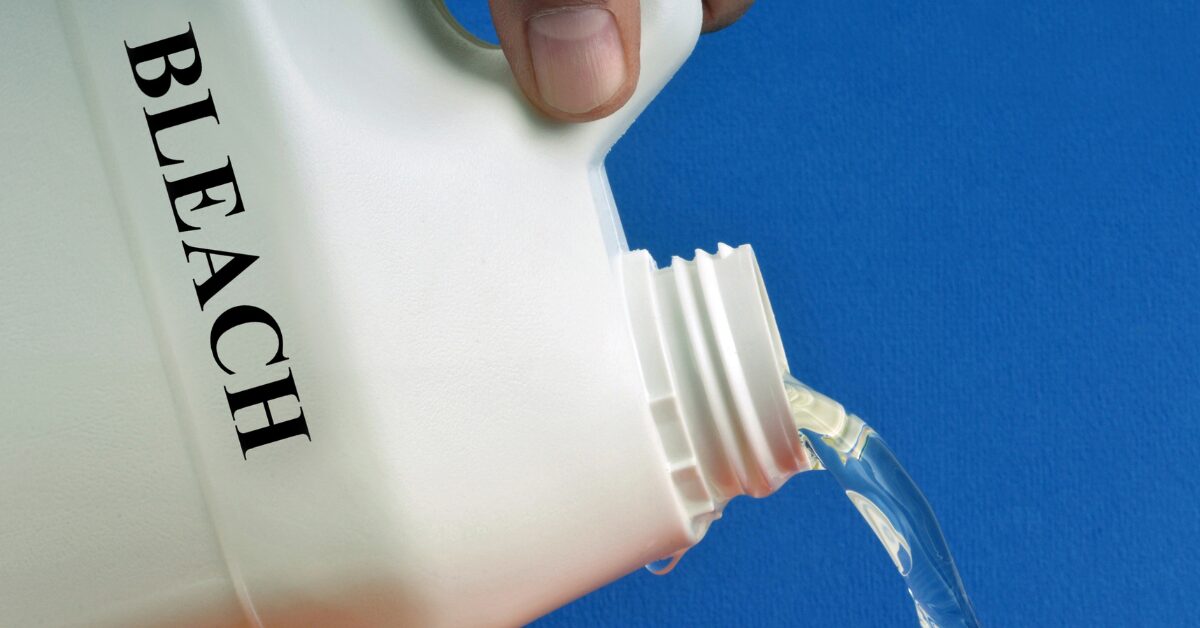
Using bleach to unblock a toilet is a common idea, but it’s often misunderstood. While bleach is effective for cleaning and sanitising, it is not designed as a drain-unblocking solution. In some limited cases, bleach may assist with minor organic buildup, but relying on it for toilet blockages can lead to plumbing damage or safety risks if used incorrectly. Understanding when bleach can help, when it cannot, and what safer alternatives exist is essential before attempting this method. Hire a toilet plumbing team in Sydney.
Can Bleach Actually Unblock a Toilet?
Bleach is not formulated to break down solid toilet blockages such as excess toilet paper, sanitary items, or foreign objects. Its primary function is disinfection rather than physical blockage removal.
Bleach may assist only when the obstruction is light and caused by organic residue such as soap scum, bacteria, or minor biological buildup. In these cases, bleach can soften material enough to allow water flow to resume, but results are inconsistent and limited.
For mechanical obstructions, bleach will not dissolve or dislodge the blockage.
How Does Bleach Interact With Toilet Blockages?
Bleach works by breaking down bacteria, mould, and organic contaminants. When poured into a toilet bowl, it can reduce biological buildup on pipe surfaces, but it does not create pressure or physical movement inside the drain.
This means bleach does not push, pull, or clear compacted waste. Any perceived success usually occurs when the blockage was already close to clearing on its own.
Is It Safe To Use Bleach for Unblocking Toilets?
Using bleach in a toilet carries risks when used for unblocking rather than cleaning.
From a chemical safety perspective, bleach must never be mixed with other cleaning agents. Combining bleach with ammonia or acidic cleaners produces toxic chlorine gas.
From a plumbing perspective, repeated or concentrated bleach use can corrode pipe materials, especially in older systems or homes with metal piping.
From an environmental perspective, bleach entering wastewater systems contributes to chemical pollution if overused.
Bleach should only be used sparingly and cautiously.
How Should Bleach Be Used Safely If Attempted?
If bleach is used at all, it should be done carefully and only once.
Ensure the bathroom is well ventilated before starting. Pour no more than two to three cups of bleach directly into the toilet bowl. Allow it to sit for ten to fifteen minutes without flushing.
After waiting, add a bucket of warm water, never boiling, poured from waist height to introduce gentle pressure. Attempt a single flush. If water does not drain normally, stop and avoid further bleach use.
What Are Safer Alternatives to Bleach for Unblocking a Toilet?
For most toilet blockages, mechanical or low-risk methods are far more effective than bleach.
Hot water combined with dishwashing liquid helps lubricate pipes and soften organic waste. Baking soda and vinegar create a mild reaction that can assist with minor buildup. A plunger remains the most reliable household tool for toilet blockages, as it creates pressure to dislodge waste. For deeper obstructions, a toilet auger allows physical access to the blockage without damaging the bowl.
These methods address the cause rather than relying on chemical breakdown.
When Should Bleach Never Be Used in a Toilet?
Bleach should not be used if the toilet is fully blocked, overflowing, or backing up into other fixtures. It should also be avoided if other chemicals were recently used, or if there is uncertainty about pipe condition.
In these situations, bleach increases risk without improving outcomes.
FAQs About Unblocking a Toilet Using Bleach
What type of toilet blockage can bleach help with?
Bleach may help with very mild organic buildup caused by bacteria or soap residue, but it will not clear solid or compacted blockages.
Can bleach dissolve toilet paper blockages?
Bleach does not effectively dissolve toilet paper clogs once they are compacted inside the pipe.
How much bleach is safe to pour into a toilet?
No more than two to three cups should be used in a single attempt to avoid pipe corrosion and chemical hazards.
How long should bleach sit in a toilet before flushing?
Bleach should sit for ten to fifteen minutes before any water is added or a flush is attempted.
Is bleach safer than chemical drain cleaners for toilets?
Bleach is less aggressive than some drain cleaners but still carries risks and is not designed for blockage removal.
Can bleach damage toilet pipes over time?
Yes, frequent or concentrated bleach use can corrode pipes, especially older metal plumbing.
Does bleach help with smelly toilet drains?
Bleach can temporarily reduce odours by killing bacteria but does not fix underlying blockages.
What happens if bleach is mixed with other toilet cleaners?
Mixing bleach with ammonia or acidic cleaners can release toxic chlorine gas, which is dangerous to inhale.
Can bleach unblock a toilet overnight?
Leaving bleach overnight does not improve effectiveness and increases the risk of pipe damage.
Is bleach effective for recurring toilet clogs?
No, recurring clogs usually indicate mechanical or drainage issues that bleach cannot resolve.
What is safer than bleach for organic toilet blockages?
Hot water with dishwashing liquid or baking soda and vinegar are safer low-risk options.
Can bleach unblock toilets in older homes?
Older plumbing is more vulnerable to chemical corrosion, making bleach a poor choice.
Should bleach be used in low-flow toilets?
Low-flow toilets rely on proper pressure and water movement, making bleach ineffective for clearing blockages.
Does bleach clear toilet traps?
Bleach does not physically clear the trap and cannot remove lodged objects.
Can bleach cause toilet seals to fail?
Repeated exposure may degrade rubber seals over time.
Is bleach environmentally safe when flushed?
In small amounts, it is diluted, but repeated use contributes to chemical wastewater pollution.
When should bleach never be used in a toilet?
Bleach should never be used during overflows, backups, or after other chemicals were applied.
Can plumbers recommend bleach for toilet clogs?
Most plumbers do not recommend bleach as a clog-removal method.
Why does bleach sometimes appear to work?
It may coincide with a blockage already breaking down, giving a false impression of effectiveness.
What should be tried before bleach?
Plunging hot water with detergent, or a toilet auger, should always be tried first.
When is professional help more cost-effective than DIY?
When clogs repeat or affect multiple fixtures, professional intervention prevents long-term damage.
When Should a Professional Plumber Be Called?
A plumber should be contacted if the blockage remains after one attempt, if water backs up into other drains, or if toilet blockages occur frequently. These signs often indicate deeper drainage or sewer issues that household methods cannot resolve safely. Professional equipment allows accurate diagnosis without chemical damage.