26 Dec. 25
Do Blocked Drains Attract Pests in Sydney?
Yes! A blocked drain might seem like a simple plumbing issue, but it can quickly become a serious hygiene and pest-control problem. When a drain blockage traps waste and restricts flow, it creates the perfect conditions for pests to thrive. From insects breeding in stagnant water to rodents entering through sewer connections, blocked drains are a major, and often overlooked, cause of pest infestations.
This article explains how and why blocked drains attract pests, the risks involved, and what you can do to stop the problem before it escalates.
Why Do Blocked Drains Create Ideal Conditions For Pests?
Blocked drains often lead to standing water, which attracts pests immediately. This stagnant water combines with organic waste that decays, food waste from kitchen sinks, and grease buildup that sticks to pipes, creating a nutrient-rich environment.
Add a damp environment that encourages pests, consistent warmth from underground pipes that supports breeding, and you have an ideal breeding ground that supports larvae and rapid population growth.
How Do Smells From Blocked Drains Attract Pests?
When drains are blocked, sewer gas such as methane and foul odour caused by hydrogen sulfide often escape drains. These smells signal decay and act as powerful attractants.
Pests follow odour trails that guide pests directly to food sources. Over time, this reinforces pest behaviour, which responds to food availability and moisture.
What Types Of Pests Are Attracted To Blocked Drains?
Blocked drains attract a wide range of pests, especially in an urban environment where cities increase pests and seasonal increase during warmer summer months boosts populations.
Common pests include:
- Cockroaches, which thrive in drains and feed on organic residue
- Rats, which enter pipes from sewer systems
- Mice, which access drains through small openings
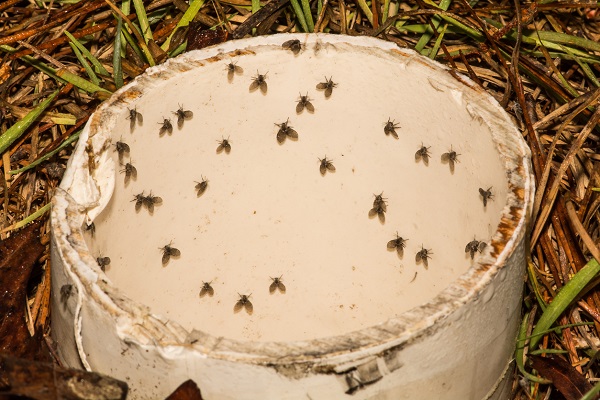
- Drain flies, which breed in drains and lay eggs in biofilm
- Mosquitoes, which lay eggs in standing water
- Ants, which forage for food
- Silverfish, which hide in drains in moist bathrooms
- Spiders, which follow prey and become secondary pests
Once these pests establish a pest infestation, it can spread rapidly throughout the property.
How Do Drains Become Pest Entry Points?
Damaged drainage infrastructure creates structural entry points that allow entry. Pipe cracks in old pipes often let pests through, while sewer connections linked to municipal sewers enable movement of rodents between properties.
Issues like backflow, where wastewater brings pests upward, or an overflowing drain that spreads waste, further compromise hygiene and accessibility.
Are Blocked Drains A Health Risk?
Yes. Blocked drains significantly increase health risk. Bacteria such as E. coli multiply, while pathogens like Salmonella can infect humans through contaminated surfaces.
Pests also introduce allergens, including cockroach allergens, which trigger reactions and act as asthma triggers that exacerbate symptoms. Combined with general hygiene issues that compromise cleanliness, this makes blocked drains a serious household hazard.
Can Pests From Blocked Drains Damage Property?
Pest activity often leads to property damage that reduces value. Rodents engage in gnawing, where rats damage materials such as wood and plastic, and cause electrical damage when electrical cables cause faults after being chewed.
Pests also gather nesting materials like paper and insulation, which they collect inside walls, ceilings, and under floors, increasing repair costs.
Why Do Some Homes Keep Getting Pest Problems From Drains?
Recurring pest issues are often linked to poor drain maintenance. A failed trap seal, usually a P-trap that blocks gases, allows access when it becomes a dry trap that allows access due to infrequent use.
Without regular use, where occupants maintain seal by running water, pests can move freely between drains and living spaces.
How Can Drain Maintenance Prevent Pest Infestations?
Effective preventative maintenance by homeowners prevents pests before infestations begin. Routine drain cleaning by plumbers removes waste, while enzyme cleaners using enzymes digest organic matter and break down biofilm that coats pipes.
A CCTV drain inspection using drain cameras can identify issues such as cracks, blockages, or pest access points early.
What Repairs Help Keep Pests Out Of Drains?
Where damage exists, pipe repair carried out by plumbers seals entry points. For more extensive damage, pipe relining using relining systems restores pipes internally without excavation.
Installing drain covers such as metal grates helps block pests, while ensuring traps stay functional prevents access from sewer systems.
When Should You Call Pest Control Or Plumbing Professionals?
If pests are already established, professional pest control services provided by pest controllers can eliminate pests effectively. However, pest removal alone isn’t enough without addressing the drain issue.
An integrated pest management approach, such as IPM, reduces infestation long-term by combining plumbing repairs, hygiene improvements, and pest treatment.
Why Is Timely Action So Important?
Ignoring blocked drains allows pests to multiply and spread. Timely action by occupants limits spread, reduces health risks, and prevents costly repairs.
With long-term prevention, homeowners avoid recurrence and protect both their property and wellbeing, leading to genuine peace of mind that improves wellbeing for all residents.
People Also Asked About Blocked Drains Attract on Pests
Do Blocked or Dirty Drains Really Attract Pests?
Yes. Blocked, dirty, or slow-moving drains often hold stagnant water and organic waste, which create ideal breeding environments for insects and provide food sources for larger pests. Neglected drains can also trap moisture and odours that draw pests into bathrooms, kitchens, and outdoor drainage areas.
What Smells or Conditions in a Drain Attract Pests?
Standing water, foul sewer smells, food residue, grease, soap scum, hair, and decaying organic matter are common triggers. These odours signal an available food source and moisture, making drains highly attractive to bugs and cockroaches.
Which Pests Are Likely to Breed in Clogged or Dirty Drains?
Drain flies (also called moth flies), fruit flies, gnats, and cockroaches are the most common. Drain flies lay eggs inside slimy drain walls, while cockroaches often nest near damp pipes. In some cases, ants and mites can also appear around unclean drains.
How Can I Tell if Pests Are Coming From My Drains?
Common signs include small flies hovering over sinks or showers, tiny insects emerging when taps run, musty odours near drain openings, gurgling or bubbling sounds, droppings around pipework, or roaches fleeing when lights turn on. These clues indicate organic buildup and moisture inside the drain.
Can a Partially Blocked Drain Still Cause Pest Issues?
Yes. Even a slow or semi-clogged drain can trap debris and develop bacterial slime, which supports insect larvae. Early clogs become pest hotspots quickly, so cleaning drains before they fully block is essential.
Can Cockroaches or Other Pests Come Up Through Sink Drains?
They can. Cockroaches and some insects enter through plumbing gaps, cracked pipes, or unsealed drains. If a pipe is damaged, dry, or lacks a proper water seal (P-trap), pests have a direct pathway into the property. This is more common in older homes and properties with damaged or poorly maintained drains.
Why Do I Keep Seeing Drain Flies Near My Sink or Bathtub?
Drain flies gather where organic sludge is present. They point to a dirty or partially blocked drain with algae-like buildup inside the pipe. Seeing them consistently means the inside of the pipe needs physical scrubbing or treatment, not just surface cleaning.
What DIY Steps Can Help Clean Drains and Discourage Pests?
Use sink strainers to trap debris before it enters pipes. Pour boiling water down the drain (if safe for your plumbing) to clear sludge. Baking soda followed by vinegar can help deodorise and break down residue. Regular brushing of drain openings and flushing with hot water keeps bacteria and mould from forming. Avoid sending food scraps, grease, or hair into drains.
How Often Should I Clean and Maintain Drains to Prevent Pests?
Regular weekly flushing with hot water helps minimise buildup. Monthly cleaning with natural solutions or enzyme-based drain products can keep drains clear. Snaking or scrubbing should be done whenever drainage slows or odours appear. Preventative maintenance is easier than treating infestations after they start.
Are Rodents Like Rats or Mice Attracted to Blocked or Broken Drains?
Yes. Rodents follow water, warmth, and food odours. Damaged or leaking drains, especially underground or beneath kitchens and bathrooms, can give rats direct access into walls or subfloors. If you suspect drainage damage and hear scratching or notice rodent droppings, professional inspection is recommended.
Can Blocked Drains Really Attract Pests?
Absolutely. Blocked drains don’t just cause plumbing problems, they actively invite pests into your home. From insects breeding in drain slime to rodents using sewer lines as highways, the connection is clear.
Keeping drains clean, sealed, and well-maintained is one of the most effective, and overlooked, ways to keep pests out of your home for good.