26 Dec. 25
Causes of Burst Pipes and How to Prevent Them
A burst pipe is one of the most damaging plumbing emergencies a homeowner can experience. When a pipe burst occurs, it can release water rapidly, leading to flooding, extensive water damage, and serious safety risks. Understanding why pipes fail, and how to stop it from happening, is essential for protecting your home, your finances, and your health.
This guide explains the causes of burst pipes, the warning signs to watch for, and the most effective ways to prevent pipe failure using proven plumbing best practices.
What Causes Pipes To Burst In Homes?
Most burst pipes are caused by excessive stress within the plumbing system, which is designed to distribute water under controlled conditions. When those conditions change, through pressure, temperature, age, or damage, pipes can no longer cope.
One of the most common causes is water pressure. When high water pressure exceeds limits, it creates constant strain inside the pipes. Over time, this pressure build-up causes failure, especially at weak points like joints and bends.
How Does Water Pressure Lead To Burst Pipes?
Normal household pipes are built to handle a specific pressure range. When pressure is too high, the internal force stresses pipes, gradually weakening them. Events like sudden valve closures can cause water hammer, where a shock wave travels through the system and damages pipes.
If pipes are loose, repeated pipe vibration can occur, causing brackets to fail and joints to loosen. Eventually, faulty joints fail under pressure, resulting in leaks or sudden ruptures.
Why Are Old Pipes More Likely To Burst?
Old pipes are far more vulnerable due to material fatigue, which reduces strength over time. In many older homes, galvanised pipes made from galvanised steel slowly rust internally, while copper pipes can corrode over time due to water chemistry.
As pipe corrosion progresses, rust, formed when iron eats pipe walls, weakens the pipe structure. Even small issues like a hairline crack can grow over time, eventually turning into a full rupture.
Can Cold Weather Cause Pipes To Burst?
Yes. Frozen pipes are a major cause of pipe failure in cold conditions. When there is a sudden temperature drop, water inside pipes freezes and expands. This ice expansion expands inside the pipe, creating immense pressure.
The combination of thermal expansion and pipe expansion cracks pipes, particularly in exposed areas such as garages, subfloors, and external walls. Ice blockages can also stop flow, trapping pressure between the blockage and the water source.
How Do Blockages Increase The Risk Of Pipe Bursts?
A blocked pipe or drain blockage restricts flow and traps water. As pressure builds behind the obstruction, it can cause the pipe to rupture. Common causes include debris buildup and tree root intrusion, where tree roots crack pipes underground.
In some areas, ground movement caused by soil movement, especially in expansive clay, dislodges pipes or misaligns joints, increasing stress and failure risk.
Can Construction Or Renovations Damage Pipes?
Absolutely. Construction damage is a frequent but overlooked cause of burst pipes. During renovations, builders puncture pipes accidentally when drilling or cutting without proper planning.
Poor workmanship also plays a role. Poor installation by unlicensed plumbers often causes leaks, while cheap materials such as inferior PVC degrade quickly. Even modern PVC pipes can crack under stress if installed incorrectly.
What Are The Early Warning Signs Of A Burst Pipe?
The most obvious warning sign is a leak, which indicates failure somewhere in the system. However, many issues start as a hidden leak, which remains undetected behind walls or under floors.
Other warning signs include unexplained drops in water pressure, damp patches, or rising water bills. Left unchecked, leaks lead to water damage, which destroys materials, encourages mould growth, and causes long-term structural damage that weakens structure.
What Risks Do Burst Pipes Create Inside A Home?
Beyond property damage, burst pipes create serious safety hazards. Standing water introduces an electrical hazard, as water near wiring causes shock risks. Damp conditions also allow fungi like Aspergillus to thrive, creating health issues.
Large-scale flooding can inundate property, destroy flooring and cabinetry, and make areas unsafe to occupy without professional restoration.
What Should You Do Immediately If A Pipe Bursts?
If a pipe bursts, timely action is critical to limit loss:
- Shut off the water using the water shut-off valve connected to the water mains
- If possible, isolate the area with an isolation valve, which isolates section of the system
- Avoid electrical areas and switch off power if water is near wiring
- Contact emergency plumbing services or emergency plumbers who can stop leaks quickly
Fast response reduces damage and improves recovery outcomes.
How Are Burst Pipes Repaired?
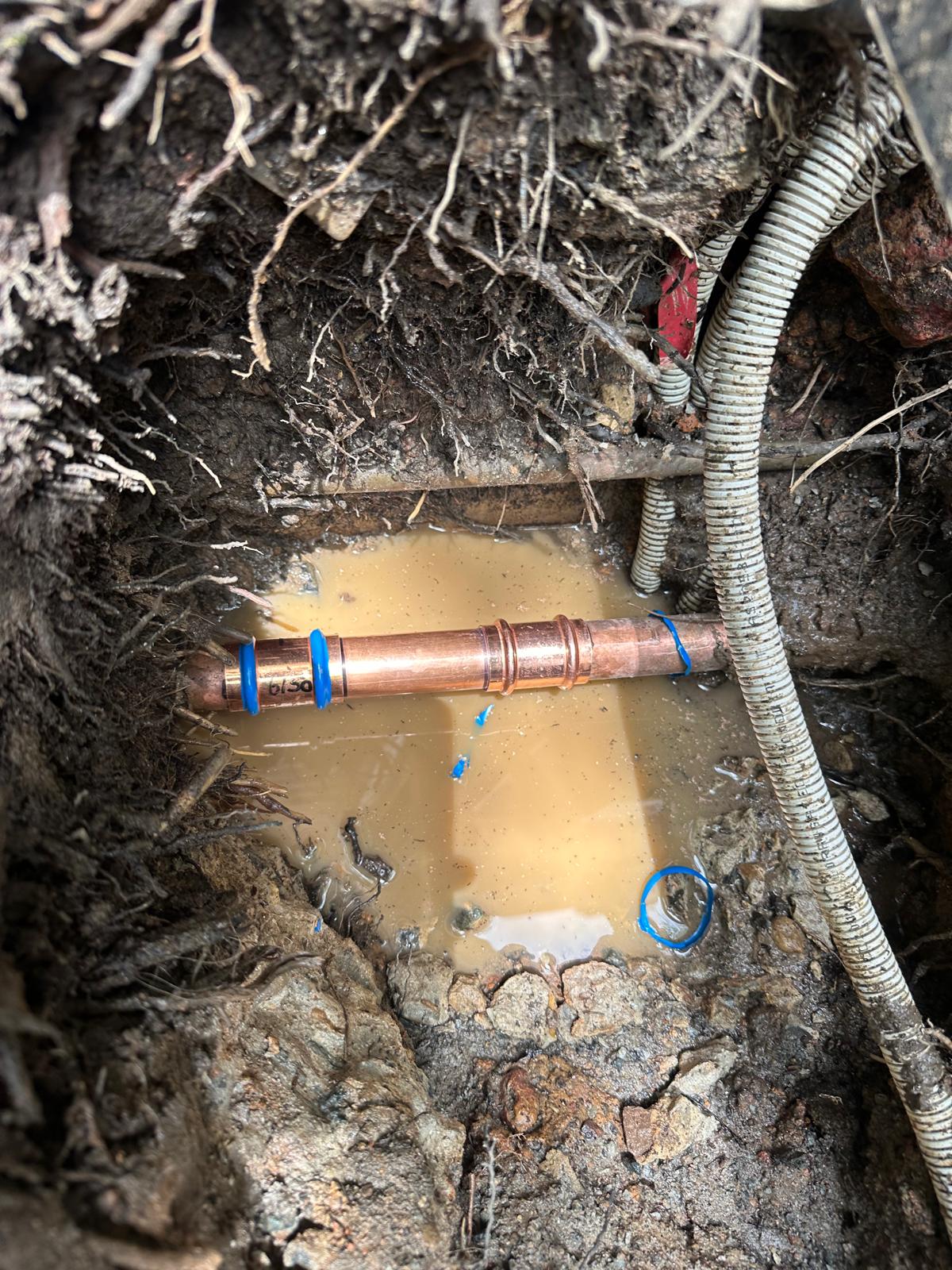
Repairs depend on severity. Minor issues may only require pipe repair, which restores flow using fittings or clamps. More serious failures require pipe replacement, where new piping eliminates faults entirely.
In many cases, pipe relining is an effective solution. This trenchless method uses relining systems to reinforce pipes internally without excavation.
How Can You Prevent Pipes From Bursting?
Prevention is far cheaper than repair. Preventative maintenance carried out by homeowners dramatically prevents failure. This includes regular inspections, where plumbers identify risks before they escalate.
Key prevention strategies include:
- Installing a pressure regulator, which limits pressure
- Performing a water pressure test using pressure gauges to identify excess
- Adding pipe insulation or lagging using insulation sleeves or foam lagging, which prevents freezing and reduces cold exposure
- Completing winter preparation, where homeowners prevent freezing
- Maintaining temperature control, where heating systems stabilise pipes
How Can Technology Help Detect Pipe Problems Early?
Modern leak detection systems can identify problems before damage occurs. Moisture sensors and smart sensors alert homeowners to leaks early, while smart plumbing solutions integrated into smart homes help monitor pipes continuously.
These tools are especially valuable for detecting hidden leaks behind walls or under floors.
Why Is Planning Important During Renovations?
Good renovation planning helps avoid costly mistakes. Contractors avoid damage by using pipe mapping, which relies on plans that locate pipes accurately.
Ensuring all work complies with compliance standards, plumbing codes, and Australian Standards, including AS/NZS codes, ensures installations are safe, legal, and durable.
Will Insurance Cover Damage From Burst Pipes?
Many policies cover insurance claims for burst pipes, but insurers require proof. Collect claim evidence, such as photos, plumber reports, and invoices, to support claims.
Failure to maintain plumbing systems may result in denied claims, reinforcing the importance of regular maintenance.
Why Should Every Household Have An Emergency Plan?
An emergency plan helps households respond calmly and effectively during plumbing disasters. When families guide actions in advance, response times improve and damage is minimised.
Knowing where valves are located and who to call ensures timely action when every minute counts.
People Also Asked About Causes of Burst Pipes
What Conditions Typically Cause Pipes To Burst?
Pipes commonly burst due to freezing temperatures, excessive internal pressure, or weakened pipe walls. Very cold weather can cause water to expand as it freezes, while high water pressure or sudden pressure spikes can force a pipe to split. Age, corrosion, and rust also weaken pipes, making them more likely to fail.
What Are the Warning Signs That a Pipe May Soon Burst?
Watch for unusually high water bills, unexplained drops in water pressure, new damp spots on walls or ceilings, or sounds of hissing or dripping behind walls. Discoloured water, rattling pipes, or mould growth can also indicate trouble in the plumbing system.
Which Areas in a Home Are Most Vulnerable to Burst Pipes?
Burst pipes most often occur in unheated or exposed areas of a property. These include basements, attics, garages, crawl spaces, and pipes running along exterior walls or under sinks. Outdoor taps and irrigation lines are also at high risk.
How Can I Prevent Pipes From Freezing and Bursting in Winter?
Insulating exposed pipes, sealing gaps around walls, and maintaining indoor heat can help protect plumbing during cold weather. Opening cabinet doors under sinks allows warm air to reach pipes. Running a slow drip of water overnight can also prevent freezing in extreme cold.
Can Pipes Burst in Hot Summer Weather?
Yes. Extreme heat can increase water demand, pressure buildup, and pipe expansion. Dry soil conditions can also shift ground around underground pipes. To prevent this, monitor water pressure, avoid overloading your system, and ensure plumbing is properly maintained during summer months.
How Does High Water Pressure Increase the Risk of a Burst Pipe?
High pressure puts continuous strain on pipe walls and joints. This weakens plumbing over time and makes cracks more likely. Installing a pressure regulator or pressure-reducing valve helps maintain safe water pressure and protects household pipes.
Are Old or Rusty Pipes More Likely To Burst?
Yes. Older plumbing systems, especially those with rust or corrosion, are far more prone to cracking. If your home has aging metal pipes, schedule plumbing inspections and consider replacing sections before major failures occur.
What Maintenance Tasks Help Prevent Burst Pipes?
Regularly check for leaks, dampness, or corrosion around fixtures. Insulate exposed pipes, especially in unheated areas. Test water pressure and install a pressure regulator if needed. Annual plumbing inspections can reveal issues before they become emergencies.
What Should I Do Immediately if a Pipe Bursts?
Shut off the water supply immediately to minimise flooding. Turn off electricity if water is near outlets or appliances. Contain water using towels or buckets, and call an emergency plumber for repairs.
How Do I Locate and Use the Main Water Shut-Off Valve?
The shut-off valve is usually located near the water meter, commonly outside at the front boundary, in a garage, or inside a utility cupboard. Turn the valve clockwise (to the right) to stop water flow. Knowing this location before an emergency is essential, consider labelling it for easy access.
Why Prevention Is Always Better Than Repair
Burst pipes are rarely random events. They are usually the result of pressure, age, temperature, poor installation, or neglect. By understanding the causes and investing in preventative care, you can protect your home, avoid emergencies, and extend the life of your plumbing system. A small amount of preparation today can prevent thousands of dollars in damage tomorrow.