18 Dec. 25
What To Do If Your Drain Overflows In Sydney
A drain overflow is one of the most stressful plumbing emergencies a Sydney homeowner can face. Whether it’s an overflowing drain in the bathroom, kitchen, laundry, or yard, the situation can escalate quickly into flooding, serious water damage, and long-term property damage. With Sydney plumbing systems under pressure from Sydney storms and heavy rain reported by the Bureau of Meteorology, knowing how to respond fast is critical.
This guide explains exactly what to do, why overflows happen, and how to prevent them in the future—specific to Sydney conditions.
Why Do Drains Overflow In Sydney?
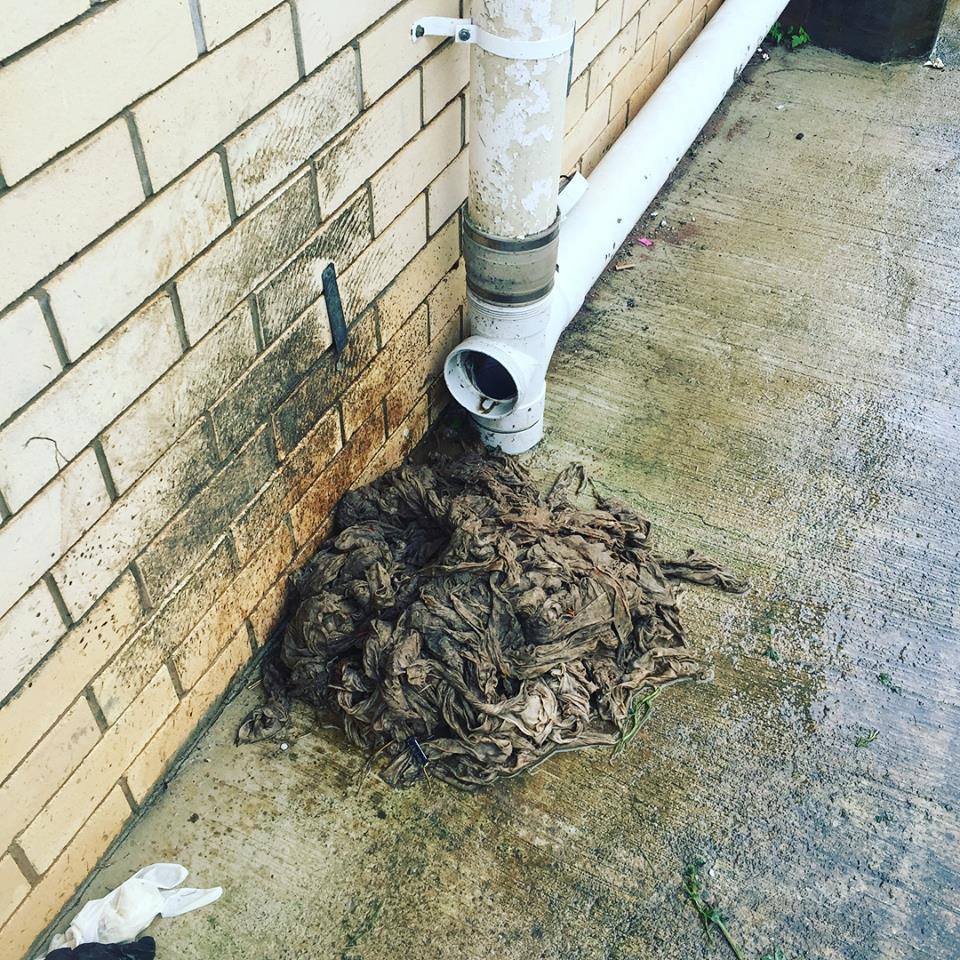
Drains overflow when a blockage prevents water from flowing through either a stormwater drain or a sewer drain. In Sydney, this is often triggered by heavy rain, which overwhelms systems already restricted by debris, organic waste, grease buildup, or hair accumulation.
More severe cases involve tree roots infiltrating underground pipes or even a collapsed pipe, which completely stops drainage. During intense Sydney storms, surging water can cause backflow, where water is pushed up instead of draining away—particularly dangerous when it becomes sewer backflow managed by Sydney Water or local council sewer infrastructure.
What Are The Immediate Risks Of An Overflowing Drain?
An overflowing drain creates multiple hazards at once. Flooding can quickly lead to water damage, damaging floors, walls, cabinetry, and electrical systems. Standing water increases electrical hazards, especially where electric wiring is exposed, and creates slip hazards on wet surfaces.
If sewage is involved, sewer gas, including methane and hydrogen sulfide, may escape, producing a foul odour and posing a serious health risk due to bacteria exposure. Sewer backflow can contaminate living spaces, requiring professional disinfection and restoration.
What Should You Do Immediately When A Drain Overflows?
Your emergency response should focus on safety and damage control:
- Shut off the water using the water shut-off valve or a local isolation valve to stop further flow.
- Keep people away from affected areas to reduce slip hazards and exposure to contaminants.
- If safe, lift or remove the drain cover to relieve surface pressure.
- Avoid flushing toilets or using sinks connected to the affected drain.
Quick, timely action can significantly reduce damage and contamination.
Which Drains Commonly Overflow In Homes?
Different fixtures experience overflow for different reasons:
- Toilet overflow often indicates a severe blockage or sewer issue.
- Kitchen sink overflow is usually linked to grease buildup from cooking oils.
- Bathroom drains and floor drains frequently overflow due to hair accumulation.
- Laundry drains can clog from lint and detergent residue.
If multiple fixtures overflow simultaneously, the issue is likely in a private drain or even the public sewer, requiring urgent professional attention.
Can You Fix A Drain Overflow Yourself?
For a temporary blockage, DIY methods may help. DIY plunging can sometimes dislodge blockages, while a drain snake (or drain auger) may break obstructions deeper in the pipe. A hot water flush can help melt grease, but only for minor kitchen clogs.
Avoid chemical cleaners, especially those containing caustic soda. These products can corrode pipes, accelerate pipe corrosion, and worsen damage—particularly in older Sydney homes.
When Should You Call An Emergency Plumber In Sydney?
You should contact an emergency plumber or licensed plumber immediately if:
- Overflow continues after shutting off water
- Sewage is backing up into the home
- You experience recurring overflow
- There is visible pipe damage or suspected collapsed pipe
Professionals use CCTV drain cameras to identify the cause and high-pressure jetting to clear pipes safely. These methods are far more effective than DIY solutions for severe blockages.
Who Is Responsible For The Drain That Overflowed?
Responsibility depends on where the blockage occurs:
- Private drains are maintained by homeowners
- Public sewers are owned and managed by Sydney Water
- Boundary issues may involve local councils
A plumber can determine ownership during inspection, which is essential before lodging an insurance claim.
How Do You Clean Up After A Drain Overflow?
Once the overflow is controlled, cleanup is critical. Water extraction using pumps or wet vacuums removes standing water, while drying equipment like dehumidifiers and air movers helps prevent mould growth, including fungi such as Aspergillus.
Always wear protective equipment, gloves, boots, and masks, during cleanup. Surfaces exposed to sewage require thorough disinfection to eliminate bacteria and reduce health risks.
Will Insurance Cover Drain Overflow Damage?
Many insurers cover water damage, but claims often depend on proof of maintenance. Collect claim evidence, including photos, videos, and plumber reports, to support insurance claims. Failure to perform preventative maintenance can result in denied coverage.
How Can You Prevent Drain Overflows In The Future?
Prevention is far cheaper than repair. Key strategies include:
- Establishing a drain cleaning schedule
- Scheduling routine inspections
- Performing root cutting where trees threaten pipes
- Installing grease traps in kitchens
- Improving storm preparedness before heavy rain
- Using overflow alarms or flood barriers in high-risk areas
Regular maintenance ensures plumbing compliance with NSW regulations and protects long-term property value.
What Long-Term Repairs Fix Serious Drain Problems?
For damaged infrastructure, temporary repairs may reduce flow, but permanent solutions include pipe relining, which restores pipes without excavation, or full drain replacement in cases of severe collapse. These options ensure long-term reliability and prevent future emergencies.
Final Thoughts: Why Fast Action Matters
A drain overflow is not just a plumbing inconvenience, it’s a serious threat to safety, health, and property. Acting quickly, understanding responsibility, and engaging the right professionals can dramatically reduce damage. With Sydney’s weather becoming more unpredictable, having an emergency plan in place ensures your household knows exactly how to respond when every minute counts.
What To Do If Your Drain Overflows In Sydney – FAQs
What Could Cause My Drain To Overflow During Or After Heavy Sydney Rain?
Heavy rainfall can overwhelm stormwater systems, especially if drains are already partially blocked. Common causes include built-up debris, tree roots in pipes, collapsed or damaged stormwater lines, or council stormwater systems reaching capacity during intense downpours. In Sydney, sudden storms often push excess water back through outdoor drains when it has nowhere else to go.
What Immediate Steps Should I Take To Limit Water Damage?
Stop using water inside the property straight away. If safe to do so, try to divert water away from the building using towels, buckets, or temporary barriers. Clear any visible debris from nearby grates or drains to help water escape more freely while you wait for the situation to stabilise or for professional help.
What Household Items Or Basic Tools Can Help Right Now?
You can use gloves to remove leaves or debris from drain grates, a bucket to bail water away from entrances, and towels or old sheets to block doorways. A standard garden hose can sometimes help flush surface debris, but only if the water level is low enough and not backing up aggressively.
How Can I Tell If The Blockage Is On My Property Or In Sydney’s Public Stormwater System?
If only your drains are overflowing, the blockage is usually within your property boundary. If multiple neighbouring properties are affected or street drains are backing up, the issue may be in the public stormwater system. Sydney Water is responsible for blockages beyond the property connection point, while internal pipes are the homeowner’s responsibility.
Should I Check Gutters And Downpipes When An Outdoor Drain Overflows?
Yes. Blocked gutters or downpipes can force water to pool and overload ground-level drains. Leaves, twigs, and roof debris can quickly contribute to overflow issues, especially during storms. Clearing these areas can sometimes reduce the pressure on outdoor drains.
Do I Need To Turn Off The Power Or Water Supply During Flooding?
If water is approaching electrical outlets, appliances, or the switchboard, it’s safest to turn off power at the main switch. Turning off the water supply can also help prevent additional pressure on the drainage system. Only do this if it’s safe to access and you’re not standing in water.
Is It Safe To Use Chemical Drain Cleaners During An Overflow?
No. Chemical drain cleaners are not recommended during an active overflow. They can splash back, cause burns, damage pipes, and create dangerous fumes. These products are also unlikely to clear large blockages caused by stormwater, roots, or debris.
The Overflowing Water Smells Bad – Could It Be Sewage?
Yes. A foul or sewage-like smell can indicate wastewater backing up rather than stormwater. This poses health risks due to bacteria and contaminants. Avoid direct contact, keep pets and children away, and arrange professional assistance immediately.
Can I Temporarily Divert Or Contain The Water To Protect My Home?
Yes. Sandbags, temporary barriers, or shallow channels can help redirect water away from doors, garages, and foundations. These are short-term measures only and should be used to reduce damage until the drain issue is properly resolved.
Who Should I Call In Sydney If The Drain Overflow Is An Emergency?
For urgent blockages within your property, contact a licensed emergency plumber experienced in drain and stormwater issues. If the overflow appears to be coming from the street or affecting multiple properties, Sydney Water should be notified, as public stormwater infrastructure falls under their responsibility.