15 Dec. 25
Guide to Unclogging Outdoor Drains For Sydney Homes
Outdoor drains play a critical role in directing rainwater away from homes, driveways, and pathways, particularly during heavy rainfall and storms. When these drains become blocked, water can quickly pool around the property, increasing the risk of foundation damage, soil erosion, and flooding.
Most outdoor drain blockages build gradually, which means early intervention can prevent costly repairs.
This guide explains why outdoor drains block, what tools are required, how to clear them safely, and when professional assistance for blcoked drian is necessary, using practical steps suitable for residential outdoor drainage systems.
Why Do Outdoor Drains Get Clogged?
Outdoor drains are constantly exposed to environmental debris, making them more vulnerable to blockages than internal plumbing systems. The most common causes include:
- Leaves and plant debris that accumulate during seasonal leaf fall and compact inside drain openings
- Dirt and mud washed into drains during heavy rainfall, especially from garden beds and unsealed surfaces
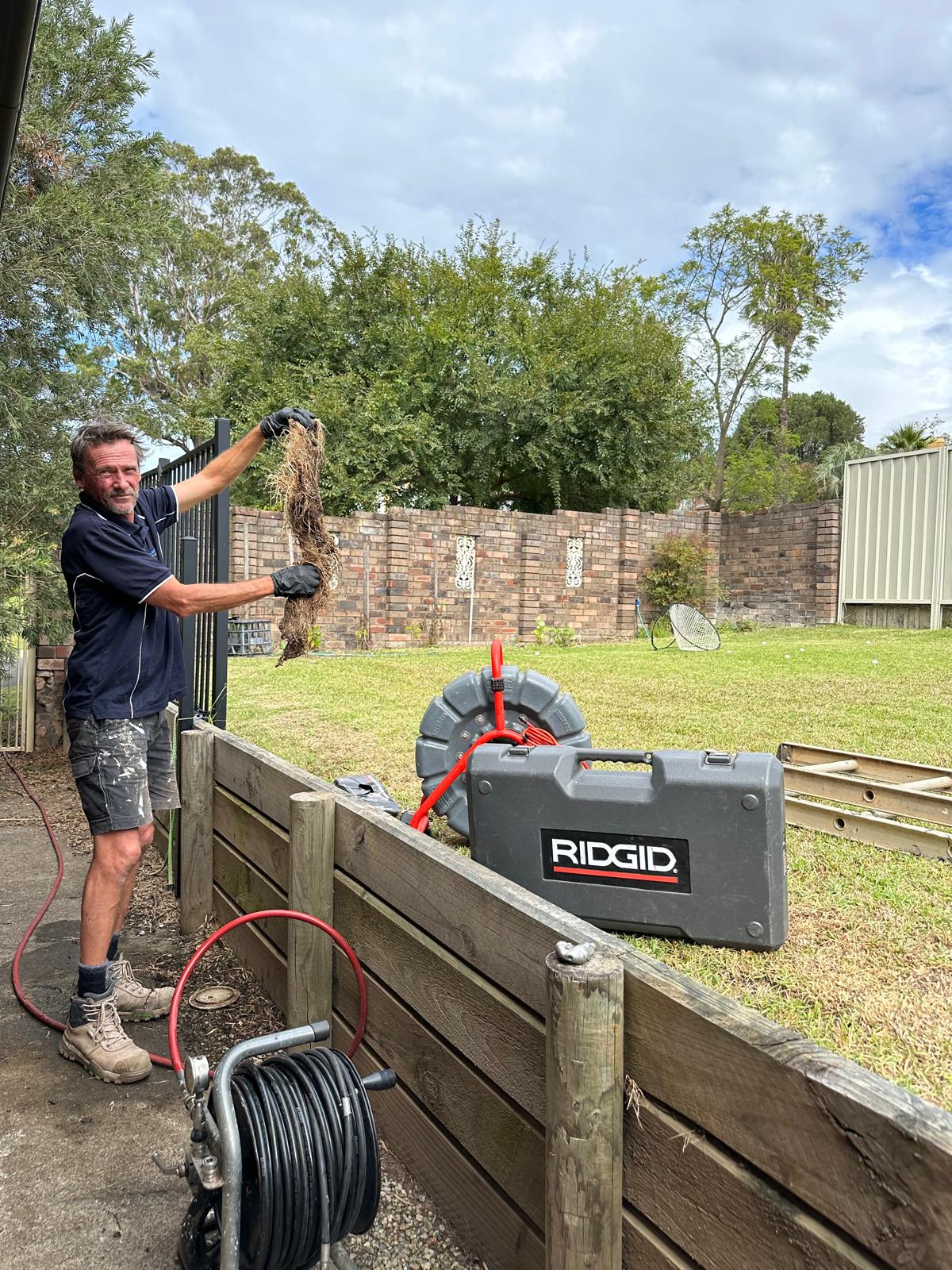
- Tree roots that penetrate small pipe joints or cracks and expand over time
- Litter and debris such as plastic packaging or loose waste that becomes lodged in drain bends
Understanding what caused the blockage helps determine the safest and most effective clearing method.
Tools Needed for Unclogging Outdoor Drains
Clearing outdoor drains safely requires tools designed for debris removal without damaging pipes. Commonly required tools include:
- Drain snake or auger for reaching internal blockages
- Garden hose with a high-pressure nozzle for flushing loosened debris
- Protective gloves to prevent injury from sharp or contaminated materials
- Shovel or trowel for removing surface-level buildup
- Bucket to collect debris removed from the drain
- Wet/dry vacuum for standing water and loose sediment
Using the right tools reduces the risk of pipe damage and improves clearing effectiveness.
How Do You Inspect an Outdoor Drain Before Clearing It?
Before attempting to clear an outdoor drain, inspect the area for visible debris, standing water, or slow drainage. Surface-level blockages often restrict water flow even when pipes are intact. Removing visible material first may restore partial drainage and make deeper clearing easier.
If water remains stagnant or drains slowly after surface debris is removed, the blockage is likely deeper in the system.
What Steps Should You Follow to Unclog an Outdoor Drain?
Inspect and Clear Surface Debris
Remove leaves, mud, and debris from the drain opening using gloved hands or a shovel. Clearing the surface improves visibility and prevents pushing debris further into the system.
Use a Drain Snake to Clear Internal Blockages
Insert the drain snake slowly into the drain until resistance is felt. Rotate the snake to break up or hook debris, then withdraw it carefully. Repeat until resistance is no longer present and water movement improves.
Flush the Drain with Water
After snaking, flush the drain using a garden hose. Start with moderate pressure and gradually increase flow. Proper flushing removes loosened debris and confirms whether the blockage has cleared.
Remove Standing Water with a Wet/Dry Vacuum
If water is pooling inside the drain, use a wet/dry vacuum to remove it. This allows better access for snaking and flushing and helps identify remaining debris.
Check for Tree Root Intrusion
Recurring blockages or resistance during snaking may indicate tree roots inside the pipe. Root intrusion often requires specialised cutting tools or professional intervention to prevent pipe damage.
How can you Prevent Future Clogs in your Outdoor Drain
Preventative maintenance reduces the likelihood of repeated blockages and improves drainage performance:
- Install drain covers to stop leaves and large debris entering the system
- Keep surrounding areas clear of soil, mulch, and garden waste
- Trim nearby trees and shrubs to limit root growth toward drainage pipes
- Use gutter guards to reduce debris entering the stormwater system
- Flush outdoor drains periodically to remove early sediment buildup
Regular maintenance is particularly important before and during rainy seasons.
When to Call a Professional
Professional assistance is recommended when outdoor drains remain blocked despite clearing attempts, when tree roots are suspected, or when water backs up toward structures. Licensed plumbers use tools such as CCTV cameras and hydro-jetting equipment to identify and resolve deeper or structural issues safely.
What causes outdoor drains to block more frequently than indoor drains?
Outdoor drains are exposed to leaves, soil, mud, garden waste, and litter. Unlike indoor drains, they are not filtered and must handle stormwater runoff, which carries debris directly into the system during rainfall.
How can you tell if an outdoor drain is blocked or just slow-draining?
A blocked outdoor drain usually causes standing water, overflow, or pooling after rain, while a slow drain still empties but takes much longer than normal. Repeated slow drainage often indicates a developing blockage.
Why do outdoor drains often block after heavy rainstorms?
Heavy rainfall washes large amounts of debris, soil, and organic matter into drains at once. If the pipe capacity is already reduced, this sudden load causes blockages or overflow.
What are the early warning signs of a blocked outdoor drain?
Early signs include water pooling around grates, slow runoff after rain, gurgling sounds, unpleasant odours, or water flowing back toward paths and foundations.
Can leaves alone completely block an outdoor drain?
Yes. Wet leaves compact tightly inside pipes, especially when mixed with dirt and mud. Over time, this creates a dense blockage that restricts water flow.
How does mud and soil buildup affect outdoor drain performance?
Mud and soil settle at the bottom of pipes, reducing internal diameter. Even a thin sediment layer significantly slows drainage and traps additional debris.
Why are tree roots a serious problem for outdoor drainage systems?
Tree roots enter through joints or cracks and expand inside pipes. They trap debris, restrict flow, and can eventually crack or collapse the pipe if left untreated.
Can a homeowner safely remove tree roots from an outdoor drain?
Minor roots may be cut temporarily, but full root removal usually requires specialised tools. DIY removal rarely prevents regrowth and can damage pipes.
What tools are most effective for unclogging outdoor drains at home?
Drain snakes, garden hoses with pressure nozzles, protective gloves, and wet/dry vacuums are the most effective tools for clearing common outdoor drain blockages.
How deep can a drain snake reach in an outdoor drain?
Most residential drain snakes can reach between 5 and 15 metres, which is sufficient for clearing blockages near pits, bends, and initial pipe runs.
Can flushing an outdoor drain with water make a blockage worse?
Yes. If debris is compacted, high water pressure can push the blockage further down the pipe, making removal more difficult. Flushing should only be done after mechanical clearing.
When is a wet/dry vacuum useful for clearing outdoor drains?
Wet/dry vacuums are ideal for removing standing water, loose sediment, and small debris before using a drain snake or flushing the system.
Why does an outdoor drain keep blocking even after being cleared?
Recurring blockages often indicate tree root intrusion, pipe damage, poor pipe gradient, or sediment buildup deeper in the system.
How often should outdoor drains be cleaned to prevent blockages?
Outdoor drains should be inspected seasonally and cleaned before and during periods of heavy rainfall, especially in autumn when leaf fall is highest.
Can installing a drain cover prevent outdoor drain blockages completely?
Drain covers reduce large debris entry but do not stop sediment, roots, or fine material. They are a preventative measure, not a complete solution.
How do gutter guards help protect outdoor drains?
Gutter guards reduce the amount of debris entering downpipes, lowering the debris load flowing into outdoor and stormwater drains.
Should outdoor drains be flushed even if they are not blocked?
Yes. Periodic flushing removes early sediment buildup and helps maintain unrestricted water flow.
What happens if a blocked outdoor drain is ignored?
Ignoring blockages can lead to flooding, soil erosion, foundation damage, mould growth, and costly structural repairs.
Can blocked outdoor drains cause water to enter the home?
Yes. When drains overflow, water can be forced toward foundations, garages, and subfloor areas, increasing the risk of internal water damage.
How can landscaping increase the risk of outdoor drain blockages?
Poor grading, heavy mulch use, and planting trees close to drains increase debris runoff and root intrusion into drainage pipes.
When should a professional plumber be called for an outdoor drain blockage?
Professional help is required when blockages recur, water backs up toward the house, tree roots are suspected, or DIY methods fail.
How do plumbers diagnose outdoor drain blockages accurately?
Plumbers use CCTV drain cameras to inspect pipe condition, identify blockages, locate root intrusion, and assess structural damage.
Can hydro-jetting damage outdoor drainage pipes?
When performed correctly, hydro-jetting is safe. Pressure is adjusted based on pipe material and condition to avoid damage.
Is pipe relining an option for recurring outdoor drain blockages?
Yes. Pipe relining seals cracks and joints, preventing root intrusion and restoring full flow without excavation.
Do outdoor drain blockages affect stormwater compliance?
Yes. Blocked stormwater drains can cause runoff pollution and may breach local drainage regulations if overflow enters neighbouring properties or waterways.
Why do outdoor drains smell when blocked?
Trapped organic material decomposes in stagnant water, producing foul odours that escape through drain openings.
Can outdoor drains block even if the surface grate looks clear?
Yes. Many blockages form deeper in the pipe where debris compacts beyond visible reach.
What is the best long-term strategy for keeping outdoor drains clear?
A combination of regular inspection, debris control, vegetation management, seasonal flushing, and professional assessment when needed provides the most reliable protection.
Outdoor drain blockages develop over time due to environmental exposure and debris accumulation. Early inspection, correct tools, and routine maintenance can resolve most minor issues. However, persistent blockages, root intrusion, and pipe damage require professional assessment to prevent property damage.
Maintaining clear outdoor drains ensures effective water flow, protects foundations, and reduces the risk of flooding during heavy rainfall.