17 Dec. 25
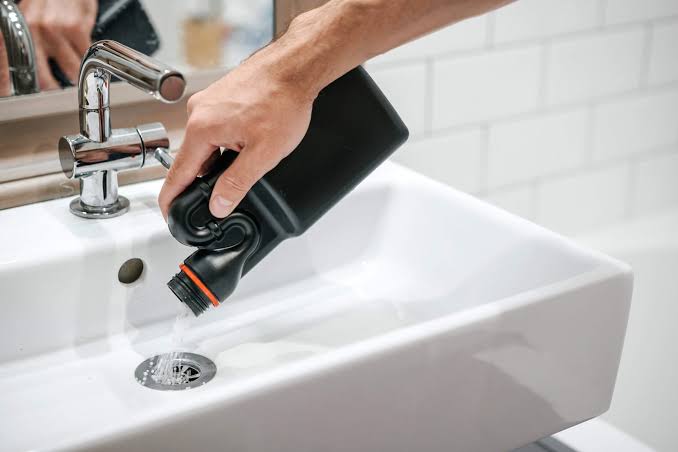
Should You Use Chemical Drain Cleaners in Sydney
The short answer is usually “no”. Start mechanical, not chemical.
In most Sydney homes, your safest first-line options are mechanical cleaning methods:
- Plunger for simple, local clogs.
- Drain snake (auger) / hand auger for hair and gunk close to the fixture.
- Hot water flush + better drain maintenance for ongoing buildup.
Why? Because chemical products often rely on caustic drain cleaner (alkali), acidic drain cleaner (acid), or oxidizing drain cleaner chemistry, meaning corrosive label risks, exothermic reaction heat, and higher odds of pipe corrosion, PVC pipe softening, and rubber seal degradation if misused.
If your drain is fully blocked and you’ve got standing water, adding chemicals can increase splash risk and make a later plumber visit harder (and more dangerous).
Below is a practical, Sydney-focused guide to help you decide what to do first, when chemicals might be acceptable, and when to stop and escalate.
What Actually Happens When You Use A Chemical Drain Cleaner?
Most drain openers work by making a blockage dissolve, react, or shift—sometimes by oxidise/irritate/corrode mechanisms, sometimes by heat.
- Caustic drain cleaner products commonly rely on sodium hydroxide (caustic soda) or potassium hydroxide. They can burn, saponify, and etch organic build-up.
- Acidic drain cleaner products can corrode, fume, and dissolve stubborn deposits (but can be harsh on fixtures and metals).
- Oxidizing drain cleaner products can oxidize, irritate, and react with organic material.
- Some products include aluminum granules that react, heat, and bubble, creating an exothermic reaction that can heat, boil, and splash.
That “works fast” feeling is exactly why they also demand caution.
Why Are Chemical Drain Cleaners Risky In Sydney Homes?
The biggest risks are safety, pipe compatibility, and what happens if the blockage isn’t where you think it is.
Personal injury risk (high):
- Strong products can cause caustic burns, they burn, erode, and blister skin/eyes quickly.
- If you need chemical burns first aid, the essentials are to rinse, remove contaminated clothing, and seek-care (and call for advice).
- Fumes can trigger inhalation irritation that irritate, cough, and worsen breathing.
Mixing risk (very high):
- Mixing chemicals is a hard “no”. You must avoid, prevent, and separate products.
- Sodium hypochlorite (bleach) mixed with acids can release chlorine gas, which can irritate and endanger airways.
- Ammonia and bleach combos can off-gas hazardous compounds.
Plumbing risk (often underestimated):
- Chemicals can accelerate pipe corrosion (pipes corrode, weaken, and leak).
- Heat and harsh chemistry may contribute to PVC pipe softening (soften, warp, fail) and rubber seal degradation (degrade, swell, leak).
- Older materials can suffer copper pipe pitting (pit, corrode, leak) and cast iron scaling (scale, restrict, clog).
And if the issue is deeper (a compromised sewer line, tree root intrusion, or poor pipe gradient), chemicals don’t fix the cause, they just add hazard.
What Should You Try Before Reaching For Caustic Or Acid Products?
If you want the lowest-drama approach, start with prevention and physical clearing.
Prevent it from forming again:
- Stop fats, oils and grease (FOG) from entering the drain (FOG can cool, harden, and clog).
- Keep food scraps out (they lodge, rot, and block) and avoid tipping coffee grounds (they settle, compact, and clog).
- Use a sink strainer (it catch, prevent, reduce solids) and maintain your shower grate (it can trap, collect, block).
Clear the clog mechanically:
- Use a plunger (it plunge, dislodge, clear) for localised clogs.
- Use a drain snake (auger) (it snake, hook, break) or hand auger (it insert, rotate, pull) for hair and gunk.
- Check the P-trap (it can trap, seal, block) and confirm the water seal still seal, block, prevent sewer gas that can vent, block, smell.
Use gentler maintenance when appropriate:
- A hot water flush can pour, soften, and rinse minor grease/soap residues.
- Baking soda + vinegar may fizz, loosen, and rinse small build-ups (not a miracle cure).
- An enzyme drain cleaner can digest, maintain, and reduce organic film over time.
If you see standing water that pool, stagnate, and smell, skip chemicals and move to tools or a tradie.
When Should You Call Sydney Water Or A Licensed Plumber?
Some warning signs mean “stop DIY”:
Call Sydney Water (or report) when:
- There’s a suspected wastewater overflow (it can overflow, contaminate, report) or a broader wastewater blockage that may block, back-up, and overflow across multiple fixtures.
- You’re concerned about stormwater drain contamination that can carry, discharge, pollute (especially if chemicals were misused).
Call a plumber when:
- The clog keeps returning (think tree root intrusion that can invade, crack, block).
- You need proper diagnosis via CCTV drain inspection (inspect, locate, diagnose) using a drain camera (view, identify, confirm).
- You need high-pressure water jetting (jet, scour, clear) or longer-term fixes like pipe relining (reline, seal, restore).
For compliance and safety in NSW, aim for a licensed plumber NSW, because licensing expectations can license, certify, and comply under NSW Fair Trading plumbing regulation which can regulate, require, and enforce standards. A good plumber will inspect, clear, and repair without turning your bathroom into a hazmat scene.
How Do You Handle Safety, First Aid, And Disposal In NSW?
If you decide to use any chemical product at all, treat it like a hazardous job.
Safety basics:
- Read the SDS (Safety Data Sheet): it should specify, warn, and instruct.
- Follow Safe Work Australia GHS principles that classify, label, and communicate hazards—watch for a corrosive label that will warn, indicate, and require-PPE.
- Use PPE: wear, protect, prevent injuries. At minimum, nitrile gloves (wear, resist, avoid-contact) and safety goggles (protect, shield, prevent). For higher splash risk, a face shield can shield, block, prevent.
- Maximise ventilation: ventilate, avoid-inhale, reduce fumes.
- Never attempt DIY neutralization (leave “neutralize, control, dispose” actions to professionals where relevant), and follow safe spill response to contain, rinse, and call.
First aid essentials:
- For eyes, use eye wash: flush, remove, seek-care.
- For skin, use skin rinse: rinse, remove-clothing, call.
- If there’s any exposure risk, contact the Poisons Information Centre (13 11 26): call, advise, triage.
Disposal in NSW:
- Treat leftovers as chemical waste that should classify, restrict, and manage properly.
- Prefer Community Recycling Centre options that drop-off, divert, and protect, or Household Chemical CleanOut events that dispose, collect, and protect.
- The simplest rule of thumb is: “Do not pour chemicals down drains”—avoid, collect, dispose—because it reduces stormwater pollution that can pollute, flow, and impact, and lowers environmental toxicity that can harm, pollute, and accumulate.
FAQs About Using Chemicals for Drain Cleaning
What is usually included in a drain cleaning quote, and what can cost extra?
A proper drain cleaning quote should clearly list what’s included, such as labour, standard equipment use, and basic cleanup. Extra costs can apply for things like after-hours work, emergency call-outs, travel time, specialised equipment hire, or disposal fees. Always ask what is not included so there are no surprises once work begins.
How can I identify hidden fees or upsells in a drain cleaning quote?
Be cautious of quotes that are unusually cheap or use vague wording like “starting from” or “standard service fee.” These often lead to extra charges later. Ask upfront about common add-ons such as emergency surcharges, overtime rates, travel fees, or equipment costs so you know the real price before agreeing.
How do I fairly compare multiple drain cleaning quotes?
Compare quotes only after confirming they cover the same scope of work. Check whether each one includes inspection, cleanup, warranties, and equipment use. Getting at least three detailed quotes helps you understand the typical price range and spot any quote that seems unrealistically low or inflated.
What should I confirm before accepting a drain cleaning quote?
Request a written quote after the plumber has inspected the issue. Confirm the timeline, warranty or guarantee, payment terms, and exactly what work is included. A detailed breakdown protects you from unexpected changes or extra charges later.
When is DIY drain cleaning acceptable, and when should I call a plumber?
Minor clogs caused by hair or soap buildup can sometimes be cleared with a plunger or hand snake. Ongoing blockages, multiple clogged drains, or deep obstructions usually require professional tools like drain cameras or hydro-jetting. Chemical cleaners can damage pipes and often provide only a temporary fix, so professional help is safer for recurring or serious issues.
Should a drain cleaning quote be itemised?
Yes. A trustworthy plumber provides an itemised quote showing labour, equipment, and any additional fees. Vague descriptions or flat fees without explanation can hide extra costs or reduced service quality. Ask for clarification on any unclear line items before proceeding.
Are travel and emergency call-out fees normally included?
Not always. Some plumbers charge a separate call-out or travel fee, especially if the job is outside standard hours or far from their service area. After-hours or weekend work often costs more. If these fees aren’t clearly stated, ask directly before booking.
Does a plumber’s licence and insurance affect pricing?
Licensed and insured plumbers often charge more because they meet regulatory standards and carry proper insurance. While cheaper, unlicensed options may seem appealing, they offer no protection if something goes wrong. Paying slightly more for a licensed professional helps protect your property and ensures compliant workmanship.
Can I negotiate a drain cleaning quote?
Yes. It’s reasonable to ask if the plumber can adjust the quote, offer bundled pricing, or suggest alternative options that reduce cost. Many reputable plumbers are open to discussion, especially if you’ve compared multiple quotes. Be clear about your budget and ask what flexibility exists.
Should I agree to the work immediately?
You should never feel pressured to sign or approve work on the spot. Always take time to review the written quote, check the details, and compare options if needed. Rushing is a red flag—reputable plumbers are happy to give you time to decide.