Pipe Relining Sydney – Dig-Free Solutions by Local Plumber
We provide a top-quality, cost-effective service using the latest tech which reduces costs 50% less than dig-and-replace. . Relining pipes prevents short-term disruptions and ensures long-term peace. Our certified pipe relining specialists are highly experts who can offer affordable services for pipe relining Sydney.

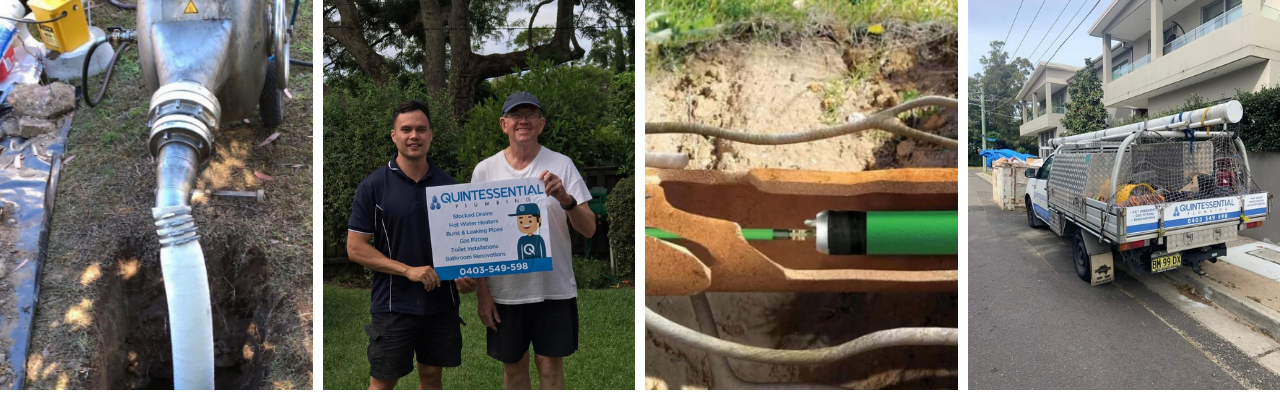
Pipe Relining Sydney – No Dig, No Mess, No Fuss
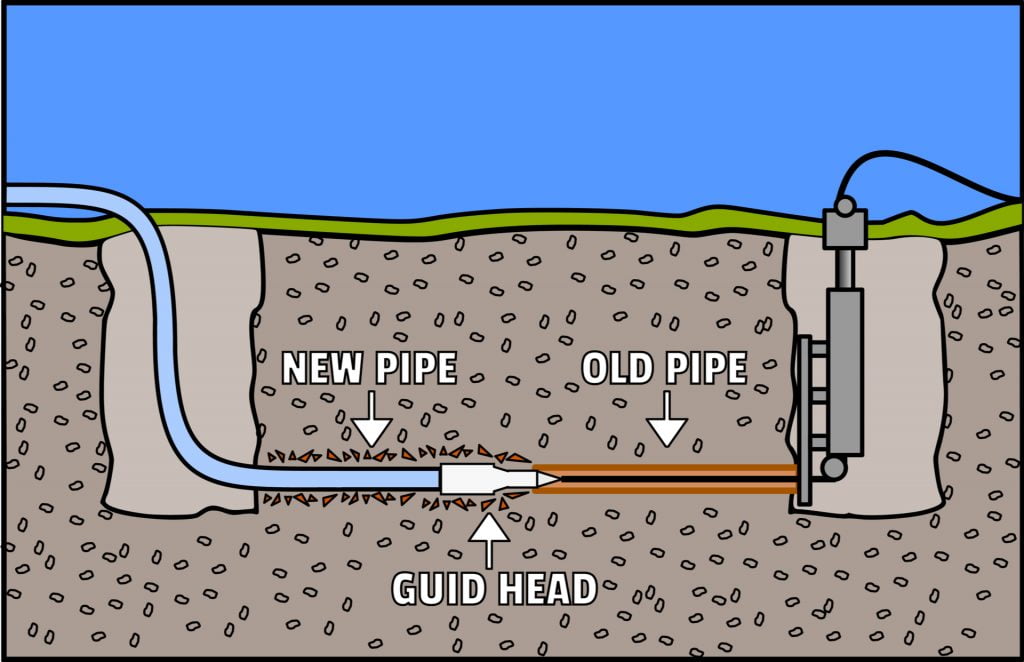
In many cases, digging up and replacing Sewer or Stormwater drains is obsolete. They may be under your house, veranda, street, paved areas, driveways, gardens, pools, ponds, trees, etc. Digging, demolishing, and replacing these items usually costs more than pipe relining. Not to mention the time and inconvenience of having your plumbing and yard disconnected. Our pipe relining services create a faster, stronger pipe within your existing pipeline.
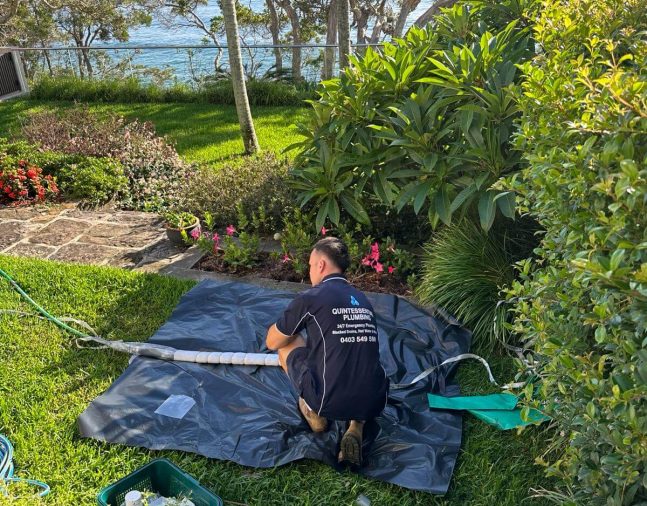
Cost-Effective and Accessible Pipe Relining Solutions in Sydney
When you choose our pipe relining Service from Quintessential Plumbing, you can get pipe repairs that are less intrusive. Broken sewer lines or clogged stormwater pipes are common reasons for pipe relining in your home. Our pipe relining solutions, often known as “trenchless pipe repairs,” can solve blocked drainage or damaged pipes at a fraction of the cost of standard pipe replacement procedures in your home.
Get Estimate from Kelvin!
Trusted Local Relining Plumber Near You in Sydney
Pipe relining Sydney is a trenchless pipe replacement method in which your broken or damaged pipes are lined with a special material. Our skilled plumbers near you in Sydney can repair subsurface pipelines without having to dig them up. Pipe relining Sydney is a quick, inventive, and cost-effective alternative to traditional pipe repair methods. Pipe relining services in Sydney are ideal for clearing sewer drain clogs, broken pipes, or clogged drains caused by tree roots and dislocated pipes. Relining is also the primary approach for repairing public sewer pipes.
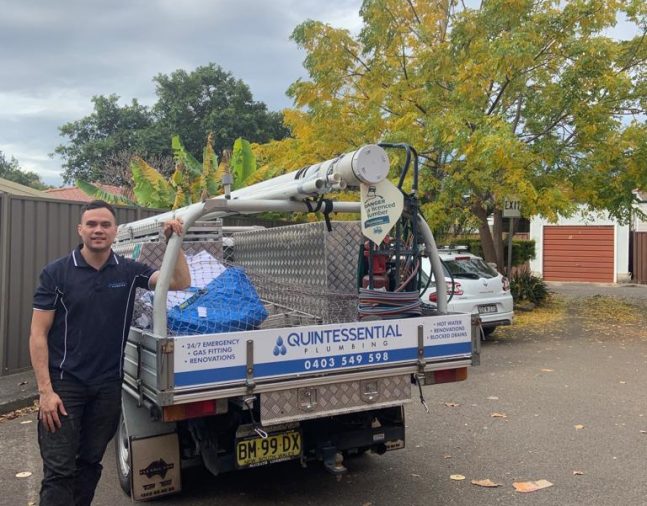
Trenchless Pipe Relining Expert Nearby Sydney
For many years, our company has been providing trenchless pipe relining technology to Sydney residents. Once we’ve performed our pipe relining repairs, your clogged sewer pipes will be as good as new ones! Our pipe relining professionals have the necessary knowledge and equipment to properly execute pipe relining and have your clogged sewage drains unclogged and running again in your home.
WHAT IS PIPE RELINING AND HOW DOES IT WORK IN SYDNEY?
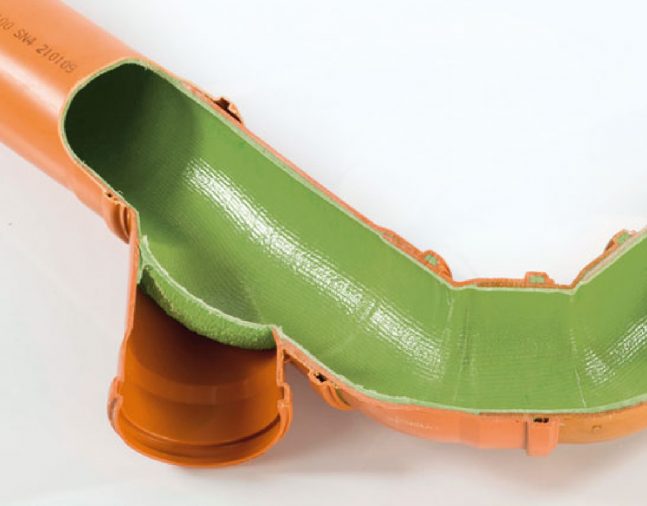
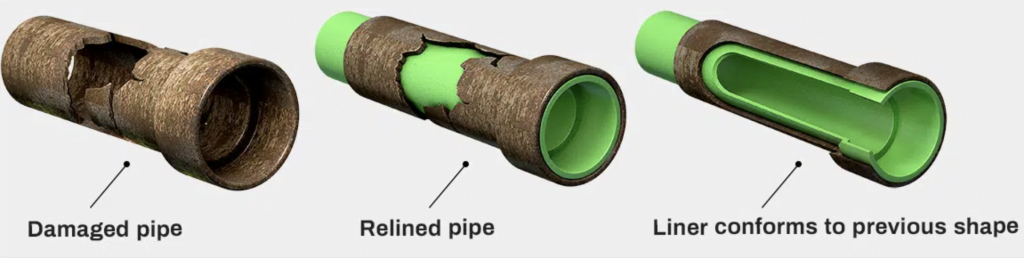
Pipe relining, unlike regular pipe replacement, uses a powerful resin to harden the inside of the pipelining. The tough glue is injected through a small incision and then set to coat the inside and repair the injury. This results in the formation of a new internal pipe. There is no need to dig up and rebuild the system because a tiny incision has been done.
Talk to Our Local Experts Plumber
WHAT ARE THE BENEFITS OF RELINING A PIPE IN SYDNEY?
Pipe relining, a “no-dig” technology and cost-effective alternative, has many advantages over traditional underground pipe excavation processes.
ENHANCES FLOW
Because the epoxy glue forms a smooth surface inside the pipe’s walls, pipe relining improves water flow. Because calcification deposits do not stick to epoxy surfaces, they do not create impediments or obstructions that diminish flow capacity, but rather increase it.
PREVENTS LEAKS
With the epoxy seal inside the pipe walls fitting perfectly into all the fractures and crevices to produce a sealed pipe, pipe relining also inhibits leaks. This means the pipe will be free of leaks and root invasions for a long time, and you won’t have to worry about replacing it.
EXTENSIVE DURABILITY
Pipe relining uses high-quality, resilient, and long-lasting materials, making it a viable alternative for repairing broken pipes. You may rest assured that your pipe will survive a long time after the relining treatment.
QUICK REPAIR TIME
Relining a pipe takes much less time than digging it up and putting in a new one. Instead of taking weeks, repairs can be done in a matter of hours or days, depending on how bad the damage is.
MINIMAL DAMAGE TO PROPERTY
Pipe relining does not require trenching, so your driveway, garden, and paths will be unaffected. There is minimal structural disturbance. No digging is needed due to the little incision. Neither your grass nor your landscaping will need to be restored to their original form. It takes half the time. The costs are much lower.
COST-EFFECTIVE
Nobody wants to spend a lot of money only to fix their pipes, which is where pipe relining comes in. You’ll be relieved to learn that it’s a fraction of the price of pipe replacement. This is because, with pipe relining, there is no use of expensive equipment for digging trenches and no additional cost of replacing damaged pipes with new ones.
Pipe Relining Process Our Plumber Follow
We use the most up-to-date processes as the top pipe relining Sydney company. We use cutting-edge technology to make the pipe relining procedure quick, simple, and cost-effective.
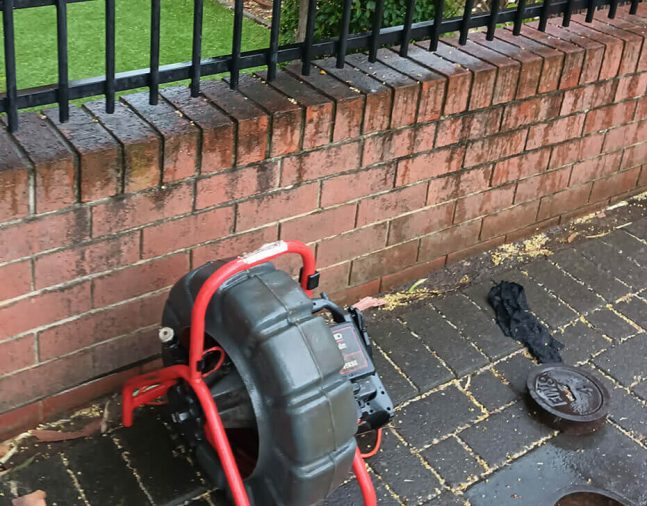
- Your plumbing is assessed first to see if pipe relining is a good fit for your needs. This is accomplished with the assistance of our high-definition CCTV cameras, which are fed through your pipeline.
- Next, we’ll use a high-pressure jet blaster to fully clear your clogged pipes. This is followed by another camera inspection.
- Planning is an important aspect of the job. All requirements are determined, including the length of the lining and the level of damage. The pipe will next be saturated with epoxy resin. All breaks and cracks in the line are covered by the resin. It is then inflated with a bladder to ensure that it has adhered to the existing pipe’s natural shape.
- The curing phase is the most time-consuming. The epoxy resin is activated with UV light after being cured with hot water.
- Before the final step, inspection pits are carved with cutters and surface grinders.
- We thoroughly inspect the pipe relining after it is completed to assure its success. It signifies that all of the resin has been applied to the region and dried. A leak detection system and camera work will be used to assess the effectiveness of the pipe relining solution.
Relining Is a Permanent Solution for Blocked Drains
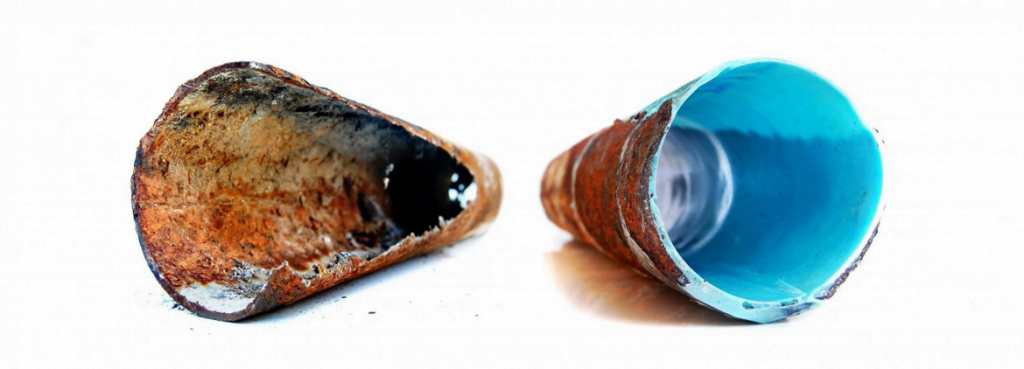
Your drainage pipes are usually cracked, broken, and full of tree roots, requiring pipe relining. Tree roots grow where pipes join. When we reline pipes with our revolutionary system, there are no joins for tree roots to enter, making it superior to outdated plumbing techniques. Plus, it’s stronger than earthenware and PVC.
Our pricing is upfront and fixed, so there’s no hidden pipe relining cost involved. You can make the best-informed decision for you and your home. We guarantee our lifetime warranty of workmanship, we are one of the pipe relining companies leading the way to more cost-effective solutions to pipe repairs in your Sydney home.
24/7 Emergency Pipe Relining Solutions Sydney
Call us now to book your appointment, our customer service representatives are on standby to take your call for emergency plumbing services and pipe relining solutions. We’ll be at your premises the soonest time possible.
DISCOUNTS FOR PIPE RELINING SYDNEY
Call Our Licensed, Skilled Plumbers Near YOu
25 YEAR GUARANTEE ON RELINED SECTIONS
Guaranteed installation
Quintessential Plumbing offers a 25-year warranty on stormwater, sewer, and drain repairs, double that of a standard dig. Our relining company offers a free annual warranty camera inspection on relined pipes.
Disruption minimal
Instead of digging, pipe relining is no-dig. Our service saves landscaping, trees, and driveways.
Economical
Economical pipe relining. Don’t waste time and energy restoring your property and landscaping.
Frequently Asked Questions About Pipe Relining Sydney
What Is Pipe Relining?
Pipe relining is a new and innovative plumbing technique. It’s used to fix clogged or damaged pipes.
Pipe Relining vs Pipe Replacement?
The decision between pipe relining and replacement often comes down to the condition of the existing pipes, budget, time constraints, and the impact of excavation on the surrounding area. Pipe relining is preferred for its non-invasive nature, cost-effectiveness, and speed, especially for pipes with minor to moderate damage. Pipe replacement, however, may be the only option for severely damaged pipes or when upgrading the pipe system is necessary. Consulting with our professional plumbers will help determine the best approach for your specific situation.
How Much Does Pipe Relining Cost in Sydney?
Your pipe relining cost will rely on a variety of factors, and depending on the application needed, prices might range from $500 to $1000 per meter.
Epoxy or silicate resins, seamless textile liners, and calibration tubing are among the pricy materials used for pipe relining. In Germany, where the products are made, the majority of the relining material is imported in large quantities from abroad, which occasionally contributes to price increases and stock levels.
In addition to the material cost, there is a setup fee that covers all necessary equipment, curing times, and personnel preparation. If you want to get your pipe aligned in Sydney, contact Quintessential Plumbing.
How Do You Reline a Pipe?
Pipe relining involves repairing pipes rather than replacing them. A professional plumber will reline a pipe by inserting a tailored liner into the drain and inflating it with compressed air. After a few hours, the epoxy glue will have moulded to the inner surface of the drain, making it look brand new!
What Size Pipe Can Be Relined?
Quintessential Plumbing Sydney uses relining technology to restore your plumbing because it is incredibly versatile and can be utilised in a variety of pipes, through any size drain or access point. We can work on it whether that means a typical kitchen or bathroom drain or a 48-inch or larger drain like those seen in municipal-type sewers and systems.
The Wilco Relining process is effective on pipes with diameters ranging from 40 to 250 mm and lengths of at least 50 meters. Customers should be aware that the diameter will reduce by 6mm when the relining material is fitted. But don’t panic; installing the liner has no adverse effect on the pipe’s capacity and might even improve the efficiency and smoothness of the water flow.
Is Pipe Relining Worth It?
Pipe relining offers numerous advantages and is a great way of pipe repair. Pipe relining may fix everything from cracks to tree root damage. It is less expensive than drainage excavation pipe repair and can usually be accomplished in one day.
Repairing damaged pipes in Sydney, especially those that are underground or in inconvenient places, is done by relining them. This creative technique provides a thorough repair without the need to drill into the ground and risk damaging the landscaping or cement.
Pipe maintenance is no longer linked with destructive excavation. While we get to work making your pipes flow perfectly, your curb appeal can stay intact.
To avoid the enormous costs of demolition and landscape repair, which can reach tens of thousands of dollars, pipe relining is a worthwhile investment. Your driveway will never again have the same aesthetic appeal if it is torn up for pipe repair or if it is old or has a particular colour tone.
What Areas Do You Provide Pipe Relining Service?
We Service All Of Sydney! Our dedicated team of highly experienced pipe relining plumbers will look after your property with the utmost care, ensuring your property is maintained to the highest standard at all times.
Why Choose Quintessential Plumbing for Pipe Relining?
Our work is guaranteed 100%, we know how good our expert plumbers are. Our experienced, licensed, and professional tradesmen are on call to assist you.
The top pipe relining resources in all of Sydney are provided by Quintessential Plumbing. We are skilled at working on all different kinds of buildings and in every single area. We consistently perform effective work thanks to our extensive experience and professional licensing. Additionally, we are incredibly easy to deal with and honest with our clients about the plan. In addition, we operate at reasonable rates and move quickly to finish the job as soon as feasible.
Contact us so that you may have peace of mind knowing that your pipes will be serviced by experts who adhere to the PCA. Not to mention, we provide professional Emergency Plumber services; contact us whenever you need help with your plumbing.
How Long Does Pipe Relining Last?
A pipe that has been relined is less prone to erode spontaneously over time. The adhesive used to secure it is strong and long-lasting. Most estimates place the lifespan of relined pipes at around 50 years!
But some factors can impact how long a pipe-lined sewer lasts. Among the forces that can harm the pipes once more are tree roots and earthquakes. The material is still another consideration. These days, there are four basic types of pipelines. Each variety has a different installation procedure and a different life expectancy in Sydney.
How Long Does Pipe Relining Take?
Pipe relining is much faster than pipe replacement. The time spent digging the soil, removing the old pipes, and replacing them before closing the soil is no longer required. A pipe can be mended in two hours, and with the many drying procedures presently available, it may be finished in under two hours.
Contacting us for an estimate is the only effective approach to determine how long the entire project might take. Trenchless pipe replacement should be put off until later on by taking precautionary steps and maintaining the current piping system. Even with routine maintenance, a replacement can eventually be required.
Our personnel has experience with and training in a wide range of trenchless sewer replacement methods.
Can I Use My Toilet During the Relining Process?
No. Residents will not be able to flush toilets or utilise water fixtures/appliances while the CIPP liner is being installed.
What Are the Benefits of Pipe Relining?
The significant advantages of relining pipes are the minimal disruption to the property, Roots that can’t get into the pipes because the stems leak, and the Increase in Flow Capacity with a Cost-Effective Pipe Repair Solution that is Reliable and Durable.
Why Is Pipe Relining So Expensive?
It is expensive because it takes a lot of labor. Drain relining is an excellent, dig-free alternative to completely replacing broken pipes. It is not an option to let water and sewage spill under your property from leaking or collapsed pipes. Rising dampness is just one of the many damages that might result from this issue. Additionally, it can cause sickness and attract bugs. , supplies, expertise, and equipment to finish the work.
Drain relining is actually a fairly affordable solution to a significant issue. Digging up your drainage system could cause significant interruption and cost in your Sydney home. Your drainage system’s damage from broken and leaky pipes could be extremely expensive to repair.
What to Know Before Relining Your Pipe?
Amazing pipe relining technology can reinforce your home’s existing pipes. The technique is more cost-effective and offers far more benefits than simply replacing all of the underground lines. Any main piping system, including sewer pipes, subterranean pipes, and other main piping systems, can be repaired using this technique. With years of experience and industry certification, Quintessential Plumbing Sydney provides Sydney’s best pipe relining services.
A more recent procedure involves pipe relining, which entails lining the internal walls of the existing pipes. A special tube that expands to the inside walls is put into the pipes to finish this. As the relining material dries and hardens, the damaged pipe’s lifespan is extended by the fresh surface.
Is Pipe Relining Environmentally Safe?
Want Your Plumbing Problems Fixed Now? Contact Us
Efficient Blocked Toilet Repairs in Sydney
For expert blocked drain solutions in Sydney, rely on our skilled team. We offer fast, efficient services to clear any blockage, ensuring your plumbing runs smoothly. Trust our professionals for reliable, top-quality results.
Result-Oriented Pipe Relining Professionals Sydney – What Our Customers Say About Us
Dependable Plumbing Solutions in Sydney
For reliable plumbing solutions in Sydney, trust our experienced team. We deliver prompt, professional service to meet all your plumbing needs, ensuring your home systems run smoothly and efficiently.
24/7 Urgent Plumbing Services in Sydney
Available 24/7, our emergency plumbing services handle urgent issues such as burst pipes, major leaks, blocked drains, overflowing toilets, and water heater failures. With our expert emergency plumbers in Sydney, any plumbing emergency is addressed swiftly and efficiently, ensuring your home stays safe and fully functional.
Expert Hot Water Heater Repairs in Sydney
Providing reliable and efficient hot water systems, our hot water plumbing services cover everything from new system installations to repairs and ongoing maintenance. Trust our experienced team to ensure your hot water supply remains consistent and dependable.
Reliable Leak Detection and Repair
Covering a broad spectrum of needs, our plumbing repair and maintenance services include shower repairs, water meter fixes, leaking tap repairs, and toilet repairs in Sydney. Trust our expert team to handle all your plumbing issues swiftly and professionally. We ensure your home’s plumbing systems are in optimal condition, providing reliable service and peace of mind.
Sydney’s Blocked Drain Specialists
For prompt and efficient solutions, our blocked drain plumbing services swiftly clear any blockages. With advanced tools and a skilled team, we ensure your drains remain clear and fully functional. Whether it’s a blocked sewer drain, an overflowing drain, or a blocked downpipe, we’ve got you covered. We also manage smelly drains, stormwater drainage, and tree root removal. Our services include CCTV pipe inspections, pipe relining, and jet blaster plumbing in Sydney.
Stormwater and Sewer Drainage Services
From routine maintenance to emergency drain repairs, our drainage and sewer plumbing services keep your drainage systems and sewer lines operating efficiently. Our professional team is committed to preventing potential issues, ensuring the safety and cleanliness of your home.
Reliable General Plumbing Solutions
Our extensive general plumbing services cater to various needs, including bidet installations and repairs, dishwasher setups, kitchen sink installations, and washing machine installations. Our skilled team ensures all your plumbing needs are managed efficiently and professionally, maintaining the smooth operation of your home’s systems.
Areas We Serve in Sydney, NSW
- Plumber Balmain
- Plumber Balmain East
- Plumber Banksia
- Plumber Banksmeadow
- Plumber Bankstown, NSW
- Plumber Barangaroo
- Plumber Barden Ridge
- Plumber Bardwell Park
- Plumber Bardwell Valley
- Plumber Beacon Hill
- Plumber Beaconsfield
- Plumber Beecroft
- Plumber Belfield
- Plumber Bellevue Hill
- Plumber Belmore
- Plumber Belrose
- Plumber Beverly Park
- Plumber Beverly Hills
- Plumber Bexley
- Plumber Bexley North
- Plumber Birchgrove
- Plumber Blakehurst
- Plumber Bondi
- Plumber Bondi Beach
- Plumber Bondi Junction
- Plumber Bonnet Bay
- Plumber Bonnyrigg
- Plumber Bonnyrigg Heights
- Plumber Bossley Park
- Plumber Botany
- Plumber Breakfast Point
- Plumber Brighton-le-Sands
- Plumber Bronte
- Plumber Burwood, NSW
- Plumber Burwood Heights
- Plumber Cabarita
- Plumber Cabramatta
- Plumber Camden
- Plumber Camperdown, NSW
- Plumber Campsie
- Plumber Canada Bay
- Plumber Canley Heights
- Plumber Canley Vale
- Plumber Canterbury NSW
- Plumber Caringbah
- Plumber Caringbah South
- Plumber Carlton
- Plumber Carss Park
- Plumber Centennial Park
- Plumber Chatswood West
- Plumber Chippendale
- Plumber Chipping Norton
- Plumber Chiswick
- Plumber Chullora
- Plumber Clemton Park
- Plumber Clovelly
- Plumber Como
- Plumber Concord
- Plumber Concord West
- Plumber Coogee
- Plumber Cremorne
- Plumber Cremorne Point
- Plumber Cronulla
- Plumber Crows Nest
- Plumber Croydon
- Emergency Plumber Chatswood, NSW
- Plumber Earlwood
- Plumber Eastgardens
- Plumber Eastlakes
- Plumber Eastern Suburbs
- Plumber Edgecliff
- Plumber Edmondson Park
- Plumber Elizabeth Bay
- Plumber Enfield
- Plumber Engadine, NSW
- Plumber Enmore, NSW
- Plumber Ermington
- Plumber Erskineville
- Emergency Plumber In Newtown, NSW
- Emergency Plumber Redfern NSW
- Plumber Paddington Sydney
- Plumber Padstow
- Plumber Padstow Heights
- Plumber Panania, NSW
- Plumber Peakhurst
- Plumber Peakhurst Heights
- Plumber Penshurst
- Plumber Petersham
- Plumber Picnic Point
- Plumber Port Botany
- Plumber Potts Hill
- Plumber Potts Point
- Plumber Prairiewood
- Plumber Prestons
- Plumber Punchbowl
- Plumber Pyrmont
- Plumber Sandringham
- Plumber Sans Souci
- Plumber Sefton
- Plumber South Coogee
- Plumber South East Sydney
- Plumber South Hurstville
- Plumber South West Sydney
- Plumber St George
- Plumber St Johns Park
- Plumber St Leonards
- Plumber St Peters
- Plumber Stanmore
- Plumber Strathfield
- Plumber Strathfield South
- Plumber Summer Hill
- Plumber Surry Hills
- Plumber Sutherland
- Plumber Sutherland Shire
- Plumber Sydenham
- Plumber Sydney CBD
- Plumber Sylvania
- Plumber Sylvania Waters