Emergency Plumber Sydney – 24/7 Urgent Plumbing Response
Need a Local Sydney Plumber with a 30-Minute Response Time? You’re in luck! We specialise in after-hours emergency plumbing and guarantee fast service right near you.

emergency plumber Sydney
Got a plumbing emergency?
0403 549 598
Sydney’s Trusted Emergency Plumbing Specialists
When a plumbing emergency strikes, every second matters. From flooded bathrooms and burst pipes to overflowing drains, plumbing disasters can cause serious damage to your Sydney home or business. That’s why you need a local emergency plumber who can respond fast and get the job done right.
At Quintessential Plumbing, we are your go-to emergency plumber in Sydney, offering 24/7 emergency services when you need them the most. Avoid the hassle of call centres and long wait times—when you contact us, you’ll speak directly to a qualified local plumber who understands Sydney’s unique plumbing needs.
We take the time to understand your situation, answer your questions, and provide immediate guidance. Our team can even assist you over the phone, offering temporary solutions or step-by-step instructions to manage the situation until we arrive.
With licensed and insured plumbers ready to respond across Sydney, we are equipped to handle any plumbing emergency. Our vehicles are fully stocked with the necessary tools to resolve your issue quickly and efficiently. We understand the urgency of these situations, which is why we guarantee rapid response times, delivering the best solutions to restore your plumbing system.
Whether it’s a burst pipe, blocked drain, or gas leak, Quintessential Plumbing is more than just a quick fix—we’re your trusted partner for all current and future plumbing needs across Sydney.

How Much Does an Emergency Plumber Cost in Sydney?
When faced with a plumbing emergency, it’s essential to find a trusted local plumber with transparent pricing. At Quintessential Plumbing, we believe in offering upfront, fair pricing to ensure you’re not hit with hidden fees or unexpected charges, especially during a stressful situation.
Our emergency plumbing services in Sydney are available for a flat fee ranging between $250-$350 + GST. This all-inclusive price covers after-hours callouts, so no matter the time—whether midday or midnight—you’ll always pay the same fair rate. You can count on us for prompt service and no surprises when we arrive at your property.
To book your 24-hour plumber in Sydney, we make it simple and secure. Payment can be made upfront via credit card through our secure system. Once your payment is confirmed, you’ll receive a receipt, and our team will be dispatched immediately to resolve your plumbing emergency.

Emergency Plumbing Expert Sydney
Our team of highly skilled and experienced plumbers at Quintessential Plumbing Sydney is always prepared to deliver fast, efficient, and reliable solutions. We understand the critical nature of unexpected plumbing issues and are fully equipped to address any emergency, no matter how complex or urgent.
- Blocked Drains & Toilets: Immediate clearance of blocked drains and toilets to prevent overflow and water damage, using advanced methods to restore normal function swiftly.
- Burst Pipes: Rapid response to burst pipes to minimise water damage, including emergency repairs or replacements to restore your plumbing system quickly.
- Roof Leaks & Repairs: Urgent repair of roof leaks to protect your property from water damage, especially during heavy rainfall or storm events.
- Gas & Water Leaks: Emergency detection and repair of gas and water leaks to ensure your safety, with precise solutions to stop leaks at the source.
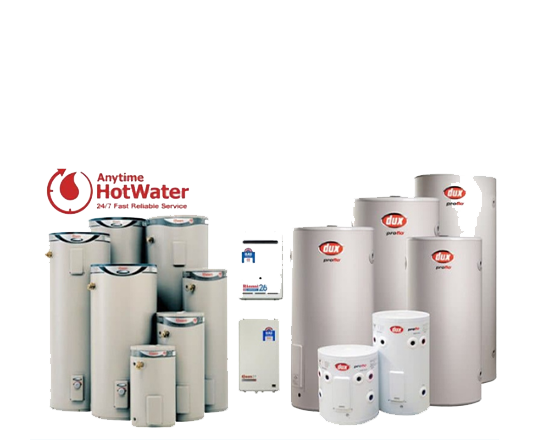
- Hot Water System Repairs: Fast repairs to restore hot water supply, ensuring you’re not left without essential hot water, particularly in urgent situations.
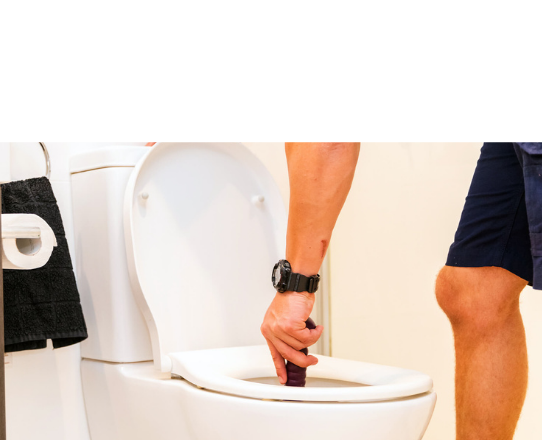
- Toilet Repairs: Quick repairs for malfunctioning or leaking toilets to prevent further damage and restore full functionality.

Get Free Estimate from Kevin!
Sydney Residential Emergency Plumbing – We Are On Call 24/7
In a home plumbing emergency, you can count on Quintessential Plumbing to handle the situation. We have been taking care of plumbing emergencies for our customers for over 20 years. Our comprehensive plumbing experience ensures that we know how to diagnose a problem quickly. Our 24-hour emergency plumbers have the experience to take care of your problem right away. We will not make you wait for hours on end for an emergency plumber in Sydney. We guarantee that we will have Our plumber at your home or business within 30 minutes!
Urgent Commercial Plumbing Repairs in Sydney
We understand that in an emergency your business or commercial space may become damaged and you require rapid response urgently. It is not possible to ignore such problems at a business place, and in some cases, your business operations may be interrupted or even fail in those circumstances. At Quintessential Plumbing we conduct emergency call-outs every day of the week, we understand the stress caused by plumbing emergencies. Our comprehensive experience and expert team will guarantee that we take care of your problem right away and be at your business within 60 minutes!

DISCOUNTS
Fastest Response Times for Plumbing Emergencies in Sydney
Plumbing emergencies can happen at any time, and we understand the importance of getting help quickly. At Quintessential Plumbing, we’ve streamlined our processes to ensure we provide the fastest emergency response in Sydney. Our goal is to reach your location within 30 minutes of your call. Here’s how we make it happen:
- Experienced Local Plumbers – Our skilled team is always ready to respond to any plumbing emergency, 24/7. No matter the time or day, we ensure a plumber is available and on their way.
- Advanced Dispatch System – Our cutting-edge dispatch system ensures we instantly connect you with the nearest available plumber, guaranteeing the fastest arrival at your Sydney property.
- Fully Stocked Vans – Our vans are equipped with all the necessary tools and materials to handle any emergency on the spot, ensuring we can fix most issues without delay.
What Is Considered a Plumbing Emergency in Sydney?
A plumbing emergency is any issue that poses an immediate risk to your property, health, or safety. This can range from overflowing toilets and gas leaks to major sewer blockages. These situations can be highly stressful for both homeowners and business owners in Sydney.
At Quintessential Plumbing, we understand the urgency of these emergencies. Our experienced team of emergency plumbers in Sydney is equipped to handle all types of urgent plumbing issues, providing fast and effective solutions to restore your peace of mind. We don’t just fix the problem—we take the time to explain the cause, propose a clear solution, and provide upfront pricing for complete transparency.
24-Hour Plumbers Sydney Has Trusted for Over 20 Years
For over two decades, Quintessential Plumbing has been the go-to emergency plumber in Sydney. Our commitment to delivering reliable, 24-hour plumbing services has earned the trust of countless Sydney residents. In fact, 65% of our business comes from referrals and repeat customers, highlighting our dedication to customer satisfaction.
We offer a full range of plumbing services, including repairs, installations, replacements, and maintenance for both residential and commercial properties. We understand how disruptive plumbing emergencies can be, which is why we work swiftly to minimise downtime and restore your property to normal as quickly as possible.

Available 24/7 for Your Plumbing Emergencies
At Quintessential Plumbing, we pride ourselves on offering hands-on, personalised customer service. Our team is available 24/7 to take your call, ensuring that whenever a plumbing emergency arises, you can rely on fast, professional support. You may even speak directly with one of our owners, Summar or Kelvin, who have built a dedicated team of expert Sydney plumbers.
We guarantee no frustrating hold times or automated responses—your call will be answered quickly, and we’ll address your concerns with care. After listening to your situation, we’ll dispatch the nearest plumber to resolve the issue promptly. For added convenience, you can also reach us via our website’s live chat. No matter how you contact us, expect a seamless and supportive experience.
Emergency Gas Repairs in Sydney
Gas leaks are extremely dangerous, posing risks of fire, explosions, and carbon monoxide poisoning. If you suspect a gas leak, it’s crucial to act fast and prioritise safety. At Quintessential Plumbing, we specialise in emergency gas repairs across Sydney, ensuring your home or business remains safe.
Here are the essential steps to take in a gas leak emergency:
- Evacuate the area – If you smell gas or hear a hissing sound, leave the premises immediately and move to a safe distance.
- Call for help – Dial 000 for emergency services. Do not attempt to fix a gas leak on your own. Always contact a professional.
- Turn off the gas (if safe) – If you can safely reach the gas meter, turn off the gas supply. The meter is often located in the basement or outside your home in a utility area.
- Avoid electrical devices – Don’t use any electrical appliances or switches, as they can cause sparks that might ignite the gas.
- Ventilate the area – Open windows and doors to let fresh air circulate and disperse any gas buildup.
- Call a licensed gas plumber – Once you’re in a safe location, contact Quintessential Plumbing. Our experienced team will respond quickly to fix the gas leak and ensure your safety.
What Our Customers Say About Our Emergency Plumbing Service in Sydney
Why Choose Us for Urgent Plumbing Repairs in Sydney?
When it comes to emergency plumbing in Sydney, choosing the right team makes all the difference. At Quintessential Plumbing Sydney, we combine experience, reliability, and a commitment to customer satisfaction. Our fully licensed Emergency Plumber Sydney are available 24/7, ensuring fast response times and high-quality service when you need it most. Whether it’s an urgent repair or a routine fix, we offer a same-day plumbing service in Sydney to keep your home or business safe and functional. Trust us to deliver expert solutions with a personal touch.
Our Process for Immediate Plumbing Services in Sydney
At Quintessential Plumbing Sydney, we understand that plumbing emergencies require swift and efficient action. Our process is designed to deliver immediate solutions, ensuring minimal disruption to your home or business.
- Initial Contact: The moment you call us, our friendly team of Emergency Plumber Sydney will gather essential details about your plumbing issue and provide immediate advice on any steps you can take to mitigate damage.
- Rapid Dispatch: We quickly dispatch a qualified plumber to your location. With our same-day plumbing service in Sydney, you can count on us to arrive promptly, fully equipped to handle the emergency.
- On-Site Assessment: Upon arrival, our plumber will conduct a thorough assessment of the situation to identify the root cause of the problem. We prioritise transparency, keeping you informed throughout the process.
- Immediate Action: Once the issue is diagnosed, we’ll proceed with the necessary repairs or interventions. Our goal is to restore your plumbing system to full functionality as quickly as possible, using high-quality materials and industry-best practices.
- Post-Service Support: After the emergency is resolved, we offer advice on preventative measures to avoid future issues. We also provide follow-up support if needed, ensuring your peace of mind long after the job is done.
Our process is built on reliability, expertise, and a commitment to providing immediate plumbing services in Sydney that you can trust. When emergencies arise, trust Quintessential Plumbing Sydney to deliver the prompt, professional service you need.

After-Hours Emergency Plumbing Services
At Quintessential Plumbing, we understand the stress tenants feel when dealing with plumbing emergencies outside of regular business hours. While we’re always available to assist, your first step should be to contact your property manager or the building’s designated plumber. If they’re unavailable or the issue requires immediate attention, we’re here to help.
Please be aware that we require a security deposit for after-hours emergency plumbing services. Also, keep in mind that landlords are only legally required to reimburse up to $1,000 for emergency repairs, so avoid paying more than that.
To maximise your chances of reimbursement, here are some helpful tips:
- Take photos or videos of the issue and show it wasn’t caused by your negligence.
- Keep a record of all attempts to contact your landlord or property manager.
- Give your landlord or agent enough time to address the issue before calling an emergency plumber.
- Ensure the repair is carried out by a licensed professional.
If you need 24-hour plumbers in Sydney, Quintessential Plumbing is your trusted choice. We offer fast, reliable service and exceptional customer care, backed by a 4.9-star rating from over 1,000 satisfied clients. Don’t hesitate to contact us—we’re ready to respond immediately.

Want Your Plumbing Problems Fixed Now? Contact Us
Frequently Asked Questions About Emergency Plumbing in Sydney
Get quick answers to common questions about our emergency plumbing services in Sydney. From response times to costs, we’ve covered the essentials to ensure you’re informed and prepared when a plumbing emergency strikes.
Can Tenants Request Emergency Plumbing Services?
For emergency plumbing issues, tenants should first report the problem to their landlord or property manager. It’s important to remember that if the issue is caused by tenant negligence, the tenant may be responsible for the cost of repairs.
Repairs are typically arranged between 9 am and 5 pm, Monday to Friday, unless urgent action is required. If access to the property is needed and a time cannot be agreed upon, the tenant must ensure key access is provided.
If a plumber is called out due to damage caused by tenant negligence or intentional harm, the tenant will be responsible for covering both the repair costs and any service fees. This also applies if the tenant fails to attend a scheduled contractor inspection. Payment for repairs and related costs is expected within 7 days of invoicing.
In case of an emergency plumbing issue, tenants can always rely on Quintessential Plumbing, your trusted Sydney emergency plumbers. We are available 24/7 to assist the local community and ensure any plumbing problem is resolved quickly.
For more information, or if you’d prefer to meet in person, feel free to visit our head office at 63-69 Bonar street, Arncliffe, NSW, 2205, or contact us directly at 02 9002 7385. You can also find additional information for landlords and tenants on our website.
Do Plumbers Work During the Night?
In a true 24/7 emergency, you need assurance that when you call for help, a qualified local plumber will respond quickly. At Quintessential Plumbing, our Sydney-based emergency plumbers are licensed and fully equipped to provide high-quality solutions, no matter the time of day or night. With our expertise and tools on hand, we are prepared to handle any plumbing disaster that may arise.
We also guarantee a 30-minute response time for emergency calls. Our 24-hour emergency plumber service is available day and night, always ready to assist you. We understand that response times are critical when dealing with plumbing emergencies, and our Sydney plumbers are trained to act fast. If you encounter an issue, call us immediately, and we’ll even assist over the phone if possible.
For any overnight plumbing emergency, don’t hesitate to contact your trusted local Sydney plumbers. We are dedicated to serving the community and providing quick, reliable service whenever you need us.
What Qualifies as a Plumbing Emergency?
Wondering what’s considered a plumbing emergency? One quick way to find out is by calling our team. We can help assess over the phone whether your plumbing issue requires immediate attention. Below is a list of common emergency plumbing issues that typically need urgent support:
- Blocked or running toilet
- Blocked drain
- Slow draining sink
- Leaking pipes
- Clogged shower or bath drains
- Dripping faucets
- Blocked stormwater drain
- Clogged garbage disposal
- Faulty water heater
- Sewer system backup
- Low water pressure
If you’re dealing with any of these issues, don’t wait—give our team a call now for fast, reliable service!
How Quickly Can You Arrive for a Plumbing Emergency?
At Quintessential Plumbing, our emergency plumbers guarantee a 30-minute response time across Sydney’s Eastern Suburbs. Being locally based with eight fully equipped trucks on the road, we always have a plumber nearby, ready to assist you.
While many Sydney plumbers cover citywide plumbing emergencies, we specialise in serving the Eastern Suburbs. This allows us to provide faster, superior service, with 24-hour plumbing available as standard for all our clients.
When selecting an emergency plumber in Sydney, it’s important to choose a reputable company that offers clear, upfront pricing—especially for after-hours callouts. Whether you’re dealing with a burst pipe, a blocked drain, or a gas leak, we provide quick, professional solutions for all your plumbing needs. The last thing you want is to be stuck waiting hours for a tradesman when you’re knee-deep in water!
If you find yourself in a plumbing emergency, don’t hesitate to call Quintessential Plumbing. We are your trusted local Sydney emergency plumbers, ready to assist the community around the clock.
What Steps Should I Take Before the Plumber Gets Here?
During a plumbing emergency, it’s easy to feel overwhelmed. However, taking a few minutes to prepare before your emergency plumber arrives can make all the difference.
Routine plumbers are available during business hours, typically from 7 am to 5 pm, Monday to Friday. However, emergency plumbers like Quintessential Plumbing are on call 24/7, ready to handle issues any time, including weekends and public holidays. Both types of plumbers are equipped to handle a range of plumbing tasks, but in an emergency, it’s crucial to have someone who can respond immediately.
While waiting for the plumber, ensure your safety by turning off the water supply if possible, and try to clear the area around the problem to give the plumber easy access. Reliable plumbers will arrive as soon as possible, but be prepared for the unexpected, as plumbing emergencies can be unpredictable.
For fast and professional service, you can always count on Quintessential Plumbing—your trusted Sydney emergency plumber.
Can I Ask For a Specific Plumber to Attend?
If your emergency involves a specific issue, such as a burst flexi pipe, you may want a plumber with specialised expertise. At Quintessential Plumbing, we can match you with the best-suited plumber for the job. Simply ask the representative you’re speaking with to explain why a specific plumber is the right choice for your situation. We can provide details about their qualifications and ensure they can attend as soon as possible while honouring the payment terms discussed.
If you’re in need of a trusted emergency plumber in Sydney, don’t hesitate to contact our team. We are ready to provide fast, reliable service 24/7.
Are You Available for Emergency Callouts?
Looking for a local plumber with a 30-minute response time? At Quintessential Plumbing, we specialise in after-hours emergency plumbing across Sydney’s Eastern Suburbs. With over 20 years of experience, we are trusted experts within the community.
We assess your plumbing emergency over the phone, offering tips on how to turn off the water, clean up, or contain the damage until we arrive. You’ll be speaking with a real person, not an automated system.
Using our advanced scheduling software, we ensure our plumbers arrive on time and ready to help. Dressed in uniform and driving one of our fully equipped vans, our team members will introduce themselves and handle your plumbing issue with professionalism and courtesy.
Our plumbers always take care of your home by removing or covering their work boots before stepping inside. We’ll assess the problem, provide a clear breakdown of costs before any work begins, and answer any questions you may have.
If you need a reliable, 24/7 emergency plumber in Sydney, don’t hesitate to contact Quintessential Plumbing. We’re ready to assist the local community whenever you need us.
What Should I Do During a Plumbing Emergency?
In a genuine 24/7 plumbing emergency, you need immediate assistance from a licensed local plumber who can handle the situation quickly and effectively. At Quintessential Plumbing, our team is based within the Arncliffe NSW 2205 and is fully equipped to provide high-quality solutions to any plumbing disaster that may occur.
It’s important to remain attentive during a plumbing emergency. Choose a trusted and reputable Sydney emergency plumber. By following our tips, you can ensure that you receive excellent service from a qualified professional who will fix the problem without overcharging or cutting corners.
When faced with an emergency, don’t hesitate to contact Quintessential Plumbing. We’re available 24/7 to serve the local Sydney community with fast, reliable plumbing services.
Are You Open on Weekends and Public Holidays?
If you’re experiencing a genuine plumbing emergency, don’t hesitate to call Quintessential Plumbing, your trusted local plumber in Sydney. We specialise in 24-hour emergency plumbing services and are available every day, including weekends and public holidays. When you contact us, you’ll speak to a real plumber, not a call centre, ensuring urgent and attentive service when you need it most.
We guarantee 30-minute response times from the moment you call. Our reliable emergency plumber service is available around the clock, even during weekends and holidays. We understand how critical response times are, which is why we prioritise getting to your property as quickly as possible. If needed, we can even provide advice over the phone while our team is on the way.
For fast, dependable plumbing services during weekends and public holidays, contact Quintessential Plumbing. We are ready to serve the local community with expert emergency plumbing solutions.
What Are Your Emergency Plumbing Rates?
For all emergency plumbing services in Sydney, we charge a flat fee ranging between $250 – $350 + GST. This covers after-hours callouts and the basic costs to ensure your property is safe, as this is always our top priority. Once we arrive, there are no additional charges for after-hours services.
Whether it’s midday or midnight, our rates remain consistent—just as if the work were being done during regular business hours. We believe in transparent pricing with no hidden fees.
For fast and affordable emergency plumbing, contact Quintessential Plumbing. We are your trusted local plumber in Sydney, ready to help in any urgent situation.
Are You Qualified to Manage All Types of Plumbing Emergencies?
With over 20 years of experience serving Sydney, there hasn’t been an emergency plumbing issue we couldn’t resolve. Whether it’s a burst pipe, gas leak, or blocked drain, our team has seen and handled it all. Unlike some plumbers who rush out without proper advice, we first assist you in turning off your nearest isolation tap—this can save you thousands in potential damage and unnecessary after-hours fees.
A frequent emergency call-out we handle is blocked drains, often caused by hair or more dramatic issues like a stormwater surge that causes overflowing pits and roof leaks. If you’ve noticed slow drainage, 9 times out of 10, it could be a simple blockage you can resolve yourself by checking the waste connection.
Our local Sydney plumbers offer a competitive advantage with 30-minute response times and $0 call-out fees. With a strong reputation built over 20 years, we’re the emergency plumbers Sydney residents trust. Why call a random service when you can rely on a local expert?
For any emergency plumbing situation, don’t hesitate to reach out to Quintessential Plumbing. We’re ready to provide fast, reliable assistance 24/7.
How Fast Do You Respond to Emergency Plumbing Situations?
Sydney plumbing emergencies often happen at the most inconvenient times—late at night, early in the morning, or during weekends and public holidays. Some plumbers may take advantage of the situation by offering rates that seem too good to be true, only to increase prices once they arrive.
At Quintessential Plumbing, we offer 30-minute response times as standard across Sydney’s Eastern Suburbs. We have eight fully equipped trucks on the road at all times, ensuring a local plumber is always nearby and ready to respond. With us, you’ll never have to worry about inflated prices or hidden fees.
For fast and reliable service during a plumbing emergency, don’t hesitate to contact Quintessential Plumbing. We are available 24/7 to assist the local community with trusted, professional plumbing solutions.
Trusted General Plumbing Repairs Sydney
When it comes to general plumbing repairs in Sydney, you need a team you can rely on. At Quintessential Plumbing Sydney, our experienced plumbers provide fast, effective solutions for all your plumbing needs. Whether it’s a minor fix or a major repair, trust us to get the job done right, with the quality and care you deserve.
Trusted Team for All Plumbing Solutions in Sydney
Count on our skilled team for all your plumbing needs in Sydney. We deliver reliable, comprehensive solutions to keep your home’s plumbing running smoothly.
Sydney Emergency Plumbing – 24/7 Service
Available around the clock, our emergency plumbing services tackle critical issues such as burst pipes, significant leaks, blocked drains, overflowing toilets, and water heater failures. With our expert emergency plumbers in Sydney, every urgent plumbing issue is resolved swiftly and effectively, ensuring your home remains secure and fully functional.
Sydney Hot Water System Upgrades
Offering reliable and efficient hot water systems, our hot water plumbing services include everything from new system installations to repairs and ongoing maintenance. Trust our expert team to ensure your hot water supply remains consistent and reliable.
Dependable Leak Detection and Repair Services
Addressing a wide array of needs, our plumbing repair and maintenance services cover everything from shower repairs and water meter fixes to leaking tap repairs and toilet repairs in Sydney. Count on our skilled team to resolve all your plumbing concerns efficiently and professionally. We keep your home’s plumbing systems in prime condition, delivering dependable service every time.
Sydney’s Go-To Blocked Drain Experts
For prompt and reliable solutions, our blocked drain services can remove blockages efficiently. Leveraging advanced technology and a skilled team, we keep your drains clear and fully operational. From blocked sewer drains to overflowing drains or downpipes, we’ve got every issue covered. We also address smelly drains, stormwater drainage, and tree root intrusions. Our offerings include CCTV inspections, pipe relining, and jet blasting services in Sydney.
Stormwater and Sewer Solutions
Whether it’s regular upkeep or urgent drain repairs, our drainage and sewer services ensure your drainage systems and sewer lines remain in top condition. Our dedicated team focuses on preventing issues, safeguarding your home’s cleanliness and safety.
General Plumbing Services by Professionals in Sydney
Our all-inclusive general plumbing services cover everything from bidet installations and repairs to dishwasher setups, kitchen sink installations, and washing machine installations. Our experienced team handles all your plumbing needs efficiently, ensuring your home’s systems operate smoothly and dependably.
Areas We Serve in Sydney, NSW
- Plumber Balmain
- Plumber Balmain East
- Plumber Banksia
- Plumber Banksmeadow
- Plumber Bankstown, NSW
- Plumber Barangaroo
- Plumber Barden Ridge
- Plumber Bardwell Park
- Plumber Bardwell Valley
- Plumber Beacon Hill
- Plumber Beaconsfield
- Plumber Beecroft
- Plumber Belfield
- Plumber Bellevue Hill
- Plumber Belmore
- Plumber Belrose
- Plumber Beverly Park
- Plumber Beverly Hills
- Plumber Bexley
- Plumber Bexley North
- Plumber Birchgrove
- Plumber Blakehurst
- Plumber Bondi
- Plumber Bondi Beach
- Plumber Bondi Junction
- Plumber Bonnet Bay
- Plumber Bonnyrigg
- Plumber Bonnyrigg Heights
- Plumber Bossley Park
- Plumber Botany
- Plumber Breakfast Point
- Plumber Brighton-le-Sands
- Plumber Bronte
- Plumber Burwood, NSW
- Plumber Burwood Heights
- Plumber Cabarita
- Plumber Cabramatta
- Plumber Camden
- Plumber Camperdown, NSW
- Plumber Campsie
- Plumber Canada Bay
- Plumber Canley Heights
- Plumber Canley Vale
- Plumber Canterbury NSW
- Plumber Caringbah
- Plumber Caringbah South
- Plumber Carlton
- Plumber Carss Park
- Plumber Centennial Park
- Plumber Chatswood West
- Plumber Chippendale
- Plumber Chipping Norton
- Plumber Chiswick
- Plumber Chullora
- Plumber Clemton Park
- Plumber Clovelly
- Plumber Como
- Plumber Concord
- Plumber Concord West
- Plumber Coogee
- Plumber Cremorne
- Plumber Cremorne Point
- Plumber Cronulla
- Plumber Crows Nest
- Plumber Croydon
- Emergency Plumber Chatswood, NSW
- Plumber Earlwood
- Plumber Eastgardens
- Plumber Eastlakes
- Plumber Eastern Suburbs
- Plumber Edgecliff
- Plumber Edmondson Park
- Plumber Elizabeth Bay
- Plumber Enfield
- Plumber Engadine, NSW
- Plumber Enmore, NSW
- Plumber Ermington
- Plumber Erskineville
- Emergency Plumber In Newtown, NSW
- Emergency Plumber Redfern NSW
- Plumber Paddington Sydney
- Plumber Padstow
- Plumber Padstow Heights
- Plumber Panania, NSW
- Plumber Peakhurst
- Plumber Peakhurst Heights
- Plumber Penshurst
- Plumber Petersham
- Plumber Picnic Point
- Plumber Port Botany
- Plumber Potts Hill
- Plumber Potts Point
- Plumber Prairiewood
- Plumber Prestons
- Plumber Punchbowl
- Plumber Pyrmont
- Plumber Sandringham
- Plumber Sans Souci
- Plumber Sefton
- Plumber South Coogee
- Plumber South East Sydney
- Plumber South Hurstville
- Plumber South West Sydney
- Plumber St George
- Plumber St Johns Park
- Plumber St Leonards
- Plumber St Peters
- Plumber Stanmore
- Plumber Strathfield
- Plumber Strathfield South
- Plumber Summer Hill
- Plumber Surry Hills
- Plumber Sutherland
- Plumber Sutherland Shire
- Plumber Sydenham
- Plumber Sydney CBD
- Plumber Sylvania
- Plumber Sylvania Waters