Blocked Drain Plumber Sydney, NSW
If you’re dealing with a serious blocked drain in Sydney, call a licensed blocked drain plumber at Quintessential Plumbing for fast, expert help. We don’t just clear nasty clogs — we also provide drain replacements, pipe repairs, and long-term drain cleaning solutions to prevent future blockages. Whether it’s a kitchen sink, toilet, or stormwater system, our team ensures your drainage problems are resolved completely and professionally.
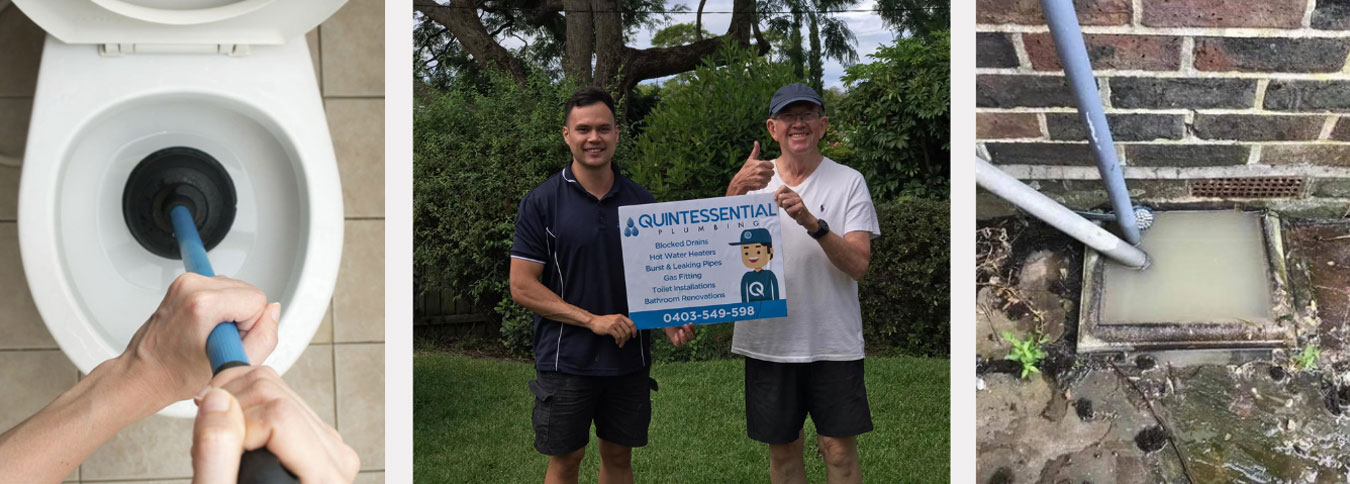
Got a blocked drain? Is the toilet overflowing?
0403 549 598
Emergency 24/7 Blocked Drain Plumber Sydney – We’ve Got You Covered
Our certified blocked drain plumber at Quintessential Plumbing understands the stress that can arise from a blocked drain. With this in mind we offer 24-hour service, 7 days per week, we understand that a blocked drain is the last thing you would expect to happen in your home or your business. Call our certified blocked drain plumber Sydney & let us Unblock Drain & Sewer fast.

Blocked Drain Or Sewer? Call Highly Skilled Blocked Drain Plumber Sydney
Are you experiencing slow draining or gurgling sounds in your sink, tub, or shower? Have you noticed unpleasant odors in your bathroom or toilet, or gutter overflows during storms? Our team of highly skilled drain experts has been specifically trained to ensure your drains are cleared the first time, providing you and your family with a professional and reliable plumbing solution in Sydney.
Client-Centric Clogged Drain Repair Services Near You in Sydney
We love people, plumbing, and develop strong relationships built on honesty and trust. So you can rely on our expert blocked drain plumber Sydney.
- 100% Customer Guarantee
- 24/7 Emergency Rapid Response
- Upfront & Fixed Pricing
- Lifetime workmanship warranty
- 20+ Years Experience
- Skilled & Professional Technicians

Get Free Estimate from Kevin!
Upfront Pricing Blocked Drain Contractor in Sydney – No Surprises

INSPECT The very first step is to carry out a detailed inspection of the blocked drain and analyze the warning signs.

EXPLANATION We provide you with all the information related to the blockage and a detailed fixed quote so this helps you have a better informed decision

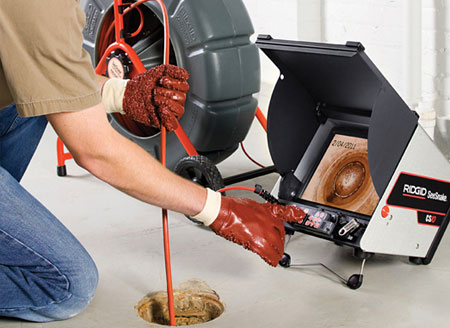
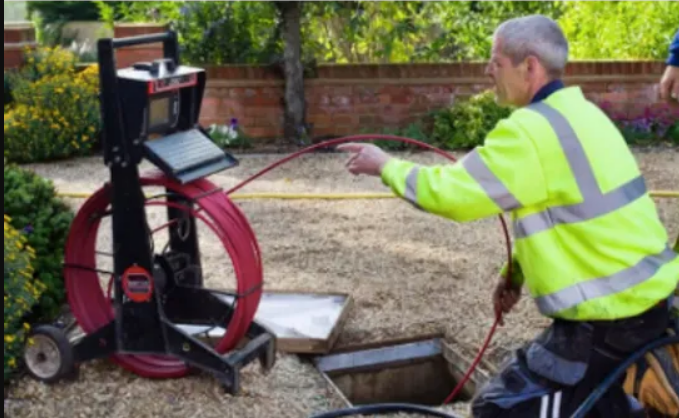
LOCATE We use a state-of-the-art camera and locator to identify where the blockage is, without digging.

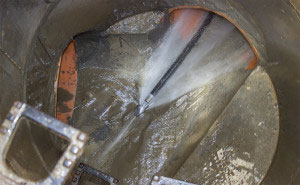
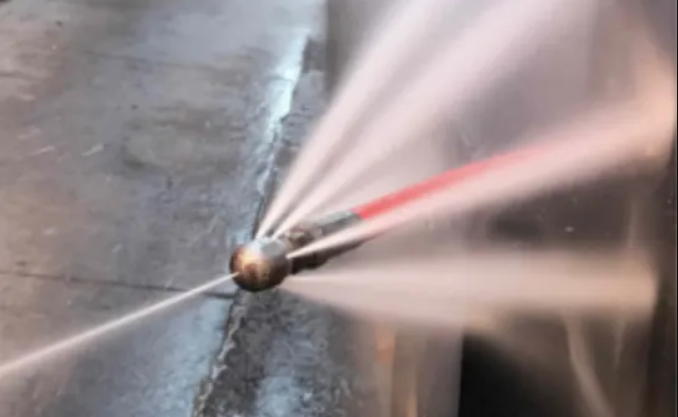
CLEAR Once the blockage is identified, we clear the pipe with a whopping 5000PSI of water pressure from a sewer jetter

REPORT We can also provide images and video reports on your blocked drains or sewers, to establish a permanent solution.
Types of blocked drains
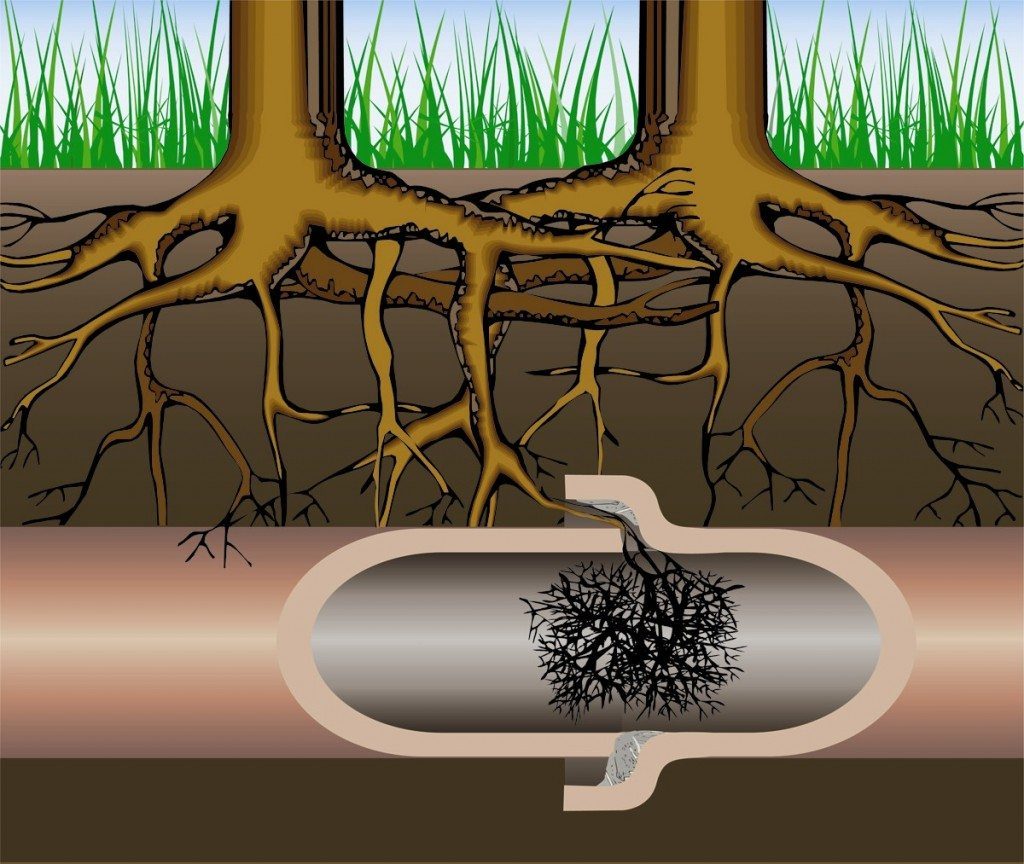
Tree Roots
In dry times trees try to source water from the ground. They will wrap their roots around pipes and strangle any water or condensation from them. Pipes will then either block up internally or suffer exterior damage.
Foreign Objects
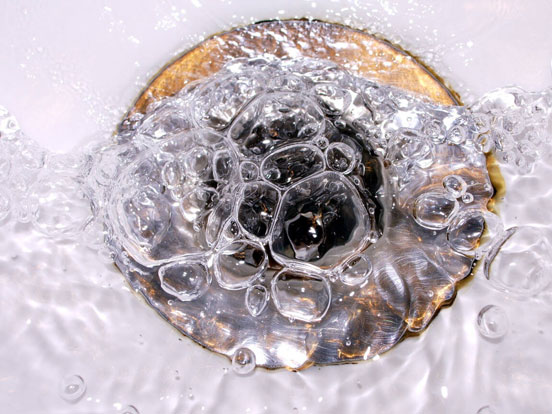
Cakes of soap are something people commonly push into drains thinking they will dissolve. This often causes blockages in bathrooms along with jewelry, nappies, sanitary items, wet wipes and, of course, hair.
Home Builders or Tradies
Confused as to why your new kitchen, bathroom or laundry renovation is already blocking up? Too often, inexperienced tradies or handymen have blocked the overflow gully with grout, paint and concrete waste – a potentially very expense problem. Ensure you confirm the qualifications of any trade person or handyman who works on your property.
Grease or Fat
Kitchen drains will often build up cooking fats and oils that simply do not wash down. This can cause blocked drains and sewers as well as unpleasant odors.
Let Us Find the Issue!
Full-Service Plumbing Company Near Me in Sydney
Blocked Drain Plumber Nearby Sydney – We Know It Needs to be Fixed ASAP
Quintessential Plumbing is your emergency plumbing specialist, providing blocked drain repair services across Sydney. Our fleet of emergency vehicles is fitted with GPS tracking systems, sending you the closest emergency plumber in Sydney available. Our utes are fully equipped for all kinds of domestic and commercial plumbing emergency work making sure that after we leave your place, the problem is permanently fixed. We operate 24 hours, 7 days a week, and never close, so if you find yourself in a plumbing emergency, call us on 0403 549 598 and we will dispatch the closest emergency plumber to your address.
DISCOUNTS
CCTV CAMERA INSPECTION
FREE CCTV camera inspection with any paid drain clearing service
Result-Centric drain blockage plumber Trusted By Sydney’s Inhabitants
Experience Our Blocked Drain Solutions With Confidence in Sydney
Why Quintessential Plumbing Is Best to Unclog Your Drain in Sydney
To determine the root of your clogged drain, Quintessential Plumbing Sydney uses a closed-circuit television pipe inspection camera. This state-of-the-art technology is incredibly accurate at identifying recurring blockages and carrying out a complete plumbing inspection. If a problem is found, we will cooperate with you to find the least disruptive solution for both you and the environment. Since you don’t want this to be a recurring or long-term issue for your business, a proper diagnosis of a sewerage system issue is essential to get quick and effective results. We are able to pinpoint the origin of the obstruction as well as its exact location, depth, and degree of pipe damage or obstruction. This enables us to carry out a comprehensive drain inspection, create a solution that is specific to the problem, and replace damaged or broken pipes with the least amount of mess, expense, and inconvenience.
Most Common Signs of Blocked Drains
- If your home’s plumbing drains are constantly clogged, there’s a problem with the main sewage system. This happens in multiple drains at once because a single drain obstruction doesn’t always indicate a sewage line problem.
- If your toilet, laundry, and other drains clog simultaneously, the main sewer line is clogged. For drain cleaning, hire professionals.
- Your main sewer line will cause drainage issues. Sinks, toilets, and bathtubs that drain slowly or overflow are warning signs you shouldn’t ignore. They’re signs of a clogged main sewer line.
- When sounds come from unexpected places, there’s a drainage problem. Gurgling sounds when flushing indicates a clog in the main sewer line. Tree roots may have clogged your sewer pipe.
- If you have a large tree near your main sewer line, its roots may be causing issues. This is common with old plumbing. Roots enter clay or concrete sewers through pipe joints. Blocking the line will cause strange sounds.
Get Free Estimate from Kevin!
Some Essential Tips from Our Blocked Drain Experts to Avoid Getting Your Drain Blocked Repeatedly
Don’t let grease through:
Since oil is liquid and easily flows, many of you may think it’s fine to let it go down the drain. This is deceptive. Even oil and grease pass through the sink unimpeded; they solidify in the drainage and pipes, causing a blockage.
What You Flush Matters:
Wipes, multi-layered toilet paper, sanitary napkins, and other non-waste items should not be flushed. No. Your drains would clog and cause problems. Alternately dispose of these items.
Even outdoor drains need care:
Leaves, soil, or debris may clog outdoor drains. Regular cleaning would prevent it to a large extent.
Everyday hot water:
Hot water helps prevent oil and grease buildup in drains.
Strain:
Picking minute particles from dishes before running water can be a pain, and the particles often make their way through the sink without you noticing.
Frequently Asked Questions About Blocked Drain Services Sydney
How Much Does It Cost to Unblock a Drain in Sydney?
In all seriousness, a clogged drain can refer to anything from a simple obstruction in the drain caused by an excessive amount of toilet paper to a more complex obstruction in the sewer pipe that is buried underground. The overall conclusion is that the cost of clearing out a straightforward clogged drain in Sydney can range anywhere from $90 to $200. The cost is based on the callout fee in addition to the amount of time that is necessary. If you are being charged more than $200 to clear a simple blocked drain without any additional fees, you should probably look into other Sydney plumbing services.
Who Pays if My Drains Are Blocked in Sydney?
Homeowners are liable for keeping up with the channels and wastewater systems inside the limits of their property.
Can You Unblock Your Own Drain? If So, How?
The advice and suggestions that follow are some of the best that we have to offer in this line of work. Providing information that will assist you in becoming more knowledgeable about how to unclog a drain on your own. Listed below are some easy steps that can be taken to unclog a drain on your own:
- Bring some water to a boil, and then pour it down the toilet!
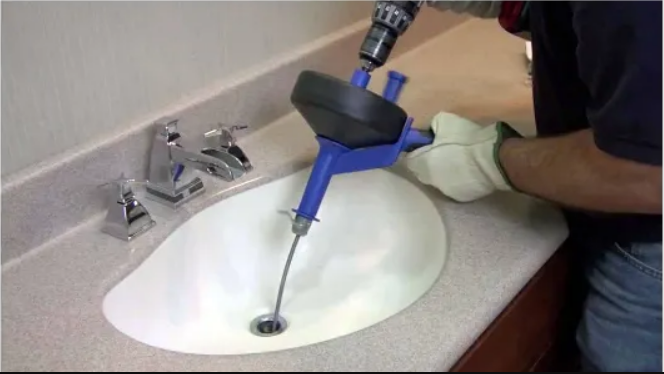
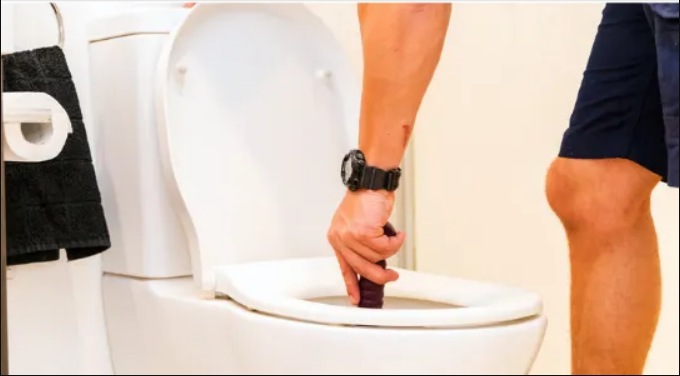
- You could give a plunger a shot.
- Make use of a hook or even construct your own!
- Make Use Of A Snake For Plumbers (also known as a Toilet Jack or Electric Eel)
- Make sure to do it by hand.
- Clean the drains with chemical products.
- Try using baking soda & vinegar
What Is the Best Way to Unblock My Block Drain
however, if your drain is already clogged and you require prompt assistance, try unclogging the obstruction with a cup of white vinegar and a pinch of baking soda. Strong chemical products are a great alternative to this homemade, all-natural cure. When the shower won’t be used for a few hours, clear the drain with baking soda and vinegar to get the most benefit. This will give the solution the best chance to do its job. Pour half a cup of baking soda and then half a cup of distilled vinegar down the drain. The mixture will cause a fizzing action that will dissolve the obstruction. After giving it at least 20 minutes to work, pour a kettle of hot water down the drain to clear the obstruction.
Do Quintessential Plumbing Use Cctv for the Inspection? If So, Can I Get a Copy FO the Footage?
Yes, Our Sydney plumbers use cutting-edge technology to unclog pipes, drains, and sewers. This simplifies and speeds up the plumbers’ work. Quintessential Plumbing Sydney invests in cutting-edge technology and trains its plumbers to use it properly. Our services include a drain camera inspection using the latest CCTV drain cameras. Sydney Plumbing uses CCTV to inspect drains: Quintessential Plumbing Sydney Team goes above and beyond to find problems. Sydney businesses can rely on us to use cutting-edge Closed Circuit Television (CCTV) pipe cameras for drain inspections. Cameras drained CCTV can also be used to inspect your plumbing for problem areas or future issues. We can use it to check compliance and functionality. This is important if you want to ensure your plumbing system won’t break down unexpectedly.
Want Your Plumbing Problems Fixed Now? Contact Us
Trusted Blocked Drain Repairs Sydney
Expertly handling all your blocked drain issues in Sydney, our reliable repair services ensure quick and effective solutions to keep your plumbing running smoothly.
Your Local Experts for Quality Plumbing
Count on us for top-notch plumbing services in Sydney. Our skilled team delivers quality solutions tailored to your needs, ensuring your home’s plumbing runs flawlessly.
24/7 Plumbing Emergency Services in Sydney
Our emergency plumbing services are available 24/7 to address urgent issues like burst pipes, significant leaks, blocked drains, overflowing toilets, and water heater failures. With our expert emergency plumbers in Sydney, we swiftly and efficiently manage any plumbing emergency, ensuring your home remains safe and functional.
Hot Water Tank Installation Services in Sydney
Offering dependable and efficient hot water systems, our hot water plumbing services encompass everything from new installations to repairs and ongoing maintenance. Trust our skilled team to maintain your hot water supply for consistent and reliable performance.
Leak Detection and Repair Specialists
Meeting diverse needs, our plumbing repair and maintenance services include shower repairs, water meter fixes, leaking tap repairs, and toilet repairs in Sydney. Trust our expert team to handle all your plumbing issues efficiently and professionally. We ensure your home’s plumbing systems are always in top condition, providing reliable service and peace of mind.
Emergency Blocked Drain Repairs Sydney
For fast and effective solutions, our blocked drain plumbing services promptly clear any blockages. With advanced tools and an experienced team, we ensure drains stay clear and fully functional. Whether it’s a blocked sewer drain, an overflowing drain, or a blocked downpipe, we’ve got it covered. We also handle smelly drains, stormwater drainage, and tree root removal. Our services include CCTV pipe inspections, pipe relining, and jet blaster plumbing in Sydney.
Stormwater and Sewer Management
From routine maintenance to emergency drain repairs, our drainage and sewer plumbing services ensure your drainage systems and sewer lines run smoothly. Our professional team is committed to preventing potential issues, maintaining the safety and cleanliness of your home.
Top-Tier General Plumbing Services
Our extensive general plumbing services cater to a variety of needs, including bidet installations and repairs, dishwasher setups, kitchen sink installations, and washing machine installations. Our professional team ensures your plumbing needs are met efficiently and effectively, keeping your home’s systems running smoothly and reliably.
Areas We Serve in Sydney, NSW
- Plumber Balmain
- Plumber Balmain East
- Plumber Banksia
- Plumber Banksmeadow
- Plumber Bankstown, NSW
- Plumber Barangaroo
- Plumber Barden Ridge
- Plumber Bardwell Park
- Plumber Bardwell Valley
- Plumber Beacon Hill
- Plumber Beaconsfield
- Plumber Beecroft
- Plumber Belfield
- Plumber Bellevue Hill
- Plumber Belmore
- Plumber Belrose
- Plumber Beverly Park
- Plumber Beverly Hills
- Plumber Bexley
- Plumber Bexley North
- Plumber Birchgrove
- Plumber Blakehurst
- Plumber Bondi
- Plumber Bondi Beach
- Plumber Bondi Junction
- Plumber Bonnet Bay
- Plumber Bonnyrigg
- Plumber Bonnyrigg Heights
- Plumber Bossley Park
- Plumber Botany
- Plumber Breakfast Point
- Plumber Brighton-le-Sands
- Plumber Bronte
- Plumber Burwood, NSW
- Plumber Burwood Heights
- Plumber Cabarita
- Plumber Cabramatta
- Plumber Camden
- Plumber Camperdown, NSW
- Plumber Campsie
- Plumber Canada Bay
- Plumber Canley Heights
- Plumber Canley Vale
- Plumber Canterbury NSW
- Plumber Caringbah
- Plumber Caringbah South
- Plumber Carlton
- Plumber Carss Park
- Plumber Centennial Park
- Plumber Chatswood West
- Plumber Chippendale
- Plumber Chipping Norton
- Plumber Chiswick
- Plumber Chullora
- Plumber Clemton Park
- Plumber Clovelly
- Plumber Como
- Plumber Concord
- Plumber Concord West
- Plumber Coogee
- Plumber Cremorne
- Plumber Cremorne Point
- Plumber Cronulla
- Plumber Crows Nest
- Plumber Croydon
- Emergency Plumber Chatswood, NSW
- Plumber Earlwood
- Plumber Eastgardens
- Plumber Eastlakes
- Plumber Eastern Suburbs
- Plumber Edgecliff
- Plumber Edmondson Park
- Plumber Elizabeth Bay
- Plumber Enfield
- Plumber Engadine, NSW
- Plumber Enmore, NSW
- Plumber Ermington
- Plumber Erskineville
- Emergency Plumber In Newtown, NSW
- Emergency Plumber Redfern NSW
- Plumber Paddington Sydney
- Plumber Padstow
- Plumber Padstow Heights
- Plumber Panania, NSW
- Plumber Peakhurst
- Plumber Peakhurst Heights
- Plumber Penshurst
- Plumber Petersham
- Plumber Picnic Point
- Plumber Port Botany
- Plumber Potts Hill
- Plumber Potts Point
- Plumber Prairiewood
- Plumber Prestons
- Plumber Punchbowl
- Plumber Pyrmont
- Plumber Sandringham
- Plumber Sans Souci
- Plumber Sefton
- Plumber South Coogee
- Plumber South East Sydney
- Plumber South Hurstville
- Plumber South West Sydney
- Plumber St George
- Plumber St Johns Park
- Plumber St Leonards
- Plumber St Peters
- Plumber Stanmore
- Plumber Strathfield
- Plumber Strathfield South
- Plumber Summer Hill
- Plumber Surry Hills
- Plumber Sutherland
- Plumber Sutherland Shire
- Plumber Sydenham
- Plumber Sydney CBD
- Plumber Sylvania
- Plumber Sylvania Waters