18 Dec. 25
Tips For Clearing Blocked Roof Drains In Sydney
Blocked roof drains are a serious and common issue for Sydney homes. With the Sydney climate, frequent heavy rainfall, and dense tree canopy across many Sydney suburbs like the Inner West and North Shore, roof drainage systems are constantly exposed to leaf debris, wind-blown debris, and other forms of organic matter. When a roof drain becomes a blocked roof drain, water can no longer move efficiently through the stormwater system, creating risks that extend far beyond a simple overflow.
This guide explains how blocked roof drains form, how to clear them safely, and how to prevent recurring blockages, using practical, locally relevant advice.
Why Do Roof Drains Commonly Get Blocked In Sydney?
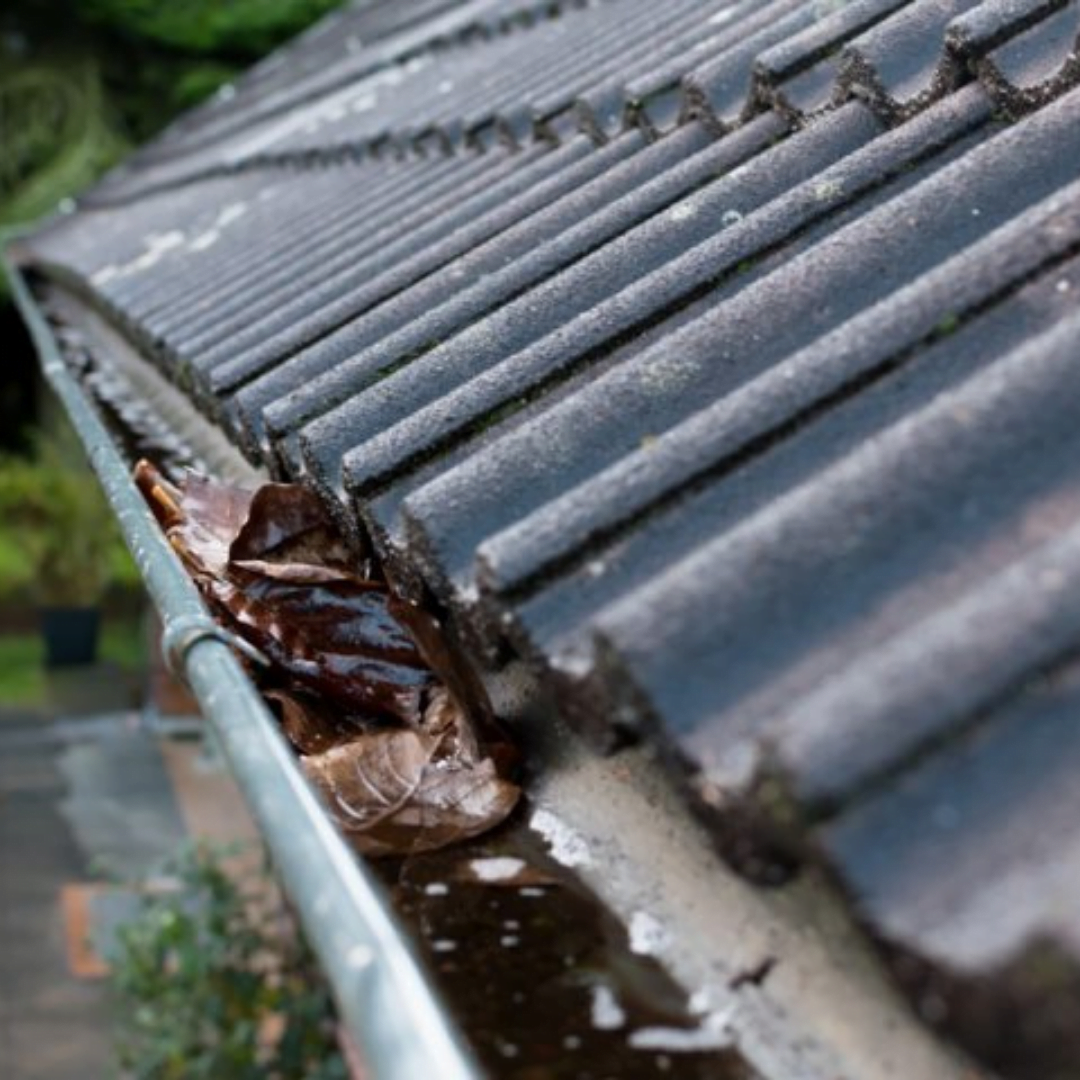
Roof drains in Sydney are heavily influenced by coastal weather patterns driven by the Pacific Ocean, seasonal storms, and sudden downpours reported by the Bureau of Meteorology (BOM). During storm season, autumn leaves, twigs, sediment, and even bird nests are washed into gutters, box gutters, and downpipes, where debris accumulation gradually restricts drainage.
As organic matter accumulates, it traps soil build-up and compacts into compacted debris, reducing drain efficiency and slowing the water flow rate. Once water cannot move freely, even moderate rainfall can overwhelm the system.
What Are The Warning Signs Of A Blocked Roof Drain?
Early detection of a blocked roof drain helps prevent costly repairs and insurance claims. The most common warning signs include:
- Water pooling on a flat roof or low-slope roof
- Roof overflow during rain
- Ceiling stains caused by moisture intrusion
- Gurgling sounds from a downpipe
- Visible overflow damage to walls or fascia
If ignored, prolonged pooling can cause roof leaks, encourage mould growth such as Aspergillus, and lead to structural damage that weakens the building envelope.
Is It Safe To Clear A Blocked Roof Drain Yourself?
DIY drain clearing can be safe if done correctly, but roof access always carries risk. Ladder safety, non-slip footwear, gloves, and stable ground conditions are essential. Avoid roof work during rain or strong winds common in Sydney storms.
If your roof design is complex, includes internal box gutters, or lacks an overflow relief point, it’s safer to call a licensed plumber experienced in roof plumbing and stormwater compliance under NSW codes and council regulations.
How Do You Manually Clear A Blocked Roof Drain?
For surface blockages, manual debris removal is often effective:
- Remove visible leaf debris, twigs, and bird nests from the drain opening.
- Check the drain cover and clear trapped material.
- Use a garden hose to perform a sediment flush and test flow.
- If water backs up, insert a plumber’s snake or flexible rod to break through deeper obstructions.
This process removes blockages, restores drain efficiency, and helps identify whether the problem is shallow or deeper in the downpipe.
Can Water Pressure Help Clear Roof Drains?
Yes. Controlled water pressure using a high-pressure nozzle can dislodge buildup, flush debris, and move sediment through the downpipe outlet into the stormwater system.
However, excessive pressure can worsen pipe corrosion, damage joints, or force debris into a ground-level blockage caused by garden beds or compacted soil near the outlet.
Why Are Chemical Drain Cleaners Not Recommended?
Chemical cleaners, including products containing caustic soda, are designed for indoor plumbing—not roof drains. These chemicals can damage pipes, accelerate pipe corrosion, and contribute to stormwater pollution, harming local waterways.
Because roof drains discharge directly into stormwater networks, chemical misuse increases environmental impact and may breach stormwater compliance requirements enforced by local councils.
How Can You Prevent Roof Drains From Blocking Again?
Prevention is the most cost-effective strategy for Sydney homeowners. Key measures include:
- Installing leaf guards or gutter mesh to filter debris
- Trimming trees to reduce root intrusion and leaf fall
- Maintaining a drain maintenance schedule
- Performing seasonal cleaning in autumn and spring
- Clearing downpipe outlets and checking for soil build-up
Good home maintenance and property inspection routines significantly reduce recurring blockages and emergency call-outs.
When Should You Call A Professional Plumber In Sydney?
You should engage a Sydney plumber or professional drain clearing service if:
- Blockages return despite cleaning
- Water enters the home during storms
- The drain connects to internal box gutters
- You suspect a collapsed pipe
- The blockage is beyond reach
Professionals use drain cameras for property inspection and high-pressure jetting units to blast debris, restore flow, and diagnose structural issues accurately.
How Often Should Roof Drains Be Cleaned In Sydney?
For most properties:
- Clean at least twice a year
- Inspect after major storms
- Increase frequency in tree-dense suburbs
- Act immediately during an emergency roof leak
Timely intervention reduces damage, preserves roof materials, and protects property value.
Are Blocked Roof Drains Worth Ignoring?
Ignoring blocked roof drains is a costly mistake. Poor drainage leads to water pooling, roof overflow, internal damage, and long-term deterioration. In extreme cases, unresolved drainage issues can invalidate insurance claims due to lack of maintenance.
With Sydney’s unpredictable weather, proactive care ensures your roof drainage system channels runoff, removes water, and protects your home year-round.
Whether you handle minor issues through DIY drain clearing or rely on a licensed plumber, understanding how roof drains fail and how to maintain them is essential for Sydney homeowners. Clean drains, good design, and regular inspections are the simplest ways to avoid expensive repairs and storm damage.
FAQs About Clearing Blocked Roof Drains
What are the signs that my roof drain or gutter is blocked?
Common warning signs include water overflowing from gutters during rain, dark water stains on walls or eaves, and mould or timber rot around roof edges. These issues usually mean water isn’t draining away properly and a blockage is present.
What tools and safety gear do I need to clear a blocked roof drain?
Basic tools include a sturdy ladder, work gloves, and a garden hose to flush out debris. A small scoop or trowel helps remove leaves, while a plunger or plumber’s snake can assist with stubborn blockages. Non-slip shoes are essential, and safety glasses can help protect your eyes from debris.
How can I safely access my roof to clear a drain?
Always use a secure ladder on level ground and wear non-slip footwear and gloves. Only attempt this in dry, calm weather, wet or windy conditions greatly increase the risk of slipping. If the roof is steep or the home is two storeys, it’s often safer to work from the ladder or call a professional rather than walk on the roof.
How do Sydney’s weather and trees affect roof drainage?
Sydney’s heavy downpours can quickly wash leaves and twigs into gutters and roof drains. Homes near gum trees or dense vegetation are especially prone to blockages. Regular gutter cleaning—at least twice a year in spring and autumn—and checks after major storms help prevent drainage issues.
How can I tell if the blockage is in the gutter or inside the downpipe?
After removing visible debris from the gutter, run water from a hose into the drain. If water still backs up or overflows, the blockage is likely inside the downpipe or stormwater pipe. Surface blockages usually clear once leaves are removed and water flows freely.
What steps can I take to unblock a roof drain myself?
Start by removing leaves and debris by hand while wearing gloves. Flush the drain opening with a strong stream of water from a garden hose. If water still pools, use a plunger to help loosen the blockage. Check the downpipe by running water through it and work carefully to avoid damaging the pipe.
When should I DIY a roof drain blockage, and when should I call a professional in Sydney?
Minor blockages caused by leaves or debris are often manageable at home. If gutters continue to overflow after cleaning, or if there are signs of internal water damage or mould, it’s best to call a licensed plumber. In Sydney, high or difficult-to-access roofs should always be left to professionals to reduce the risk of injury.
Do tile roofs and metal roofs require different precautions?
Yes. Tile roofs can crack if stepped on incorrectly, so it’s best to work from a ladder or step only on strong overlap points. Metal roofs don’t crack but can be extremely slippery, even when dry. In both cases, wear soft-soled, grippy shoes and avoid working in wet conditions.
Is it safe to use high-pressure hoses or chemical cleaners on roof drains?
A standard garden hose is usually safe for flushing debris. High-pressure washers can damage gutters or force water under roofing if used incorrectly, and they’re risky to use while on a ladder. Chemical drain cleaners should be handled carefully, as they’re harsh and can damage pipes if misused. For most homeowners, manual cleaning and water flushing are the safest first steps.