


As a solar hot water plumber with more than two decades of experience in Sydney, I’ve been privileged to witness the growing shift towards sustainable, efficient, and cost-effective hot water solutions. One of the frequently asked questions I encounter is: “How long does a solar hot water system last?” In this article, we will delve into this topic and discuss the factors that influence the lifespan of these systems.
Explore Solar Water Heating Efficiency & Lifespan: A comprehensive guide to solar hot water systems. Discover their 15-25 year longevity, factors affecting it, and sustainability advantages.
However, this lifespan is not uniform and depends significantly on various factors, including the type of system, the quality of installation, regular maintenance, the local climate, and the quality of the water supply.

Discover more about Sydney Climate and the Efficiency of Solar Hot Water Systems
Regular maintenance involves checking the system’s components, such as the solar collectors, storage tank, heat exchanger, and pumps, for any signs of wear and tear. This also includes cleaning the solar collectors, checking and replacing the antifreeze solution (for indirect systems), inspecting and replacing any faulty valves, and descaling the system (for hard water areas).
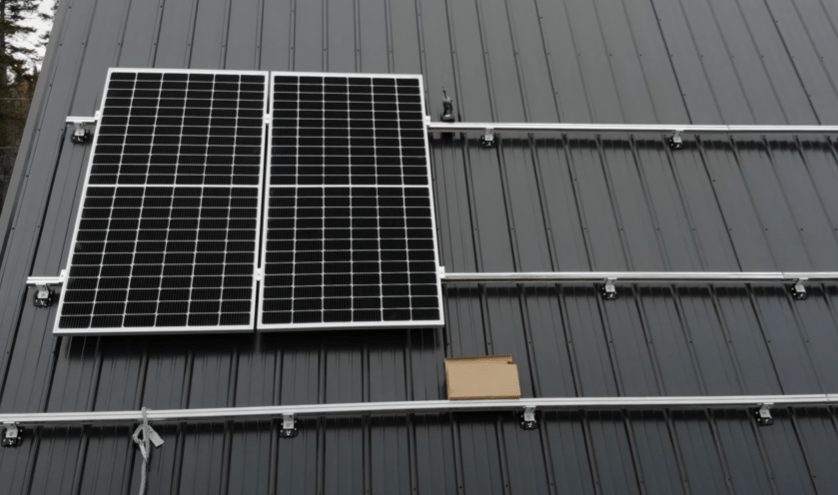
In the words of American engineer and inventor Charles Kettering, “We should all be concerned about the future because we will have to spend the rest of our lives there.” The choice to invest in a solar hot water system is just that – an investment in our future. While there are initial costs involved, the long lifespan of these systems coupled with the substantial energy savings they offer make them a smart choice for any Sydney resident.
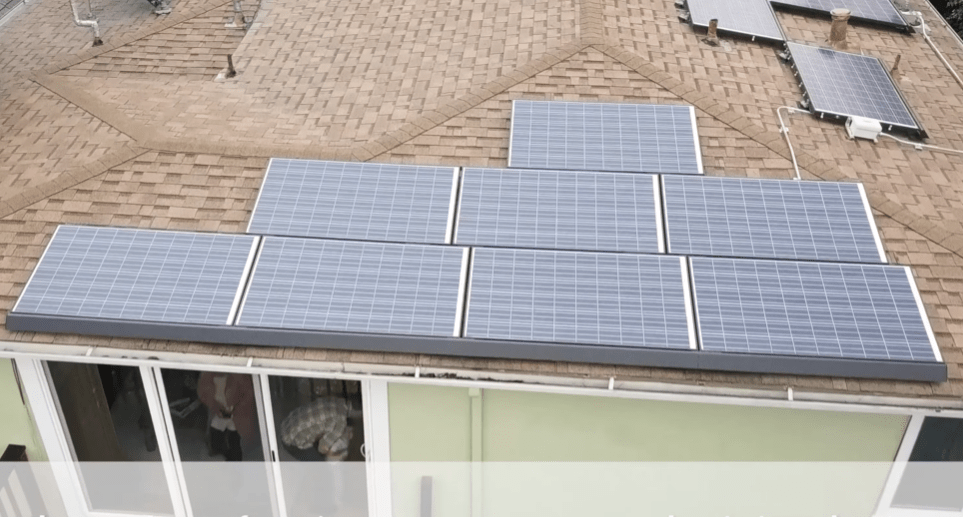
Remember, a solar hot water system is an investment that requires care. With regular maintenance and quality installation, you can enjoy the benefits of this renewable energy technology for years to come. As an experienced solar hot water plumber, I am here to guide you through this journey, ensuring your system runs smoothly and efficiently for its entire lifespan.

In my 20-plus years as a solar hot water plumber in Sydney, I’ve come to appreciate the tremendous synergy between Sydney’s climate and the efficiency of solar hot water systems. Today, I’m here to delve deeper into how Sydney’s unique climate works to the advantage of residents who have embraced these sustainable systems.
Sydney is blessed with a temperate climate and abundant sunshine, with an average of around 2,364 hours of sunlight per year. This equates to roughly 6.5 hours of sunshine per day, providing an abundant and consistent source of energy for solar hot water systems. If you’re looking to harness this solar potential, consider exploring Solar Thermal Energy Services in Sydney to maximize your system’s performance and energy savings.
Before we link Sydney’s climate to the efficiency of solar hot water systems, let’s do a quick recap of how these systems work. Solar hot water systems capture the sun’s energy through solar collectors, usually installed on rooftops. This heat energy is then transferred to water stored in a tank, either directly or through a heat exchanger, providing hot water for your home.
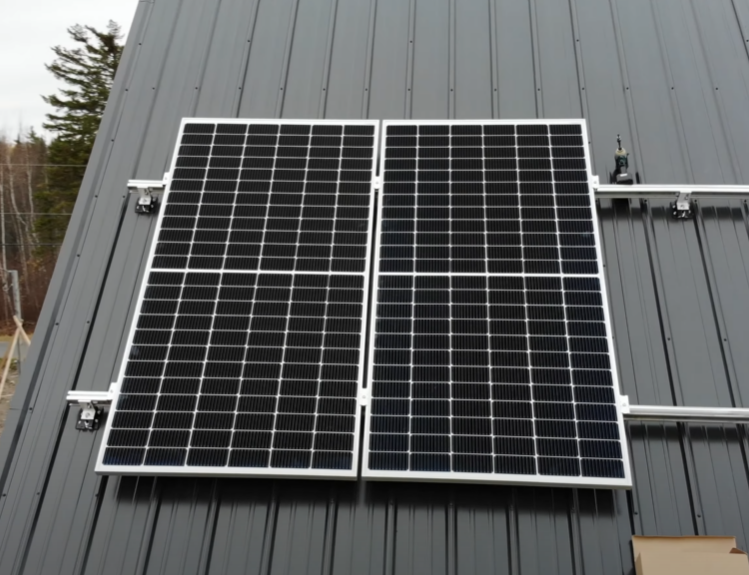
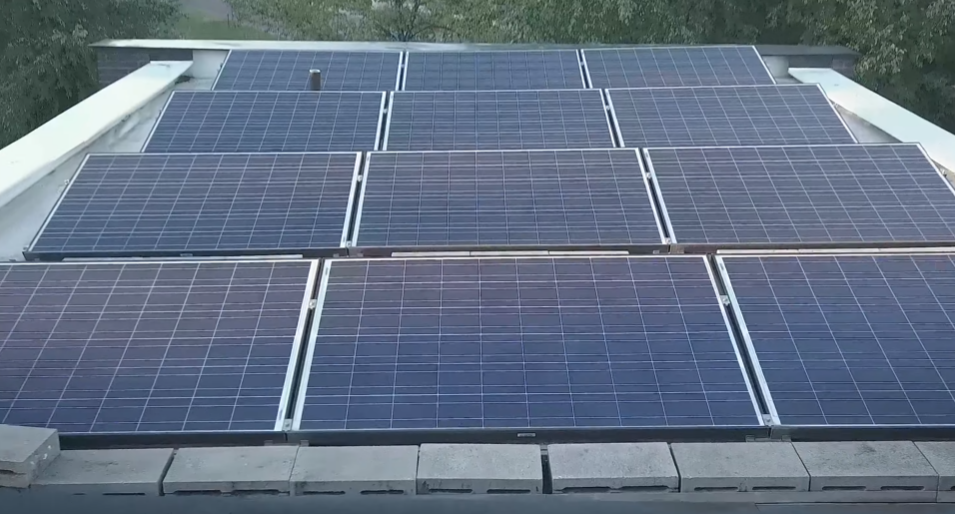
While Sydney’s climate is conducive to efficient solar hot water system operation, it’s essential to ensure the system is correctly installed and maintained to optimize its performance. The positioning and angle of the solar collectors, the system’s size, and the installation quality can all significantly impact efficiency.
Regular maintenance is also vital. Just as a car requires regular servicing to run at its best, a solar hot water system needs regular check-ups to ensure it operates efficiently and safely. I recommend having your system serviced every 3-5 years, or as advised by the manufacturer.
Learn more about Do Solar Hot Water Systems Work in Winter? A Deep Dive
In the words of the great inventor, Thomas Edison, “I’d put my money on the sun and solar energy. What a source of power!” Sydney’s climate and solar hot water systems are a winning combination, harnessing the power of our abundant sunshine to provide efficient, eco-friendly hot water solutions.
As an experienced solar hot water plumber, I can attest to the remarkable benefits these systems offer Sydney residents. They’re not only an excellent choice for reducing energy bills and carbon emissions but are also an ideal fit for our local climate. So let’s embrace the power of the sun and make the most of our beautiful Sydney weather!
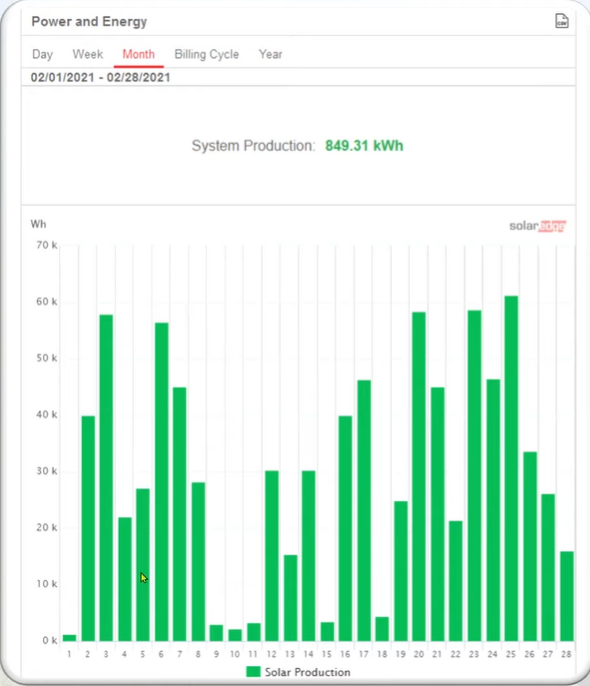
As a solar hot water plumber in Sydney with over 20 years of experience, I often encounter a common concern among homeowners: “Do solar hot water systems work in winter?” Today, we’ll address this question and explore the performance of solar hot water systems during colder months.
Before delving into winter performance, let’s revisit how solar hot water systems work. These systems capture sunlight using solar collectors, typically mounted on a rooftop, and convert it into heat energy. This energy is then used to heat water stored in a tank for later use. Additionally, incorporating Thermal Solar Hot Water technology can enhance the efficiency of this process even during colder months. Thermal Solar Hot Water systems utilize specialized collectors and heat exchangers to maximize heat absorption from the sun and transfer it to the water, ensuring that the system can effectively provide hot water even in lower temperatures. This integration of Thermal Solar Hot Water technology adds a layer of resilience to solar hot water systems, allowing them to continue operating efficiently and sustainably throughout the year, regardless of seasonal variations.

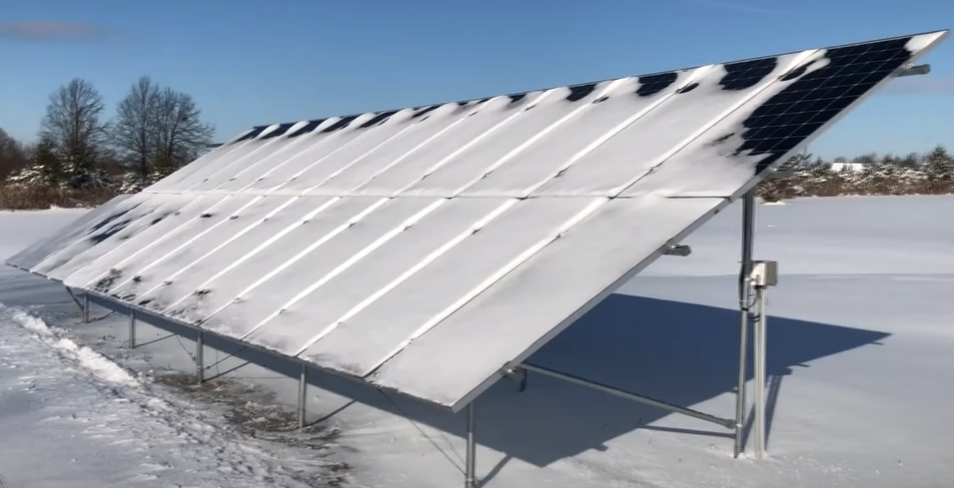
The idea that solar hot water systems might struggle in winter stems from a basic misconception: the systems need hot weather to work. In reality, they need sunlight, not heat. As long as there is sunlight, a solar hot water system can produce hot water, even if the air temperature is cold.
Here’s how:
While it’s true that solar hot water systems can work efficiently during winter, here are some tips to maximize their performance:
Learn more about Upgrading Your Traditional Water Heater to a Solar Hot Water System: The Efficient Choice for the Future
In the words of former U.S. Secretary of Energy, Ernest Moniz, “The cost of solar energy has not been opened up because the oil industry does not own the sun.” Solar energy is a free, abundant resource we can harness throughout the year, including during winter.
Rest assured, as a solar hot water plumber, I am committed to ensuring your system delivers hot water all year round, rain or shine, summer or winter. With the right system, proper installation, and regular maintenance, you can enjoy the numerous benefits of solar hot water even in the chilliest of months.

When it comes to managing our homes’ energy consumption, we often overlook a significant energy-drainer: water heating. In fact, according to the Department of the Environment and Energy, as of my last knowledge cutoff in September 2021, water heating represented approximately 21% of total household energy use in Australia, only surpassed by space heating and cooling.
Traditional water heaters, although effective, consume a large amount of energy, which not only impacts the environment but also significantly raises your energy bills. Fortunately, technological advances offer us sustainable and cost-effective alternatives. One such solution is a Solar Hot Water System. In this article, we’ll delve into the whys and hows of upgrading your traditional water heater to a solar hot water system, helping you take a leap into the future of sustainable living.
Solar Hot Water Systems (SHWS) use renewable energy from the sun to heat water, embodying the essence of green energy water heating. They are more environmentally friendly than conventional gas or electric water heaters and can help households substantially reduce their carbon footprint. But the benefits don’t stop at the environment. SHWS can also have significant economic advantages. According to the Clean Energy Council, the use of solar hot water can potentially reduce a home’s water heating bill by up to 75%. Imagine, out of every $4 you currently spend on water heating, you could be saving $3! Embrace the power of green energy water heating and transform both your home’s efficiency and environmental impact.
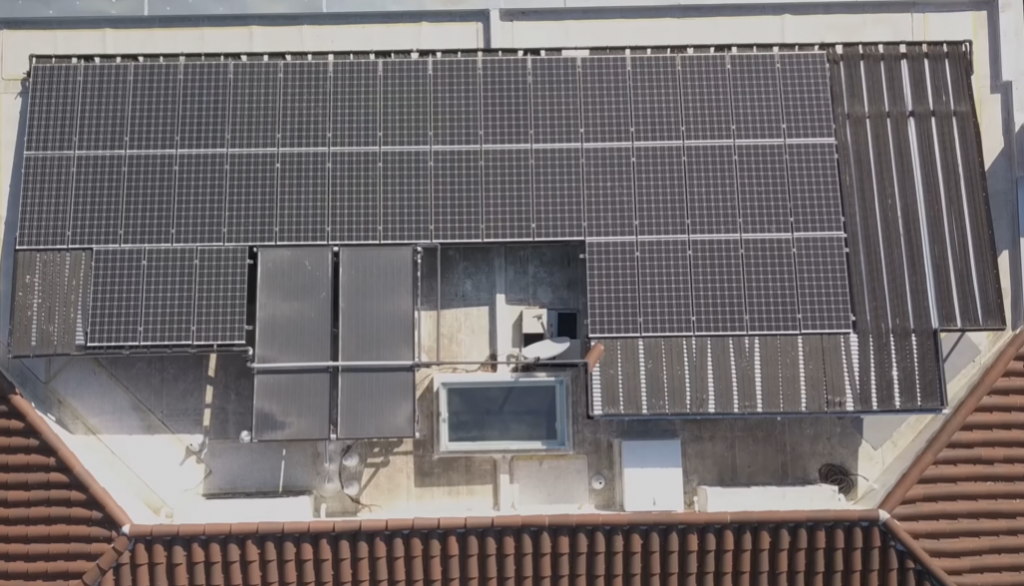
A solar hot water system operates through solar collectors (usually solar panels or evacuated tubes) installed on your roof. They absorb sunlight, convert it into heat, and transfer this heat to the water stored in a hot water tank.
There are mainly two types of solar hot water systems:
Most systems also come with a gas or electric booster element to ensure a hot water supply during cloudy days or peak demand periods.
Discover more about The Economic Impact of Switching to a Solar Hot Water System: Insights from a Sydney-based Plumber
The cost of a solar hot water system varies depending on the type, size, and brand of the system. However, you can generally expect to pay between $3000 and $7000. This includes the unit and installation costs.
While the initial investment is higher compared to a traditional system, remember that you are investing in long-term savings and sustainability. Moreover, the Australian government offers rebates and incentives through the Small-scale Renewable Energy Scheme (SRES) that can offset part of the initial cost.
As for installation, it’s crucial to hire a professional, certified solar hot water plumber to ensure the system is installed correctly and safely.
Upgrading to a solar hot water system is not just a home improvement. It’s an investment in sustainability, the future, and your pocket.
“Energy efficiency and sustainability are no longer options but necessities in our rapidly changing world. And the good news is that with innovations like the Solar Hot Water System, sustainability can also mean cost-effectiveness,” says Tim Forcey, Energy Advisor at the University of Melbourne.
Start your journey towards a greener, more efficient home today by considering a solar hot water system for your home.

In the global race towards renewable energy, Solar Hot Water Systems (SHWS) have emerged as a popular choice for many homeowners in Australia, particularly in sunny Sydney. While the environmental benefits of SHWS are well-known, understanding the economic implications of this switch is equally important. As a seasoned solar hot water plumber, I will provide you with a comprehensive analysis of the potential economic impact of switching to a SHWS.
Undeniably, the initial investment of a Solar Hot Water System (SHWS) is higher than a traditional gas or electric water heater. According to a 2022 report by Solar Choice, the average cost of a SHWS ranges from $3000 to $7000, depending on the type and capacity of the system. However, this initial cost should be considered an investment, the returns of which will be evident in the long term. Moreover, the financial burden can be offset by available Solar Hot Water Rebates, incentivizing homeowners to make eco-conscious choices while enjoying substantial savings over time.
The real economic advantage of a SHWS starts to manifest itself when you look at the operational costs. A study from the University of Melbourne estimated that a solar hot water system could save an average Sydney household up to $500 a year on electricity bills.
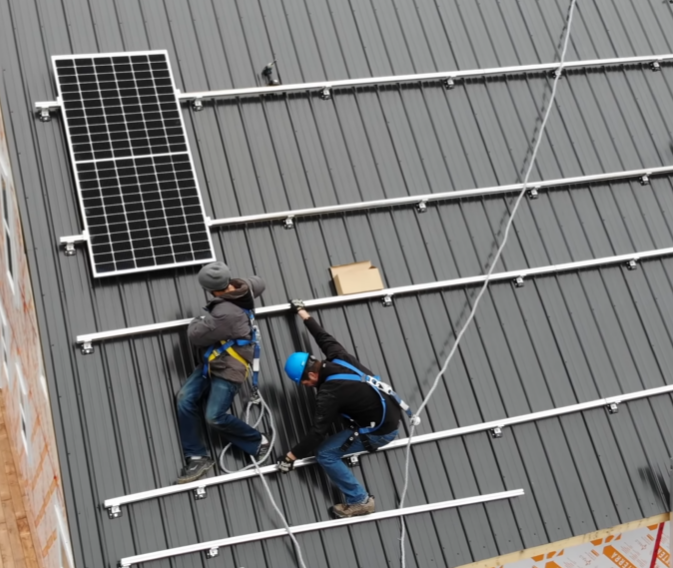
The Australian government offers incentives and rebates for households that install SHWS, under the Small-scale Renewable Energy Scheme. For an average-sized system, homeowners can expect around $700 to $1000 in Small-scale Technology Certificates, which can be traded for cash or used as a discount on the system price.
Several studies have shown that homes with solar installations command a premium when sold. A 2019 report from Zillow, a real estate database company, found that homes with solar energy systems sold for 4.1% more on average than comparable homes without solar power.
With energy prices continuing to climb, a SHWS can provide a hedge against future energy price volatility. Once your system is installed, the sunlight it uses is free, ensuring your hot water costs remain constant.
Switching to a SHWS also has indirect economic benefits. The increasing demand for SHWS fosters job creation in the renewable energy sector. Furthermore, by reducing reliance on fossil fuels, it can potentially reduce the economic costs associated with pollution and health issues.
Learn more about Why Every Sydney Home Should Have a Solar Hot Water System
While the operational costs of a solar hot water system are lower, they do require maintenance and occasional repairs. The typical maintenance costs, including replacing the sacrificial anode rod and servicing moving parts like pumps and valves, can range from $100 to $200 annually, according to Energy Matters Australia. Regular maintenance can help avoid more significant repair costs and ensure your system operates at its peak efficiency.
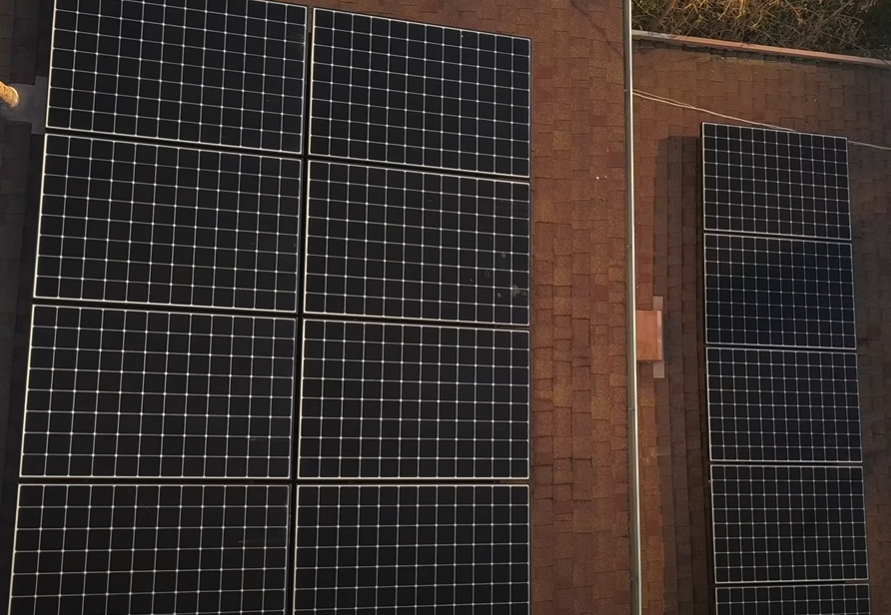
A well-maintained solar hot water system can last up to 20 years, outlasting traditional water heaters that usually last 10-15 years. Therefore, even though the replacement cost might be higher, it is spread over a longer period, which means less frequent disruption and expense.
While solar hot water systems do add value to your home, they also depreciate over time. Additionally, having a solar system could potentially increase home insurance premiums slightly. It’s advisable to speak with an insurance provider to understand the potential impact on your insurance costs.
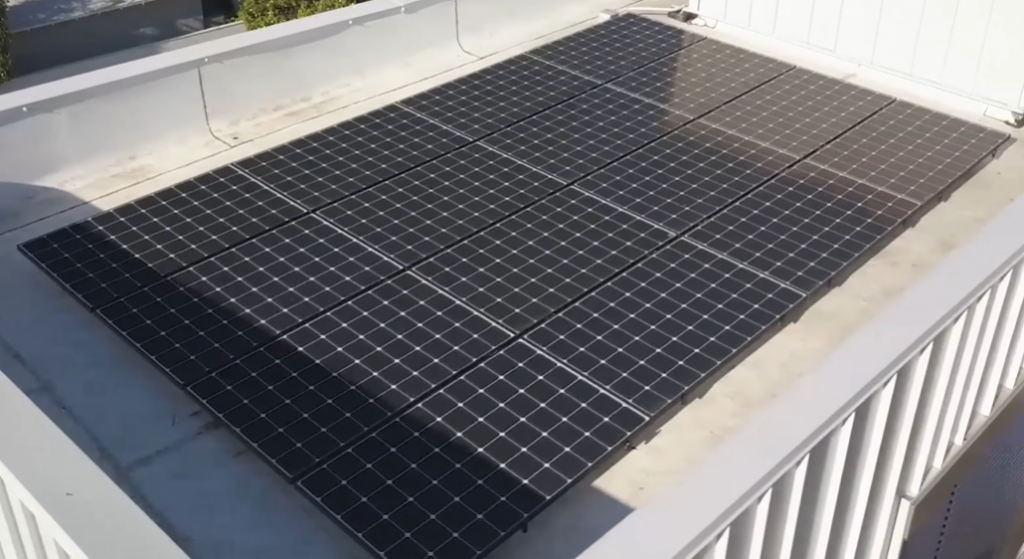
There are several financing options available for solar hot water systems that can ease the initial cost burden. These include green loans, power purchase agreements, and leases. Each has its pros and cons, so it’s essential to do your research and choose the best fit for your financial situation.
While it’s hard to put a price on energy independence, it’s an important economic consideration. Having a solar hot water system reduces your dependence on grid electricity and protects you from potential energy shortages and blackouts.
Switching to a Solar Hot Water System represents not only a shift towards environmental responsibility but also a sound financial decision. While the upfront cost may be higher, the long-term economic benefits are significant, including lower operating costs, government incentives, increased property value, and resilience against rising energy prices. As a solar hot water plumber in Sydney, I’ve observed these benefits directly, making me a firm believer that a SHWS is an investment that pays for itself over time.