


Heavy rain can have a significant impact on your home’s plumbing system, often causing problems that range from minor inconveniences to serious issues. While most people associate plumbing problems with leaks or blockages, rainwater can also create unique challenges, especially in areas prone to storms or seasonal downpours.

Heavy rain affects plumbing systems in several ways. Excess water can overwhelm drains, put pressure on pipes, and even cause backflow into your home. Here are the primary ways heavy rainfall impacts your plumbing:

Heavy rainfall can overwhelm drainage systems, particularly if gutters and outdoor drains are not regularly maintained. When gutters are clogged with leaves or debris, rainwater cannot flow properly, leading to overflowing gutters and water pooling around your home’s foundation.
Sewer systems are designed to handle normal water flow, but heavy rain can overwhelm these systems. When too much water enters the sewer lines, it can cause a backup, leading to sewage entering your home through drains, toilets, and sinks.
Heavy rain can lead to water seeping into basements and crawl spaces, especially if there are cracks in your foundation or if your property doesn’t have adequate drainage. Flooded basements can cause extensive water damage and lead to mould growth if not dealt with quickly.
When soil becomes saturated with rainwater, it can shift or erode. This movement puts pressure on underground pipes, especially older ones, leading to leaks or even pipe bursts. In some cases, the shifting soil can cause tree roots to intrude into your pipes, creating blockages.
Stormwater drains are designed to carry away excess rainwater, but they can easily become blocked by leaves, dirt, and other debris during heavy rain. When these drains are blocked, water can pool in your yard, driveway, or even your home, causing flooding and water damage.
The best way to protect your plumbing from the effects of heavy rain is through regular maintenance. Check your gutters, downpipes, and outdoor drains to ensure they are clear and functioning properly. Additionally, have a professional plumber inspect your sewer lines, sump pump, and any exposed pipes before the rainy season starts.
Backwater valves are essential for homes prone to sewer backups during heavy rain. These valves prevent sewage from flowing back into your home by automatically closing when the sewer system is overwhelmed.
Even small water leaks can become major problems during a storm. Check all your pipes, particularly those in your basement, crawl space, or under sinks, for any signs of leakage. If you find any, have them repaired immediately to prevent water damage.
Ensure your home’s foundation is in good condition and free of cracks. Water that seeps through cracks in the foundation can cause serious damage and create a breeding ground for mould and mildew. Sealing cracks and improving drainage around your property will help keep your home dry.
Also discover: Summer Water-Saving Tips for Your Home

While regular maintenance and preventive measures can help protect your plumbing system, some problems are too complex to handle on your own. If you notice any of the following issues after a heavy rain, it’s time to call a professional plumber:
A professional plumber can diagnose and repair these issues quickly, preventing further damage to your home.
Heavy rain can put significant strain on your plumbing system, causing clogs, backups, and even structural damage. By understanding the potential problems and taking preventive measures, you can protect your home from the damaging effects of rainwater. Regular maintenance, installing backwater valves, and addressing drainage issues are all essential steps in safeguarding your plumbing. However, if you experience persistent problems after a storm, it’s always best to contact a professional plumber to ensure your system remains in good working order.

As the Australian summer rolls in, the demand for water often increases due to higher temperatures, outdoor activities, and the need to keep gardens hydrated. However, saving water during these hot months is essential not only for reducing your utility bills but also for conserving this valuable resource. With the right strategies, you can maintain your household needs while making a positive environmental impact.
In this guide, we’ll explore effective water-saving tips for your home during summer, helping you reduce waste and keep your home running efficiently.
Australia is known for its dry climate, and many regions experience droughts and water restrictions during the summer months. Conserving water is crucial for maintaining a sustainable water supply and preventing shortages in the future. Additionally, saving water at home can significantly reduce your household’s water bills.

Water use in the home extends beyond outdoor activities. By focusing on efficient water use inside your home, you can make a big difference in overall consumption. Here are some key areas where you can save water indoors.
Showers are one of the largest contributors to household water consumption. Switching to water-efficient showerheads can reduce water flow without compromising on performance.
Limiting the length of your showers is a simple yet effective way to save water. A five-minute shower uses significantly less water than a longer one.
Leaking taps and toilets waste litres of water each day. Even a small drip can add up to hundreds of litres over time.
Upgrading to water-efficient appliances can make a significant difference in your water usage. Dishwashers and washing machines that have a high WELS rating use less water while maintaining performance.
Many people leave the tap running while brushing their teeth, shaving, or washing dishes, which wastes a considerable amount of water.

During summer, outdoor water use typically increases as gardens, lawns, and pools require more attention. However, there are several ways to maintain a beautiful outdoor space while conserving water.
Watering your garden is essential, but doing so efficiently can help conserve water. Watering early in the morning or late in the evening reduces evaporation and ensures that your plants get the hydration they need.
Also read: The Impact of Heavy Rain on Plumbing
Adding a layer of mulch to your garden helps the soil retain moisture, reducing the need for frequent watering. Mulch also prevents weeds from growing, which can compete with your plants for water.
Rainwater harvesting is an excellent way to use natural resources for your outdoor water needs. Installing a rainwater tank can provide an ample supply of water for your garden, washing your car, or even flushing your toilet.
Planting drought-tolerant plants in your garden can help reduce the need for frequent watering. Native Australian plants are particularly well-suited to the climate and require minimal water once established.
Overwatering your lawn and garden can lead to water wastage and even harm your plants. To avoid overwatering, check the moisture level of your soil before watering.
Conserving water in your home has numerous benefits beyond just lowering your water bill. By using water more efficiently, you contribute to:
Implementing water-saving measures in your home during the summer months is essential for conserving this valuable resource, lowering your utility bills, and maintaining an environmentally-friendly household. By making small changes, such as using water-efficient appliances, watering your garden wisely, and fixing leaks promptly, you can make a significant difference in your water consumption. Incorporate these water-saving tips into your daily routine, and you’ll be helping to protect both the environment and your wallet.
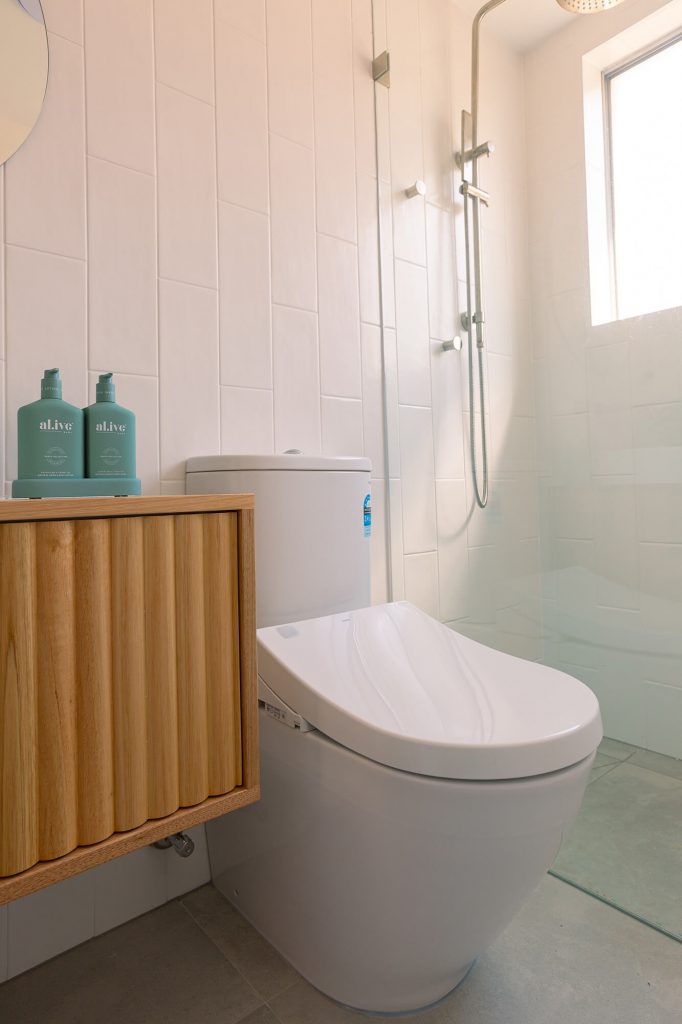
A clogged toilet is a common yet frustrating household issue. While it may seem daunting, unclogging a toilet can often be handled quickly and efficiently without needing a plumber. In this step-by-step guide, we’ll walk you through various methods to unclog your toilet, ensuring you avoid damage to your plumbing system and restore normal function.
Before diving into the methods for unclogging a toilet, it’s important to understand the common causes of blockages. Toilets usually get clogged due to:

Depending on the severity of the blockage, you may need one or more of the following tools:
Before you begin, it’s essential to assess the severity of the blockage. If the water level in the bowl is high, avoid flushing again as this could cause overflow. If the clog is minor, you can likely resolve it using basic household items.
A plunger is the most common and effective tool for unclogging a toilet. Here’s how to use it:
Pro Tip: Make sure there’s enough water in the toilet to submerge the plunger’s head for better results.
If plunging doesn’t clear the blockage, you can try using hot water and dish soap:
For minor clogs caused by organic materials or toilet paper, baking soda and vinegar can be an effective, eco-friendly solution:
If the clog persists after using a plunger or hot water methods, a toilet auger may be necessary:
In some cases, clogs may occur in the P-trap (the curved pipe section), especially if the toilet is connected to other drains. If you have access, check the P-trap for blockages and clean it out.

Preventing toilet clogs is often easier than fixing them. Here are some tips to avoid blockages in the future:

While most toilet clogs can be handled with DIY methods, there are instances when a plumber is necessary:
Unclogging a toilet is a manageable task when you follow the right steps. Using a plunger, hot water, dish soap, or a toilet auger can effectively clear most blockages without the need for professional help.