


A rainwater harvesting system works best when its drains, pipes, and tank inlets allow water to move freely from the collection surface into the storage tank. When debris builds up or components are incorrectly sized, the system becomes inefficient, overflows, or causes water damage around your property. Understanding why these drainage problems occur and how to fix them ensures your system remains reliable, clean, and functional.
Rainwater systems collect water from roofs, patios, and other catchment surfaces. As water flows toward the tank, it carries leaves, dust, twigs, sediment, and organic matter. If the drainage components—such as gutters, downpipes, screens, and diversion devices are not maintained or properly designed, debris accumulates and restricts flow. Poor installation, undersized pipes, and incorrect slopes also create water bottlenecks that lead to blocked drains and system damage.
Gutters and downpipes naturally collect organic debris. When leaves, sludge, or roof granules accumulate, water cannot move toward the tank efficiently. The inlet screen, meant to keep debris out of the tank, often blocks first. Once blocked, water backs up, overflows, and spills around the property instead of entering the tank.
Installing gutter guards reduces the amount of large debris entering the system. Regular gutter and downpipe cleaning prevents long-term blockages, especially after storms or during autumn when leaf fall increases. A first-flush diverter redirects debris-heavy initial rainfall away from the tank, improving water quality and reducing blockages.
A tank overflows when its drainage or overflow outlet cannot handle the incoming water volume. This occurs when overflow pipes are too small, incorrectly angled, or blocked with debris. Overflowing tanks may also indicate insufficient storage capacity for the catchment area.
Ensuring the tank has a properly installed overflow outlet that directs excess water toward a safe drainage point, such as stormwater systems or a soakaway pit, prevents pooling around the property. If overflow happens frequently, upgrading to a larger tank or adding secondary tanks increases capacity. Regular inspection of overflow pipes ensures water can escape freely.
Incorrect pipe sizing, insufficient slope, poorly placed diverters, and awkward pipe runs limit water movement. If downpipes are too narrow for the roof area, they cannot cope with large volumes of rainwater. Poor design also increases pressure within the system during intense rainfall, causing leaks, overflow, or pipe detachment.
Ensuring pipes are properly sized for the catchment area is crucial. Larger roof areas require larger downpipes and drainage pipes. A specialist plumber can design a layout with correct slope, flow rate, and alignment to prevent water bottlenecks. Professional design ensures system efficiency and reduces maintenance issues.
Dust, pollen, fine sediment, and roof debris that bypass the inlet filters settle at the bottom of the tank. Over time, this sediment forms a dense sludge layer. Thick sludge reduces tank storage capacity, affects water clarity, and can clog pumps, filters, or outlet pipes.
Regular tank cleaning, generally every two years, is essential. Areas with heavy rainfall or lots of surrounding vegetation may require more frequent cleaning. Installing a sediment trap upstream prevents finer particles from entering the tank, reducing long-term sludge accumulation.
If rainwater systems share lines with greywater or wastewater pipes, backflow can push contaminated water into the tank. Cross-contamination leads to odours, poor water quality, and potential blockages inside the tank or supply lines.
Installing backflow prevention devices stops wastewater from entering the tank. Ideally, rainwater and greywater systems should remain completely separate, with their own pipes, pumps, and drainage pathways. Keeping systems independent ensures harvested water stays clean and safe.
Mosquitoes are attracted to standing water around tank inlets, blocked drains, and unscreened outlets. Any inaccessible, stagnant water creates breeding environments. Overflows that pool around the tank also encourage insect infestation.
Fine mesh screens on all tanks inlets, vents, and overflow points prevent insects from entering. Regular clearing of drains ensures that water flows continuously, eliminating stagnant areas. Keeping the system sealed and free of blockages reduces insect activity significantly.
Regular inspections identify early signs of debris buildup, leaks, corrosion, or damaged fittings. Checking gutters, downpipes, diverters, mesh screens, and tank connections ensures the entire system continues operating efficiently through all seasons.
Filtration systems, such as mesh filters, first-flush diverters, and sediment traps, remove debris before water enters the tank. This reduces clogging in drains and slows down sludge formation inside the tank.
Consistent overflow during storms may signal a drainage issue or insufficient tank capacity. Monitoring tank levels helps determine whether the system needs pipe adjustments or a tank upgrade.
Autumn leaves, summer storms, and winter temperature changes alter how water flows through the system. Increasing gutter cleaning during peak leaf fall and insulating pipes during winter prevents cracking and freezing.
If blockages recur, if overflow issues persist, or if contamination is suspected, professional help is required. A rainwater harvesting specialist can inspect the entire system, repair damage, correct poor design, and ensure your drainage operates efficiently year-round.
Downpipes often overflow when the pipe diameter is too small for the roof catchment area. During heavy rainfall, water volume exceeds the pipe’s maximum flow rate, causing spillover even if there is no visible blockage.
If the overflow pipe is undersized, incorrectly sloped, or partially blocked by debris or insects, it cannot carry water away at the same rate it enters. This mismatch forces water out around the tank instead of through the overflow outlet.
Heavy dust, pollen, and roof particles pass through inlet screens and settle in the tank. Areas with strong winds, iron roofing, or frequent storms experience accelerated sludge build-up due to finer sediment entering the system.
Fine debris, dust, pine needles, and roof grit can still pass through gutter guard openings. If the guard design isn’t suitable for your surrounding vegetation, debris gradually builds and restricts flow beneath the guard.
The first rainfall wash of the roof carries most of the pollutants, including bird droppings, dust, and organic debris. Without a functioning first-flush diverter, this contaminated water flows straight into the tank.
Pooling occurs when the overflow pipe discharges too close to the tank or when the surrounding ground lacks proper drainage. Poor site preparation or soil saturation prevents water from dispersing efficiently.
Odours may arise from sludge decomposition, cross-contamination with greywater, or organic debris trapped at entry points. Poor aeration, stagnant water in pipes, or blocked diverters can also create smells.
If sediment traps or mesh filters are missing or clogged, fine particles enter the pump’s suction line. Tank sludge stirring during heavy inflow can also cause dirty water to reach pump outlets.
Mosquitoes enter through tiny gaps around inlet screens, overflow outlets, or venting points. Any hole larger than 1 mm allows mosquito access. Blocked drains create stagnant water nearby, increasing breeding conditions.
Insects nest inside dark, moist overflow pipes. Without fine mesh screens, spiders, mosquitoes, and small insects create debris clusters that restrict outlet water movement.
Fine debris washed from the roof bypasses gutter guards and accumulates inside underground pipes. Pipes with insufficient fall or sagging sections trap sediment, eventually forming blockages.
Slow filling occurs when the gutter slope is incorrect, downpipes are partially obstructed, inlet filters are clogged, or first-flush diverters remain stuck in the diversion phase instead of allowing water into the tank.
Cross-connections between rainwater and greywater systems, intentional or accidental, allow wastewater to backflow into the tank. Without backflow prevention devices, pressure fluctuations can push contaminated water into rainwater lines.
When tanks lack a proper overflow line or the overflow is blocked, water cannot escape fast enough. It moves backward into gutters, creating spillover at gutter edges and downpipe junctions.
Uneven gutter slope forces water toward a single end instead of distributing flow across multiple downpipes. A sagging section or poorly graded gutter angle causes localised overflow.
Diverters fail when the collection chamber is full of sludge, the ball mechanism is stuck, or the sealing washer is worn. This allows debris-heavy first flush water to bypass the chamber and enter the tank.
This flavour typically comes from organic matter or sediment entering the tank. Sludge build-up, dirty gutters, failing inlet screens, or decomposing leaves inside the first-flush chamber contribute to poor water quality.
Sunlight exposure through clear pipework or translucent tank walls encourages algae. Incorrectly sealed inspection ports and open vents also allow light into the system, enabling algae formation.
Older PVC or clay pipes may shift due to soil movement, erosion, tree root pressure, or improper bedding. When alignment changes, water flow slows and debris builds rapidly.
Recurring issues often indicate design flaws, undersized pipes, poor fall, incorrect diverter placement, or inadequate overflow capacity. Only a specialist can diagnose structural causes and redesign the system for long-term performance.
A well-maintained rainwater harvesting system saves water, protects your home, and delivers clean, sustainable water. By understanding common drainage problems and implementing preventative solutions, you will keep your system running smoothly and avoid costly repairs.
Flushing the wrong items can clog your toilet, damage your sewer pipes, and harm wastewater systems. Toilets are designed to handle only human waste and toilet paper. Anything else, no matter how small or “flushable” it claims to be, can cause blockages, plumbing repairs, and environmental harm. Understanding why certain materials don’t belong in the toilet helps protect your plumbing and prevent costly emergencies.
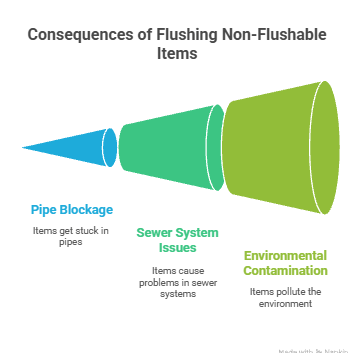
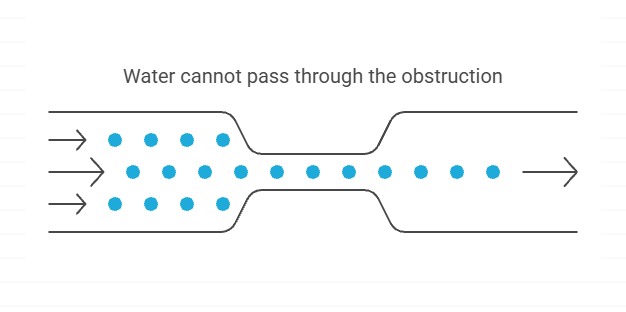
Toilets use a siphon and gravity to move waste through narrow trapways and pipes. Items that don’t dissolve, break apart, or travel easily become lodged inside these bends. Materials that absorb water, expand, harden, snag, or tangle create blockages that water pressure cannot push through. Sewer systems also cannot break down many household items, leading to fatbergs, pump failures, and environmental contamination.
Flushable wipes do not break down quickly enough to pass through plumbing systems. Their synthetic fibres remain intact, catching on pipe edges and forming large, dense clumps. These clumps combine with grease and toilet paper, leading to severe blockages in both household and council sewer lines. Read more about Sydney Bidet Plumbing Solutions.
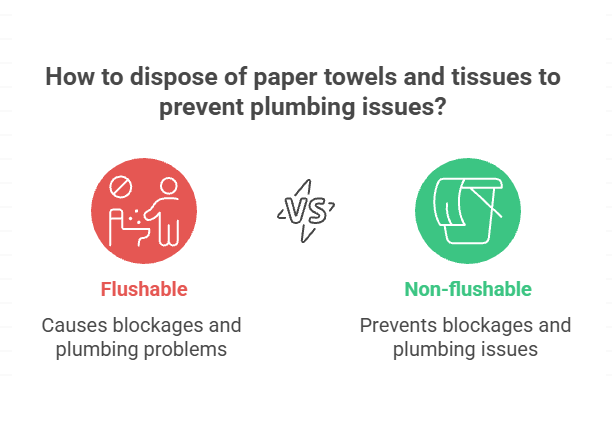
Paper towels and tissues are designed to stay strong when wet. Their fibres resist disintegration and can expand in water. When flushed, they clump together inside the trapway or waste pipe, causing blockages far more stubborn than toilet paper.
Sanitary products are made to absorb moisture and expand. When flushed, they swell inside the pipes, creating solid obstructions that water cannot push through. Cotton buds and cotton balls also bind together, trapping hair and debris as they move down the line.
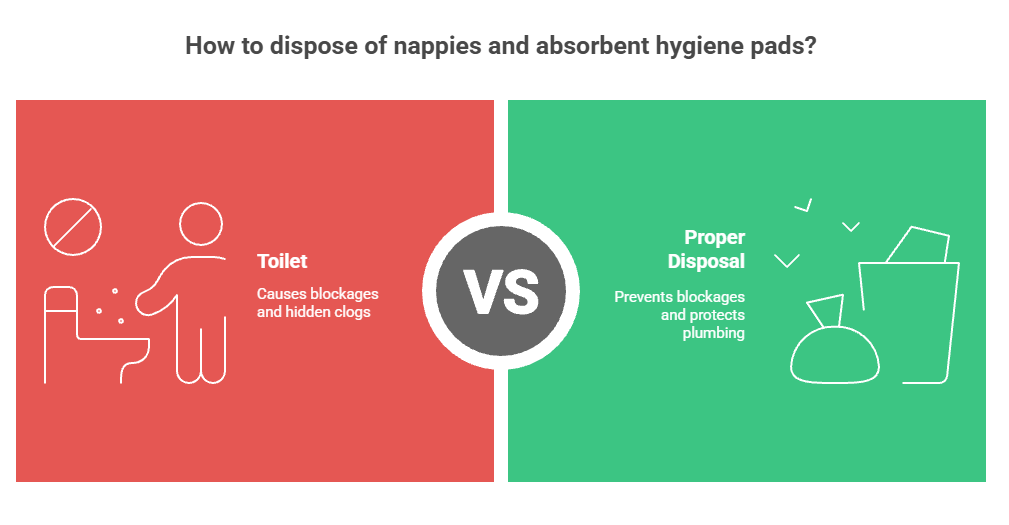
Nappies and absorbent hygiene pads are built to hold large volumes of fluid. Once flushed, they expand rapidly, blocking the trap within seconds. Even partial flushing of such items creates hidden clogs that worsen over time.
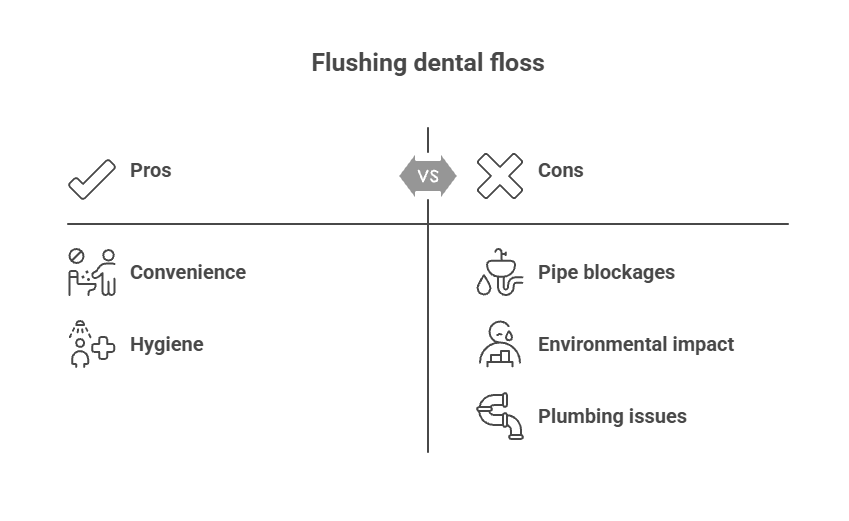
Dental floss acts like a net inside the pipes. It wraps around bends, snags on imperfections, and tangles with hair and wipes. This creates long, stringy blockages that fill the pipe and worsen with each flush.
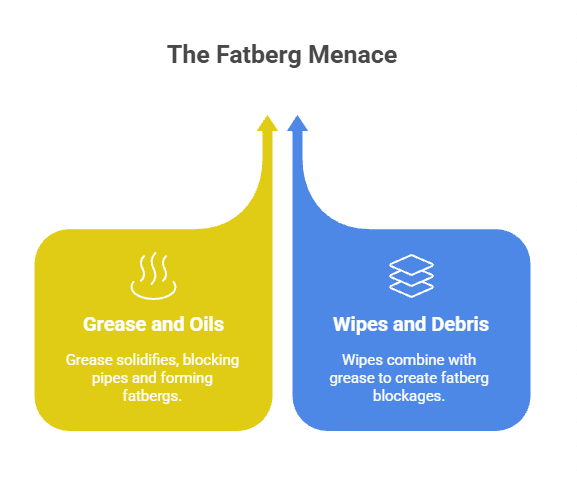
Grease and oils stick to pipe walls and cool down into a thick, hard residue. When combined with wipes or other debris, they form fatbergs, large, rock-like sewer obstructions that can shut down entire wastewater systems.
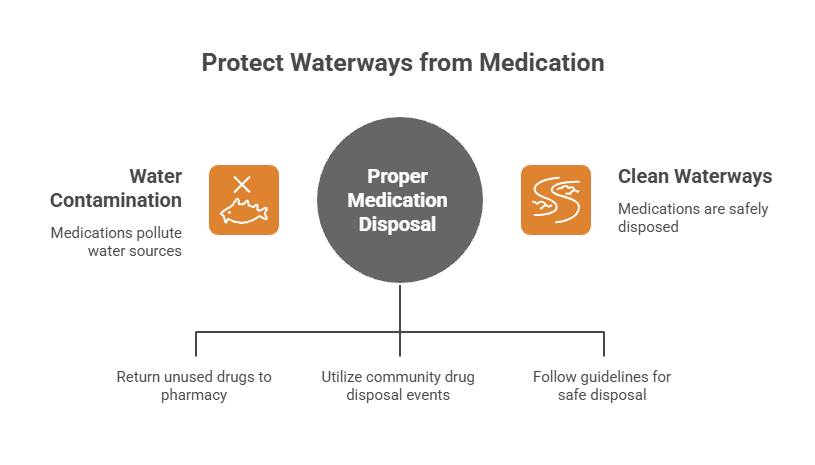
Medications do not break down safely in wastewater systems. They contaminate waterways, harm aquatic life, and pass into the environment unchanged. Toilets cannot filter chemicals, so flushing pills introduces pharmaceuticals directly into natural ecosystems.
Most cat litter clumps when wet. Once flushed, it hardens inside the pipes and becomes nearly impossible to remove. Pet waste, especially from cats, also contains parasites like Toxoplasma gondii that wastewater plants cannot fully remove.
Rubber and latex remain intact in water and can stretch to wedge themselves into pipe bends. These materials never dissolve and frequently cause blockages deep in the sewer network.
Hair forms dense knots inside the trapway. It tangles with toilet paper, wipes, and grease, creating heavy blockages that plungers struggle to dislodge. Hair also traps sediment and debris as it travels through the sewer line.
Small plastic items never break down. Their rigid shape allows them to lodge in pipe bends, creating a physical obstruction. Once stuck, they collect additional debris and eventually block the entire pipe.
Food scraps absorb water and expand, while coffee grounds settle into dense clumps. Toilets are not designed to push food down the sewer line; these materials create sludge-like blockages that obstruct water flow.
Signs include slow flushing, rising water in the bowl, gurgling noises from drains, sewage odours, or water backing up into the shower. These symptoms often indicate a foreign object caught inside the trap or sewer line.
Avoid flushing again. Additional water may force the item deeper into the pipes. Use a plunger or toilet auger immediately. If resistance is strong or water begins backing up, a plumber should inspect the system using CCTV camera equipment.
Any item that doesn’t dissolve instantly in water, wipes, cotton, floss, sanitary products, nappies, rubber items, litter, paper towels, food waste, plastics, and chemicals should always go in the rubbish bin. Only human waste and toilet paper should enter the toilet.
Place a small bin next to the toilet, use only dissolving toilet paper, educate family members about non-flushables, and avoid in-cistern cleaning tablets that degrade rubber seals. These simple habits, along with proper bathroom installation in Sydney, protect your plumbing long-term.
Flushable wipes contain synthetic fibres that resist dissolving. Unlike toilet paper, they remain strong in water and travel through pipes as solid sheets, creating major blockages when they catch on rough surfaces.
Paper towels absorb water and expand rather than disintegrate. Their reinforced fibres are engineered for durability, making them behave like sponges that lodge stubbornly inside trapways.
Sanitary products are designed to expand and absorb liquids rapidly. When flushed, they swell inside the pipe and form a tight, immovable obstruction that water cannot push through.
Cotton fibres tangle easily, trapping hair, soap scum, and paper fragments. As these materials bind together, they create a dense clog that grows larger with every flush.
Floss acts like rope inside pipes. It wraps around bends and joints, trapping wipes and other non-flushable items, forming net-like masses that block the sewer line.
Nappies contain gel absorbents that expand dramatically when wet. These materials swell to many times their size, instantly sealing the pipe and preventing water from passing.
Grease cools and solidifies inside pipes, forming a sticky coating. This coating attracts wipes, food scraps, and hair, eventually building into a solid fatberg that blocks the sewer main.
Wastewater plants cannot filter pharmaceutical chemicals. When flushed, medications travel through treatment systems unchanged, entering rivers and oceans and harming aquatic ecosystems.
Clumping cat litter contains bentonite clay, which becomes rock solid when wet. Once flushed, it settles inside pipes and creates blockages that plungers and augers cannot break apart easily.
Pet waste often contains parasites, bacteria, and organic matter that cling to pipe walls. Some pathogens, especially from cats, survive wastewater treatment and pose health risks.
Latex and rubber don’t disintegrate in water. They stretch and lodge inside pipe bends, creating flexible barriers that trap other debris and lead to major sewer obstructions.
Hair knots together and binds with oils, wipes, and paper, forming a strong mass that wedges itself into the trapway. These clumps grow larger over time and block the line fully.
Their rigid shape allows them to wedge inside pipe joints. Once stuck, they collect additional debris, especially wipes and hair, until the blockage becomes severe.
Food particles absorb water and expand, while coffee grounds clump into sludge. Toilets lack the water pressure needed to push food through, causing a gradual build-up deep in the system.
Harsh chemicals can erode rubber seals, corrode metal components, and disrupt septic tank bacteria. This leads to running toilets, leaks, and premature system failure.
A sudden blockage, especially after guests or children use the toilet, often indicates a foreign object lodged in the trap. Toilets rarely block instantly from toilet paper alone.
Non-flushable items act like plugs. Water struggles to bypass the obstruction, rising up the bowl before slowly trickling past the blockage, which is a classic symptom of wipes or cotton products.
Repeated blockages often point to wipes or foreign items caught deep in the pipe. Even small remnants trap new debris, causing ongoing issues until the pipe is properly cleared.
Gurgling occurs when trapped air moves past partial blockages. Items like wipes and floss create airflow restrictions, causing bubbling or gurgling sounds through other fixtures.
Non-flushables often wedge in areas plungers can’t reach. A plumber can use CCTV inspection and specialised tools to locate and safely remove the obstruction before it causes a major overflow.
A running toilet is a toilet that continues to let water flow after the flush cycle has finished. Instead of shutting off once the cistern refills, water keeps moving into the bowl or overflow tube, causing the toilet to run constantly or intermittently. A toilet that keeps running can waste hundreds of litres of water each day and usually indicates that one or more internal components are no longer sealing, regulating, or shutting off correctly. Understanding what a running toilet is and why it happens makes it easier to identify the fault and apply the correct fix before water bills and wear increase. If you are in need of a bidet plumbing expert in Sydney, contact us now!
A running toilet occurs when water continues flowing from the cistern into the bowl after flushing, instead of stopping at the correct water level. This can happen continuously or at random intervals throughout the day. In most cases, a running toilet is caused by a problem with the flapper, fill valve, float, or flush valve assembly. Because the system never fully seals or shuts off, the toilet keeps refilling and releasing water, even when it hasn’t been used.
When a toilet keeps running, it means the internal shut-off mechanism has failed to stop water flow at the right point. Water may be leaking slowly into the bowl, spilling into the overflow tube, or cycling on and off as the cistern level drops. While the toilet may still flush normally, continuous or repeated running signals an internal fault that will not resolve on its own and typically worsens over time.
Toilets are designed to refill once and then stop. When a toilet runs instead, it usually means a seal is worn, a valve is misadjusted, or a moving part is no longer responding correctly. Mineral buildup, ageing rubber components, incorrect float height, or manufacturing defects in newer toilets can all interfere with proper shut-off. Even a small internal leak is enough to trigger repeated refilling.
When a toilet keeps running after flushing, it means the system cannot fully shut off once the cistern refills. After the flush cycle ends, water should stop entering the tank and remain at a fixed level. If water continues flowing, one of the internal components—most commonly the flapper, fill valve, or float—is failing to seal or regulate the water correctly. This causes water to keep draining into the bowl or overflow tube, forcing the fill valve to stay open.
A toilet that runs for several minutes after flushing usually has a slow internal leak rather than a complete failure. The flapper may be sealing poorly, allowing water to escape gradually into the bowl. As the cistern level drops, the fill valve reactivates to compensate, creating a long or repeated refill cycle. This type of running often sounds quiet but continues for extended periods.
If water keeps flowing into the toilet bowl after flushing, it indicates that water is bypassing the flush valve instead of stopping inside the cistern. This commonly happens when the flapper does not sit flat against the valve seat or when the valve seat itself is worn or damaged. Even a small gap allows water to leak continuously into the bowl, keeping the toilet running even though the tank appears full.
A toilet that continues to run after the tank has filled often points to a fill valve or float problem. If the float is set too high, water rises above the normal shut-off level and spills into the overflow tube. If the fill valve is worn or clogged, it may not close completely even when the float reaches the correct height. In both cases, water continues flowing instead of stopping cleanly.
If the toilet runs every time it is flushed, the issue is consistent rather than intermittent. This usually means a key component has deteriorated enough that it fails on every cycle. Common causes include a hardened flapper, misadjusted float, stretched chain, or ageing fill valve. Because the fault repeats with each flush, the toilet will continue wasting water until the component is repaired or replaced.
A toilet that runs only after multiple or heavy flushes often has a borderline failure. The system may cope under light use but fail when larger volumes of water pass through. This can happen when the flapper seals unevenly, the float reacts slowly, or the fill valve struggles to shut off under higher demand. Over time, this type of issue typically progresses into constant running.
A normal flush does not mean the system is working correctly. A toilet can flush properly while still leaking internally. If the toilet keeps running after flushing but otherwise seems fine, water is usually escaping slowly through a seal or valve that no longer closes fully. These hidden leaks are often only noticed by the sound of running water or higher water bills.
If the fill valve keeps running, it means the valve is no longer shutting off when the correct water level is reached. This can happen when internal seals wear out, sediment builds up inside the valve, or the valve mechanism becomes misaligned. A faulty fill valve allows water to keep entering the cistern even though it appears full, causing constant or intermittent running. Hissing or spraying sounds inside the tank are common signs of a fill valve issue.
When the toilet fill valve runs on and off, it usually indicates a slow internal leak elsewhere in the system. Water escapes gradually from the cistern into the bowl, lowering the water level just enough to trigger the fill valve repeatedly. This cycle, often called “ghost flushing,” is most commonly caused by a leaking flapper or worn flush valve seat rather than the fill valve itself.
The float controls when the fill valve shuts off. If the float is set too high, sticks, or moves sluggishly, the valve does not close at the right time. Water may rise above the normal level and spill into the overflow tube, causing continuous running. Floats can also bind against the cistern wall or become waterlogged, preventing accurate shut-off.
When water runs continuously into the toilet bowl, it means water is bypassing the flush valve instead of staying inside the cistern. This is usually caused by a flapper that no longer seals properly against the flush valve opening. Even a small gap allows water to leak steadily into the bowl, forcing the fill valve to keep refilling the tank. Over time, this silent leak can waste a significant amount of water.
If the toilet tank isn’t filling correctly but water is still running, the problem is often related to a misadjusted float, blocked fill valve inlet, or partially closed supply valve. In some cases, water flows straight into the overflow tube instead of filling the cistern. This creates the sound of running water while the tank level remains low or unstable.
The flush valve opening and its sealing surface must be smooth for the flapper to seal correctly. If the flush valve seat is cracked, warped, or coated with mineral buildup, water leaks past the flapper even if it’s new. This constant leakage causes the toilet to keep running as the fill valve repeatedly replaces lost water. Flush valve damage often requires more than a simple flapper replacement.
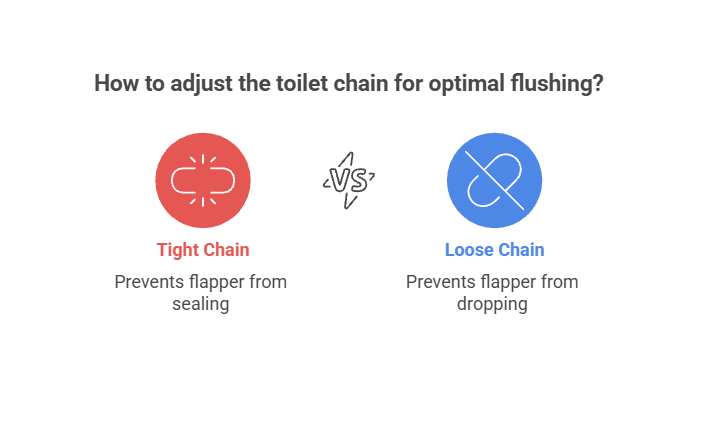
The lift chain connects the flush handle to the flapper. If the chain is too tight, it prevents the flapper from settling fully into place. If it’s too loose, the flapper may not align correctly when closing. In both cases, water leaks into the bowl and causes ongoing running. Correct chain length allows the flapper to lift freely and seal completely after each flush.
To identify the faulty component, remove the cistern lid and observe what happens after flushing. If water trickles into the bowl, the flapper or valve seat is leaking. If water flows into the overflow tube, the float height or fill valve is the issue. If the fill valve continues running even when the float is manually lowered, the valve itself has failed. Watching how water moves inside the cistern quickly reveals the source of the problem.
When a toilet runs off and on, it usually means water is slowly leaking out of the cistern rather than flowing continuously. As the water level drops, the fill valve activates to refill the tank, then shuts off again once the level is restored. This cycle repeats throughout the day, even when the toilet hasn’t been used. The most common cause is a flapper or flush valve seat that no longer seals fully.
A toilet that runs randomly is often experiencing a slow internal leak that goes unnoticed until the cistern level drops enough to trigger refilling. Temperature changes, water pressure fluctuations, or slight movement of internal parts can make the issue seem inconsistent. While the running may stop on its own temporarily, the underlying fault remains and usually worsens over time.
A toilet that runs occasionally rather than all the time typically has a partially failing component. The flapper may seal under some conditions but leak under others, or the fill valve may shut off inconsistently. Small leaks inside the cistern can take hours to lower the water level enough to activate the fill valve, making the running seem unpredictable.
If a toilet suddenly starts running, the issue is often caused by a part reaching the end of its usable life. Rubber components such as flappers and valve seals can deteriorate quickly once they begin to harden or crack. Sediment buildup inside the fill valve can also cause sudden failure, preventing the valve from sealing properly.
A toilet that runs mostly at night or when not in use is typically leaking slowly and quietly. During quieter hours, the sound of refilling becomes more noticeable. Lower overnight water pressure or cooler temperatures can also affect older valves, making intermittent leaks easier to detect during these times.
If the toilet stops running without any adjustment, it may be because internal parts temporarily shift into a better sealing position. The float may settle correctly, the flapper may reseat more evenly, or water pressure changes may allow the valve to close fully. These temporary fixes mask the problem but do not resolve it permanently.
Removing or replacing the cistern lid can slightly move the float or chain, allowing the system to shut off correctly for a short time. This creates the impression that the problem has been fixed, but the underlying misalignment or wear remains. Once the lid is replaced and the toilet is used again, the running often returns.
A new toilet that runs randomly is often affected by incorrect setup rather than wear. Misadjusted float height, improper chain length, or manufacturing residue inside the fill valve can all cause inconsistent shut-off. These issues are usually resolved by recalibrating the internal components rather than replacing them.
A toilet keeps running when the internal components cannot shut off the water flow. This usually happens because the fill valve isn’t closing properly, the flapper isn’t sealing the flush valve opening, or the float mechanism is set incorrectly. When these parts fail to synchronise, water continuously escapes into the bowl or overflow tube, forcing the fill valve to cycle endlessly.
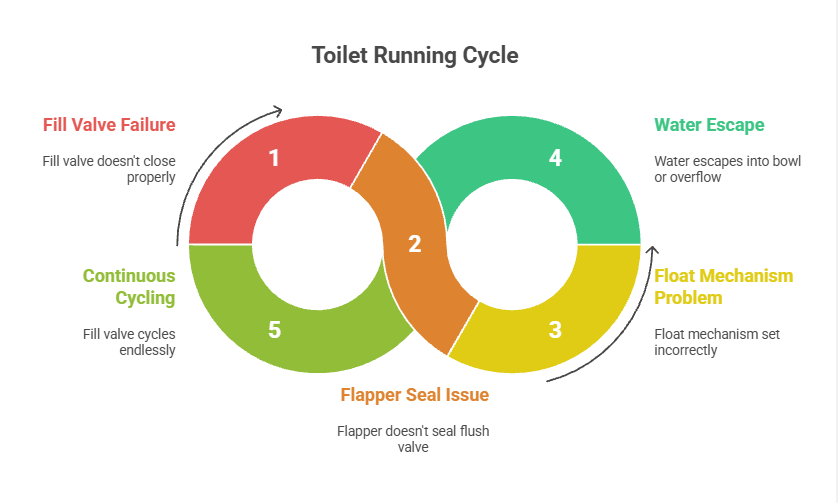
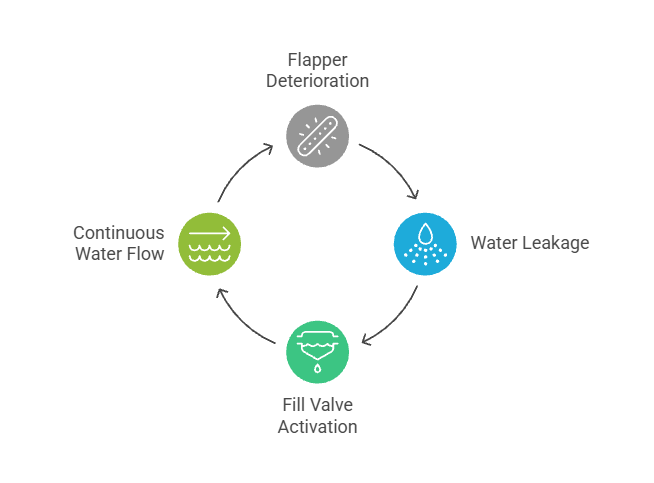
The flapper creates a watertight seal at the bottom of the cistern. If the flapper becomes brittle, warped, mineral-coated, or misaligned, water leaks past it into the toilet bowl. Even a small gap between the flapper and the valve seat allows water to drain slowly, keeping the fill valve open to compensate. A worn flapper is one of the most common causes of a running toilet.
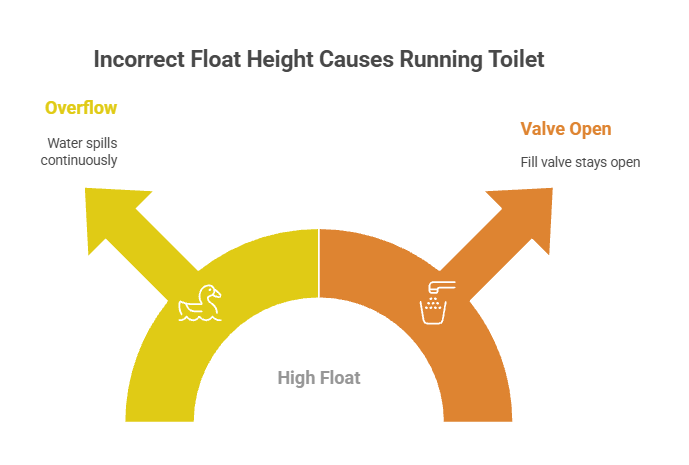
The float controls when the fill valve shuts off. If the float is set too high, the water level rises past the overflow tube, causing water to spill continuously into the bowl. Because the tank can never reach its shut-off point, the fill valve stays open. If the float is sticking or bent, the valve may also fail to close on time.
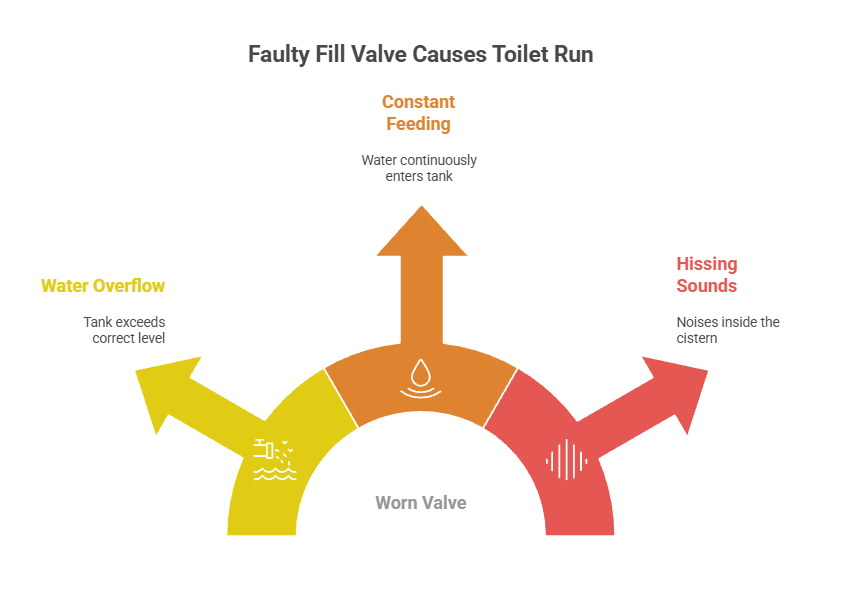
The fill valve regulates how much water enters the cistern. Over time, sediment, debris, and wear inside the valve prevent it from shutting off fully. When this happens, water continues feeding into the tank even though the correct level has been reached. A faulty fill valve often creates hissing, trickling, or spraying sounds inside the cistern.
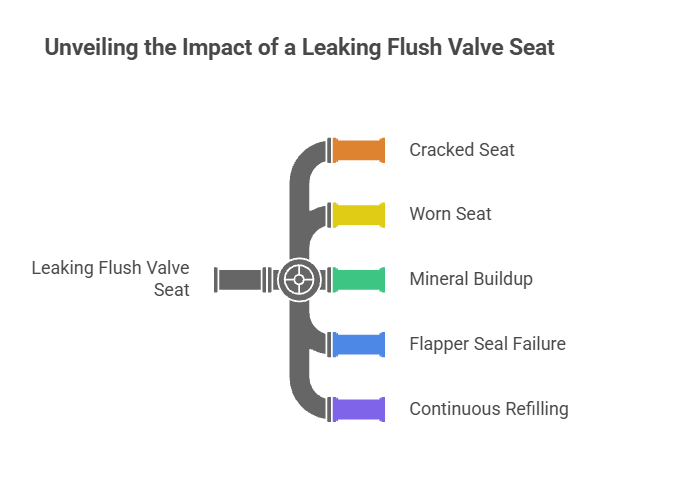
The flush valve seat is where the flapper rests. If the seat is cracked, worn, or covered with mineral buildup, the flapper cannot seal properly. Even if the flapper is new, a damaged valve seat allows water to escape, forcing the fill valve to refill the tank repeatedly.
The lift chain connects the flush handle to the flapper. If the chain is too tight, it prevents the flapper from sealing fully. If it’s too loose, the flapper may not drop into the correct position after flushing. In both cases, water continues leaking into the bowl, causing constant running.
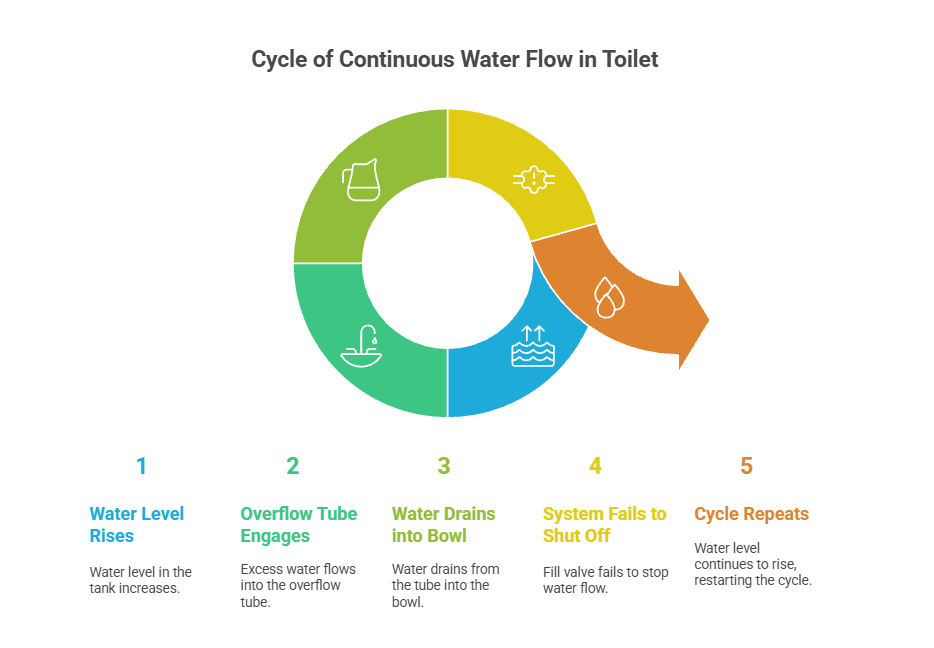
If water pours into the overflow tube constantly, the water level is too high or the fill valve is malfunctioning. The overflow tube prevents flooding by diverting excess water into the bowl, but continuous flow indicates that the system never reaches the shut-off point.
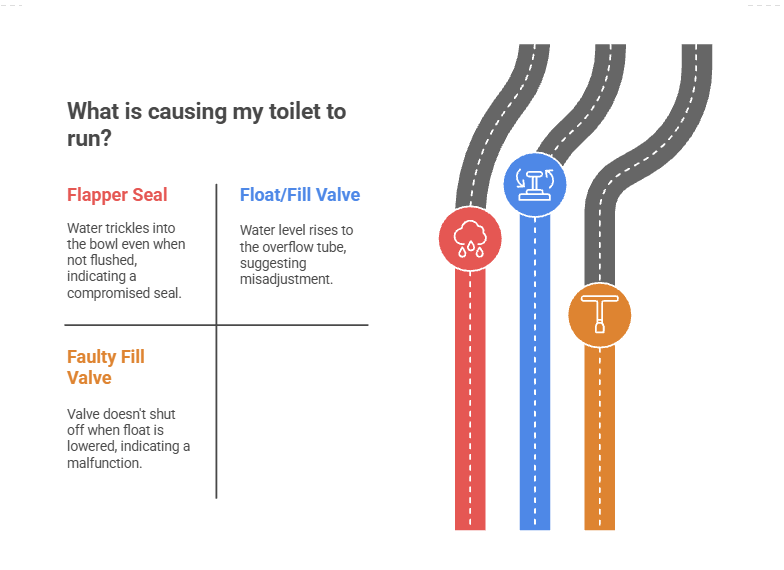
To diagnose the problem, remove the cistern lid and observe the water movement. If water trickles into the bowl even when the toilet isn’t being flushed, the flapper seal is likely compromised. If the water level rises to the top of the overflow tube, the float or fill valve is misadjusted. If the fill valve doesn’t shut off even when the float is lowered manually, the valve is faulty. Watching how each component behaves during and after a flush helps pinpoint the exact failure.
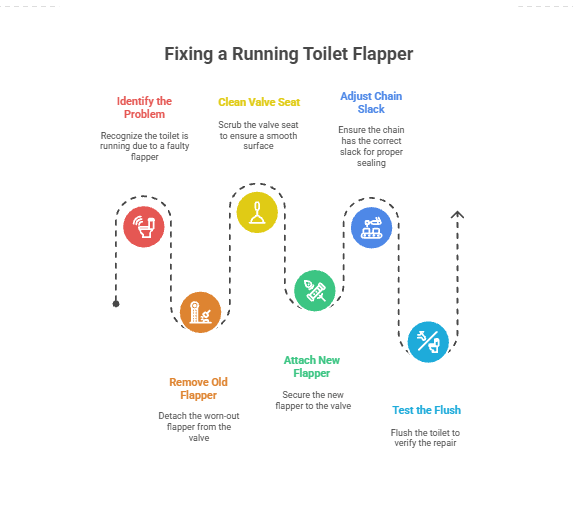
Replacing a flapper is one of the simplest repairs. Removing the old flapper, cleaning the valve seat, and attaching a new flapper usually restores a proper seal. Ensuring the chain has the correct amount of slack allows the flapper to rise fully during the flush and seal properly afterwards.
Adjusting the float height ensures the tank stops filling at the correct water level. On older systems with a metal float arm, gently bending the arm downward lowers the water line. On modern systems, sliding the float cup down the fill valve shaft achieves the same result. Correct float height prevents water from spilling into the overflow tube.
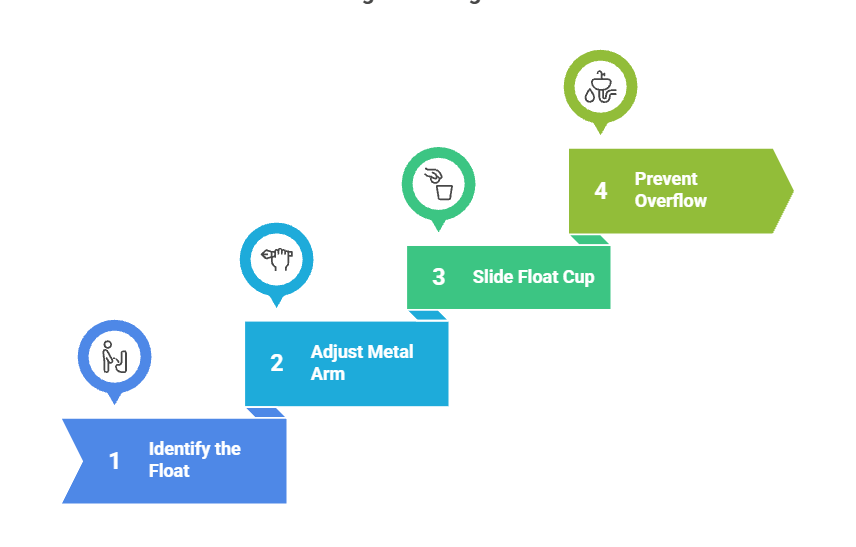
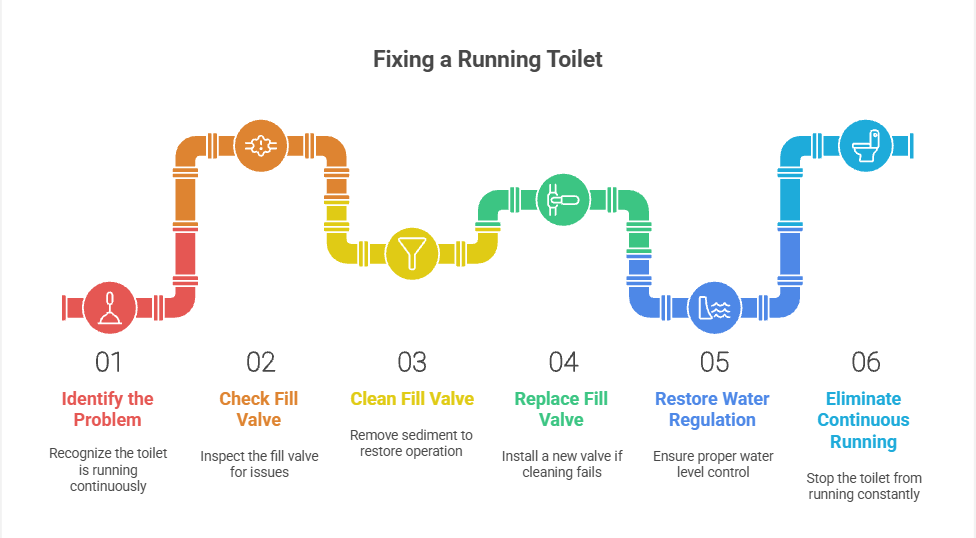
Cleaning the fill valve can sometimes restore proper operation, especially if the issue was caused by sediment. However, worn or cracked valves must be replaced. Installing a new fill valve restores correct water regulation and eliminates continuous running.
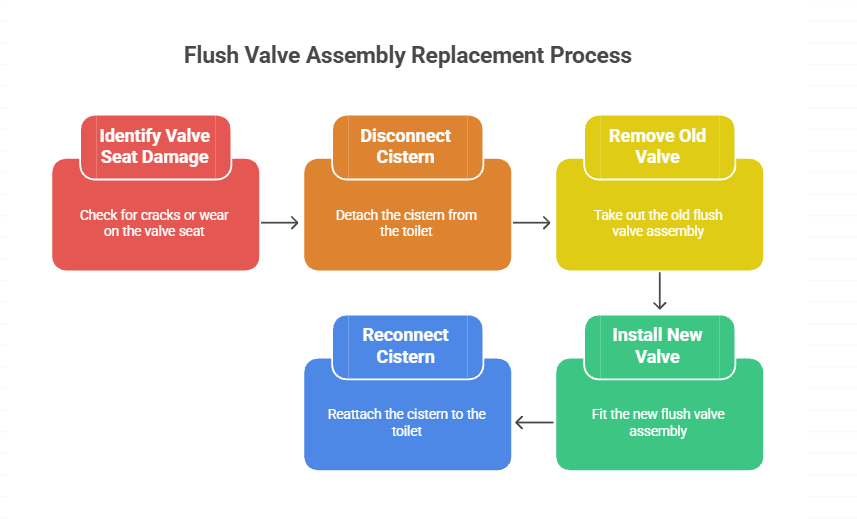
If the flush valve seat is cracked or severely worn, replacing the flapper alone won’t stop the leak. Installing a complete flush valve assembly requires disconnecting the cistern from the toilet, removing the old valve, and fitting a new one. This provides a long-term seal and prevents repeated running.
Stopping a running toilet requires identifying which internal component is failing and correcting it properly. While the symptoms may sound similar, the fix depends on whether the issue comes from the flapper, fill valve, float, chain, or flush valve seat. Addressing the correct part prevents repeated running and unnecessary replacements.
If water is leaking into the bowl, the flapper is often the cause. Inspect it for warping, cracks, mineral buildup, or stiffness. Clean the valve seat beneath it and replace the flapper if it no longer seals flat. Ensure the flapper closes fully after each flush.
The lift chain should have slight slack when the flapper is closed. If it’s too tight, the flapper stays partially open. If it’s too loose, the flapper may not seat correctly. Adjusting the chain length allows the flapper to lift fully and seal properly once the flush finishes.
If water is flowing into the overflow tube, the float is set too high or moving incorrectly. Lowering the float stops excess water from spilling into the overflow and allows the fill valve to shut off at the correct level. Make sure the float moves freely and isn’t rubbing against the cistern wall.
A fill valve that won’t shut off completely will cause constant or intermittent running. Sediment buildup or internal wear prevents proper sealing. Cleaning the valve may help temporarily, but worn valves usually need replacement to restore reliable shut-off.
If the flapper has been replaced but the toilet still runs, the flush valve seat may be damaged or rough. Mineral deposits, cracks, or corrosion prevent a watertight seal. In these cases, replacing the entire flush valve assembly provides a long-term fix.
After making one adjustment or replacement, flush the toilet and observe how the system behaves. Water should stop flowing once the cistern refills, with no trickling into the bowl or overflow tube. Testing step by step prevents unnecessary part changes.
The cost to fix a running toilet depends on which component needs repair and whether professional help is required. Minor fixes such as replacing a flapper or adjusting the float are relatively inexpensive. More complex issues involving the fill valve, flush valve assembly, or internal damage cost more due to labour and parts.
Delaying repairs often increases costs, as continuous running accelerates wear on other components and raises water bills significantly over time.
Yes, a toilet that keeps running should always be addressed. Even a slow internal leak can waste hundreds of litres of water each day. Beyond higher water bills, constant running puts extra strain on valves, seals, and fittings, increasing the likelihood of further failures.
In some cases, long-term running can lead to mineral buildup, noise issues, and damage to internal components that would otherwise last much longer.
Ignoring a running toilet allows a small mechanical fault to become a larger system failure. Rubber components continue to degrade, valves wear unevenly, and water loss accumulates quietly. Over time, this can result in:
Early intervention prevents escalation and keeps repairs simple.
Professional assistance for toilet replacement in Sydney is needed if the toilet continues running after replacing the flapper, adjusting the float, and installing a new fill valve. Persistent leaks, damaged internal parts, cracked cisterns, or corroded flush valve seats often require expert repair. Our certified plumber at Quintessential Plumbing can also identify hidden issues such as supply line pressure problems or structural tank damage.
A continuous hiss indicates the fill valve is struggling to shut off. Sediment buildup or internal wear prevents the valve diaphragm from sealing properly, allowing water to flow constantly into the cistern.
If water trickles into the bowl, the flapper is not sealing the flush valve opening. The flapper may be warped, coated in mineral deposits, or misaligned, preventing a watertight seal.
Random refilling, also known as “ghost flushing,” happens when water leaks slowly from the cistern into the bowl. As the water level drops, the fill valve reactivates. This is usually caused by a deteriorating flapper or a cracked flush valve seat.
The float determines when the fill valve shuts off. If the float is set too high, the water rises to the overflow tube and spills continuously into the bowl. Lowering the float stops excess water from entering the overflow tube.
If the toilet continues running after a new flapper is installed, the valve seat may be damaged or covered in residue. A rough or cracked seat prevents the flapper from sealing properly.
Lower water pressure or temperature changes can affect older fill valves, causing them to leak intermittently. Small leaks inside the cistern become more noticeable during quiet hours.
A running sound with a normal water level often suggests the fill valve is leaking internally, releasing a thin stream of water that isn’t visible unless inspected closely.
If the chain is too tight, the flapper stays partially open. If it’s too loose, the flapper may not settle back into place. Both conditions allow water to escape continuously into the bowl.
Sediment from old pipes or tank water can clog the fill valve’s internal mechanisms, preventing it from closing fully. This leads to constant water flow and a noisy cistern.
The fill valve controls water entry into the cistern. When worn, cracked, or clogged, it fails to shut off. Installing a new valve restores proper shut-off action and eliminates constant filling.
A slow stop indicates the flapper takes too long to settle or the water level is set too high. Misadjusted floats or slow-falling flappers prolong the refill cycle unnecessarily.
When the water level exceeds the top of the overflow tube, excess water dumps directly into the bowl instead of stopping at the set level. This means the float height or fill valve shut-off is incorrect.
Bubbling sounds often point to air being drawn through the overflow tube due to turbulence caused by continuous water movement. This also suggests a high water level or internal valve leak.
If the cistern was cleaned using in-tank tablets or strong cleaners, the chemicals may degrade rubber seals, including the flapper. Damaged seals cause leaks that lead to constant running.
Touching or shifting the lid can temporarily move the float or chain into a better position, masking the problem. Once the lid is replaced, the misalignment often returns.
If the replacement float is not calibrated correctly or is obstructed by the cistern wall, it may not rise freely. This stops the shut-off mechanism from engaging.
Cistern leaks often go unnoticed in the bowl because the leak is small but constant. Low bowl water can be unrelated and caused by siphon jet blockages or evaporative loss.
Reducing water flow doesn’t fix the underlying issue. The fill valve or flapper still leaks, so the toilet continues to run slowly despite the lower pressure.
Age-related wear on flappers, valves, gaskets, and seals makes older toilets more prone to leakage. Newer toilets use improved materials designed to resist mineral buildup and degradation.
Persistent running indicates structural issues such as a warped flush valve seat, cracked cistern, deteriorated overflow tube, or hidden supply line problems that require professional tools and expertise.
A severely blocked toilet can feel overwhelming, especially when the water level rises close to overflowing. A deep obstruction in the trap or sewer line stops water from draining and prevents flushing entirely. Understanding what’s causing the blockage and which techniques work best allows you to clear the blockage safely and avoid damaging the toilet. This guide explains why severe blockages occur and the steps to restore proper flow. Find out more about Sydney’s Best Bidet Installation Plumbing Expert.
A toilet becomes severely blocked when something restricts the trapway or the waste pipe beyond the bowl. Excessive toilet paper, wipes, sanitary items, or foreign objects can form a dense obstruction. Older drains with narrower diameters or rough internal surfaces are more prone to catching debris. Low-flow toilets, slow siphon action, and poor venting also contribute to major blockages by preventing waste from moving effectively through the trap.
When the trap is obstructed, water cannot pass through the bend and into the drain. The bowl fills instead, rising dangerously high. Because the siphon cannot form, the flush simply pushes more water into the bowl rather than pulling water down the drain. This rise-and-stall behaviour is a key indicator of a severe blockage.
Before attempting to clear the blockage, preventing overflow is essential. Turning off the water supply tap behind the toilet stops the cistern from refilling. If the toilet has already been flushed, waiting for the water level to slowly drop often gives enough room to begin clearing the obstruction safely.
A flange or accordion-style plunger creates a stronger seal and more pressure than a standard cup plunger. When pressed firmly into the bowl’s outlet, it generates a force that pushes and pulls water against the obstruction. This hydraulic action dislodges compacted material and encourages it to move through the trap. Several forceful plunges may be needed before the water starts draining.
A toilet auger reaches deeper into the trap and the waste line beyond the bend. Its flexible shaft and angled tip can break apart solid blockages or hook onto foreign objects. When the auger meets resistance, turning the handle helps either pull the obstruction out or push it through into the wider pipe, where water pressure can carry it away. This is more effective than plunging alone for wipes, toys, or hardened debris.
Hot water softens dense toilet paper and organic matter. Dishwashing liquid coats the trapway and reduces friction. Pouring hot, but not boiling, water into the bowl gradually heats the blockage, making it more pliable. The soapy mixture lubricates the trap and helps a tightly packed obstruction slide through more easily. This method also prepares the blockage for plunging by reducing its resistance.
Baking soda and vinegar create a foaming reaction that can help break down organic waste and paper buildup. While this method may not remove very large or solid objects, it loosens compressible material inside the trap. Allowing the mixture to sit for thirty to sixty minutes softens the obstruction, making plunging or augering more effective.
If the bowl is full, using a small container or wet/dry vacuum to lower the water level makes room for plunging or adding hot water safely. Lowering the water level also helps you gauge whether the obstruction has shifted after each attempt by monitoring water movement more clearly.
Chemical drain cleaners can cause strong reactions and generate heat that may damage the porcelain or the toilet’s internal seals. They are often ineffective against solid blockages such as wipes or foreign objects. Chemical cleaners also create hazardous splashes if used before plunging or augering.
If other fixtures, such as the shower, bath, or sink, also drain slowly or gurgle, the blockage may be in the main sewer rather than inside the toilet. This often requires professional intervention because the obstruction is deeper in the drainage system and cannot be reached with household tools.
A professional toilet fitting service in Sydney is needed when plunging, augering, hot water techniques, and chemical-free treatments fail. If the blockage sits beyond the toilet’s trap, specialised equipment such as motorised augers or high-pressure jetting may be required. Odours, recurring blockages, or water backing up into other fixtures also indicate a problem deeper in the line.
Preventing major blockages begins with keeping non-flushable items, such as wipes, cotton buds, and sanitary products, out of the toilet. Using moderate amounts of toilet paper, maintaining good water pressure, and addressing early signs of slow flushing help prevent build-up. Households with older plumbing benefit from periodic drain inspections to catch problems before they worsen.
A water rise without draining indicates a partial blockage in the trapway or immediately beyond it. The water tries to push through the obstruction, but because the flow is restricted, it slowly seeps past the blockage instead of flushing smoothly.
If air leaks around the plunger seal or the blockage is too deep for suction pressure to reach, plunging becomes ineffective. A poor seal or a blockage beyond the trap bend limits how much hydraulic pressure can be applied.
A refill from the cistern means the water supply is fine, but the trapway or sewer line is blocked. Water entering the bowl can’t escape through the restriction, so flushing creates backflow instead of siphon action.
Excessive toilet paper, paper towels, low-flow toilet designs, poor venting, and narrow or older pipes can all cause blockages without foreign objects. Over time, organic waste can also compress into a dense obstruction.
Low-flow toilets use less water per flush, reducing their ability to push waste through the trap. Dense waste or thick paper can remain lodged where a larger flush volume from older toilets would have cleared it.
If only the toilet is affected, the blockage is likely in the trapway. If multiple fixtures gurgle or drain slowly, such as the shower or sink, the blockage is probably deeper in the sewer line.
Bubbles without movement show that the plunger isn’t creating a full seal over the trap opening. Without a tight seal, the plunger pushes air rather than transferring pressure to the blockage.
A toilet auger physically reaches the obstruction, unlike a plunger, which only applies force. The auger’s coil and hooked tip can break apart wipes, toilet paper masses, toys, and compacted debris lodged deep in the trap.
Hot water softens thick paper clumps and breaks down organic matter. When combined with dishwashing liquid, it lubricates the trapway, reducing friction and helping lodged material slide through the pipe.
Boiling water can crack porcelain due to sudden temperature changes and can warp plastic components inside the toilet. Hot, but not boiling, water is safe and just as effective.
A slow drop usually means water is gradually seeping past a compacted clog. This indicates the obstruction is tight but not completely solid, which often responds well to plunging or augering.
If the blockage appeared suddenly, especially right after young children used the toilet, a foreign object is likely stuck. Toys, toothbrushes, and small containers often lodge in the trap where plunging alone cannot remove them.
The foaming reaction softens organic matter and dissolves soap scum, but cannot break apart wipes, plastic items, or compacted foreign objects. Chemical reactions work best for paper-based or organic blockages.
Gurgling indicates trapped air inside the drain line, often caused by a partial blockage or venting problem. As the obstruction worsens, the toilet eventually stops flushing altogether.
Lowering the water level gives space for plunging, prevents overflow, and allows hot water or cleaners to be added safely. It also makes it easier to observe changes in water movement during clearing attempts.
Chemical cleaners generate heat and can damage toilet seals, warp plastic components, and crack porcelain. They also create hazardous splashes when plunging, making them unsafe for toilets.
Recurring blockages indicate a deeper issue: rough pipe interiors, partial sewer obstruction, insufficient flush power, or wipes caught beyond the trap. A professional drain inspection may be needed.
This means the blockage is in the main sewer line rather than the toilet. Wastewater cannot move further down the system, so it reverses into the lower drains in the bathroom.
If augering fails, the blockage is likely beyond the toilet’s reach, sitting deeper in the sewer line. Professional plumbers use CCTV drain cameras and jetting equipment to remove stubborn or extensive blockages.
Heavy rain can overwhelm external drainage systems, causing slow sewer flow or temporary backpressure. This reduces the ability of waste to move efficiently through the line, making blockages more likely.
A toilet that suddenly refuses to flush can be caused by anything from a simple mechanical issue in the cistern to a deeper blockage in the trap or drain line. Understanding what’s stopping the flushing mechanism helps you fix the problem quickly and avoid unnecessary damage or overflow. This guide explains why toilets fail to flush and the steps you can take to restore normal operation.
If the handle moves but nothing happens, the internal components that connect the handle to the flush valve may be disconnected. The lift chain may have snapped, come loose, or stretched. A broken handle arm can also prevent the flush valve from lifting. Without this lift action, water cannot be released from the cistern into the bowl, making the flush ineffective. Read more about bidet plumbing in Sydney.
A proper flush requires enough water in the cistern to generate force. When the water level is too low, the flush loses power and may not clear the bowl. Low tank levels happen due to incorrect float settings, a partially closed shut-off valve, or a faulty fill valve that doesn’t refill the cistern properly.
The flapper or flush valve must lift fully to let water rush from the cistern into the bowl. A worn, warped, or misaligned flapper can prevent the lift needed for a full flush. Mineral buildup or debris around the valve seat can also limit movement, reducing the water flow and weakening the flush.
The trapway, the curved section inside the toilet base, helps create siphon action. When waste, wipes, or toilet paper accumulate inside the trap, it becomes blocked. A clogged trap restricts water movement, preventing the siphon from forming. As a result, water rises but cannot be pulled through the drain.
If multiple fixtures drain slowly or gurgle, the blockage may be deeper in the drain line rather than inside the toilet itself. Tree roots, collapsed pipes, accumulated wipes, or heavy blockages in the main sewer line can prevent flushing altogether because there’s nowhere for the wastewater to go.
A proper flush depends on the bowl water level. Too little water reduces siphon strength. Too much water can prevent siphon formation or cause overflow instead of flushing. Problems such as a blocked siphon jet, clogged rim holes, or a partial trap obstruction can alter bowl water levels and weaken the flush.
Checking the cistern first is the simplest way to diagnose the issue. Remove the lid and lift the handle, if the chain doesn’t move, it needs adjusting or reconnecting. Look at the water level and confirm it’s reaching the marked fill line. Inspect the flapper for wear or misalignment. If the cistern components look normal, the issue is likely a clog in the trap or drain. Performing a gentle test flush will show whether water can leave the bowl or is being obstructed.
If the lift chain has too much slack, it won’t raise the flapper high enough. Adjusting it to a proper tension allows the flapper to lift completely. If the handle arm is corroded or broken, replacing it restores proper movement. These are fast fixes that often restore full flushing power.
A fill valve that no longer refills the cistern correctly must be cleaned or replaced. Sediment, age-related wear, or internal damage can slow the refill process or stop it entirely. Installing a new valve restores normal tank water levels and ensures enough pressure for a full flush.
Using a plunger is the first step, creating suction and pressure to dislodge the obstruction. If plunging fails, a toilet auger can reach deeper into the trap to break apart the blockage. If both methods fail, the clog likely sits further down the drain line and needs professional clearing.
Professional help is needed when multiple drains are affected, water backs up into the shower or bath, the toilet overflows repeatedly, or the cistern mechanisms are intact but the flush still fails. These signs often point to a deeper sewer issue, a collapsed pipe, or a stubborn obstruction requiring specialised equipment.
Toilet performance improves when non-flushable items are kept out of the bowl. Regular cleaning of rim holes, siphon jets, and cistern components prevents mineral buildup. Ensuring the water level stays consistent in the tank and addressing early signs of weak flushing helps prevent complete failure later.
A loose handle usually means the lift chain has disconnected or the handle arm has worn out. Without tension pulling the flapper, the cistern can’t release water into the bowl, resulting in a dead flush.
If the tank is full but the toilet doesn’t flush, the flapper may not be lifting high enough to release water. Issues like chain slack, a warped flapper, or mineral buildup around the valve seat can prevent proper water flow.
A weak flush often means insufficient water pressure, blocked rim holes, a clogged siphon jet, or a partially obstructed trap. Any restriction in water flow reduces the siphon effect needed for a strong flush.
A blockage in the trap or drain line prevents water from travelling past the S-bend. Instead of being pulled through the drain, the water rises in the bowl because the siphon action can’t form.
Low-flow toilets use less water per flush. When there isn’t enough water volume or pressure, waste may not travel fully through the trapway. Dense waste or thicker toilet paper makes the problem worse.
A low bowl water level can indicate a crack in the trap, evaporation from rarely used toilets, or partial siphoning caused by a nearby drain issue. Low bowl levels reduce flushing strength substantially.
Gurgling suggests a blockage in the vent or drain line. Air becomes trapped in the plumbing system and escapes through the toilet during flushing, weakening the ability to form a proper siphon.
Intermittent flushing often points to inconsistent tank water levels, float malfunctions, or partial drain blockages that shift position. Mineral deposits in rim holes can also cause unpredictable flush strength.
A lightly blocked trap or drain line may allow small flushes to pass but fail when more water or waste is introduced. This indicates a blockage forming deeper in the system.
A slow refill often indicates a faulty fill valve, sediment buildup in the supply line, or a partially closed shut-off valve. If the tank takes too long to fill, the toilet won’t flush effectively on the next use.
The flushing mechanism is internal. Pressing harder doesn’t increase water flow; only the chain tension, flapper lift, and water level affect flush performance. If those components fail, force won’t change the outcome.
This is a sign of a partial drain blockage. The restriction slows water movement, causing it to rise before gradually being pulled through the limited opening.
Multiple flushes usually signal weak siphon action due to clogged rim jets, a low water level in the cistern, worn flapper seals, or a partially obstructed trap.
If plunging doesn’t create enough suction or the blockage is too deep, a toilet auger may be needed. Wipes, foreign objects, or dense blockages often resist plunging and must be broken apart mechanically.
This indicates a leak in the flapper or a failing fill valve. Small cistern leaks waste water and reduces the available volume for the next flush, causing flush failure.
Some cleaning tablets or in-cistern chemicals cause residue buildup that blocks rim jets over time. This restricts water flow during flushing and weakens the siphon.
Stormwater infiltration in sewer lines can raise pressure or cause temporary blockages, affecting toilet drainage. This often happens in older properties with clay pipes.
Replacing the handle often changes the chain length unintentionally. If the chain is too tight, the flapper won’t seal; if too loose, the flapper won’t lift. Both issues stop the flush from working.
Overflow indicates a blocked trap or main drain line. If water cannot move downward, it moves upward instead, creating an overflow hazard that requires immediate attention.
If the problem isn’t inside the cistern or trap, the blockage likely sits deeper in the sewer system. Sydney toilet installers with professional equipment, such as CCTV cameras, augers, or jetting machines, are required to remove it safely.