


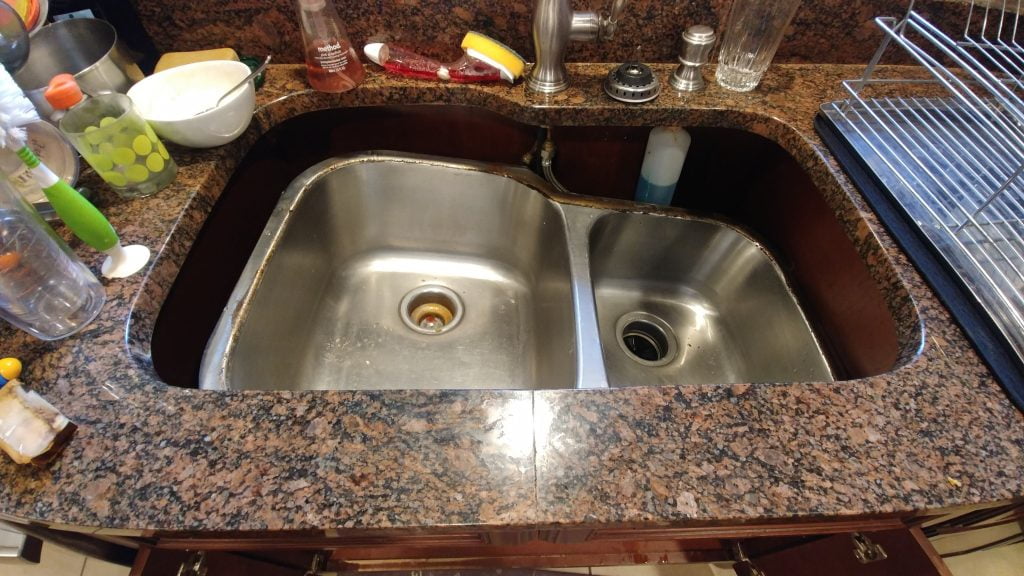
If your Kitchen Sink fell down, the first thing you should do is to get it out. Make sure to turn off the water to the faucet. Next, remove the drain hardware and plumbing and any gaskets. Once you have removed everything, make sure to place a bucket underneath the sink. You may need to get some tools to do this job properly. Be careful not to try and rescue items, as this can cause further damage to the pipe. If the plumbing leak is causing a lot of damage, call a plumber as soon as possible.
To repair the problem, first remove the top flange. Then, scrape off the caulk. Afterward, apply a sealant to the top flange of the sink. Finally, wipe away any excess silicone sealant. You should then apply new sealant to the top ring. After the sealing process is complete, reinstall the sink. It will take about an hour to replace the sink.
The next step is to repair the plumbing. The repair of a sink is no easy task, so you may need to hire a plumber. However, it is worth it if you can fix the problem yourself. Professional installation ensures that the sink is watertight and secure. After all, nobody wants to wash their dishes in the bathtub. A countertop specialist will be able to fix your sink using a metal brace or a wood brace. The sink will be attached to the countertop with silicone caulking and epoxy adhesive.
If the problem is with the undermount sink is loose, you should hire Quintessential Plumbing in Sydney for Kitchen Sink Install. They will be able to handle the job in an hour or less. You may have to remove the sink in order to get to the pipes. Usually, this process takes about an hour, but you may need to crawl under the sink to install the new one. Once you have completed this, do not forget to reconnect all the drain pipes and plumbing lines before proceeding.
If the sink is not under mount has dropped, it may need to be reinstalled. To do this, you need to crawl under the sink and apply the silicone sealant. In order to do this, you must remove the plumbing and the drain pipes from the sink. Lastly, the sink should be properly reinstalled. You should contact a plumber for this type of project. This work will take about an hour and cost you about $2,000.
When the undermount sink is under mount fell off, you must get the plumbing and the drain pipes removed. In case the undermount sink is undermount, you must use a tool to remove it. The plumber will charge you approximately 45 to $200 an hour. You should also ask a plumber to do the installation if you are not able to do it yourself. It is not advisable to do this as it could result in a dangerous situation.
Are you still attempting to fix your sink with a DIY adhesive or trying to glue your kitchen sink? Rather than wasting time, contact Quintessential Plumbing. You may rely on only one kitchen sink plumbing service in Inner Sydney, St. George, or other regions of Sydney. When it comes to plumbing repairs, it’s never too late to call us. To make things transparent and fair, we provide honest, up-front charges!
Most kitchen sinks stop draining because grease, food particles, and residue collect in the P-trap or the pipe just beyond it. Grease solidifies and blocks the line, food particles accumulate and block, and residue leads to buildup that becomes waste buildup. Waste buildup is the primary cause of a kitchen clog.
A kitchen sink that won’t drain is almost always dealing with a clog that blocks drainage somewhere in the drain. The drain is the channel in your kitchen plumbing that carries wastewater away through a network called the drainage system, and that drainage system conveys wastewater through each pipe and fitting until it reaches your sewer line (city homes) or septic system (some properties). When the flow slows, a slow drain is often the first warning sign because slow drainage indicates blockage.
The good news: many kitchen clogs can be cleared with careful DIY steps, as long as you take safety seriously, avoid the common traps that make things worse, and work out the blockage location so your effort targets the right spot. Blockage location matters because it identifies the problem area you need to clear. Discover more about Kitchen Sink Installation Services in Sydney.
In kitchens, grease is the top offender. Grease solidifies and blocks the inside of the pipe, especially after it cools. Once grease coats the pipe walls, food particles tend to stick. Food particles accumulate and block the drain over time. Add soap scum and the problem escalates because soap scum adheres to pipe walls and traps more debris.
That mix often includes sediment. Sediment contributes to clog formation by packing into greasy sludge and tightening the blockage.
Under the sink sits the P-trap, a curved section designed to hold a water seal and catch debris. The P-trap catches debris, which is useful for retrieving lost items, but it also makes the trap a common location for clogs.
Behind the P-trap is the trap arm, a short horizontal pipe. The trap arm connects to drain line in the wall, and clogs often sit right there.
Not as common as bathrooms, but hair buildup shows up when hair gets washed from hands, pet washing, or mop buckets. Hair buildup causes blockage, especially when it tangles with grease and soap scum.
If you have hard water, minerals can form scale. Hard water causes deposits, and scale narrows pipe space, leaving less room for normal flow.
Sometimes it’s simply a foreign object (plastic, sponge fragments, a cap). A foreign object blocks flow quickly and can lodge in the drain opening or P-trap.
It can feel “not clogged” when water still moves a little. A partial clog can create a slow drain, and a slow drain still indicates blockage.
Two other issues can mimic a clog:
A home’s vent stack is designed so air can enter the drain system. The vent stack allows proper drainage by preventing suction and gurgling. If there’s a blocked vent, that airflow restriction affects drainage and can make the sink drain slowly or back up.
Some homes also use an air admittance valve under the sink. An air admittance valve balances pressure to support proper draining.
If the pipe slope is wrong, water doesn’t carry debris well. Pipe slope affects flow. If the pipe diameter is too small, that limitation influences clog likelihood.
A rising water level in the sink bowl usually means the clog is close and strong. Water level indicates flow issue.
Gurgling is a big clue. Gurgling signals blockage, often combined with venting trouble. Odor often indicates buildup in the trap or waste line. A foul smell is a stronger warning; foul smell is a symptom of clog.
If sewer smells are noticeable, sewer gas can be involved. Sewer gas sometimes escapes through trap problems (like a dry trap or poor venting).
Your waste line is the pipe path that carries waste away from the sink and connects toward the main system.
More water increases pressure and mess. It also raises the water level and can lead to a backup.
A clog right at the top is the easiest fix. A strainer blocks solids, but food can still pack beneath it. A sink basket also traps solids, and it can be clogged underneath.
Also, look at the sink flange (the metal ring at the drain opening). The sink flange seals the drain entry, and gunk can collect around the edges.
Scoop or use a cup to lower the water level into a bucket so you can work on the trap without flooding the cabinet.
Safety matters most if you’ve used chemical cleaners already.
A plunger can help by moving pressure through the line. A plunger dislodges blockage when you get a solid seal and control the airflow.
If it’s a double sink, block the other side. If you have a garbage disposal (also called a waste disposal unit), keep it off while plunging. A garbage disposal processes food waste, and a waste disposal unit processes food, but they don’t solve a blocked pipe on their own.
This is often the best “bang for effort” fix because the P-trap catches debris.
You’ll typically need an adjustable wrench; an adjustable wrench loosens fittings. If a metal fitting is stubborn, a pipe wrench helps; a pipe wrench tightens bolts and grips firmly.
Once the trap is off, this is where manual removal shines. Manual removal removes blockage directly, grease sludge, food particles, hair tangles, or a foreign object.
When reassembling, check seals:
If a threaded join seeps, use Teflon tape; Teflon tape seals threads. You may also hear it called plumber’s tape, plumber’s tape prevents leaks.
If water drips after reassembly, you’ve got a leak. A leak indicates failure of a seal, joint, or alignment, tighten gently and reseat.
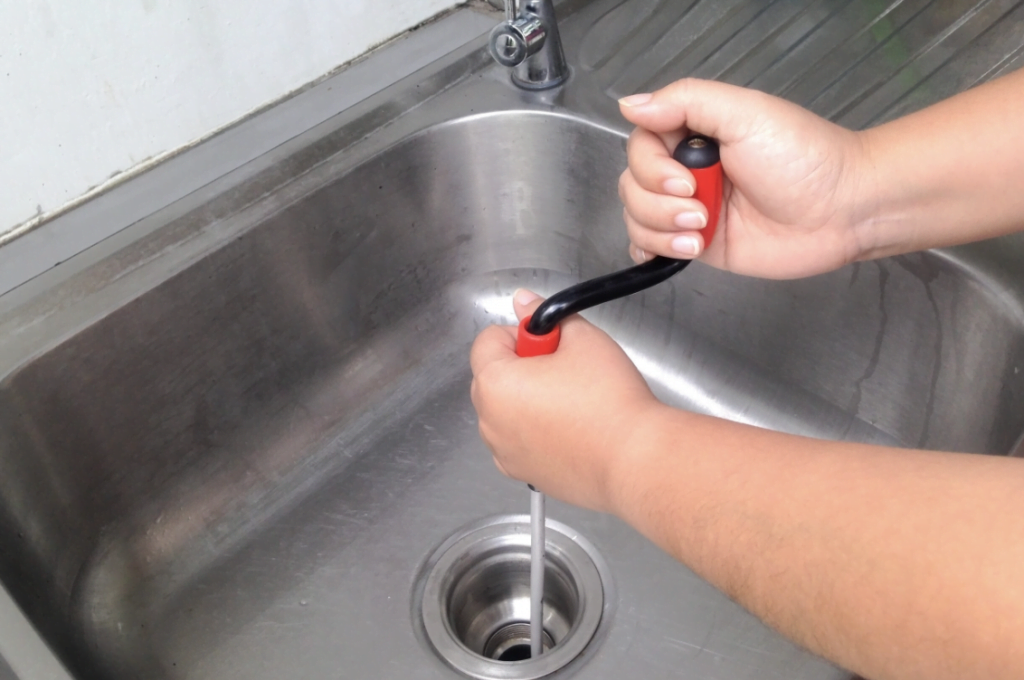
A drain snake is one of the most effective budget tools. A drain snake extracts blockage that plungers can’t reach. Feeding it into the trap arm and wall line often works better than snaking from the top.
A wet vacuum can pull water and debris out quickly. A wet vacuum sucks obstructions and helps you lower the water level before trap work.
Boiling water can help when the clog is soft grease. Boiling water melts grease, but it’s unreliable against thick fat plugs or packed food.
Baking soda helps dissolve residue in light build-up situations. Vinegar reacts to clear residue when paired with baking soda. For standing water clogs caused by grease and food, mechanical clearing (trap + snake) usually wins.
Because the reaction often can’t contact the thick clog surface effectively, especially when grease has solidified. It’s fine as a mild cleaner after the drain is flowing again, but not the best primary fix when the sink is completely blocked.
A chemical drain cleaner dissolves organic material, but it can be harsh and risky. If you use it, safety is non-negotiable.
An enzyme cleaner digests organic matter more gently and is better as a maintenance tool after flow is restored.
A backup is when wastewater returns into the sink. Backup reverses flow. If it spills out, that’s an overflow, and overflow indicates blockage that’s severe or downstream.
Many setups connect dishwasher drainage to the sink drain. Dishwasher drainage ties into drain piping, so a restriction can cause the dishwasher to push water back into the sink.
If present, an air gap stops contamination by preventing dirty water from back-siphoning into the dishwasher.
A crossover pipe links basins. If the clog is after the crossover, both bowls can back up together.
If you have a disposal and it’s stalled, try a disposal reset. Disposal reset restores function after overloads. A functioning disposal doesn’t fix a clogged waste line, but it’s a helpful check.
This is a fast way to narrow blockage location and prevent repeat attempts that don’t reach the clog:
A sewer line is the main pipe that conveys waste to the city system. A deep clog there can affect multiple fixtures.
A septic system processes waste through a tank and soil absorption area. If wastewater returns on a septic property, that’s a septic backup. Septic backup indicates clog or overload in the septic system.
Some deep clogs are caused by root intrusion. Root intrusion blocks sewer flow by entering cracks and catching debris. In those cases, root cutting may be required; root cutting restores flow.
A PVC pipe is common and PVC pipe conveys wastewater while resisting corrosion.
Older homes may have cast iron pipe. Cast iron pipe is durable but rusts, and rust can narrow the inside of the line.
That narrowing is pipe corrosion, and pipe corrosion narrows pipe, increasing clog frequency.
These tools match the DIY methods above:
A professional plumber resolves complex clogs when the blockage is deep, recurring, or tied to venting, sewer, or septic issues.
For accurate diagnosis, plumbers may run an inspection camera. An inspection camera visualizes blockage. A thorough inspection by a qualified person can also help because inspection detects clog cause.
For heavy build-up, hydro jetting is sometimes used. Hydro jetting clears build-up by scouring grease, residue, and sediment from the line.
For stubborn deep clogs, a rooter service may be recommended. Rooter service removes blockage using heavy-duty equipment.
If the sink is overflowing or multiple fixtures are backing up, you may need an emergency repair. Emergency repair fixes urgent issue situations like overflow risk or sewage exposure.
A plumber’s charge is the fee for repair; plumber’s charge fees for repair vary by access and method.
If you have a home warranty, it sometimes covers plumbing within policy limits. A separate warranty can also cover failures for some fixtures or recent installs.
If overflow causes damage, an insurance claim can sometimes help; an insurance claim may reimburse repairs depending on your policy terms and cause.
Good kitchen hygiene reduces clogs. Wipe grease from pans, bin scraps, and avoid washing heavy fat into the drain.
Use a strainer because it blocks solids. Use a sink basket because it traps solids before they enter the system.
If applicable, a grease trap can help. A grease trap intercepts fats before they reach the waste line.
Preventive maintenance reduces clogs by stopping residue from becoming waste buildup. A periodic hot water flush helps because flush routines remove debris before it packs into a plug. An enzyme cleaner can support ongoing maintenance after flow is restored.
A sink clog rarely has anything to do with water pressure. Water pressure is typically unaffected by sink clog, because the issue is in drainage, not supply.
A pressure gauge is sometimes useful for supply checks, but it’s not directly clog related.
If drainage problems started after a renovation, a kitchen remodel might be relevant. A kitchen remodel can change slope, diameter, or introduce a cross-connection. A cross-connection can cause issues and may violate plumbing code. Plumbing code governs installation standards.
Your fixture (sink and attachments) matters because a fixture connects to drain parts like the sink flange, basket, and trap. A countertop mostly supports sink, but access and sealing can influence how easily you can service the trap.
Even kitchen sink brand can affect durability. Kitchen sink brand sometimes determines quality of baskets, seals, and hardware.
Start with diagnosis to identify blockage location. Lower the water level, use a plunger correctly, then remove and clean the P-trap. If it’s still blocked, use a drain snake through the trap arm into the wall line.
It may be a partial clog (slow drain indicates blockage), a blocked vent affecting drainage, or poor pipe slope/diameter causing debris to settle.
Backup reverses flow and can lead to overflow. Check shared connections like dishwasher drainage and the crossover pipe. Clear the P-trap and snake the trap arm. If multiple fixtures are affected, the issue may be in the sewer line or septic system.
They can help with light residue, but they usually don’t break down thick grease clogs effectively—especially with standing water – so mechanical clearing (trap cleaning/snaking) is often required.
Remove and clean the P-trap first. If the P-trap is clean, snake the trap arm and wall line to reach a deeper blockage.
Remove the stopper or basket assembly if accessible, clean out trapped residue and food particles, then flush with hot water. If water still doesn’t move, the clog is likely beyond the opening.
After confirming the P-trap is clear, use a longer drain snake into the wall line. If it keeps returning or affects other drains, a plumber with an inspection camera or rooter service may be needed.
To fix a blockage, clear the P-trap and snake the wall line. If gurgling persists or the clog returns, professional help is required for tasks like hydro-jetting or rooter service. For expert assistance, contact Plumbers for Clogged Sinks in Sydney to resolve complex sewer or septic issues.
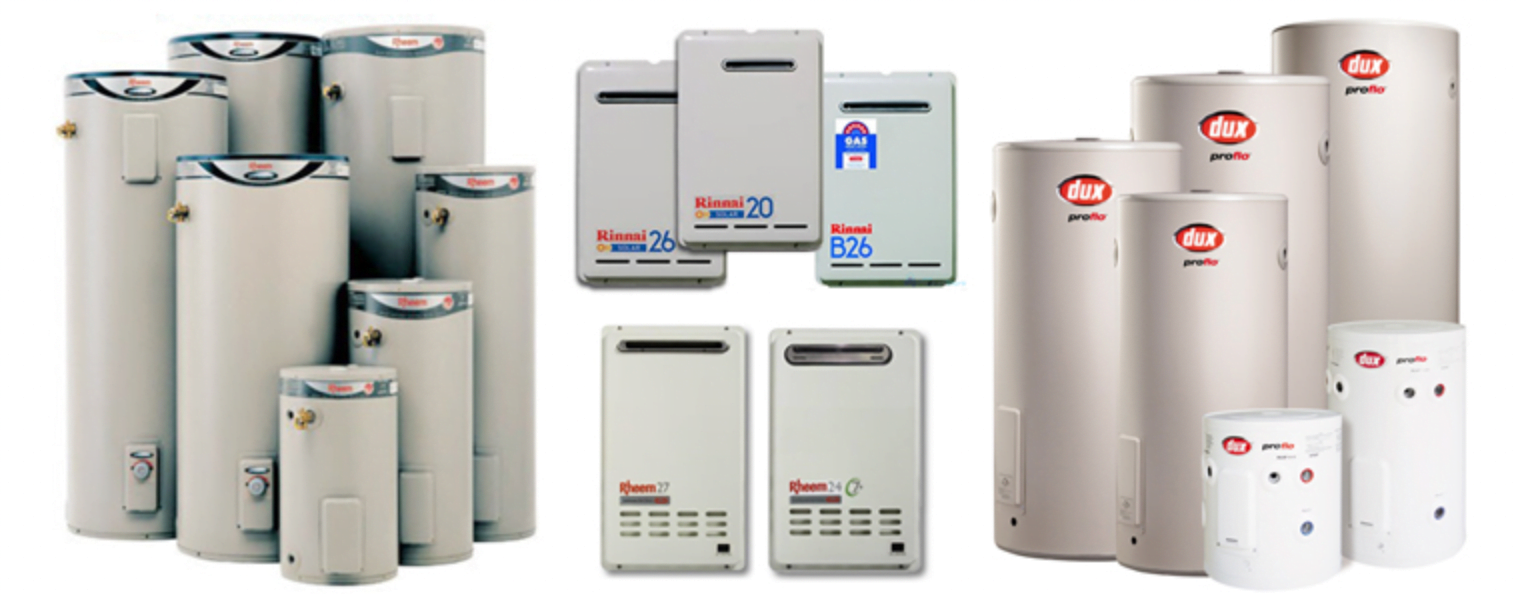
Don’t wait until your old tank bursts to get a new hot water system; instead, prepare ahead!
When a hot water system breaks, it frequently happens suddenly and without notice, with a blow, a howl, or flooding the area. Unless you can handle cold showers, you won’t have time to read evaluations of the various options if this happens. As a result, you’ll order a similar-type replacement hot water system and have it delivered to your home as soon as possible, then forget about it until the next time. What if you missed out on a better product in the process?
Which Is The Best Hot Water System: Gas, Electric, Heat Pump, Or Solar-Powered?
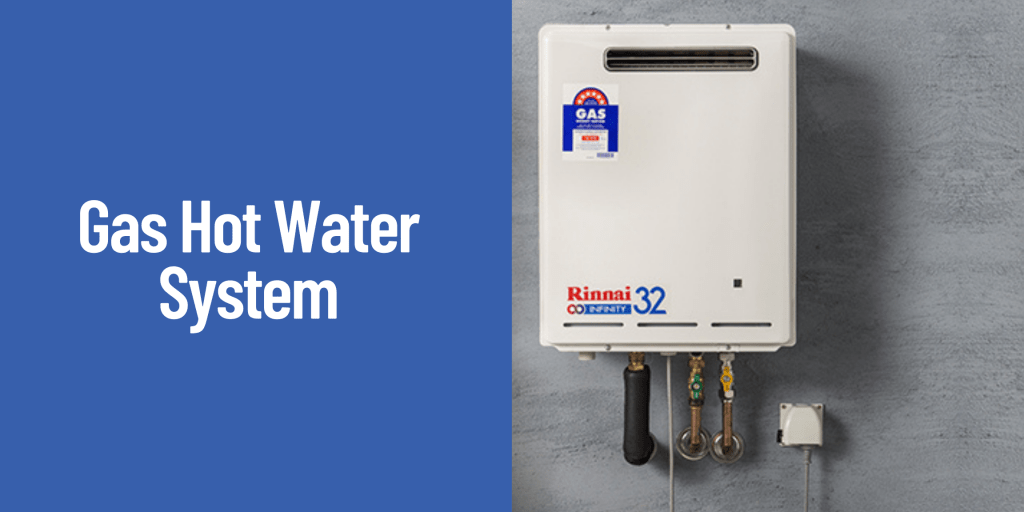
1. Gas Hot Water System
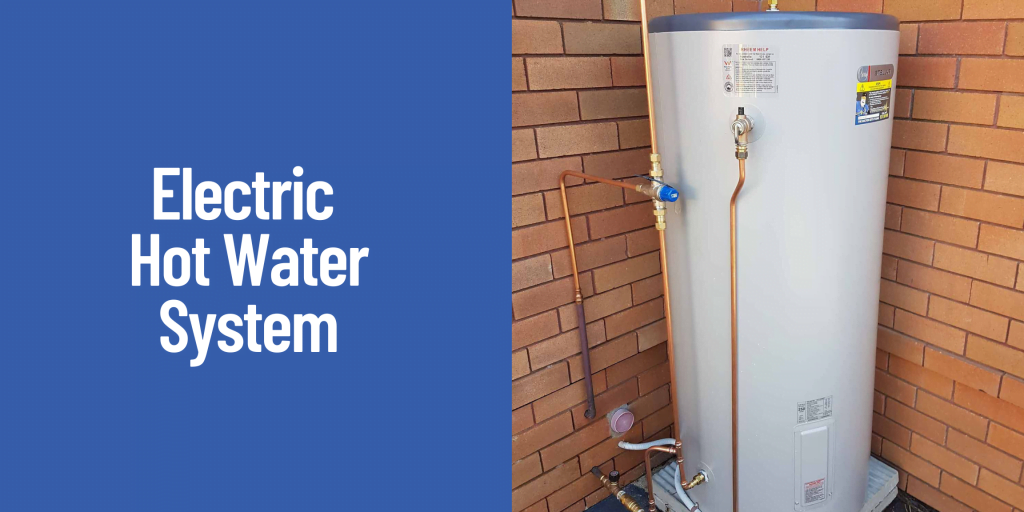
2. Electric Hot Water System
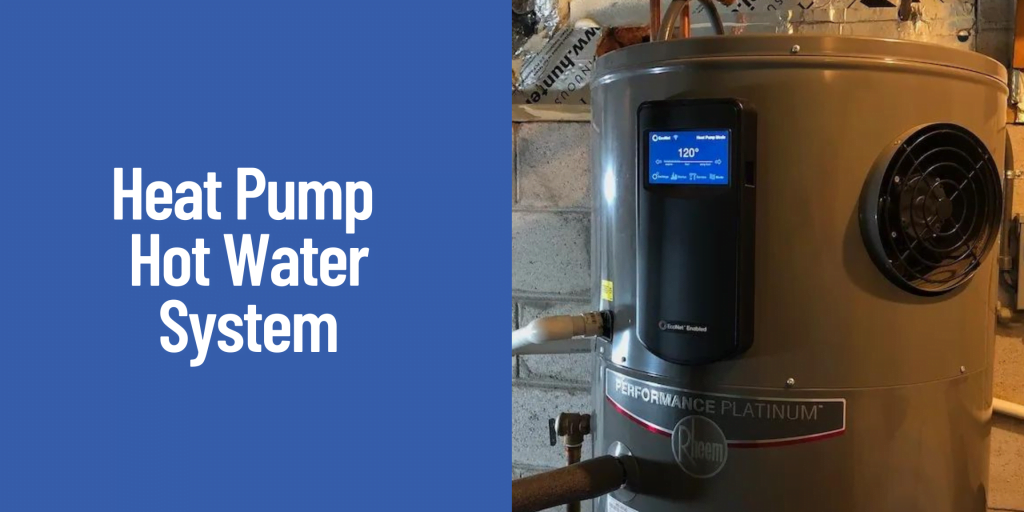
3. Heat Pump
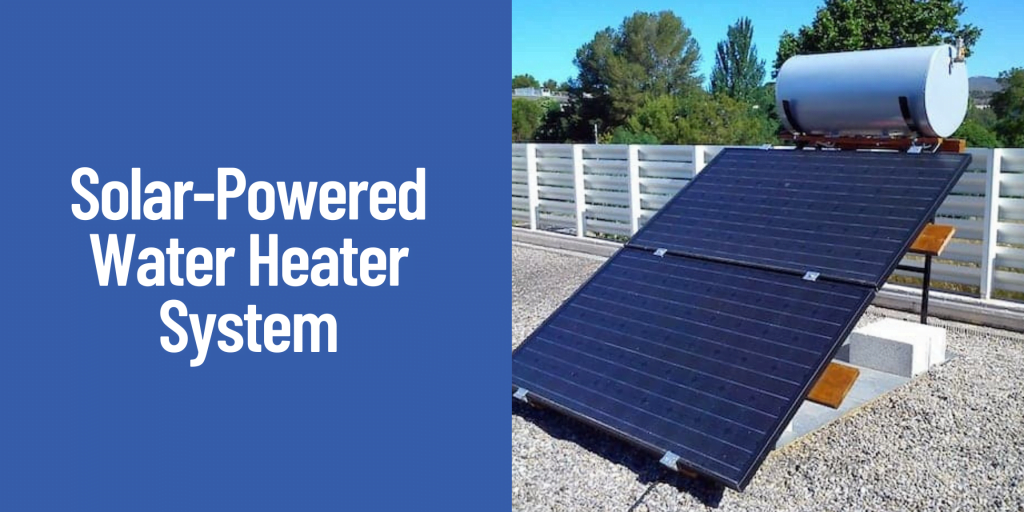
4. Solar-Powered Water Heater
Contact Quintessential Plumbing to speak with one of our licensed and experienced plumbers. We install and repair hot water systems from all major manufacturers, including Rinnai, Rheem, Dux, Bosch, and others. Call us on 0290 027 385 or visit www.quintessentialplumbing.com.au for hot water system prices and installation quotes for various heating systems such as gas, electric, heat pump, or solar.