Blocked drains are more than a nuisance; they’re a silent threat to your property’s plumbing system. In Kingsgrove, where a combination of older infrastructure and dense residential-commercial zoning is common, drain blockages can escalate quickly if not addressed professionally. DIY fixes may offer temporary relief, but without proper diagnostics and tools, the root cause often remains untouched. Trust our Kingsgrove Blocked Drain Repair services for lasting solutions.
Everyday debris like grease, soap scum, hair, food waste, and even tree roots accumulates inside drainpipes over time. Without professional intervention, this leads to:
Professional cleaning not only clears the visible problem but restores full pipe diameter, improves drainage efficiency, and extends the life of your plumbing system. For Kingsgrove homes near mature trees or businesses such as cafés and salons, routine drain cleaning is preventive maintenance, not just a reactive service.
Blocked drains aren’t random—they’re caused by predictable and preventable factors, especially in a suburb like Kingsgrove, where varied building ages, tree-lined streets, and mixed-use properties contribute to plumbing strain. Recognising the common culprits behind blocked drains helps property owners take targeted action and avoid repeat incidents.
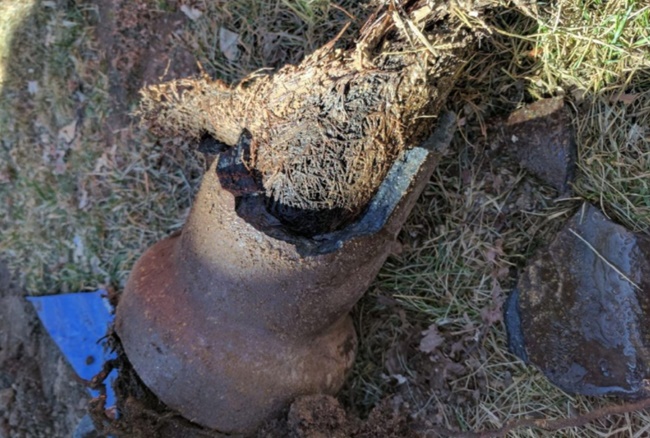
Kingsgrove’s mature streetscapes mean roots often infiltrate cracked or aging clay and PVC pipes, searching for moisture. Once inside, they grow rapidly, causing full blockages, cracked lines, and backflow issues. This is particularly common in older properties with original infrastructure.
Cafés, restaurants, and busy family kitchens often wash fats, oils, and scraps down the sink. Over time, these cool and harden, forming thick blockages known as “fatbergs.” Even dishwashing liquid can’t dissolve solidified grease in pipes.
Bathroom drains frequently clog due to hair combining with soap residue, forming sticky tangles that narrow pipe flow. Over months, this creates slow drainage and eventually complete backups.
Wet wipes, sanitary items, and even kids’ toys frequently end up in toilets and floor drains. Despite marketing labels like “flushable,” these products do not break down and can easily clog bends and junctions.
Old Kingsgrove homes may have underground pipes that have shifted due to soil movement or heavy vehicle traffic. These misalignments create pinch points where debris collects, leading to frequent clogs.
Effective drain cleaning starts with accurate diagnosis. Before any cleaning begins, professional plumbers in Kingsgrove use advanced inspection tools to locate blockages, assess pipe integrity, and determine the best clearing method. This technology-driven approach reduces guesswork, minimises damage, and improves long-term outcomes.
A small waterproof camera is fed into the drain to visually inspect the entire pipeline in real time. Plumbers can identify root intrusion, fat build-up, collapsed pipes, or foreign objects. The footage is often recorded for reporting and quote transparency.
Used alongside camera inspections, these devices map the exact location and depth of blockages underground. This is critical for Kingsgrove homes with landscaped gardens or commercial sites with concrete floors, allowing minimal disruption during access or excavation.
Ideal for detecting hidden leaks or illegal stormwater connections. Non-toxic smoke is pushed through the system to reveal breaks, venting failures, or cross-connections not visible by camera.
These tools check for hidden leaks by measuring pressure stability. A drop in pressure indicates potential cracks or joint failures, common in ageing or misaligned pipe systems.
Though less common, some advanced plumbing teams use thermal imaging to identify moisture trails and temperature anomalies caused by hidden leaks, especially useful in walls and slab floors.
Once the blockage is located and assessed, professional plumbers apply targeted cleaning techniques to fully restore the drain function without damaging the system. In Kingsgrove, where properties range from post-war homes to newer duplexes and high-use commercial premises, selecting the right method depends on pipe material, blockage type, and site conditions.
This is the most powerful and effective method for clearing stubborn blockages. A high-pressure hose blasts water through the pipe to break apart and flush away:
Hydro jetting is ideal for Kingsgrove’s older clay pipes and newer PVC lines, provided the pipe integrity has been confirmed via CCTV inspection.
Snaking involves inserting a rotating metal cable into the drain to dislodge and extract clogs. It’s often used for:
Best suited for internal fixtures like kitchen sinks or bathroom drains.
Licensed plumbers may use controlled chemical treatments to break down organic waste in soft clogs, but this is rare and typically avoided in eco-sensitive zones. Overuse or DIY chemical cleaners can damage pipe linings, especially in older Kingsgrove homes.
When a pipe is severely collapsed or beyond repair, physical excavation is sometimes necessary. This method is typically reserved for:
In commercial zones or strata-managed buildings, excavation is coordinated to minimise downtime.
Preventing blocked drains is far more cost-effective than dealing with emergencies. Whether you own a home in Kingsgrove or manage a commercial property near the shopping strip, regular maintenance can prolong pipe life, improve hygiene, and reduce service disruptions. These practical tips help reduce the risk of recurring drain issues.
Strainers in sinks, showers, and floor drains catch hair, food, and debris before they enter your pipes. Clean them weekly to prevent build-up. These low-cost tools can significantly reduce clogs in high-use areas like family bathrooms or busy commercial kitchens.
Never pour oil, butter, or cooking fat down the sink. Instead, collect it in a container and dispose of it in the bin. In Kingsgrove cafés and restaurants, consider installing a grease trap system, required by law for many hospitality businesses.
A weekly flush with boiling water helps dissolve soap scum and light organic residue. Avoid using this method on PVC pipes or after chemical cleaners, which may react under heat.
Despite the labels, these items do not break down quickly in water and can get caught in pipe bends or junctions. Stick to toilet paper only, and educate staff or tenants if you’re managing a shared property.
Especially for older Kingsgrove homes with clay pipes, or businesses handling food or chemicals. Annual CCTV inspections allow early intervention before full blockages form. Many local plumbers offer inspection packages as part of routine maintenance plans.
Blocked drains might seem like a minor annoyance, but in Kingsgrove—where infrastructure varies between old clay piping and new PVC networks—they often signal deeper issues. Professional drain cleaning does more than just clear the immediate problem; it protects your plumbing system, preserves property value, and ensures safe, hygienic environments for homes and businesses alike.
Throughout this guide, we’ve unpacked:
Backflow occurs when the normal direction of water flow is reversed, allowing contaminated or non-potable water to enter your home’s clean supply. In Kingsgrove, where properties range from garden homes to dual-occupancy developments, backflow risks often go unnoticed until it’s too late. Discover more about Kingsgrove Plumbing.
Backflow can occur if a hose submerged in a pool or bucket of fertiliser siphons contaminated water into your drinking supply, especially without a hose tap vacuum breaker.
If Sydney Water’s pressure drops due to a burst main or hydrant use, contaminated water from your property may be drawn back into the public supply line, posing a risk to your neighbours.
Homes using recycled or rainwater tanks for toilets or irrigation without proper isolation can experience cross-contamination if backflow devices aren’t installed.
In Kingsgrove’s mixed-use zones, properties with chemicals, cleaners, or salons are classed as high risk and require certified backflow prevention systems by law.
Backflow can introduce:
Kingsgrove residents are legally required to have backflow devices installed and tested annually if they are in commercial, industrial, or high-risk residential settings.
The type of backflow device your property needs depends on its risk classification, plumbing layout, and how water is used. Kingsgrove plumbers are trained to install and certify backflow prevention systems according to NSW Health and Sydney Water regulations.
Small devices fitted to outdoor taps or hoses to stop water siphoning back into the line. These are common for residential gardens, car washes, or backyard pools.
Best for:
Installed where there’s a low hazard risk, these valves allow water to flow in only one direction. Common in Kingsgrove homes with rainwater tank integration or minor appliances.
Best for:
These are used in high-risk environments like medical centres, commercial kitchens, or anywhere chemicals are used. They’re the gold standard for backflow safety.
Best for:
A non-mechanical method where the water outlet is physically separated from any possible contamination source. Often used in Kingsgrove tank systems or laundries.
Best for:
In Kingsgrove, properties classified as medium or high backflow risk must have their prevention devices tested every 12 months by a licensed plumber. This isn’t just best practice, it’s a legal requirement under Sydney Water’s backflow prevention policy.
Even small faults, like a worn spring or debris in the valve—can allow contaminated water to flow backward into clean lines.
| Property Type | Risk Level | Testing Required? |
|---|---|---|
| Residential home with hose tap | Low | No (HTVB optional) |
| Home with rainwater tank/pump | Medium | Yes |
| Commercial kitchen or café | High | Yes |
| Hair salon, dental clinic, or health spa | High | Yes |
| Strata complex with shared irrigation | Medium | Yes |
Our plumbers in Kingsgrove are familiar with local council procedures and streamline the entire process, reducing compliance headaches and ensuring your home or business stays protected.
Backflow isn’t just a technical issue—it’s a potential health hazard that affects your home, your neighbours, and the entire Kingsgrove community. Whether you own a residential property with garden hoses or run a commercial kitchen, keeping your water supply protected is a shared responsibility.
Kingsgrove plumbers understand the unique layout of properties across the suburb, from older fibro homes to commercial shopfronts. This means faster, more accurate installs and testing, and full compliance with Sydney Water guidelines.
When in doubt, book a backflow assessment. A simple check-up now can save you from costly fines, water damage, or health issues down the track.
Hydro jetting is a professional drain cleaning method that uses high-pressure water to remove stubborn blockages, tree roots, and built-up grease. In Kingsgrove, where many homes have older clay pipes, narrow sewer lines, and recurring drain issues, hydro jetting is often the most effective and non-invasive solution. Trust our Local Plumbers in Kingsgrove for expert hydro jetting services.
A machine pumps water through a flexible hose at pressures up to 5,000 psi. Special nozzles spray jets in multiple directions, blasting away:
Unlike chemical cleaners or basic plunging, hydro jetting cleans the full pipe wall, restoring flow and reducing the chance of repeat blockages.
Not every drain issue needs high-pressure jetting, but when traditional plunging or snaking fails, hydro jetting is often the most effective and safest method. In Kingsgrove homes, it’s especially useful due to common pipe materials, older infrastructure, and tree-filled properties.
When it comes to blocked drains, hydro jetting isn’t just about blasting water—it’s a controlled process performed by licensed Kingsgrove plumbers to ensure safety, effectiveness, and pipe protection.
The plumber first inspects the problem area and confirms symptoms: slow drainage, gurgling, backups, or odours. This helps determine if hydro jetting is the right approach.
A camera is inserted into the pipe to identify:
A heavy-duty hydro jetting machine is brought to the site and connected to a water source. The hose is fed into the drain line through a suitable access point (e.g. outdoor cleanout, toilet drain, or vent pipe).
The plumber activates the jetter, releasing water at high pressure (typically between 3,000–5,000 psi).
Once jetting is complete, a second camera check confirms:
You’ll be given a condition report, footage (if requested), and maintenance tips to prevent future issues, especially important for older Kingsgrove homes with tree-lined yards.
Blocked drains are more than a nuisance—they’re a warning sign. In Kingsgrove, where tree roots, ageing clay pipes, and compact sewer layouts are common, hydro jetting is often the smartest choice for long-lasting results.
Routine jetting every few years can extend the life of your plumbing and eliminate recurring costs from repeat blockages. Whether you’ve got slow drains now or just want peace of mind, hydro jetting provides fast, safe, and thorough protection for your home’s most used infrastructure.
Sump pumps are a quiet yet critical line of defense against flooding, especially in Kingsgrove homes with basements, subfloor spaces, or properties on a slope. Whether it’s heavy rainfall, rising groundwater, or poor drainage design, sump pumps help prevent costly water damage and mold. For expert installation and maintenance, contact our Kingsgrove NSW Plumbing Solutions.
A sump pump is installed in a pit (sump pit) below ground level. When water collects in the pit, the pump automatically activates and discharges water away from your home, usually into a stormwater drain.
High Rainfall Periods
Kingsgrove experiences intense seasonal downpours. Without drainage, water can seep into basements and subfloors.
Older Home Designs
Many local homes were built without modern waterproofing systems, leaving them vulnerable to ground seepage.
Clay-Rich Soil and Poor Absorption
Kingsgrove’s clay-heavy ground doesn’t absorb water well. This leads to puddling and foundation pressure during storms.
Sloped Block Designs
Homes at the bottom of hills or with negative drainage slopes can have water running toward the foundation during storms.
Protection Against Subfloor Mould and Dampness
Inadequate ventilation and water build-up under homes is a known issue in Kingsgrove. A sump pump keeps the area dry and healthy.
Installing a sump pump isn’t just about placing it in a pit—it requires accurate planning, safe electrical connection, and proper drainage routing. Kingsgrove plumbers take a site-specific approach, considering your soil, layout, and stormwater infrastructure.
Plumbers assess the source of water ingress—whether it’s rising groundwater, surface pooling, or roof runoff, and decide the optimal pit location, often the lowest point in the basement or subfloor.
A pit is dug (generally 45–60 cm deep) and lined with gravel for drainage. A durable sump basin is then inserted to house the pump.
A dedicated GPO (general power outlet) is required. Plumbers may work alongside licensed electricians to ensure waterproof and RCD-protected power supply.
Water is pumped away via PVC piping, ideally into stormwater systems or a dry well. Backflow valves may be included to stop reverse flow during heavy rain.
Once installed, the pump is tested with water to check the float switch activation. This ensures automatic response during actual flooding events.
Even the best sump pumps need occasional attention—especially in Kingsgrove’s moisture-prone environments. Whether it’s a mechanical fault, power issue, or drainage complication, prompt repair keeps your home protected from flooding and dampness.
Often due to:
Fix: Check power source, clear obstructions, or reset the unit.
Usually a sign of:
Fix: Visual inspection and part replacement.
Likely caused by:
Fix: Reset float switch, check capacity compatibility.
Grinding, rattling, or loud humming could signal:
Indicates a bigger issue:
Fix: May require secondary pit or trench drain integration.
Many local homes use pedestal pumps from older renovations. These are louder, more exposed, and fail more often in high-moisture environments. Upgrading to a submersible model can reduce breakdowns and noise.
In a suburb like Kingsgrove, where homes range from older fibro builds to modern duplexes, water management under and around the home is critical. A properly installed and maintained sump pump is one of the most cost-effective and low-maintenance ways to protect your foundation, prevent mould, and ensure your subfloors remain dry.
Kingsgrove’s clay-heavy soil, older drainage designs, and sloping blocks mean every sump pump solution must be customised to your home’s structure and terrain. Local plumbers understand how water moves beneath your property and can design systems that work long-term, not just in a storm.
Don’t wait until your subfloor floods or your home smells damp, act early with the right installation and repair approach.
Plumbing problems don’t always start with a burst pipe or clogged toilet; many issues build up silently behind walls, under floors, or underground. Regular plumbing inspections help Kingsgrove homeowners catch hidden issues early, protect property value, and reduce costly emergencies. For urgent situations, reach out to our Emergency Plumber Kingsgrove NSW for fast, reliable service.
Many Kingsgrove homes were built before modern plumbing codes. That means old clay sewer lines, copper pipes with corrosion, and poorly ventilated drainage systems are still in use.
Homes that have undergone DIY upgrades or uncertified alterations may have non-compliant fittings or hidden hazards, especially in bathrooms and kitchens.
Kingsgrove’s tree-lined streets and established gardens increase the risk of root invasion in sewer lines, often undetected until backups occur.
A small leak in a hidden pipe can quietly waste thousands of litres each year. Regular inspections catch these before they balloon into major water or structural damage.
Pre-purchase plumbing inspections provide peace of mind for buyers and leverage for sellers. Issues found later can derail deals or trigger post-sale disputes.
A comprehensive plumbing inspection goes far beyond a quick visual check. Licensed Kingsgrove plumbers use a mix of tools, local insight, and compliance knowledge to assess every part of your system, from the roof to the sewer.
After the inspection, you receive:
Timing your plumbing inspections correctly can save you from sudden breakdowns and expensive damage. In Kingsgrove—where housing stock ranges from post-war homes to recent duplex builds—inspection frequency depends on age, usage, and past plumbing history.
| Property Age | Inspection Frequency |
|---|---|
| Under 10 years old | Every 3–5 years |
| 10–25 years old | Every 2–3 years |
| Over 25 years or heritage | Annually or bi-annually |
Many homes in Kingsgrove feature a mix of old clay sewer lines, retrofitted copper plumbing, and sometimes DIY drainage work. These inconsistencies make inspections especially valuable to catch early warning signs like:
Whether you’re living in a post-war brick home near Beverly Hills Road or a new dual-occupancy dwelling near Kingsgrove Station, your plumbing system is one of the most important—and most overlooked—parts of your property.
Routine inspections don’t just prevent leaks—they preserve:
Kingsgrove’s mix of ageing sewer infrastructure, clay soils, and redevelopment means hidden plumbing risks are common. Local plumbers bring:
For peace of mind, budget protection, and a healthier home, make plumbing inspections part of your regular maintenance plan, not just an emergency call.
Trenchless sewer repair is a no-dig method of fixing underground sewer pipes without excavating large sections of your yard, driveway, or garden. For Kingsgrove homeowners, especially those with mature landscapes or paved outdoor areas, it offers a faster, cleaner, and often more cost-effective alternative to traditional dig-and-replace sewer repairs. Contact our Kingsgrove Plumbing Experts for professional trenchless solutions.
Clay and Concrete Pipes in Older Homes
Many Kingsgrove properties built before the 1980s have cracked, root-intruded clay or concrete pipes that can’t handle modern water usage. Trenchless repair restores flow without disturbing foundations or established lawns.
Tight Access Blocks and Duplexes
Modern redevelopments and duplexes in Kingsgrove often have limited side access or concrete-covered front yards. Trenchless repair avoids needing wide machinery access.
Preserve Landscaping and Hardscaping
If you’ve invested in turf, hedges, paving, or retaining walls, trenchless methods preserve them while resolving underground issues.
Fast Turnaround in High-Use Homes
With minimal digging and faster cure times, trenchless sewer repairs are ideal for busy households or tenanted properties where downtime must be minimal.
Trenchless repair technology fixes damaged sewer lines from the inside, using specialised equipment that inserts and cures a new lining within the existing pipe. Kingsgrove plumbers use this method to restore old clay, cast iron, or fibro-cement sewer pipes without tearing up your yard.
The plumber begins with a camera inspection to:
Using a hydro jetter, the pipe is thoroughly cleaned to remove:
A flexible resin-soaked liner is custom-cut to the required length. The liner is inserted into the pipe through an existing access point, such as a boundary trap or inspection opening.
The liner is inverted (flipped inside out) into the old pipe using air or water pressure, pressing it tightly against the pipe walls. It is then cured (hardened) using hot water, steam, or UV light, creating a seamless new pipe inside the old one.
Once cured, a second CCTV inspection is done to verify:
A new pipe inside the old one, root-proof, jointless, corrosion-resistant, and rated to last 50+ years.
Trenchless sewer repair is highly effective, but not every damaged pipe is a suitable candidate. Kingsgrove homeowners should consider it when minimising disruption, protecting property, or addressing specific underground faults are a priority.
Tree-lined streets in Kingsgrove often cause roots to invade old pipe joints if the pipe is still structurally intact; trenchless lining seals out future root growth without digging.
Hairline fractures or seepage can be sealed permanently from the inside—no excavation needed.
If your damaged sewer runs under concrete, trenchless repair avoids jackhammering or expensive surface replacement.
Trenchless solutions are completed within a day in most cases—ideal for rental homes, duplexes, or families who can’t vacate during works.
For Kingsgrove homes with historic gardens or older foundations, trenchless protects structures while renewing performance underground.
Trenchless sewer repair is transforming how plumbing problems are solved across Kingsgrove. It offers a fast, durable, and non-invasive alternative to traditional excavation, especially in homes with landscaping, driveways, or aging underground infrastructure.
Kingsgrove’s older neighbourhoods feature many properties with fragile or outdated pipes that are prone to root invasion and misalignment. A CCTV drain inspection by a local licensed plumber will tell you if trenchless repair is viable, and what other preventative measures may be needed.
Before you commit to digging up your yard, ask your plumber if trenchless repair is right for your situation. It may save you thousands and preserve everything you’ve worked hard to build above ground.
Tankless water heaters, also called instantaneous or on-demand systems, are gaining popularity across Kingsgrove. These units heat water only when you need it, eliminating the need for a bulky storage tank, reducing energy costs, and providing endless hot water for growing families or busy households. For expert installation and maintenance, explore our Plumbing Service in Kingsgrove.
Ideal for large families or homes with multiple bathrooms, hot water won’t run out mid-shower, even during peak use.
Unlike traditional storage tanks that keep water hot 24/7, tankless units only heat water on demand, reducing gas or electricity bills.
Many Kingsgrove homes have compact yards or laundry areas. Tankless units can be wall-mounted outdoors, freeing up space.
Quality tankless systems often last over 15 years with proper care, outperforming many traditional storage systems.
Lower carbon footprint, fewer materials, and efficient operation suit Kingsgrove homeowners focused on sustainability.
While tankless systems are highly efficient, they still require regular maintenance to keep them performing at their best, especially in Kingsgrove, where hard water and varying outdoor temperatures can influence efficiency.
Mineral build-up (especially calcium) can reduce heating efficiency and flow. Your plumber will:
A fine mesh filter traps dirt before it enters the unit. Clogged filters can lower pressure and trigger error codes. Most Kingsgrove plumbers recommend cleaning it every 6–12 months.
If your unit occasionally fails to ignite or heats inconsistently, it may need a burner service or sensor clean. This helps maintain flame stability and reduces gas waste.
Outdoor units in Kingsgrove should be checked for:
Some newer tankless units come with digital displays or WiFi controls. A licensed plumber can interpret diagnostic codes and update firmware when needed.
| Maintenance Task | Frequency |
|---|---|
| Descaling / Flushing | Every 12 months |
| Inlet Filter Cleaning | Every 6 months |
| Full Inspection / Tune-Up | Annually |
Whether you’re upgrading from an old storage tank or building a new home, a tankless water heater offers Kingsgrove homeowners reliable, efficient, and space-saving hot water delivery. When installed and maintained by a local professional, these systems can last well over a decade, without the hassles of bulk heating or running out during the morning rush.
Local plumbers understand the water quality, gas line pressures, and power limitations in the area. They can guide you to the best unit for your home’s size and layout, install it to code, and keep it running efficiently with scheduled care.
When considering a tankless upgrade, always ask:
Pipe relining is a modern solution to fixing damaged pipes without the need for disruptive and costly excavation. Traditional methods of pipe repair often require digging up large areas of your yard, driveway, or floors, but with pipe relining, you can restore your plumbing system with minimal disruption. In this guide, we’ll explain what pipe relining is, how it works, and why it’s becoming the preferred method for repairing damaged pipes.

Pipe relining is a trenchless method of repairing damaged or deteriorating pipes by creating a new pipe within the existing one. Rather than removing the old pipe, a flexible lining is inserted and bonded to the interior of the original pipe, effectively forming a durable, long-lasting new pipe.
This method is commonly used to repair pipes that have been damaged by tree roots, corrosion, or ground movement, and it is an ideal solution for fixing cracked, leaking, or collapsed pipes.

The pipe relining process involves several steps to ensure that the damaged pipe is restored correctly. Here’s a breakdown of how it works:
Before any work begins, a plumber will inspect the damaged pipe using a CCTV drain camera. This allows them to assess the extent of the damage and determine if pipe relining is the best solution. The camera provides a clear view of cracks, blockages, and root intrusions within the pipe.
Once the inspection is complete, the pipe must be thoroughly cleaned to remove any debris, roots, or blockages. This is typically done using high-pressure water jetting or mechanical cleaning tools. A clean pipe is essential for ensuring that the lining adheres correctly to the pipe’s interior.
After the pipe is cleaned, a resin-coated liner is inserted into the damaged pipe. This liner is made from a flexible material, such as felt or fibreglass, which is impregnated with an epoxy resin. The liner is carefully positioned inside the pipe to cover the damaged areas.
Once the liner is in place, it is inflated using air or water pressure. This forces the liner to expand and fit snugly against the walls of the existing pipe. As the resin cures, it hardens, forming a strong, seamless new pipe inside the old one.
After the liner has cured, the plumber will perform a final CCTV camera inspection to ensure that the relining process was successful and that the pipe is fully restored. The result is a new, durable pipe that will last for decades.

Pipe relining offers several benefits compared to traditional pipe repair methods. Here are some key advantages:
One of the biggest advantages of pipe relining is that it requires no digging. Traditional pipe repairs often involve extensive excavation, which can disrupt your landscaping, driveway, or floors. With pipe relining, the entire process is done through access points, meaning there’s minimal disruption to your property.
Although pipe relining can be more expensive upfront than traditional repairs, it is often more cost-effective in the long run. Since there’s no need for excavation, you save on labour and restoration costs. Additionally, the long-lasting nature of the relined pipes means you’ll avoid future repair costs.
The epoxy resin used in pipe relining is extremely durable, providing a new pipe that is resistant to corrosion, root intrusion, and leaks. Most relined pipes come with a warranty of up to 50 years, making it a reliable and long-lasting solution.
Pipe relining is a quicker process than traditional repairs. Depending on the size and length of the damaged pipe, the relining process can often be completed in a single day, compared to the days or even weeks required for traditional excavation and repair.
Because pipe relining doesn’t involve digging or removing old pipes, it’s an environmentally friendly option. It reduces waste and preserves the existing pipe infrastructure, which is particularly beneficial in urban areas where excavation can be damaging.

Pipe relining is an excellent solution for a variety of plumbing problems, but it’s important to know when it’s the right choice. Here are some scenarios where pipe relining is ideal:
One of the major benefits of pipe relining is its durability. The resin used in the process is designed to withstand the pressures of daily use, and most relined pipes have a lifespan of 50 years or more. The materials are resistant to corrosion, root intrusion, and shifting soil, making them a long-term solution for pipe repairs.

The cost of pipe relining can vary depending on factors such as the length of the pipe, the extent of the damage, and the location of the pipes. On average, pipe relining in Australia can range from $300 to $1,000 per metre. While this may seem expensive, it’s important to remember that the long-lasting benefits and minimal disruption often make it a more cost-effective solution than traditional repairs.
When comparing pipe relining to traditional pipe repair methods, it’s essential to consider both the short-term and long-term costs and benefits. Here’s a quick comparison:
| Aspect | Pipe Relining | Traditional Pipe Repair |
|---|---|---|
| Excavation Required | No | Yes, requires digging up pipes |
| Cost | Higher upfront cost, lower long-term cost | Lower upfront cost, higher restoration and repair costs |
| Time | Quick process, often completed in a day | Time-consuming, especially with excavation |
| Durability | Lasts up to 50 years | Depends on material used for replacement |
| Disruption | Minimal, no digging | High, requires significant property disruption |
| Environmental Impact | Eco-friendly, less waste | Requires removal of old pipes and digging |

While pipe relining is an excellent solution for many plumbing problems, it’s important to consult a professional plumber to determine if it’s the right option for your situation. A plumber can conduct a thorough inspection of your pipes using CCTV cameras and recommend the best course of action. If pipe relining is appropriate, they can complete the process efficiently and professionally.
Pipe relining is a revolutionary solution to repairing damaged pipes without the hassle of traditional excavation. It provides a cost-effective, durable, and environmentally friendly alternative to digging up and replacing pipes. Whether you’re dealing with tree root intrusion, corroded pipes, or recurring blockages, pipe relining offers a long-lasting fix that will keep your plumbing system running smoothly for years to come.
The kitchen sink is one of the most essential components of any kitchen. It serves multiple functions, from washing dishes and food preparation to complementing the overall kitchen design. Choosing the right kitchen sink involves considering various factors such as material, size, installation type, and functionality. Below, we address some of the most common questions and considerations when selecting and installing a kitchen sink in Sydney.
The choice between a single and double kitchen sink depends on personal preferences, kitchen space, and how you use your sink.
Best choice? If you have a compact kitchen or prefer a deep, spacious sink for soaking and washing, a single sink is a great option. If you frequently multitask while cooking and washing dishes, a double sink provides greater convenience.
The placement of a kitchen sink depends on the kitchen layout and plumbing configuration. Traditionally, the best location includes:
In Australia, kitchen sinks come in various sizes and materials, but a standard size typically falls between:
Common materials include stainless steel, granite composite, and ceramic. Stainless steel remains the most popular due to its durability, affordability, and resistance to rust and stains.
A kitchen sink is essential for:
✔ Cleaning – Washing dishes, rinsing vegetables, and cleaning kitchen tools.
✔ Food Preparation – Filling pots with water, draining pasta, and rinsing ingredients.
✔ Waste Management – Disposing of food scraps, especially with a garbage disposal unit.
✔ Hygiene & Sanitation – Preventing cross-contamination by washing hands and utensils.
While you can install a sink in various locations, some limitations include:
Plumbing Requirements – The sink must be near existing pipes or require costly modifications.
Drainage & Venting – Ensuring proper drainage and avoiding slow water flow.
Electrical Considerations – If near appliances, outlets must follow safety codes.
Space Constraints – Some areas may not support a large sink due to cabinetry size.
It is possible to place a sink in an unconventional area, but careful planning is needed.
The best kitchen sink depends on your kitchen size, style, and usage. Popular options include:
Choosing a deep sink (200mm or more) allows for better washing of large dishes.
Absolutely! A kitchen without a sink would make daily tasks like washing dishes, preparing food, and cleaning up significantly more difficult. Even in a minimalist kitchen, a small but functional sink is necessary for basic hygiene and convenience.
Many kitchen sinks are placed under windows due to:
Natural Light – Helps with visibility while washing dishes.
Ventilation – Opening the window helps reduce steam and odours.
View & Aesthetics – Provides a pleasant view rather than facing a blank wall.
Efficient Plumbing – Traditionally, plumbing was placed along external walls.
This classic design choice remains popular for both functional and aesthetic reasons.
An outdoor kitchen sink adds great convenience but isn’t always necessary.
Benefits of an outdoor sink:
✔ Reduces trips indoors for washing hands, utensils, and food.
✔ Enhances hygiene when cooking outdoors.
✔ Provides an easy way to clean up spills and messes.
If an outdoor kitchen is frequently used, a sink is a worthwhile investment. However, proper weatherproofing and plumbing access must be considered.
The kitchen sink plays a vital role in any home, impacting functionality, design, and daily convenience. Whether you’re choosing a single or double sink, determining the best placement, or exploring outdoor options, understanding these key considerations ensures you select the perfect sink for your needs.
The cost of a kitchen sink can vary significantly depending on factors such as material, size, installation type, and brand. Choosing the right sink requires balancing budget, durability, and aesthetics while ensuring it meets your daily needs. Below, we answer some common cost-related questions and buying considerations for kitchen sinks in Australia.
The price of a kitchen sink depends on its material, brand, and style. Here’s a general pricing guide for Australia:
For most households, a stainless steel sink remains the most budget-friendly and durable option.
Double kitchen sinks tend to be more expensive due to their larger size and added functionality. Average prices include:
While double sinks are ideal for multitasking, they require more space and a larger countertop cutout, which may increase installation costs.
The price of a kitchen sink faucet depends on brand, material, and features. General price ranges include:
Higher-end faucets often include durability enhancements, water-saving features, and modern aesthetics.
The cost of installing a kitchen sink in Australia depends on factors such as labour fees, plumbing modifications, and the type of sink.
Undermount and farmhouse sinks tend to cost more to install due to additional cabinet and countertop adjustments.
Replacing a kitchen sink typically involves removing the old sink, adjusting plumbing, and fitting the new sink.
Costs increase if the new sink requires plumbing modifications or changes in countertop dimensions.
The total cost of installing a kitchen sink depends on:
A simple replacement with no major modifications is affordable, while a full kitchen renovation with a new sink setup can become costly.
Some of the most trusted and popular kitchen sink brands in Australia include:
Each brand has its strengths, with Blanco and Oliveri being favourites for affordability and quality, while Franke and Abey cater to luxury buyers.
When purchasing a kitchen sink, consider the following factors:
The price of a kitchen sink in Australia varies based on retailer, material, and installation complexity. Generally:
Retailers such as Bunnings, Harvey Norman, and Reece offer a wide selection of sinks for different budgets and styles.
The cost of a kitchen sink depends on multiple factors, including material, size, brand, and installation requirements. Whether you’re looking for a budget-friendly option or investing in a high-end sink, understanding these cost considerations will help you make the best choice for your kitchen.
A kitchen sink is an essential part of daily life, but like any frequently used fixture, it can develop common problems over time. Issues like clogged drains, leaks, low water pressure, and bad odours can disrupt kitchen functionality. Below, we explore some of the most common kitchen sink problems, their possible causes, and how to troubleshoot them.
A slow or completely blocked drain is one of the most frequent kitchen sink issues. It is usually caused by food debris, grease buildup, or foreign objects blocking the pipes.
✅ Use a plunger to dislodge the blockage.
✅ Pour boiling water mixed with dish soap to break down grease.
✅ Use a baking soda and vinegar solution followed by hot water.
✅ If the clog persists, try using a drain snake or plumbing auger.
✅ As a last resort, call a plumber for professional drain cleaning.
A foul odour from the kitchen sink is typically caused by food debris decomposing in the drain or bacteria buildup.
✅ Flush the drain with boiling water to remove trapped food.
✅ Use baking soda and vinegar, followed by hot water, to neutralise odours.
✅ Clean the garbage disposal using ice cubes and lemon peels.
✅ Check the P-trap under the sink; if dry, pour water to block sewer gases.
A clogged sink prevents water from draining properly and can lead to standing water in the basin.
✅ Remove visible debris and flush with boiling water.
✅ Use a plunger to break the clog loose.
✅ Try a drain snake if the blockage is deep.
✅ Avoid using chemical drain cleaners, as they can damage pipes over time.
If the water flow from the kitchen faucet is weaker than usual, it could be due to blockages or plumbing issues.
✅ Unscrew the aerator and clean any debris buildup.
✅ Check for leaks under the sink that may be affecting pressure.
✅ If all sinks in the house have low pressure, contact the local water provider.
A gurgling sound from the sink often indicates drainage issues or air trapped in the pipes.
✅ Try a drain cleaner or baking soda/vinegar solution to remove buildup.
✅ Check if the venting system is properly installed.
✅ If the issue persists, consult a plumber to inspect venting pipes.
If only cold water comes out of the faucet, there may be an issue with the hot water system.
✅ Check if the hot water heater is switched on.
✅ Inspect the temperature settings and increase if needed.
✅ If only one faucet has the issue, it may be a local blockage in the hot water line.
A dripping faucet can waste significant amounts of water over time and increase utility bills.
✅ Turn off the water supply and replace the faucet washer or cartridge.
✅ Tighten any loose faucet parts.
✅ If the leak persists, consider replacing the faucet.
Leaks can occur under the sink, around the faucet, or from the drain pipe.
✅ Tighten any loose connections under the sink.
✅ Replace damaged pipes or seals.
✅ Apply plumber’s tape to prevent small leaks.
A leaking faucet may be due to internal damage or worn-out components.
✅ Replace the rubber washer or cartridge.
✅ Check for corrosion inside the faucet body.
✅ If necessary, install a new faucet.
If water backs up into the sink when draining, it indicates a blockage in the plumbing system.
✅ Clear out the P-trap under the sink.
✅ Run the garbage disposal to remove blockages.
✅ If multiple drains are backing up, call a plumber to check the main sewer line.
A sewer-like smell coming from the sink can be a sign of a blocked or dry P-trap, which normally prevents sewer gases from entering the home.
✅ Pour water into the P-trap to restore the seal.
✅ Use vinegar and baking soda to kill bacteria.
✅ If the smell persists, a plumber may need to inspect vent pipes.
A kitchen sink is a crucial part of any home, but common problems like clogs, leaks, and odours can arise over time. Regular maintenance and troubleshooting can prevent most issues before they become serious.
Proper maintenance and cleaning of your kitchen sink are essential for hygiene, durability, and functionality. Regular cleaning prevents odours, stains, and bacterial buildup, while proper maintenance ensures the sink remains in good working condition for years. Below, we discuss common kitchen sink maintenance and cleaning practices.
A clogged kitchen sink is usually caused by food debris, grease, and soap scum. Unclogging it quickly prevents further plumbing issues.
If the clog persists, it may be time to call a plumber.
Over time, kitchen sink drains accumulate food particles, grease, and bacteria, leading to bad smells and slow drainage.
✔ Flush with Hot Water – Run hot water through the drain for a few minutes to loosen buildup.
✔ Use a Natural Cleaner – Pour a mix of baking soda and vinegar down the drain, let it sit for 15 minutes, then rinse with boiling water.
✔ Disinfect with Lemon & Salt – Cut a lemon in half, sprinkle salt on it, and scrub around the drain opening.
✔ Use a Pipe Brush – If the drain is dirty, use a small pipe brush to scrub the inside.
Regularly cleaning the drain prevents buildup and keeps your sink odour-free.
If your sink is filled with standing water, it could indicate a clog or slow drainage.
A kitchen sink should be cleaned daily, weekly, and monthly to maintain hygiene.
Regular cleaning helps prevent stains, rust, and odours.
Certain items can clog your pipes and damage plumbing, leading to costly repairs.
Grease & Oil – Solidifies in pipes and causes clogs.
Coffee Grounds – Form a sludge that blocks drains.
Eggshells – Stick to pipe walls and contribute to buildup.
Flour & Dough – Forms a paste that hardens in drains.
Pasta & Rice – Expands in water and clogs pipes.
Bones & Hard Food Scraps – Can damage the garbage disposal.
Paper Towels & Wipes – Do not break down easily and cause blockages.
Instead, dispose of these items in the trash or compost bin.
A leaking kitchen sink can lead to water damage, mould growth, and higher water bills.
✔ Identify the Source – Check for leaks around the faucet, drain, P-trap, or water supply lines.
✔ Tighten Loose Connections – Use a wrench to tighten any loose pipe connections.
✔ Replace the Washer or O-Ring – If the faucet is dripping, replacing the washer or O-ring may stop the leak.
✔ Apply Plumber’s Tape – If leaks are coming from the pipe joints, wrap them with plumber’s tape.
✔ Replace a Cracked Pipe – If a pipe is cracked, replace it with a new one.
If the leak persists, a plumber may be required to inspect the pipes.
A well-maintained sink and faucet last longer and function better.
✔ Rinse the Sink Daily – Prevents residue buildup and stains.
✔ Use a Soft Sponge – Avoid scratching the surface with abrasive pads.
✔ Polish Stainless Steel – Use olive oil or stainless steel cleaner to remove water spots.
✔ Avoid Leaving Water in the Sink – Standing water can cause mineral buildup and stains.
✔ Seal Stone & Porcelain Sinks – If you have a porcelain or granite sink, apply a sealant to prevent stains.
✔ Wipe Faucets Daily – Prevents water spots and mineral deposits.
✔ Clean the Aerator – Unscrew and rinse it to remove mineral buildup.
✔ Check for Leaks – Address dripping or loose handles quickly.
Regular maintenance prevents costly repairs and extends the lifespan of your sink.
Kitchen sink mats are rubber or silicone liners placed at the bottom of the sink.
✔ Protects Sink Surface – Prevents scratches and dents.
✔ Reduces Noise – Absorbs sound from running water and dishes.
✔ Improves Drainage – Keeps dishes elevated, allowing water to drain properly.
✔ Prevents Breakage – Cushions delicate glassware and dishes.
For stainless steel and ceramic sinks, a sink mat helps maintain the finish while improving functionality.
Regular kitchen sink maintenance and cleaning are essential for hygiene, durability, and efficiency. By following these cleaning tips and preventive measures, you can keep your sink free of stains, odours, and plumbing issues.
Proper kitchen sink installation is crucial for ensuring functionality, durability, and an aesthetically pleasing kitchen design. The process varies depending on the type of sink, countertop material, and plumbing setup. Below, we cover key installation considerations, different sink types, and step-by-step guides for proper installation.
The standard cutout size for a kitchen sink depends on the sink type and kitchen layout.
When replacing an existing sink, measure the old sink’s cutout to ensure the new one fits properly.
Kitchen sinks come in different installation types, each offering unique benefits:
✔ Most common and easiest to install
✔ Sits on top of the countertop with a visible rim
✔ Ideal for laminate and wood countertops
✔ Budget-friendly and easy to replace
✔ Installed underneath the countertop for a seamless look
✔ No visible edges, making cleaning easier
✔ Requires solid surface countertops like granite or quartz
✔ More expensive and requires professional installation
✔ Features an exposed front panel for a rustic look
✔ Larger and deeper, ideal for heavy-duty use
✔ Requires custom cabinetry for proper support
✔ More expensive and needs professional installation
✔ Made from the same material as the countertop
✔ Offers a seamless and modern look
✔ Expensive and requires custom fabrication
✔ Smaller sinks designed for kitchen islands or wet bars
✔ Useful for food prep and drink stations
✔ Can be installed as drop-in or undermount
If you need a professional plumber or installer in Australia, check the following options:
When hiring an installer, ensure they are licensed, insured, and experienced with the type of sink you are installing.
A kitchen sink installation kit typically includes:
✔ Mounting clips – Used to secure the sink to the countertop
✔ Sealant or plumber’s putty – Ensures a watertight fit around the edges
✔ Drain assembly – Includes strainer, drain pipe, and tailpiece
✔ P-trap & plumbing fittings – Connects to the main drainage system
✔ Faucet and hose attachments – If included with the sink package
For undermount and farmhouse sinks, additional brackets or support frames may be required.
When installing a new sink, consider the following design ideas:
If you need a visual guide, check these sources:
Having a diagram on hand ensures a correct and hassle-free installation.
Granite countertops require special care during sink installation due to their weight and hardness.
Since granite is expensive and difficult to cut, many homeowners hire a professional for installation.
Undermount sinks provide a sleek, seamless look, but they require precise installation.
For heavy sinks, use additional support brackets to ensure long-term stability.
Piping a kitchen sink involves connecting the drain and water supply lines properly.
If the sink has a garbage disposal, ensure it is properly wired and connected to the drain system.
If installing a new sink or moving plumbing, follow these general plumbing guidelines:
✔ Use Flexible Supply Lines – Makes faucet connections easier.
✔ Ensure Proper Venting – A vent pipe prevents water from draining slowly.
✔ Install a Shut-Off Valve – Allows you to turn off water when needed.
✔ Use the Right Pipe Size – Standard drain pipes are 40mm PVC in Australia.
✔ Test for Leaks – Always check for leaks after installation.
If you are relocating a sink, hire a professional plumber to ensure proper drainage and venting.
Installing a kitchen sink requires careful planning, accurate measurements, and the right tools. Whether you’re installing a drop-in, undermount, or farmhouse sink, following the correct steps ensures a durable and leak-free setup.
Over time, kitchen sinks wear out, develop leaks, or no longer fit the kitchen’s aesthetic. Whether your sink is damaged, outdated, or simply needs an upgrade, replacing or repairing it can improve both functionality and appearance. Below, we cover when to replace a sink, common repair solutions, and step-by-step replacement guides.
A kitchen sink replacement may be necessary when:
✔ There are visible cracks, rust, or stains that cannot be removed.
✔ The sink leaks frequently, even after repairs.
✔ Water no longer drains properly due to worn-out plumbing.
✔ It’s outdated or doesn’t match a kitchen renovation.
✔ It’s too small or shallow for your needs.
✔ The faucet or sink fittings are corroded and difficult to replace.
If multiple repairs have been made and the issues keep recurring, a full replacement is often more cost-effective in the long run.
If only certain components of the sink are damaged, replacing parts may be a cheaper alternative to replacing the entire sink.
Common replacement parts include:
Bunnings Warehouse – Wide range of sink parts, including pipes and fittings.
Reece Plumbing – High-quality replacement parts for all sink types.
Mitre 10 – Affordable plumbing supplies and accessories.
Online retailers (Amazon Australia, eBay, or kitchen specialty stores).
For professional kitchen sink replacement in Sydney, consider:
When hiring a plumber, check:
✔ Licensing and insurance to ensure quality work.
✔ Customer reviews to confirm reliability.
✔ Warranty offers for long-term protection.
The best contractors for replacing a kitchen sink should have:
✔ Expertise in sink installations, plumbing, and countertop modifications.
✔ Experience with different sink materials (stainless steel, granite, ceramic).
✔ Competitive pricing with transparent quotes.
✔ Strong customer reviews and recommendations.
Hiring a reputable contractor ensures a seamless installation without plumbing issues.
A sink sprayer allows for easier washing, but if it’s leaking or malfunctioning, it may need replacing.
If water pressure remains low, check for blockages in the hose or aerator.
If your pull-out faucet hose leaks or loses pressure, replacing it is a quick fix.
Ensure the new hose is compatible with your faucet model.
A damaged or leaking sink drain can cause water damage under the sink.
If leaks persist, reapply plumber’s putty and tighten connections.
If your faucet is leaking, outdated, or rusted, replacing it improves both functionality and aesthetics.
When upgrading, consider a pull-down faucet or touchless model for better convenience.
If the faucet head is clogged or damaged, replacing it is a simple task.
For improved water efficiency, opt for a faucet head with an aerator.
A kitchen sink replacement can transform your kitchen’s functionality and aesthetics. Whether you’re upgrading a sink, fixing leaks, or replacing damaged parts, proper installation ensures long-term durability.
A well-designed kitchen sink is more than just a functional fixture—it enhances the kitchen’s efficiency, aesthetics, and overall style. From modern, sleek designs to farmhouse-style sinks, there are numerous ways to customise a sink to fit your space, needs, and personality. Below, we explore different sink designs, materials, and customisation options.
A two-sink setup is ideal for larger kitchens or homes that require separate areas for food prep and dishwashing.
✔ Side-by-Side Double Basin: Traditional layout with equal-sized bowls.
✔ Offset Double Basin: One basin is larger for washing, the smaller one for rinsing.
✔ Island Prep Sink + Main Sink: A smaller sink in the island for food prep.
✔ Separate Wet & Dry Zones: One sink for washing, another for drying.
✔ Allows for multitasking (wash in one, rinse in another).
✔ Reduces cross-contamination when handling raw food.
✔ Improves efficiency in homes without a dishwasher.
Two-sink designs work well in busy households, large kitchens, and homes that prioritise hygiene.
Choosing between a single sink and a double sink depends on kitchen size and personal preferences.
| Feature | Single Sink | Double Sink |
|---|---|---|
| Space Required | Less space needed | Requires larger countertop |
| Usability | More room for washing large items | Convenient for washing & rinsing simultaneously |
| Maintenance | Easier to clean | More effort needed |
| Best for | Small kitchens, minimalist setups | Large families, frequent cooking |
If you frequently wash large pots and pans, a single deep sink is preferable. If you multitask while cooking, a double sink is the better option.
An optimal sink and faucet combination balances ergonomics, style, and functionality.
✔ Depth & Width: A 200-250mm deep sink accommodates large dishes.
✔ Material Choice: Stainless steel, granite composite, or ceramic.
✔ Faucet Height: High-arc faucets provide more clearance for washing.
✔ Ergonomic Placement: Faucet should align with the sink’s center for even water distribution.
Trendy kitchen sinks in 2025 focus on aesthetics, innovation, and durability.
✔ Matte Black & Coloured Sinks: Moving away from traditional stainless steel.
✔ Integrated Draining Boards: Space-saving, built into the sink design.
✔ Workstation Sinks: Includes cutting boards, drying racks, and colanders.
✔ Smart Sinks with Touchless Faucets: Sensors for hands-free water control.
✔ Eco-Friendly Materials: Recycled stainless steel and sustainable granite composites.
Modern kitchen designs prioritise multi-functionality and seamless integration with other appliances.
Yes! Custom-made sinks offer a unique way to match your kitchen’s layout and aesthetic.
✔ Material Choice: Stainless steel, copper, stone, or composite.
✔ Basin Shape & Size: Deep rectangular, round, or farmhouse styles.
✔ Extra Features: Built-in drying racks, cutting boards, or soap dispensers.
✔ Finish & Colour: Matte, brushed, polished, or textured surfaces.
Custom-made sinks are ideal for luxury kitchens, bespoke designs, or non-standard countertop sizes.
A high-quality kitchen sink should be durable, easy to maintain, and complement the kitchen’s design.
✔ Thick Gauge Material: 16-18 gauge stainless steel for dent resistance.
✔ Soundproofing Technology: Reduces noise from running water.
✔ Scratch & Heat Resistance: Granite composite and fireclay options.
✔ Seamless Edges: For easy cleaning and reduced bacteria buildup.
✔ Water Drainage Efficiency: Sloped base for quick water flow.
Investing in a high-quality sink ensures longevity and low maintenance.
Yes! Instead of replacing an entire sink, individual components can be upgraded or repaired.
✔ Faucet – Upgrade to a pull-down or touchless model.
✔ Drain & Strainer – Prevents clogs and improves drainage.
✔ Pipes & Plumbing Connections – Fix leaks and improve flow.
✔ Sprayer Hose – Improves water pressure and reach.
✔ Sink Grid or Mat – Prevents scratches and damage.
Replacing small components can extend the life of your sink and save money.
Handmade sinks are crafted with precision and unique designs, while machine-made sinks are mass-produced for affordability.
| Feature | Handmade Sinks | Machine-Made Sinks |
|---|---|---|
| Durability | Often thicker material, handcrafted for longevity | Usually thinner steel, prone to dents |
| Design Flexibility | Fully customisable in shape and size | Limited designs and standard sizes |
| Aesthetics | Unique, artisanal look | Factory-finished, uniform design |
| Cost | More expensive | More affordable |
Handmade sinks enhance luxury kitchens, while machine-made options are budget-friendly and practical.
Customising your kitchen sink design ensures it fits your needs, lifestyle, and kitchen aesthetic. Whether you prefer a modern, minimalist look or a handcrafted, rustic style, selecting the right sink material, shape, and faucet combination can enhance both functionality and beauty.
Modern kitchen sinks are designed with enhanced features and modifications to improve functionality, convenience, and durability. Whether you’re looking to upgrade an existing sink or customise a new one, understanding different sink modifications can help you create a more efficient and stylish kitchen setup. Below, we explore key features, common modifications, and practical upgrades for a kitchen sink.
While ceramic is commonly used for bathroom sinks, it’s less popular for kitchen sinks due to its fragility and weight.
✔ Heavy Material – Ceramic sinks are heavier than stainless steel or granite composite, requiring extra countertop support.
✔ Fragility – Prone to chipping and cracking if heavy cookware is dropped inside.
✔ Limited Design Flexibility – Unlike stainless steel, ceramic sinks can’t be customised in various depths and shapes.
✔ Difficult Installation – More complex and requires reinforced cabinetry.
However, ceramic farmhouse sinks remain popular in classic and country-style kitchens due to their timeless appeal and smooth finish.
Yes, but it requires plumbing modifications.
If the sink has pre-fixed internal plumbing, a professional plumber may be required to modify the water line placement.
Some modern faucets use a screwless design for seamless aesthetics.
This method applies to many modern mixer taps and pull-down faucets.
Bunnings Warehouse offers a wide selection of kitchen sinks, from budget-friendly options to premium models.
✔ Stainless Steel Sinks – Affordable, durable, and easy to clean.
✔ Granite Composite Sinks – Heat and scratch-resistant, modern designs.
✔ Ceramic Sinks – Elegant but more fragile, mainly for farmhouse styles.
✔ Drop-In & Undermount Sinks – Options for DIY and professional installations.
✔ Smart Sinks – Workstation-style sinks with built-in drying racks and cutting boards.
Bunnings also provides installation guides and plumbing accessories for DIY projects.
???? Built-in Drying Rack – Saves counter space and speeds up dish drying.
???? Integrated Cutting Board – Allows chopping directly over the sink.
???? Collapsible Colander – Perfect for washing vegetables and draining pasta.
???? Motion-Sensor Faucets – Turns water on and off with a wave.
???? Temperature Memory Function – Saves preferred water temperature.
???? Voice-Activated Controls – Works with smart home assistants.
???? Zero-Radius Corners – Modern, sleek look with no rounded edges.
???? Extra-Deep Basin – Ideal for soaking large pots and pans.
???? Custom Drain Placement – Rear drains provide more under-sink storage.
???? Raised Platforms for Drying – Keep dishes out of the main basin.
???? Sliding Accessories – Moveable strainers, trays, and covers for added convenience.
???? Reduces Food Waste – Grinds up leftovers for easy disposal.
???? Eco-Friendly Solution – Less food waste in bins reduces landfill impact.
Modern kitchen sink features and modifications offer enhanced convenience, style, and efficiency. Whether upgrading with a workstation sink, touchless faucet, or smart drainage system, investing in custom sink modifications can improve the overall kitchen experience.
Outdoor and specialised kitchen sinks provide convenience, durability, and functionality for unique kitchen setups. Whether you’re installing an outdoor kitchen sink for entertaining, a compact bar sink, or a commercial-grade sink, choosing the right design ensures efficiency and longevity. Below, we explore various outdoor and specialised sink options, their benefits, and installation considerations.
An outdoor kitchen sink station enhances backyard cooking, BBQs, and alfresco dining by providing easy access to water for food prep and cleanup.
✔ Freestanding Outdoor Sink – Simple design with a single basin and faucet.
✔ Built-In BBQ Sink – Installed next to a BBQ or smoker for easy access.
✔ Bar Sink & Prep Station – Compact sink for washing glasses, cocktail prep, and serving drinks.
✔ Farmhouse-Style Outdoor Sink – Large and deep sink for heavy-duty outdoor use.
✔ Stone or Concrete Sink – Durable, weather-resistant, and blends with outdoor landscaping.
✔ Mobile Sink Cart – Portable sink station with wheels for flexibility.
Outdoor sinks are great for entertaining, reducing the need to go inside for cleaning and food prep.
While not essential, an outdoor kitchen sink provides significant advantages.
✔ Convenience – No need to go inside to wash hands, utensils, or food.
✔ Improved Hygiene – Keeps raw meat and prep surfaces separate from the indoor kitchen.
✔ Eco-Friendly – Collects rainwater or recycles greywater for sustainable use.
✔ Better Outdoor Cooking Experience – Complements BBQs, grills, and pizza ovens.
If you entertain frequently or have a dedicated outdoor kitchen, an outdoor sink is a valuable addition.
Outdoor sinks must be durable, weather-resistant, and easy to maintain.
✔ Rust-resistant and durable.
✔ Easy to clean and maintain.
✔ Works well in covered outdoor areas.
✔ Highly durable and withstands extreme weather.
✔ Requires sealed surfaces to prevent stains.
✔ Heavier and requires strong support.
✔ Naturally antimicrobial and develops a beautiful patina over time.
✔ Requires regular maintenance to prevent oxidation.
✔ Great for rustic or industrial outdoor kitchens.
✔ Lightweight and affordable.
✔ Best for temporary or portable outdoor setups.
✔ Less durable than stone or metal sinks.
The best choice depends on climate conditions, design preferences, and intended use.
✔ Permanent Outdoor Sinks – Require a dedicated water supply and drainage system.
✔ Temporary Outdoor Sinks – Use a garden hose for water supply and a bucket for drainage.
✔ Choose UV-resistant and rust-proof materials.
✔ Install a sink cover to protect from dirt, debris, and weather damage.
✔ Drain water from pipes before winter to prevent freezing and damage.
✔ Use insulated pipe covers if keeping the sink functional in colder months.
✔ Connect to the house’s main drainage system if possible.
✔ Use a gravel drain bed or greywater recycling system for eco-friendly disposal.
Besides outdoor sinks, some kitchens require specialised sink solutions for specific needs.
✔ Heavy-duty stainless steel for hygiene and durability.
✔ Large, deep basins for washing bulky cookware.
✔ Often equipped with pre-rinse sprayers and drainboards.
✔ Smaller than standard kitchen sinks (around 400mm x 400mm).
✔ Ideal for drink prep, rinsing glasses, and quick handwashing.
✔ Often installed in kitchen islands, bars, or butler’s pantries.
✔ Saves space in compact kitchens.
✔ Utilises awkward kitchen corners efficiently.
✔ Commonly found in small apartments and galley kitchens.
✔ Touchless faucets with motion sensors.
✔ Built-in dish drying racks and chopping boards.
✔ Some high-end models include water filtration systems.
These specialised sinks improve functionality and space efficiency in both residential and commercial kitchens.
Outdoor and specialised kitchen sinks enhance usability, hygiene, and efficiency for unique kitchen setups. Whether you’re installing a weather-resistant outdoor sink, a commercial prep sink, or a space-saving bar sink, choosing the right material and features ensures long-lasting performance.
A kitchen sink plays a vital role in both functionality and aesthetics, making it one of the most important fixtures in any kitchen. Whether you’re choosing a new sink, upgrading your faucet, troubleshooting common issues, or exploring modern design trends, understanding your options ensures a seamless kitchen experience.
✔ Sink Selection Matters – The right size, material, and installation type enhance convenience and durability.
✔ Proper Maintenance Extends Lifespan – Regular cleaning and plumbing care prevent issues like clogs, leaks, and odours.
✔ Upgrades Can Improve Efficiency – Consider touchless faucets, workstation sinks, or smart modifications for a more efficient kitchen.
✔ Outdoor & Specialised Sinks Add Value – Ideal for entertaining, food prep, and commercial kitchens.
No matter your kitchen style, cooking habits, or space constraints, the right kitchen sink setup can make daily tasks more convenient and enjoyable. Whether you’re renovating, repairing, or designing from scratch, this guide provides all the insights you need to make the best decision for your home.

A leaking pipe under the kitchen sink can quickly turn into a costly and inconvenient problem if left unresolved. The constant dripping not only wastes water but can also lead to structural damage to your cabinetry and flooring, creating the perfect environment for mould and mildew to grow. Identifying and addressing the issue early is critical to avoiding these long-term complications. Discover more about Sydney Kitchen Sink Installation Services.
The causes of leaks under a sink are often straightforward but vary from worn-out seals and joints to pressure build-up caused by clogged drains. Understanding these underlying factors is the first step towards resolving the problem effectively. While some leaks can be addressed with simple DIY methods, others may require the expertise of a licensed plumber to ensure a durable and professional repair.

Understanding the root cause of a leaking pipe is essential for determining the best solution. Leaks under the kitchen sink often result from a combination of wear and tear, pressure issues, and environmental factors. Below are the most common causes that homeowners encounter:
Pipes that frequently expand and contract due to sudden changes in water temperature can become weakened over time. This phenomenon, often seen in older plumbing systems, causes the pipe walls to thin out, eventually leading to cracks and leaks. Insulating pipes or avoiding extreme temperature fluctuations can help minimise this risk.
Blocked drains can create pressure build-up within the pipe system, forcing water to escape through vulnerable points such as joints or seals. Left unaddressed, a clogged kitchen drain not only causes leaks but can also lead to pipe bursts. Regularly clearing debris and avoiding the disposal of unsuitable materials, like grease, into the drain can help prevent this issue.
Pipe joints, which connect sections of the plumbing system, are particularly prone to wear and tear. Over time, the constant flow of water and the natural shifting of pipes can weaken these connections. Leaks often occur at these joints, making them one of the first places to check when identifying a leak under the sink.
Water seals are used to connect appliances and fixtures to the plumbing system, ensuring a tight, leak-free fit. Over time, these seals can crack or degrade, especially in high-use areas like the kitchen sink. Checking the condition of water seals and replacing them when damaged can effectively stop leaks.
The P-trap, a J-shaped pipe under the sink, plays a critical role in preventing sewer gases from entering your home while ensuring proper drainage. A damaged or misaligned P-trap can lead to leaks and drainage issues. This is particularly common in older homes or in cases where the P-trap has been improperly installed.

Leaking pipes under a kitchen sink can sometimes go unnoticed until significant damage occurs. Identifying the warning signs early helps prevent costly repairs and water damage. Here are the key indicators to look for when diagnosing a leak:
One of the most obvious signs is water accumulating in the cabinet or floor beneath the sink. Even small pools of water suggest that there’s a crack, loose connection, or worn-out seal in the plumbing system.
Persistent leaks can lead to dampness in the sink cabinet, eventually causing the wood to rot or weaken. Discolouration, swelling, or a musty odour inside the cabinet are clear indicators of a leak.
If you hear dripping water or gurgling noises even when the sink is not in use, it may indicate a leaking pipe or an improperly installed P-trap. These sounds often point to a drainage issue or a compromised joint.
Leaks from a P-trap or a damaged drain pipe can cause water to collect in the sink or drain more slowly than usual. This may also be accompanied by clogged drains, which contribute to the problem.
A leaking pipe may allow water to pool, creating an environment for mould and mildew to thrive. Additionally, if the P-trap is damaged, sewer gases can escape, causing foul smells to emanate from the sink area.
Unexplained spikes in your water bill can be a subtle sign of a hidden leak. Even a small, slow leak under the sink can waste a surprising amount of water over time.

Ensure you have the following tools and materials on hand to address the leak effectively:
Locate the shut-off valves beneath the sink and turn them off to stop the flow of water. If these valves aren’t accessible or functional, shut off the main water supply to the house. This is a crucial step to avoid further water damage while repairing the pipe.
Remove any items stored under the sink to give yourself ample space to work. Place a bucket or towel beneath the leaking area to catch residual water that may spill during the repair. This will also help keep the floor and cabinet dry.
Inspect the pipes, joints, and seals to pinpoint the exact location of the leak. Look for signs such as:
A thorough inspection will help you determine whether a temporary fix or a full replacement is necessary.

Fixing a leaking pipe under the kitchen sink doesn’t always require professional help. With the right tools and techniques, you can handle many minor leaks on your own. Here are four enhanced methods to repair the issue, incorporating innovative approaches and adaptable solutions to ensure effectiveness.
Temporary solutions are ideal for managing minor cracks and leaks while preparing for permanent repairs.
Leaks often occur at connections due to wear, improper installation, or loose fittings.
If the P-trap is the source of the leak, replacing it is often the best solution. Follow these steps to ensure precision and effectiveness:
Sink strainers play a vital role in preventing debris from entering the drain and causing clogs. If the leak originates from a damaged strainer, replacing it is necessary.

Recurring leaks may indicate deeper issues, such as hidden cracks, worn-out connectors, or improper installations. Professional plumbers use advanced inspection tools, such as moisture meters and pipe cameras, to identify the root cause and resolve it effectively.
Leaks causing significant damage to cabinets, flooring, or walls require immediate intervention. Plumbers can not only repair the leak but also evaluate structural damage, offering preventative maintenance to avoid future issues. For landlords and property managers, addressing severe water damage promptly ensures tenant satisfaction and preserves property value.
When leaks occur in hard-to-reach areas, such as under flooring or behind walls, professionals bring the necessary precision and tools to handle the repair. Whether replacing P-traps, realigning joints, or working with adaptable fittings, licensed plumbers ensure durable solutions tailored to your plumbing system.
Hidden leaks can lead to unexpected increases in water bills. Professional plumbers leverage innovative tools, such as ultrasonic leak detectors, to locate and repair these leaks with accuracy. For investors managing multiple properties, this service ensures water systems remain cost-efficient.
Older plumbing systems often suffer from multiple issues, including cracks, deteriorated gaskets, and misaligned fittings. Professional plumbers can replace outdated components with reinforced pipes and durable seals, ensuring a more reliable and long-lasting system.
Replacing components such as sink strainers, drain pipes, or P-traps requires technical expertise to ensure a secure and watertight fit. Professionals can install eco-friendly and high-quality materials, offering solutions that are both sustainable and reliable.
Burst pipes or severe flooding demand immediate attention. Emergency plumbers are available 24/7 to minimise damage and restore functionality promptly. For maintenance staff and homeowners alike, professional support during emergencies can save significant time and effort.

Preventing leaks under your kitchen sink not only saves time and money but also ensures the longevity of your plumbing system. By adopting sustainable practices, using innovative tools, and being proactive about maintenance, you can significantly reduce the likelihood of leaks. Here are enhanced preventative measures to protect your plumbing system:
Frequent inspections are key to identifying early signs of wear and tear in your plumbing system.
A clogged drain can lead to pressure build-up and leaks. Adopting proper drain maintenance practices is essential:
Water seals and gaskets are critical components in preventing leaks around joints and connectors:
Extreme temperature changes can weaken pipes, leading to cracks and leaks. Here’s how to protect your system:
While DIY maintenance is valuable, professional inspections are crucial for long-term plumbing health:
Investing in high-quality materials significantly reduces the risk of future leaks:

The cost to fix a leaking pipe varies depending on the severity of the issue and whether you choose a DIY approach or hire a professional. DIY repairs with tools like silicone tape or epoxy putty can cost as little as $20–$50 AUD. Professional repairs, especially for complex leaks, typically range from $150 to $500 AUD in Australia, depending on labour and materials.
Loose pipes are often caused by improper installation, worn-out slip nuts, or poor alignment of the pipe components. Over time, vibrations from water flow or frequent use of the sink can also cause the fittings to loosen. Ensuring all connections are tightened and replacing old or worn components can prevent this issue.
Leaks at pipe connections are usually due to deteriorated rubber gaskets, improperly threaded fittings, or loose slip nuts. Replacing worn gaskets, applying plumber’s tape to threaded connections, and ensuring all fittings are securely tightened can fix this issue.
Fixing a leaking pipe involves identifying the source of the leak and choosing the right method. For minor leaks, wrap the affected area with silicone tape or apply epoxy putty. If the problem is at a joint, tighten the connections or replace worn gaskets. For damaged P-traps or sink strainers, replacing these components may be necessary.
Plumbers begin by inspecting the leak’s source, often using specialised tools like leak detectors or cameras. They may apply professional-grade sealants, replace damaged components, or realign pipes and connections. For hidden leaks, they may also use advanced techniques such as pipe relining or replacement.
To fix a leaking U-bend (P-trap), start by unscrewing the slip nuts that connect it to the sink and drainpipe. Inspect the gaskets for wear and replace them if necessary. Install a new U-bend, ensuring all connections are tightened securely, and test for leaks by running water.
A faulty P-trap can be fixed by replacing the old component with a new one. Unscrew the slip nuts, remove the P-trap, and inspect for cracks or misalignment. Install the new P-trap, ensuring all connections are tight, and use plumber’s tape if needed to prevent leaks.
The most common leaks under the kitchen sink occur at pipe connections, the P-trap, or around the sink strainer. These leaks are typically caused by loose fittings, deteriorated seals, or blocked drains leading to pressure build-up.
A leaking P-trap could be caused by improper installation, worn-out gaskets, or cracks in the pipe. Ensure that the slip nuts are tightened correctly and replace any damaged or old gaskets. If the P-trap is cracked, replacing it with a new one is recommended.
To locate a leak, inspect all visible pipes and joints for water droplets or pooling. Use a dry cloth to wipe connections and check for moisture. For hidden leaks, a moisture meter or pipe camera can help detect the source.
Plumber’s tape, also known as Teflon tape, is commonly used to seal threaded fittings. It creates a watertight seal and prevents leaks at connections. For extra security, some plumbers also use thread sealant in addition to the tape.
Epoxy putty is one of the most effective sealants for leaking pipes. It hardens into a durable seal and works well on both metal and PVC pipes. For smaller leaks, silicone tape can also provide a temporary watertight fix.
To seal a P-trap, tighten the slip nuts connecting it to the sink and drainpipe. Replace any worn gaskets to ensure a tight seal, and use plumber’s tape on threaded connections for added security.
If a water valve is leaking, first tighten the packing nut to see if that resolves the issue. If not, turn off the water supply, disassemble the valve, and replace the washer or packing material. If the valve is damaged, replacing it with a new one may be necessary.
Addressing a leaking pipe under the kitchen sink promptly is essential to minimise water damage, avoid costly repairs, and ensure the long-term functionality of your plumbing system. Understanding the common causes, such as worn-out seals, clogged drains, or a damaged P-trap, you can take the appropriate steps to fix the issue effectively.
The DIY methods outlined, including temporary fixes with silicone tape, epoxy putty, and pipe clamps, offer practical solutions for minor leaks. For more significant problems, such as replacing a P-trap or sink strainer, following detailed steps ensures that repairs are both reliable and long-lasting.