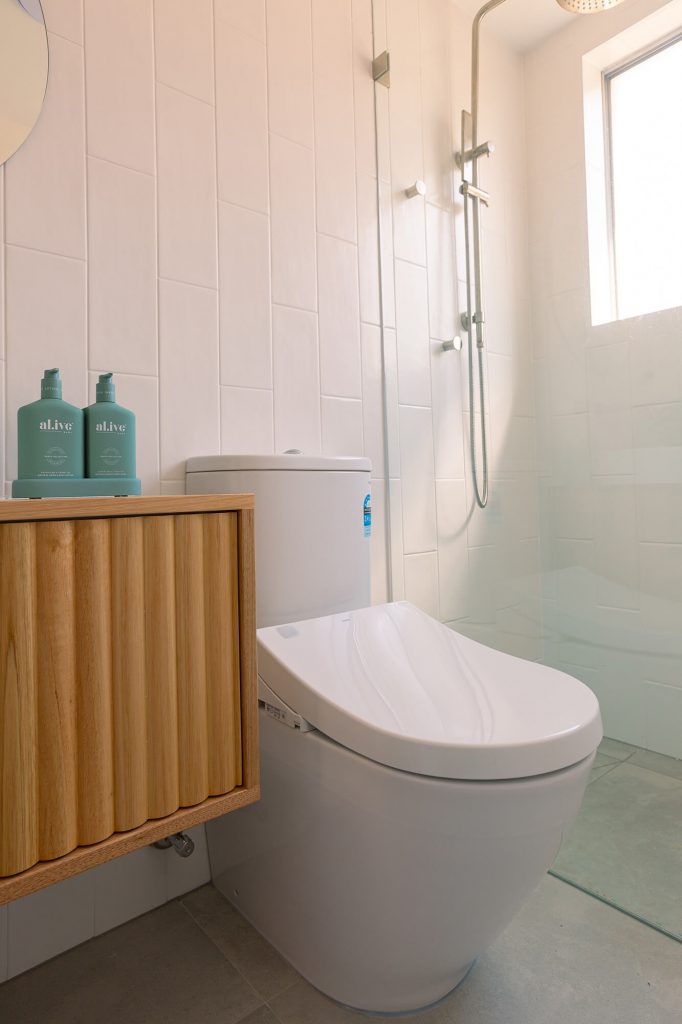
Popular in apartments and smaller homes, electric storage systems are easy to install but can lead to higher running costs unless off-peak electricity is available. To explore more energy-efficient options and expert advice, Discover Camperdown Plumbing Services today.
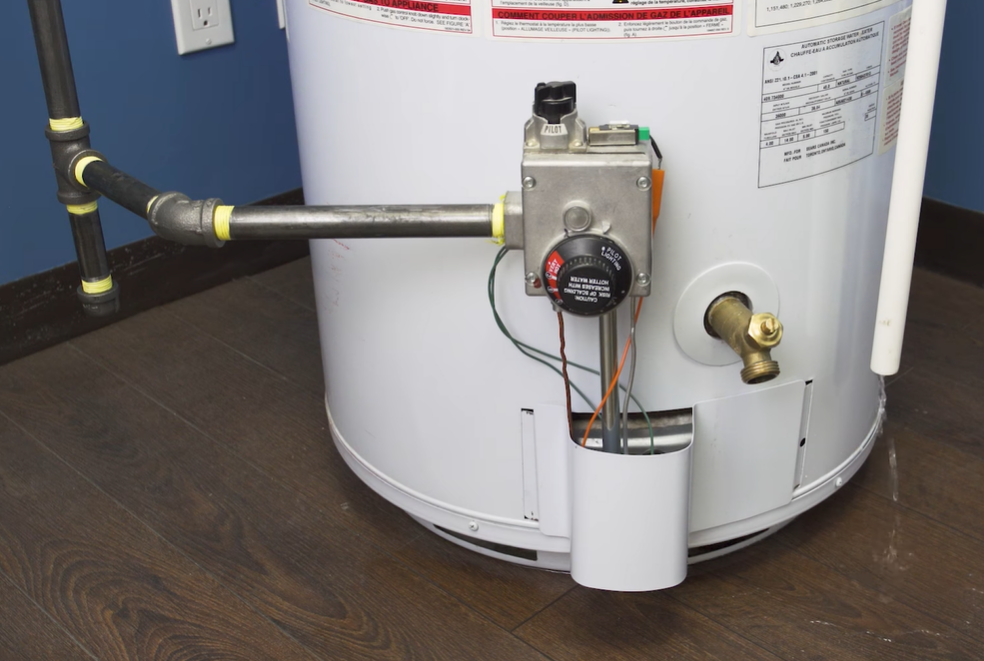
Ideal for families with high hot water usage, these systems recover quickly and perform reliably, especially in homes already connected to natural gas.
Also known as tankless heaters, these are perfect for modern renovations or compact homes, providing hot water on demand without taking up storage space.
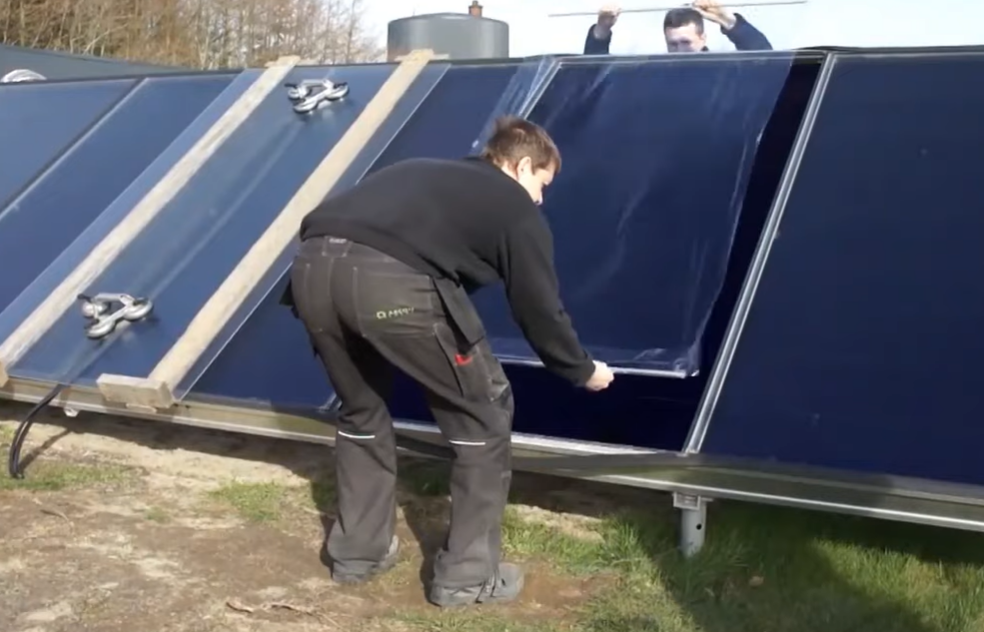
Suited to homes with good roof exposure, solar systems cut long-term costs and emissions, though they require a higher upfront investment.
An efficient electric alternative, heat pumps work well in Camperdown’s climate and are often eligible for government rebates when installed by licensed plumbers.
Each system fits different property types and usage patterns across Camperdown. Choosing the right one means balancing space, budget, and long-term efficiency.
The size of your system depends on daily water usage. For example, a 1–2 person household in a Camperdown unit might only need a 50–80L electric tank. Larger families in terraces may need a 250L gas system or a 26L/min continuous flow unit. Undersizing leads to supply issues, while oversizing wastes energy.
Gas is common in Camperdown’s older homes, making gas hot water systems efficient and cost-effective. Where gas isn’t available, electric systems or heat pumps are often used. Off-peak electric rates can help manage running costs.
Solar systems work best with sunny, north-facing roofs—less common in closely packed homes. Heat pumps are more flexible, requiring only outdoor airflow and power, making them suitable for courtyards or balconies in units.
A licensed Camperdown plumber will evaluate your usage, outlet layout, water pressure, and available connections to recommend a system that suits both your home and household habits.
Camperdown’s terrace homes, apartments, and townhouses all have different plumbing access. Older homes may need upgraded pipework or reinforced wall mounts for tankless units. Units often require body corporate approval for external system installations.
Solar hot water systems need unobstructed, north-facing roof space. Continuous flow gas units typically require external walls with proper ventilation and flue clearance. Some inner-city properties may need creative placement solutions to meet code.
Strata-managed buildings must approve any plumbing changes that affect shared walls, roofs, or drainage. Some heritage-listed homes in Camperdown may face additional limits under Inner West Council building controls.
All systems must be installed by a licensed plumber. Installers must follow AS/NZS 3500 standards, ensure temperature safety valves are in place, and issue a Certificate of Compliance upon completion.
Hot water systems should be professionally serviced once a year to check valves, pressure settings, and sediment buildup. For gas systems, this includes testing burners and flue safety.
Storage systems need periodic flushing to remove mineral deposits. In Camperdown, where water hardness varies, unflushed tanks can corrode faster and heat less efficiently.
Inspect around your unit and pipe fittings regularly for signs of drips or rust stains. Early leak detection prevents structural water damage and extends system lifespan.
For storage tanks, the anode rod should be replaced every 4–5 years. It protects the inner tank from corrosion and prolongs its working life.
Ensure heat pump and continuous flow systems have clear airflow around their vents or intake fans. Obstructions reduce efficiency and may trigger safety shutoffs.
Document each service with your plumber’s licence number and compliance certificate. This helps with warranty claims and future resale.
Many older homes in Camperdown still use clay or terracotta drainpipes, which are highly susceptible to cracking and joint separation. These weaknesses allow tree roots—especially from jacarandas, figs, and camphor laurels common in the area—to invade and block the pipes. For fast and effective solutions, rely on expert Camperdown Blocked Drain Repair services to clear and restore your drainage system.
Kitchen sinks often clog due to built-up grease, oils, and food scraps. Camperdown’s busy café culture also increases the risk in residential mixed-use properties where kitchen waste enters old pipes.
Bathroom drains become blocked over time as hair binds with soap residue, forming dense clumps that slow drainage in showers and sinks.
Children’s toys, sanitary items, wipes, and excess toilet paper are leading causes of toilet blockages. Even “flushable” wipes don’t break down fast enough and can form blockages deep in the system.
In older homes or poorly renovated properties, drainage pipes may sag, shift, or collapse entirely, often without visible signs until a serious blockage occurs.
Understanding these common causes helps identify the right treatment method—whether it’s plunging, snaking, hydro jetting, or full pipe replacement.
For minor clogs, homeowners often try boiling water, baking soda, and vinegar, or a manual plunger. These methods can work for small blockages in sinks or showers but rarely fix deeper issues. Drain snakes from hardware stores offer more reach but require care to avoid pipe damage.
Off-the-shelf drain cleaners may offer a quick fix, but they can corrode older copper or clay pipes common in Camperdown homes. Overuse can also lead to chemical burns or harmful fumes, especially in poorly ventilated bathrooms.
If water backs up across multiple fixtures, gurgles after flushing, or returns after DIY attempts, it’s time to call a plumber. Professionals can diagnose the blockage location and severity with CCTV and apply the right technique, minimising guesswork and future damage.
Licensed plumbers use motorised drain augers, hydro jetting machines, and CCTV inspection cameras to safely clear and inspect drains. These methods not only fix the current blockage but also help detect underlying pipe faults like cracks or root intrusion.
The first step most local plumbers take is to feed a high-definition drain camera into the pipe. This shows the exact cause and location of the blockage, whether it’s grease buildup, root intrusion, or a collapsed line. It also helps avoid unnecessary digging or guesswork.
For tough blockages caused by grease, food, or soap, plumbers use high-pressure water jetting. Hydro jetting clears the blockage and scrubs the inside of the pipe clean, preventing future buildup. It’s safe for most residential and commercial drainage lines.
For clogs deeper in the line or solid intrusions like tree roots, mechanical drain snakes or root cutters may be used. These machines grind or break apart the obstruction without removing pipe sections.
If the blockage reveals a more serious issue, such as a cracked or collapsed drainpipe, plumbers may recommend pipe relining or full replacement. In Camperdown’s older homes, trenchless relining is often a preferred option to avoid excavation in tight spaces.
Using mesh strainers over sink, shower, and laundry drains helps catch hair, food scraps, and debris before they enter the pipes. It’s a simple, affordable step that significantly reduces the chance of clogs.
Never pour fats, oils, or grease down the kitchen sink. Let them solidify in a container, then dispose of them in the rubbish. Even small amounts can coat pipes over time, especially in shared sewer lines.
In older Camperdown homes, annual or biennial hydro jetting can prevent tree roots, sediment, and organic buildup from becoming full blockages, especially before storm season.
If you have trees near your sewer line, keep them trimmed and monitored. A plumber can also install a root barrier or recommend pipe relining if repeated root intrusion is detected.
Only toilet paper and waste should be flushed. Avoid flushing wipes, cotton pads, or sanitary products, even if labelled “flushable.” Educating family members helps avoid costly mistakes.
Leaking taps are one of the most noticeable types of plumbing issues, often caused by worn-out washers, O-rings, or cartridge valves. In Camperdown’s older terraces, ageing fixtures can corrode or become loose over time, leading to persistent drips that waste hundreds of litres of water each month. Reliable Camperdown Residential Plumbing services can quickly address these leaks and restore efficiency.
Toilets that run constantly or leak from the base typically indicate a damaged flush valve, faulty flapper, or degraded wax ring. These leaks may go unnoticed until water stains appear or bills increase.
Hidden leaks from pressurised pipes are harder to detect. Signs include bubbling paint, damp smells, or unexplained mould patches. In many Camperdown homes with ageing copper or galvanised pipes, pinhole leaks are common and worsen over time.
Grout cracks or damaged waterproofing membranes in bathrooms allow water to seep into walls or floors. Over time, this leads to swelling in skirting boards or flooring, especially in older bathrooms that haven’t been fully renovated.
Camperdown’s tightly packed homes often have aging flashing or guttering, leading to roof leaks. These can show up as ceiling stains or slow drips during heavy rain, often mistaken for plumbing problems.
Understanding where leaks commonly occur helps homeowners know what to watch for and respond before damage escalates.
Turn off all taps and appliances, then check your water meter. If it’s still ticking over, there’s likely a hidden leak. This method is especially effective for detecting underground or wall leaks in older homes around Camperdown.
Unexplained patches of mould, peeling paint, or musty odours near walls or skirting boards often signal a slow, hidden leak. In multi-storey properties, this can appear on ceilings beneath bathrooms or laundries.
A sudden spike in your water bill without a change in usage is often a red flag. Compare recent bills to seasonal averages—high readings can point to a leak that’s gone unnoticed.
Place a few drops of food colouring in the toilet cistern. If the colour seeps into the bowl without flushing, you have a slow leak, usually from a faulty flapper or seal.
Hissing, dripping, or running water noises behind walls or under floors, especially at night when the house is quiet, can indicate an active leak inside your plumbing lines.
Detecting leaks early is key to minimising water damage, avoiding structural rot, and saving on repair costs in heritage-style and modern Camperdown homes alike.
Plumbers use infrared cameras to detect temperature changes in walls and floors. Cooler spots often indicate moisture from hidden leaks, especially in bathrooms or laundry areas. This non-invasive method is ideal for Camperdown’s tightly built homes.
These tools detect the sound of water movement through walls or under concrete slabs. They’re especially useful in locating leaks under floors or driveways without damaging the surface.
These handheld tools measure dampness in walls, skirting boards, or ceilings. In heritage homes with timber framing, early moisture detection prevents serious structural decay.
For leaks caused by cracked or misaligned drainage pipes, plumbers insert a small camera into the pipe to pinpoint the fault. This is common in older homes with clay or terracotta drains.
Licensed leak detection plumbers in Camperdown combine these tools with deep knowledge of local building layouts and common materials. Many offer same-day diagnosis and insurance-ready reporting—crucial when leaks cause ceiling or wall damage in strata or shared properties.
Leaky taps and toilets often just need new washers, flapper valves, or base seals. These simple repairs stop unnecessary water loss and are usually completed in one visit.
If recurring pinhole leaks or corrosion appear in older pipes—especially copper or galvanised types—your plumber may recommend partial or full repiping. This is common in Camperdown’s pre-1950s homes, where materials have exceeded their lifespan.
For leaks caused by damaged grout or waterproofing, resealing or retiling the shower base may be necessary. Addressing these early prevents structural damage and avoids the need for major bathroom renovations later.
If the leak source is external—such as faulty guttering, flashing, or roof tiles—a roofer or plumber may need to repair joints and ensure proper runoff. This is particularly important in storm-prone seasons.
A licensed plumber can perform yearly leak checks, especially in ageing homes or rental properties. Catching minor issues early avoids long-term structural damage and insurance headaches.
In many Camperdown homes—particularly older terraces and units—piping systems may be several decades old. Over time, these pipes can corrode, deteriorate, or show the effects of poor installation from past renovations. The key is understanding when a basic repair is enough and when a full replacement is necessary. For expert assessment and solutions, trust Professional Plumbing in Camperdown.
Minor leaks, dripping joints, or isolated wet spots under sinks often indicate a small fault that can be fixed without replacing the full pipe. These repairs usually involve tightening fittings, replacing washers, or applying epoxy resin to small cracks.
If pipes are corroded throughout, show multiple leaks, or are made from outdated materials (like galvanised steel or brittle polybutylene), repairs may only be a short-term fix. Replacing the pipe ensures safety, long-term performance, and can even increase your property’s value.
Understanding what type of piping you have in your home is essential when considering repairs or replacements. Camperdown’s diverse housing—from heritage terraces to modern units—means a wide mix of pipe materials, each with its own lifespan and risk factors.
Still common in many homes, copper is durable and reliable, but can develop pinhole leaks due to internal corrosion or water quality issues. It’s repairable in most cases, but may need replacement after 30–40 years.
Often found in older Camperdown homes, these pipes are prone to rust, internal scaling, and water discolouration. Most are beyond their service life and should be fully replaced.
Used for drainage and waste systems, PVC is lightweight and corrosion-resistant. Cracks or blockages may require segment replacement, but full system failure is rare unless damaged by tree roots or movement.
Found in newer builds and renovations, PEX is flexible and long-lasting. While resistant to corrosion, PEX can be vulnerable to UV and rodents, and poorly installed joints may fail under pressure.
Still present in older homes’ sewer systems, clay pipes are highly susceptible to cracking and root intrusion. Repair is possible, but most require replacement or relining to prevent recurring issues.
When a pipe issue is isolated and the overall system is in good condition, repair is usually the most efficient and cost-effective solution. Plumbers in Camperdown use a range of targeted methods to restore function without replacing entire pipe sections.
For small cracks or pinhole leaks, plumbers may apply an epoxy resin sealant around the affected area. This method is common on copper or plastic pipes and is ideal for tight spaces where replacement would be invasive.
In accessible areas like under sinks or in service ducts, compression fittings can be used to seal leaks or join pipes without the need for soldering or adhesive.
If only a small portion of a pipe is damaged, your plumber can cut out that section and replace it with new material. This approach is especially useful for PVC and copper piping that has suffered localised damage or stress.
Temporary clamps can be installed to contain leaks until a full repair can be scheduled. These are often used in emergencies or on pressurised lines where isolation isn’t immediately possible.
Sometimes a pipe is simply too damaged, outdated, or hazardous to repair reliably. In these cases, full pipe replacement provides a long-term solution that improves safety, water quality, and property value—especially in older homes across Camperdown.
Pipes made from galvanised steel, clay, or old copper nearing 40+ years are often at the end of their service life. If leaks are recurring or corrosion is visible, ongoing patch repairs only delay the inevitable.
If multiple leaks appear across different areas, or you notice rusty, cloudy, or foul-smelling water—it’s likely a sign that the entire system is deteriorating. Replacing pipes ensures consistent water quality and pressure throughout the home.
Older piping systems can become narrowed due to mineral buildup or rust. Full replacement removes these internal blockages and restores proper flow, important in multistorey homes or when installing new appliances.
If you’re renovating your bathroom, kitchen, or laundry, replacing old pipes during the project saves time and cost later. It also ensures that new fixtures connect to reliable plumbing with proper pressure and drainage.
Deciding between pipe repair and full replacement comes down to the condition of your plumbing system, the age of your home, and your long-term plans for the property. While repairs can solve isolated issues quickly, they aren’t always the most reliable option if the underlying system is failing.
A licensed plumber in Camperdown can inspect your piping with modern diagnostic tools—such as thermal cameras, moisture meters, or CCTV for drainage lines—to give you a clear picture of the problem. From there, they’ll recommend the most cost-effective and lasting fix based on material type, pipe access, and building layout.
If you’re seeing frequent leaks, pressure problems, or discoloured water, don’t delay. Proactive replacement may cost more upfront, but can prevent major water damage, mould growth, and ongoing repair bills.
Toilets in Camperdown homes can experience a variety of issues, from continuous running to significant leaks. Given that many properties in the area were built decades ago, while others have undergone recent renovations, the source of the problem often comes down to the age and quality of the original installation. For prompt and reliable solutions, turn to trusted Camperdown Toilet Repair Services.
This usually means the flapper or fill valve is worn out. It’s one of the most common issues and leads to significant water waste if not fixed quickly. Some Camperdown homes with older cisterns may also have hard-to-source parts, requiring a full replacement.
If flushing feels sluggish or doesn’t clear the bowl, the problem could be a partial blockage, low water level, or worn-out flush valve. This is especially common in dual-flush systems that haven’t been serviced in years.
A damp or smelly floor around the toilet is often a sign of a failed wax ring or damaged pan collar. This type of leak can lead to structural damage or rot if left unattended, especially on timber floors common in terrace bathrooms.
Cracks, even hairline ones, can lead to slow leaks and structural failure over time. If the toilet is over 10–15 years old, replacement may be more cost-effective than repair.
A loud refill or banging noise when the toilet stops filling usually points to worn valves or poorly secured pipework. It’s a common issue in multi-storey homes and units across Camperdown.
| Toilet Issue | Repairable? | Typical Fix | When to Replace |
|---|---|---|---|
| Constantly running toilet | ✅ Yes | Leaking at the base | If multiple issues persist or the internal cistern is brittle |
| Weak or incomplete flush | ✅ Yes | Replace the flapper, float, or fill valve | If the leak has damaged the flooring or the pan is cracked |
| Stains or corrosion in the bowl | ⚠️ Sometimes | Replace pan collar or wax ring; reseal base | Replace the entire toilet unit |
| Cracked cistern or bowl | ❌ No | – | If pipes are severely corroded or the toilet can’t be updated |
| Loud refill or water hammer | ✅ Yes | Adjust the flush valve, unblock jets, or replace cistern parts | If the bowl is permanently stained or enamel is worn |
| Stains or corrosion in bowl | ✅ Yes | Deep cleaning, descaling agents | If the mechanism is no longer compatible |
| Broken flush button or lever | ✅ Yes | Install an anti-hammer valve or secure pipes | Replace the button, cable, or internal linkage |
When it comes time to replace an old toilet or fit out a new bathroom, Camperdown homeowners have several types of toilet installations to choose from, each with benefits depending on layout, space, and style.
These are the most common in established homes. The cistern sits directly on the back of the pan, making it compact and easy to maintain. They’re ideal for bathrooms with standard plumbing layouts and suit most Camperdown terrace homes.
These units sit flush against the wall, hiding pipework and offering a cleaner, more modern look. They require precise plumbing alignment but are great for renovations where aesthetics and easy cleaning matter.
Fixed directly to the wall with the cistern hidden inside the wall cavity, wall-hung toilets are popular in contemporary builds and minimalist bathrooms. They save floor space but may require structural wall modifications, less suited to older properties without major renovations.
These toilets hide the cistern inside cabinetry or a wall box, offering a sleek profile without full wall recessing. They’re a practical compromise between wall-hung and back-to-wall options and are often chosen in apartment upgrades.
Selecting a toilet goes beyond looks. The right choice balances space, plumbing compatibility, water efficiency, and comfort, especially in Camperdown, where homes range from Victorian terraces to modern apartments.
If you’re not renovating the whole bathroom, it’s often best to choose a toilet that matches your existing waste outlet position, either floor or wall. Changing outlet direction adds cost and complexity.
Look for WELS-rated dual flush systems. The best toilets use just 4.5 litres for a full flush and 3 litres for a half flush, reducing your water bill and supporting sustainability efforts in inner Sydney.
Standard height suits most adults, but comfort height toilets are better for taller users or those with mobility issues. Always check seat height before purchasing.
Measure your space carefully. In smaller bathrooms—common in Camperdown’s older homes—back-to-wall or concealed cistern units can maximise floor area without compromising function.
Toilets come in square, round, and slimline designs. Choose one that matches your basin, bath, and tapware for a cohesive look, especially in bathroom renovations.
Whether you live in a terrace near Parramatta Road or a renovated unit by Camperdown Park, tap and sink issues are some of the most common plumbing problems faced by homeowners. If left untreated, even minor drips can lead to water damage, higher utility bills, and long-term structural concerns. Timely Plumbing Repairs in Camperdown can help prevent small issues from turning into major headaches.
Worn-out washers, cartridges, or O-rings are the usual culprits in leaking taps. In Camperdown’s older homes, taps often haven’t been serviced in years and may require full re-seating or modern cartridge replacements.
If your tap trickles instead of flows, it could be due to scale buildup in the aerator, partially closed valves, or deeper pipe corrosion. In apartment blocks, the issue might relate to shared plumbing or pressure regulation devices.
Common in kitchen sinks, slow drainage is usually caused by food scraps, oils, or coffee grounds trapped in the P-trap or waste pipe. In bathrooms, hair and soap scum are the usual causes.
Leaks under the sink can come from loose trap connections, perished seals, or cracked basins. In Camperdown’s older cabinetry, these leaks often go unnoticed until timber swells or mould appears.
Gurgling, hissing, or hammering sounds after shutting off a tap are signs of air in the lines, worn washers, or high pressure, especially common in retrofitted bathrooms.
| Tap Issue | Repairable? | Typical Fix | When to Upgrade |
|---|---|---|---|
| Constant dripping | ✅ Yes | Replace washer, O-ring, or ceramic cartridge | Leaks around the base or spout |
| Stiff or tight handles | ✅ Yes | Clean spindle, lubricate, or replace valve seat | If the tap body is corroded or parts are obsolete |
| Noisy operation (hissing/hammer) | ✅ Yes | If noise persists and the system is outdated | If the tap is rusted internally or cracked |
| Inconsistent water flow | ⚠️ Sometimes | Clean the aerator or flush the pipework | If caused by widespread internal pipe corrosion |
| Leaks around base or spout | ✅ Yes | Replace the body seal or re-seat the spindle | If the fixture is aged or the design doesn’t meet modern needs |
| Outdated or mismatched style | ❌ No | – | Replace for visual consistency and water efficiency |
Sinks in Camperdown homes—especially in kitchens and older bathrooms—often develop drainage issues that go beyond just surface blockages. Identifying the source early can prevent water damage, foul odours, or full drain collapse.
Grease, food scraps, and soap residue build up inside sink waste lines over time. In kitchens, this often leads to slow drainage or gurgling sounds. For deeper or repeated blockages, a plumber may need to remove the P-trap or hydro jet the line.
Leaks under the sink often come from loose or poorly sealed connections between the sink and trap. Compression seals may perish, and older plastic fittings can crack. These leaks often go unnoticed until cabinets show water damage or mould.
In porcelain or ceramic sinks, cracks are often cosmetic at first but can grow into full fractures. If water starts seeping from around the sink, replacement may be the safest option, especially in high-use bathrooms.
Undermount and semi-recessed sinks can come loose if the silicone seal breaks down or fasteners degrade. A loose basin can stress the benchtop or damage cabinetry.
If your sink is older or part of a low-quality renovation, repairing may not restore full function, and replacement might better suit long-term performance and hygiene.
When repairs aren’t enough—or if your fittings are outdated or poorly installed—replacement is often the smarter move. In Camperdown homes, where styles vary from Federation-era to newly renovated, choosing modern tapware and sinks improves both functionality and value.
Modern mixer taps with ceramic cartridges are more efficient, durable, and water-saving than older compression types. They’re also easier to operate, which is ideal for families or residents with mobility concerns. A plumber can typically replace a tap within an hour if the plumbing is accessible.
If your sink is cracked, corroded, or no longer fits your bench layout, replacement may require cutting or modifying cabinetry. Stainless steel, ceramic, and composite sinks offer varying durability and styles—your plumber can guide you based on space, usage, and benchtop material.
New tapware and sinks are designed with water efficiency in mind. Choosing WELS-rated products can reduce bills and meet environmental regulations, especially in strata or environmentally rated homes.
Most standard replacements can be done in half a day. If cabinetry or plumbing rerouting is required, your plumber will provide a quote and timeline based on the scope. Always ensure installations comply with AS/NZS standards and include a certificate of compliance.
From historic terraces to compact apartments, Camperdown homes often face a variety of shower and bath plumbing issues. These problems frequently arise from ageing infrastructure, previous DIY renovations, or the wear and tear of daily use. Discover solutions and insights by exploring More About Camperdown Plumbing.
Dripping shower heads usually result from worn washers or valve seats, especially in older mixer taps. Over time, constant dripping not only wastes water but can also raise your utility bills.
Low pressure in the shower is often caused by blocked aerators, corroded pipes, or water-saving restrictors that no longer function properly. In some cases, especially in multi-storey homes, it can be linked to older pipework with internal scaling.
Hair, soap, and grime are the typical culprits in slow drains. In bathrooms with older plumbing, poor fall in the waste line or pipe sagging can also lead to frequent backups.
Water escaping from the shower base or bath edges often points to failed waterproofing or cracked grout. If left untreated, this can cause timber subfloors and walls to rot, particularly in heritage homes with suspended flooring.
Faulty diverters prevent water from switching properly between the bath spout and shower head. In older homes, diverter components are often worn, seized, or incompatible with modern fittings.
Shower taps and mixer issues are among the most frequent bathroom plumbing problems in Camperdown homes. Whether you have traditional spindle taps or a modern mixer, knowing the cause of the fault helps you decide between repair and replacement.
In older-style taps with separate hot and cold spindles, leaks usually come from worn washers or valve seats. Replacing these parts often solves the issue, but if the tap bodies are corroded, your plumber may recommend upgrading to ceramic disc models for longer durability.
Mixer taps, common in newer bathrooms, can develop leaks due to worn ceramic cartridges. These are easily replaced by a plumber, provided the mixer is a standard size and brand. If parts aren’t available or the unit is integrated into the wall, full mixer replacement may be needed.
If your tap handles are tight or squeak when turned, it usually indicates a buildup of sediment or worn spindles. In many Camperdown renovations, these issues show up years after poor-quality fittings were installed.
Inconsistent water temperature may be caused by faulty thermostatic valves or worn cartridges, especially in properties with fluctuating pressure or older hot water systems.
In Camperdown homes, especially those with decades-old bathrooms or quick cosmetic renovations, poor drainage and failed waterproofing are leading causes of hidden water damage.
Hair, soap, and shampoo residue frequently clog shower and bath wastes. Over time, these materials form dense blockages in the P-trap or further down the line. If the issue returns often, it may indicate poor pipe fall or partial collapse in older plumbing.
A sewer-like smell from the shower or bath is often caused by dried-out traps, blocked vents, or rotting organic matter caught deep in the line. In terrace homes with limited ventilation, these smells can build up fast.
If you notice damp smells, mould on adjacent walls, or stained ceilings below upstairs bathrooms, your shower may be leaking through failed waterproof membranes. This is especially common in older bathrooms that were resealed without fully removing the original tiles or base.
Overflow fittings in older baths can deteriorate and leak into wall cavities. If you notice water pooling near the base after use, it may be a sign of a faulty or loose overflow pipe connection.
Cracked grout or peeling silicone around tiles and bath edges allows water to seep into hidden areas. This leads to rot, pest problems, and structural decay, especially in bathrooms with timber subfloors.
There comes a point where repairing old fixtures no longer makes sense—especially when parts are unavailable, the layout is dated, or the system is inefficient. For many Camperdown homeowners, replacing fixtures is not just about solving a problem, but improving functionality and future-proofing the bathroom.
If your shower or bath taps are more than 15 years old, they may lack water efficiency, and parts can be hard to source. Upgrading to modern mixer taps or dual-control sets ensures easier operation, consistent temperature, and reduced water use.
Visible cracks in bath spouts, corroded tap handles, or pitting on chrome finishes signal the end of a fitting’s lifespan. These not only look dated but can cause leaks or skin irritation due to metal degradation.
If your shower base or bathtub has developed deep cracks or permanently stained surfaces, replacement may be safer than resurfacing. Modern units are made from materials that better resist mould and staining.
If your fixtures are awkwardly placed, hard to clean, or make repairs difficult, it’s often worth redesigning the setup. Replacing wall taps with a mixer or shifting the bath tap position can make daily use easier and future repairs more manageable.
Upgrading your shower and bath fixtures boosts appeal for potential buyers or tenants. New tapware, an updated spout, or a modern bath can elevate the look of the whole bathroom, especially important in a competitive inner-Sydney market like Camperdown.
In Camperdown homes—whether heritage terraces or modern apartment builds—kitchen plumbing problems are some of the most common issues reported. With constant daily use and, in some cases, ageing or outdated pipework, early warning signs should never be overlooked. Trust Local Plumbers in Camperdown to diagnose and fix kitchen plumbing issues before they escalate.
Grease, food scraps, coffee grounds, and detergent scum often clog pipes over time. Even with strainers in place, build-up inside P-traps or main waste lines can cause slow draining or foul smells. In apartments, shared waste stacks may also cause recurring backups.
A dripping kitchen tap not only wastes water but can also damage surrounding cabinetry. Worn cartridges, washers, or O-rings are the usual culprits, especially in older mixer taps that haven’t been serviced in years.
Dishwashers connected to old or incorrectly installed kitchen plumbing may not drain properly. Kinked hoses, food buildup in the outlet, or poor air gaps can all lead to standing water or overflow.
Loose pipe fittings, cracked PVC, or a worn sink seal can lead to hidden leaks under the kitchen bench. These often go unnoticed until cabinets start warping or a musty smell emerges, which is common in timber cabinetry found in many Camperdown homes.
If you hear a loud banging when turning taps off or during dishwasher cycles, it could be water hammer. This pressure surge is usually due to unsecured pipes or worn valves and should be addressed to avoid long-term damage.
In Camperdown homes—where renovations often involve a mix of old and new fittings—kitchen taps are among the most commonly serviced plumbing fixtures. Knowing when to repair versus replace saves time, water, and ongoing frustration.
Most kitchen mixer taps leak due to a worn ceramic cartridge or rubber seal. If the tap is otherwise in good condition, a licensed plumber can replace the cartridge within an hour. However, if the brand is obscure or discontinued, replacing the whole tap may be more practical.
Loose tap bodies usually result from worn mounting brackets beneath the benchtop. This is common in retrofitted kitchens where sealant has failed or fixings have come loose. Re-securing the tap and resealing the base can stop leaks and prevent damage to the surrounding benchtop.
Many older Camperdown homes still have twin-tap setups or budget mixers from past renovations. Upgrading to a modern pull-out or swivel mixer tap improves water control and efficiency, particularly in kitchens with double sinks or dish sprayers.
If the finish is flaking or if rust is visible at joints, it’s best to replace the fixture. Stainless steel or brass fittings offer better longevity and match newer kitchen aesthetics.
Kitchen sinks handle a high volume of waste water, and even minor issues can lead to blocked pipes, water damage, or unpleasant odours. In Camperdown’s varied housing, especially homes with older plumbing and drainage repairs are often essential.
Slow-draining sinks usually result from a buildup of grease, food, and detergent residue. If the blockage is in the P-trap, it can often be cleared manually. Deeper clogs in the waste line may require professional jetting or snaking, especially in shared plumbing systems like apartment blocks.
Leaks beneath the kitchen sink often come from loose trap fittings, worn seals, or cracked PVC. Over time, even a slow drip can damage cabinetry and create mould. A plumber can reseal joins, replace cracked components, and restore a watertight connection.
Rotten smells from your sink are often caused by decaying organic material caught in the trap or poor venting. Cleaning the trap and ensuring proper air venting can eliminate odours. In older homes, your plumber may also inspect for dry traps or improper drain slopes.
If your kitchen sink overflows or bubbles when using the dishwasher, it could indicate a venting problem or backflow from the shared drain. Installing an air gap or cleaning the shared waste line may resolve the issue.
Whether you’re renovating a Camperdown kitchen or upgrading an older appliance, proper dishwasher installation is key to avoiding drainage issues, backflow risks, or leaks.
Most dishwashers connect to the same water supply and drainage as the sink. A licensed plumber can install a dual stop valve and ensure the waste hose is properly looped or fitted with an air gap to prevent back-siphoning, especially important in multi-unit buildings.
Older dishwashers may use outdated connectors or drain directly into poorly sealed waste lines. During replacement, a plumber will inspect the pipe condition and update fittings as needed to meet current Australian standards and water efficiency codes.
If your kitchen lacks a dedicated dishwasher outlet, one can be added to the existing trap under your sink. This ensures proper flow and reduces the risk of blockages or flooding from incorrect installations.
Dishwasher installations often require adjustments to cabinetry, especially in older Camperdown terraces where bench heights vary. Ensuring enough clearance for access and hose routing helps prevent strain and leaks.
A licensed plumber ensures your installation complies with AS/NZS regulations and provides a certificate of compliance, especially valuable for insurance and resale purposes.
Garbage disposals, also known as food waste disposers, are becoming more common in Camperdown kitchens, particularly in modern units and environmentally conscious homes. These handy devices grind food scraps into small particles that easily flow away with wastewater, helping reduce bin odours and minimise landfill waste. For expert installation and maintenance, rely on Local Plumbers in Camperdown to keep your system running smoothly.
Mounted beneath the sink, the disposal unit uses spinning impellers to force food waste against a stationary grind ring. This crushes the scraps into a slurry, which is flushed down the drain. Most units are electrically powered and connected to the sink waste system via a flange.
Hard items like bones, fruit pits, or utensils can jam the impellers. When jammed, the unit may hum without spinning or trip its reset button.
Even finely ground waste can accumulate in the trap or waste pipe, especially if used with greasy or fibrous items like onion skins, celery, or coffee grounds. This leads to slow drainage or backups.
Food residue caught in the grind ring or lower pipes can begin to rot, causing persistent odours. This is common when the unit isn’t flushed properly after each use.
If the unit doesn’t turn on, it may be due to a tripped circuit, failed motor, or faulty switch. Safety is critical; electrical work around water fixtures should always be handled by a licensed professional.
Many garbage disposal issues stem from misuse, particularly when food scraps that seem harmless end up clogging or damaging the system. For Camperdown households with older pipework or smaller waste lines, avoiding certain materials is especially important.
| Item | Why It’s a Problem |
|---|---|
| Fats, Oils, and Grease | They solidify in pipes, leading to stubborn blockages and odours. |
| Coffee Grounds | They clump together and create sediment-like sludge in pipes. |
| Eggshells | The membrane layer can wrap around the impellers and slow operation. |
| Fibrous Veggies | Celery, corn husks, and onion skins can tangle the grind mechanism. |
| Bones and Hard Shells | These are too dense and can jam or break the impellers. |
| Pasta and Rice | These expand in water and can clog the trap or drain line. |
| Fruit Pits | Items like peach or avocado seeds are too hard to grind. |
| Non-Food Items | Small utensils, wrappers, or twist ties can damage the motor. |
If your home shares drain lines with neighbouring units, clogs in one disposal can affect others, making proper use even more important in apartments or terraces with joined plumbing.
Regular cleaning and maintenance of your garbage disposal not only prevents smells and blockages but also extends the life of the unit—especially important in busy Camperdown kitchens where daily use is common.
A licensed plumber can inspect and service the disposal to check for motor wear, leaks, or improper installation, especially in older Camperdown homes with limited under-sink space or non-standard fittings.
| Condition | Recommended Action | Why It Matters |
|---|---|---|
| Motor hums but blades won’t spin | ✅ Repair | Likely a jammed flywheel—can be cleared without full replacement. |
| Leaks around the mounting flange | ✅ Repair | Sealing or tightening the mount often resolves the issue. |
| Tripped breaker or loose wiring | ✅ Repair | Minor electrical issues are fixable by a licensed technician. |
| Frequent jams or poor performance | ❌ Replace | Indicates weakening motor or unit too small for household needs. |
| Loud grinding or rattling noises | ❌ Replace | Internal parts may be worn, misaligned, or damaged. |
| Visible rust or chamber corrosion | ❌ Replace | Compromised structure risks leaks and poor hygiene. |
| Unit is 10+ years old and unreliable | ❌ Replace | Older models are inefficient and near the end of their service life. |
| Kitchen renovation in progress | ❌ Replace | Ideal time to upgrade to a quieter, higher-capacity disposal. |
Sewer line issues are among the most disruptive and expensive plumbing problems a Camperdown homeowner can encounter. Whether you live in a classic Victorian terrace or a modern dual-level apartment, spotting the early warning signs is crucial. Trusting Local Plumbers in Camperdown ensures fast diagnosis and professional repairs before the damage spreads.
If multiple drains across your home, like sinks, showers, or toilets, are backing up simultaneously, it often signals a blockage deeper in the sewer line, not just a local drain issue.
Unusual gurgling sounds from the toilet or shower can indicate trapped air caused by an obstruction in the main waste line. This is especially common in older homes where roots have invaded clay pipes.
A strong sewage odour in the yard, bathroom, or near floor drains may point to a cracked or broken pipe releasing gas. Camperdown’s older clay or cast iron systems are particularly vulnerable to this type of failure.
This is the most urgent red flag. If sewage starts coming back up through a floor drain or toilet, turn off the water use immediately and call a plumber. This usually means the main sewer line is fully blocked or collapsed.
Soft, wet soil, unexpected patches of lush grass, or visible ground depressions can suggest an underground sewer pipe is leaking or has broken.
Camperdown’s mix of historic terraces and urban redevelopments creates a variety of sewer line issues—often depending on the age of the home and the materials used in the original plumbing.
Large street trees, common in Camperdown’s older neighbourhoods, send out aggressive roots that target sewer pipes for moisture. Clay and concrete pipes are particularly vulnerable to root intrusion through cracks or joins, leading to slow leaks or full blockages.
Many homes still have original clay, cast iron, or even pitch fibre pipes that are now decades past their intended lifespan. These materials are prone to cracking, collapsing, or rusting from the inside out.
Camperdown’s soil can shift due to seasonal moisture changes or nearby construction work. This can cause pipes to sag (creating “bellies” in the line), crack, or become misaligned, restricting flow and causing backups.
Excavations for landscaping, fencing, or home additions may accidentally damage shallow sewer lines if not properly located beforehand. Unlicensed renovations can also lead to illegal or poorly connected sewer extensions.
Non-flushables like wipes, hygiene products, or excessive kitchen grease can build up over time and cause obstructions, especially in narrow or partially damaged pipes.
Depending on the cause and extent of the damage, your plumber will recommend a sewer line repair method that balances durability, cost, and disruption, especially in high-density areas like Camperdown.
Before any repair begins, a licensed plumber uses a drain camera to inspect the full length of the pipe. This helps locate cracks, breaks, blockages, and root intrusions without unnecessary digging.
If the issue is caused by tree roots or buildup, high-pressure water jetting clears the obstruction. In cases of mild damage, this may be all that’s needed, followed by periodic maintenance to keep roots at bay.
For isolated cracks or leaks, a patch can be applied internally using an epoxy liner. This minimally invasive solution seals the pipe from the inside without needing excavation.
If the damage is localised but severe, your plumber may dig a trench around the affected area and replace just that section with modern PVC piping. This is common when the rest of the line is in good condition.
In many Camperdown homes, trenchless repair methods are preferred to preserve landscaping, driveways, and building structures. These modern methods offer long-term durability with minimal disruption.
Sometimes, patching or partial repairs aren’t enough. In older Camperdown homes, particularly those with ageing clay or cast iron systems, full sewer line replacement may be the most reliable long-term solution.
| Condition | Why Replacement Is Recommended |
|---|---|
| Multiple pipe collapses or blockages | Indicates systemic failure throughout the line |
| Pipes made of outdated materials | Clay, cast iron, or asbestos cement may no longer be compliant |
| Severe root intrusion across pipe length | Roots will keep returning even after clearing or patching |
| Ongoing sewage backups or drain issues | Suggest full pipe failure or misalignment |
| Renovation or building extensions planned | Best to upgrade plumbing now before covering it over again |
This traditional method involves digging along the entire line to remove and replace old piping. It’s reliable and ideal when extensive damage is confirmed and access is straightforward.
For homes where minimising surface disruption is critical—like landscaped yards or beneath buildings—relining inserts a durable epoxy sleeve inside the existing pipe. It’s quicker, less invasive, and often cheaper overall.
Involves pulling a new pipe through the old one while fracturing the existing material. It’s useful for heavily collapsed pipes that can’t be lined.