


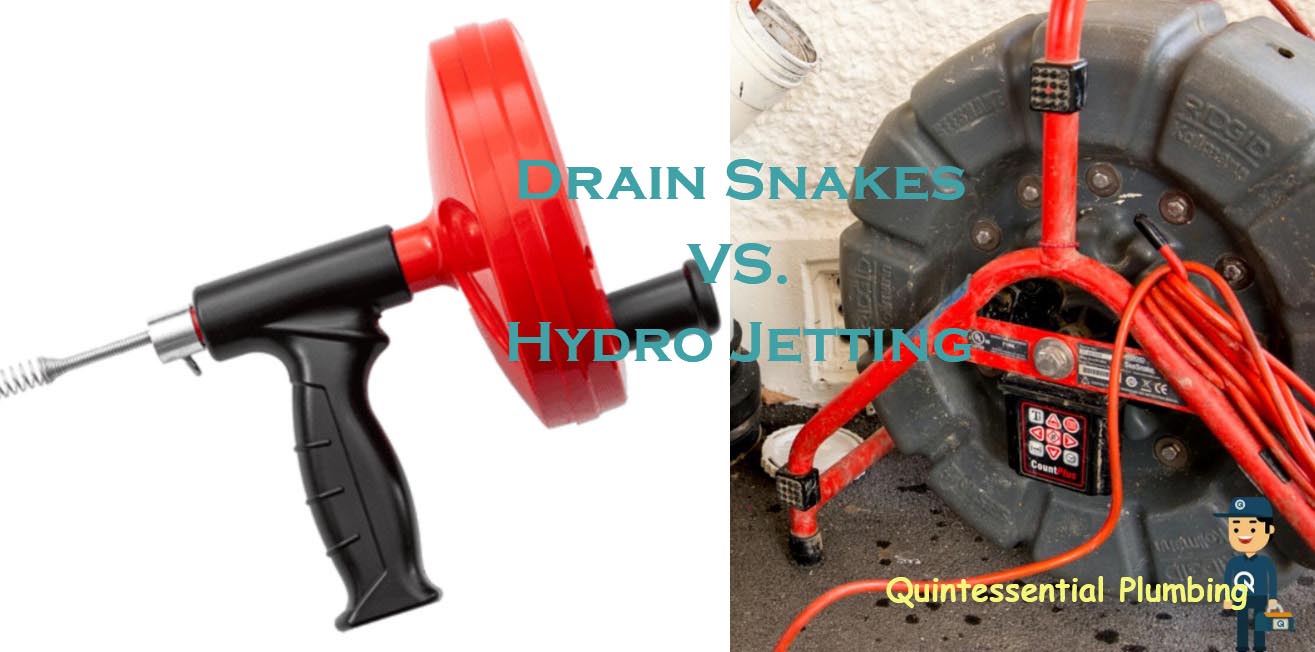
When it comes to clearing clogged drains and sewer lines, there are a few different options to choose from. Two of the most popular methods are using a drain snake, also known as a plumbing snake or drain auger, and hydro jetting. Both of these methods can be effective at clearing blockages, but they each have their own pros and cons. In this article, we’ll go over the differences between drain snakes and hydro jetting and help you decide which method is best for your needs. Read more about The Complete Guide to Drain Cleaning for Your Home’s Plumbing System.
Drain snakes, also known as plumbing snakes or drain augers, are long, flexible rods with a metal coil on the end. They’re used to reach into pipes and remove blockages by breaking them up and pulling them out. To use a drain snake, you simply insert it into the drain and turn the handle to push it through the pipes. As the snake moves through the pipes, the metal coil will help to break up and remove the blockage.
However, there are a few downsides to using a drain snake. One potential disadvantage is that the snake may not be able to reach very deep into the pipes, depending on the length of the cable. This can be an issue if the blockage is located deep within the pipes, as the snake may not be able to reach it. Additionally, drain snakes are not always effective at removing very stubborn blockages, such as those caused by tree roots.
Hydro jetting is a method of clearing clogged drains and sewer lines that involves using high-pressure water to blast through blockages and remove any debris. Hydro jetting is typically performed by a professional plumber near you, who will use a specialized machine to generate a powerful stream of water that can reach deep into the pipes. The water is able to cut through and remove even the most stubborn blockages, making hydro jetting an effective option for clearing clogs that cannot be removed with other methods.
However, there are a few potential downsides to hydro jetting. One disadvantage is that it can be more expensive than using a drain snake, as it requires specialized equipment and typically involves hiring a professional plumber. Additionally, hydro jetting can be harsh on pipes, particularly if the pressure is set too high. It’s important to make sure that the pressure is set appropriately for your specific pipes to avoid damaging them.
So which method is best for clearing clogged drains and sewer lines – a drain snake or hydro jetting? Ultimately, the answer will depend on your specific needs and the severity of the blockage. If you’re dealing with a minor clog that is located near the surface of the pipes, a drain snake may be sufficient. However, if you’re dealing with a more stubborn blockage that is located deep within the pipes, hydro jetting may be the better option.
If you’re unsure which method is best for you, it may be helpful to consult with a professional plumber. They can assess the situation and provide recommendations based on the severity of the blockage and the condition of your pipes.
In addition, to drain snakes and hydro jetting, there are a few other methods that can be used to clear clogged drains and sewer lines. These include chemical drain cleaners, foam cleaners, and manual removal of the blockage. It’s important to keep in mind that these methods may not be suitable for all types of blockages, and they may not be as effective as drain snakes or hydro jetting in certain situations.
To help prevent clogged drains and sewer lines in the future, there are a few steps you can take. These include using a drain cover or hair catcher to prevent hair and other debris from entering the pipes, disposing of grease and oil properly, avoiding flushing foreign objects down the toilet, and using garbage disposal carefully. Regular maintenance and inspections can also help to prevent blockages from occurring. Fine more tips to prevent blocked drains here.
In summary, drain snakes and hydro jetting are both effective methods for clearing clogged drains and sewer lines. The right choice for you will depend on the severity of the blockage, the location of the blockage, and the condition of your pipes. If you’re unsure which method is best for your situation, it’s always a good idea to consult with a professional plumber for guidance.
By taking steps to prevent blockages and addressing them promptly when they do occur, you can keep your pipes flowing smoothly and avoid costly repairs. Regenerate response
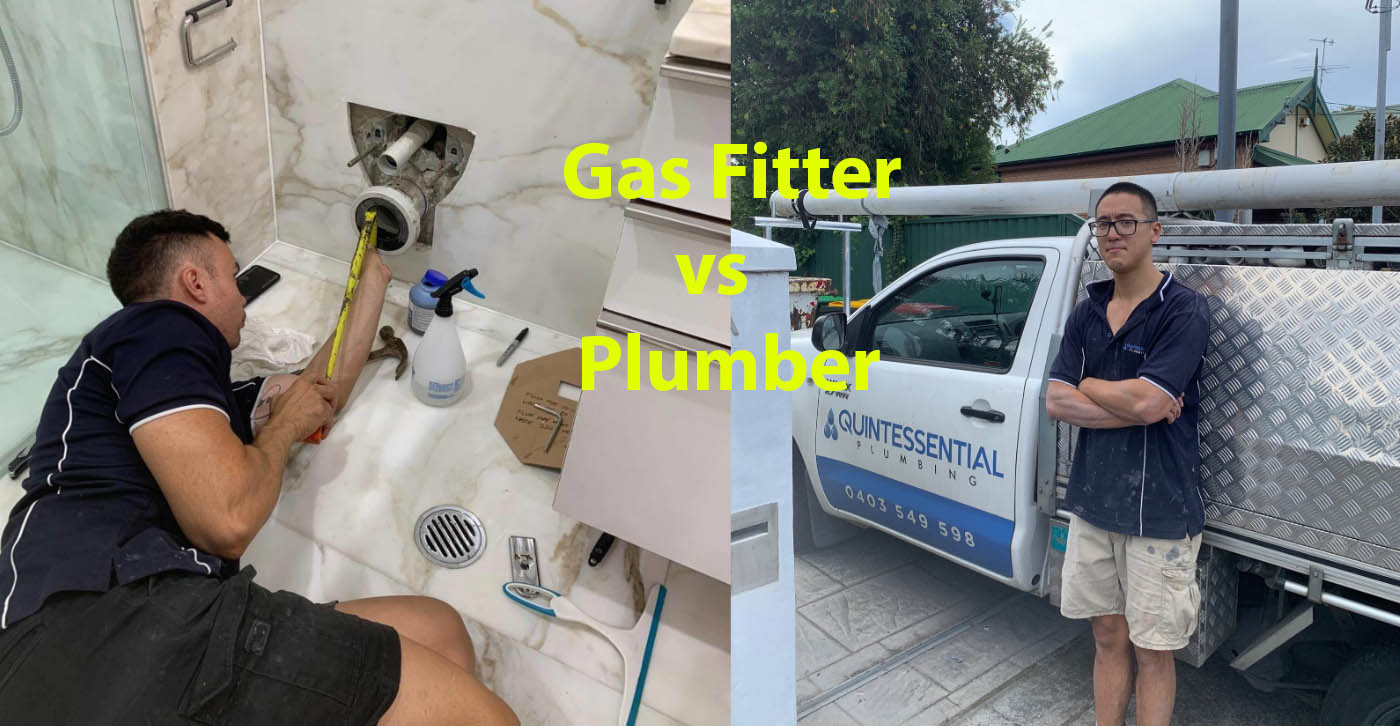
Are gas lines installed by plumbers? Yes! Most people see water pipes and plumbing fixtures like toilets, faucets, etc. when they think about plumbing work. However, there are also specific types of plumbers that can also set up and fix gas lines. These plumbers repair gas water heaters and other gas-powered fixtures inside and outside of the home. For more information about installing domestic gas lines, continue reading.
Appliances that need a Gas Fitter in Sydney for installation and repair include those for cooling, heating, and electricity.
Gas fitting is specifically described as any work involving the following under the Home Building Act of 1989: putting in, changing, and fixing gas installations.
installing, extending, and fixing flue-based installations including gas heaters, hot water heaters, and other equipment. attaching or removing gas appliances, regulators, or containers from the gas network unless the design can be easily removed from the installation.
A network of pipes and related fittings that transport gas from the meter valve control to the control valve or another gas container is referred to as a gas system by NSW Fair Trading. Any liquified petroleum gas dispenser, catalytic burner, or vaporizer is covered by this definition. Internal combustion engines, a typical component of automobiles, boats, and machinery, are not included.
Plumbing and gas fitting are two separate trades. In the former, gas delivery pipes are concerned with connecting gas-powered appliances to gas outlet sockets or other points of connection. Because it involves the building, modification, disconnection, and repair of pipe fittings of any water service connection to the main water supply, plumbing is different from gas line work.
Both must meet various requirements in order to be able to lawfully provide services in NSW. To guarantee that residents of NSW only receive the greatest service from their plumber or Gas Fitter in Sydney, certain regulations were put in place. This guarantee covers durable installations and repairs made in accordance with NSW government specifications as well as standards including the Gas Supply Act of 1996 and the Plumbing Code of Australia.
No, and yes. To provide gas fitting services, one must be properly qualified. Working with gas lines and other gas-powered equipment can be risky, as was already mentioned. By finishing the Certificate III in Gas Fitting course, one can perform gas fitting services in Sydney, NSW. Only those who have completed this qualification are permitted to work on gas-fitting projects.
Gas-powered appliances can be installed and repaired by plumbers as well. They can accomplish this by enrolling in the Certificate III in Plumbing program, which includes all of the gas fitting courses. The installation, extension, and repair of gas systems are all covered in these gas fitting modules, which expose the aspiring plumber to the world of dealing with gas fittings. In addition to providing plumbing services, a person with this certification can work on gas lines using natural gas and liquefied petroleum gas (LPG). Due to the severe and complicated nature of gas line installations, maintenance, and repair, a skilled and qualified plumber is required. In addition, the risk of gas leaks and other issues impacting the gas line necessitates the assistance of an expert.
Yes. Plumbing work includes sanitary, sewage, and water plumbing. It especially covers the setting up, extending, disconnecting, removing, renewing, and repairing of apparatus used to convey, safeguard, and control the flow of water. The same is true for wastewater or sewer management systems.
On the other side, gas plumbers are committed to repairing the pipelines and machinery that transport or regulate gas. Everything that is downstream from a gas supply point falls under their purview. Additionally, Gas Fitter in Sydneys set up, looked for, and fixed gas-powered appliances. These gadgets are ones that have been produced, modified, or created for a connection to a gas installation. Examples of these appliances include vaporizers, liquefied petroleum gas dispensers, and catalytic burners.
The best person to work on a gas line installation is an expert with experience with gas-fueled appliances and other equipment. Both of these people have successfully finished the Certificate III in Gas Fitting program, as have all plumbers who have completed the Certificate III in Plumbing program’s gas fitting modules.
They must also have complied with other criteria established by NSW Fair Trading. It denotes that they have completed at least 24 months of practical training through an apprenticeship under the guidance of a qualified plumber.
Many of our clients have called to ask whether we can install an external gas line for their grill or outdoor entertainment area. The solution is once more yes. Our specialty plumbers at Quintessential Plumbing in Sydney have the knowledge and training necessary to securely install an outdoor gas line that connects to your grill, fire pit, or outdoor kitchen. In order to have flowing water for outside cooking and entertaining, we can also build a water line that goes to your outdoor sink. For additional information on running a water line for an outdoor kitchen sink, see our earlier piece, Outdoor Kitchen Plumbing 101.
Have you considered installing a gas line yourself? Think again. Get a licensed professional for anything involving gas lines whether you’re working inside or outside the home. The major thing is gas. Leaks are often fatal. To ensure that your gas line is built safely and correctly, with the proper fittings, piping, and exterior insulation, specialty plumbing knowledge is required.
Are you thinking about installing a gas line for your fire pit or grill outside? We are experts in installing outdoor gas lines, outdoor kitchens, and other things at Quintessential Plumbing in Sydney.
Our plumbers at Quintessential Plumbing don’t just fix leaky toilets and broken hot water heaters. We are a licensed Gas Fitter in Sydney as well. We completed the gas fitting courses in the Certificate III in Plumbing program and completed an apprenticeship to get practical experience. Locals in Sydney are guaranteed top-notch gas fitting services by meeting these specifications. Our round-the-clock plumbers are experts at installing gas pipes, meters, and other gas fittings as well as converting to gas, repairing gas-fueled equipment, and converting to gas.
Additionally, we are dedicated to providing top-notch customer service to everyone, at any time, anywhere in the Sydney suburbs. Our fully licensed plumbers are available 24/7, including weekends and holidays, and they also provide a same-day service guarantee. Our mission is to provide every Sydney resident with professional gas fitting and other plumbing services in Sydney. These pledges and offerings are a part of that effort. Contact Quintessential Plumbing Sydney Services right away to take advantage of one of Sydney’s highest-rated and most reliable gas fitting services!
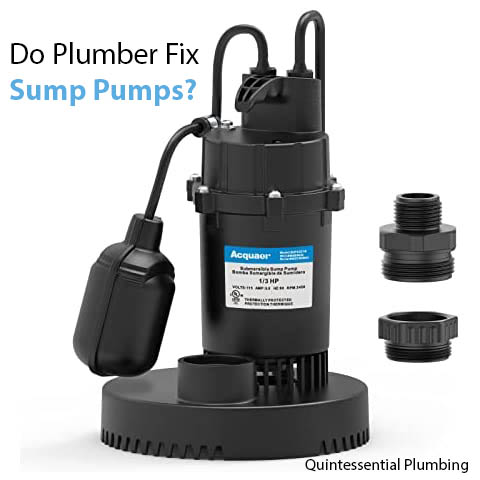
Yes, A certified plumber can fix a sump pump. A sump pump is a drainage system that has been meticulously constructed to remove water from your basement that has accumulated as a result of rainstorms and other types of breaches. It prevents water from entering your Sydney home by rerouting it away from your basement using a drainage tank and a water pump. This keeps your house from becoming flooded.
This procedure is very successful up until the point where the sump pump stops working. It is critical to the safety of your property that you verify that your sump pump is in good functioning order and that it is prepared for the next storm.
There are typically three entry points via which water can make its way into a basement and cause flooding. The first possibility is that your house sits above a high water table, which would make it possible for water to enter the structure through the joints and fractures in the basement. The second risk is that water will seep into your Sydney home during storms through any cracks in the doors, walls, or other openings. The final possibility is that a pipe will burst, which will result in floods. A sump pump that is in good operating order should be able to assist you with these concerns; however, a sump pump that is not functioning properly could make the problems even more severe.
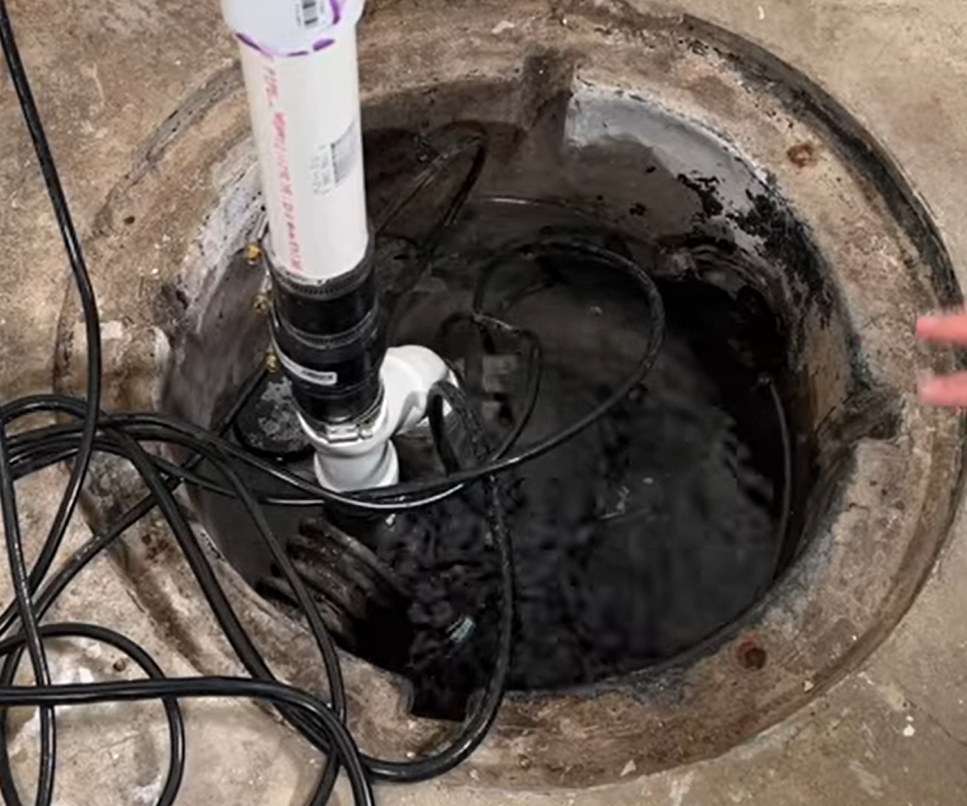
With our comprehensive range of sump pump repair services, Quintessential Plumbing is fully capable of resolving any problems you may be experiencing with your sump pump. If you think your sump pump isn’t working properly, if you’ve found water in your basement, or if you just want to make sure your sump pump is ready for the rain and not on the verge of failing, give us a call to schedule an inspection, and we’ll put your worries to rest. If you’ve found water in your basement, if you’ve found water in your basement, or if you just want to make sure your sump pump is ready for the rain and not
What kind of maintenance issue has arisen is the primary factor that determines which sump pump repair services will be used to fix your sump pump. If there is a problem with your sump pump of any kind, whether it be a power issue, a clogged drain, a drainage problem, a poorly designed sump pump, a bad installation, or any other kind of problem, our certified Quintessential Plumbing will evaluate the issue and provide a solution for you. Call us today!
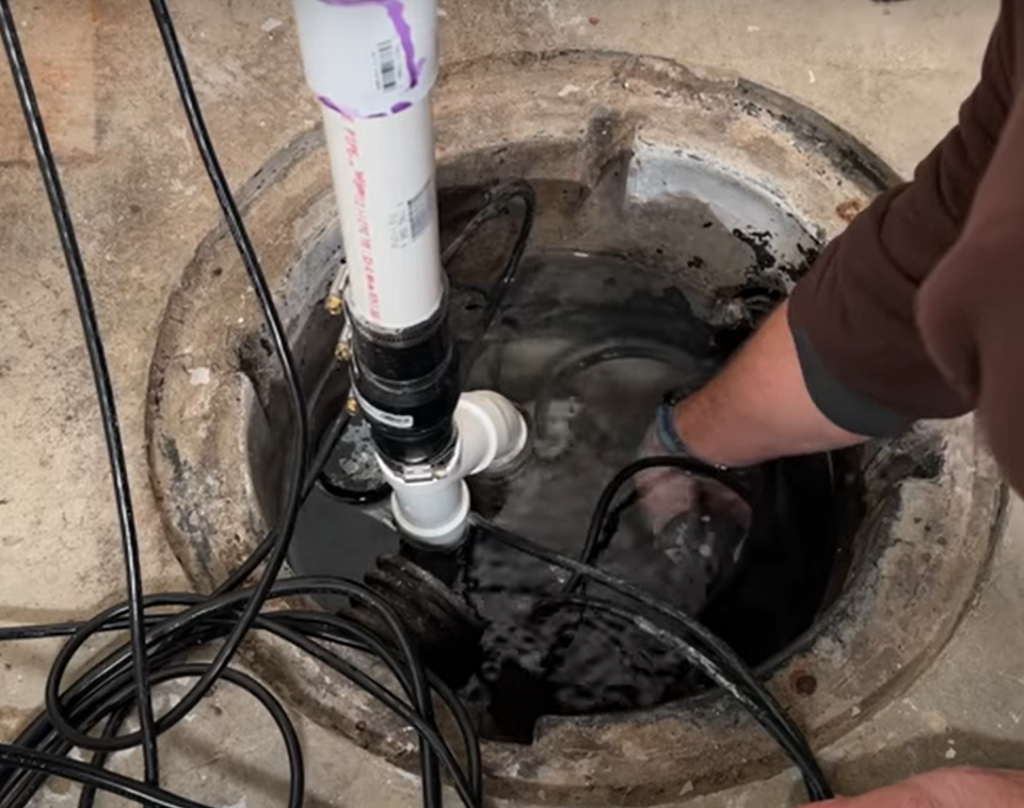
Sump pumps, like any other type of mechanical device, are susceptible to occasional malfunctions, particularly older models that have been in use for an extended period of time. There are also some substandard types of sump pumps available on the market today. These pumps are constructed from low-quality components and won’t survive the test of time. Failure of a sump pump can also be caused by improper installation and poor maintenance of the device.
In general, the following are the three primary factors that contribute to the failure of a sump pump:
1. A System That Is Overwhelmed
There are instances when the load that a sump pump is expected to handle greatly exceeds its capability. For instance, some sump pumps are not able to resist the volume of water that is present, particularly during periods of high rainfall, if the manufacturing quality of the pump is poor. Another possibility is that the capacity of the sump pump tank is inadequate in comparison to the water load.
In this scenario, it is essential that you either replace your existing sump pump with a newer model that is of higher quality and has a larger water capacity or install multiple sump pumps in different areas of your basement so that they can coordinate their efforts to handle the water load and keep your basement from flooding.
2. Clogging
If a sump pump does not have a lid, it is far more likely to become clogged with dirt, leaves, and other debris over time, which will cause it to operate less efficiently or even cease working altogether. It is possible for the sump pump’s internal components, including its mechanical parts, switches, and pipes, to become clogged.
If this happens to you, or if you want to avoid having this kind of problem in the first place, you should have a qualified individual come to inspect, fix, and clean your sump pump. To stop this from happening again, they need to make sure that the container has a lid that seals out air completely. Since the potentially hazardous water source is effectively concealed by the lid, your sump pump will continue to be safe for use around children and animals.
3. The Sump Pit Contains No Water
If there is no water in your sump pump, this is a clear sign that your sump pump was installed incorrectly or that it hasn’t been linked to a drainage system. If there is water in your sump pump, this is a clear sign that your sump pump was placed correctly.
Your home’s basement should have a drainage system that is built to make use of gravity and flow downhill, collecting water at the sump pump so that it may be removed. If this isn’t happening, you’ll need to get the problem fixed by licensed Plumbers in Sydney who will evaluate your drainage system and figure out why it’s not working properly. There is also the possibility that the sump pump has to be replaced or reinstalled in the correct manner.
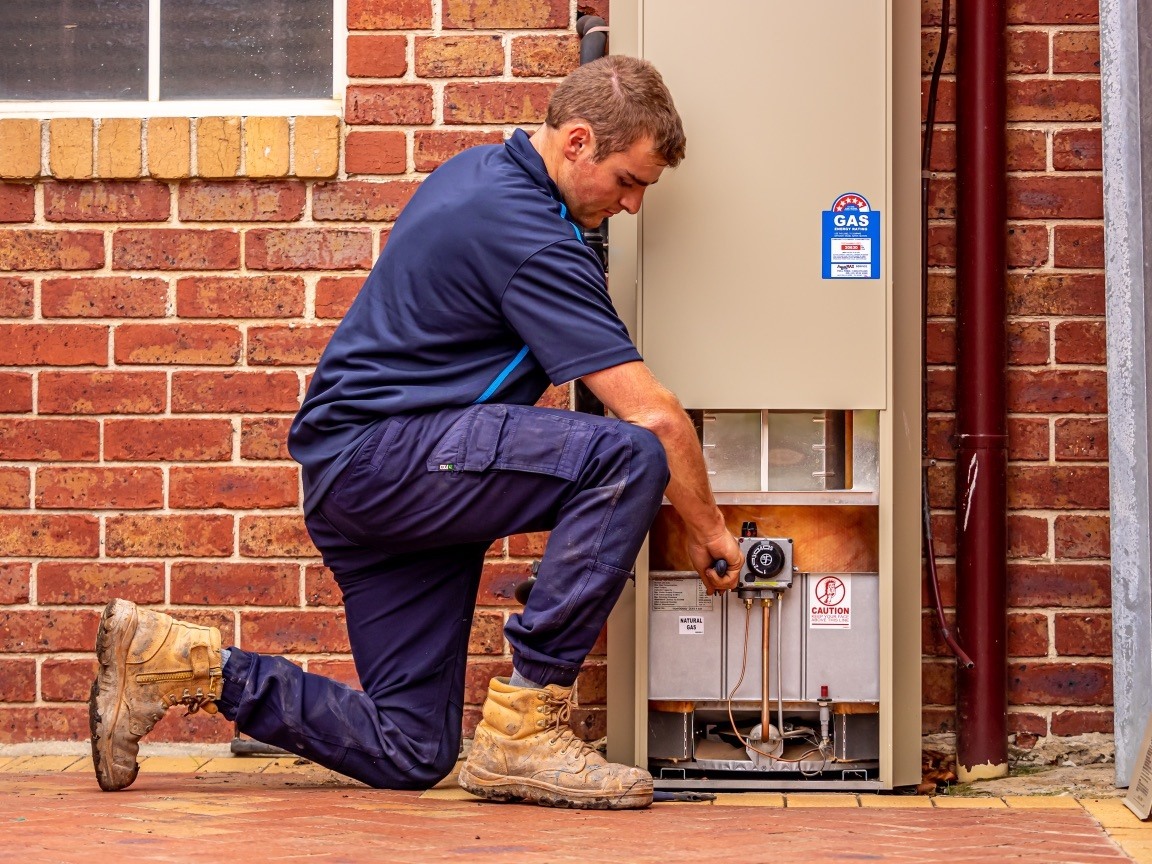
Repairing a Water Heater can occasionally be challenging. Additionally, there is frequently no way to recover older machines. So you might be wondering Who To Call To Repair Water Heater then? They should be entirely replaced instead. This is probably not something you want to try on your own. Call a plumbing company instead.
Here are some particular instances where hiring a plumber to work on your Water Heater is the best course of action.
It is important to contact a plumbing expert in Sydney if you encounter any of these issues. These aren’t electrical issues, and it’s unlikely that you can solve them on your own either. A plumber’s experience will assist restore the Water Heater to top performance.
Water Heater repairs may often be done by licensed plumbers. When you find issues with your Water Heater, the person you should contact right away is a qualified plumber. These experts have training in a variety of Water heater-related topics, including wiring, piping, heating elements, anode rods, and gas lines. If the issue is with the wiring of your Water Heater, a plumber can resolve it. A Water Heater leak, a lack of hot water, poor water pressure, rusty water, or weird noises originating from the heater can all be fixed by them.
If your Water Heater is leaking near the fitting, the problem might be as straightforward as a few loose nuts that need to be tightened around the heating element. To repair a Water Heater relatively quickly, plumbers should also be able to replace any rusted valves or recognize a malfunctioning pilot light. However, if the tank itself has corrosion, a plumber may try flushing the tank or the tank may need to be completely replaced.
You can contact a certified electrician if it appears that the problem with the Water Heater is electrical.
Depending on the severity of the Water Heater issue, homeowners with electric Water heaters might want to think about calling an electrician first. If an electric Water Heater trips a circuit in the house, the wiring in the house is probably to blame rather than the heater itself. An overheating or blown Water Heater fuse box is another sign that you need to contact a certified electrician. An electrician can also fix loose wiring, which can potentially make the reset button on your Water Heater trip.
A tankless Water Heater can last up to 20 years before it needs to be replaced, compared to the 8 to 12 years that a conventional heater can survive. It’s helpful to know how old your Water Heater is before looking for “hot water tank repair near me in Sydney.” You can look at the heater’s brand and serial number to find out how old it is. You may understand this information by comparing your serial number with the brand’s numbering scheme and most brands’ serial numbers, which typically contain the manufacture date.
There are a few clear indicators that show when a Water Heater is beyond repair and it’s time to replace it, regardless of the type you have. The absence of warm or hot water is the first indication that a new heater may be necessary. If your heater is older than ten years, even the greatest plumbing company could be unable to resolve this issue.
A fair rule of thumb is that you could be better off acquiring a new Water Heater if you’re calling a professional for repairs every few weeks or months. You’ll probably save a lot of money on your expenses if you upgrade because newer models are also more energy efficient. In any event, to avoid going too long without hot water, it is advisable to replace it before it breaks down.
Different levels of education and experience are required by plumbers. You might be able to DIY a plumbing fixture for something like a running toilet or a leaky faucet and obtain decent results. However, it’s imperative that you have a qualified plumber handle any repairs on your Water Heater. Why? Because dealing with water, electricity, or gas requires knowledge that can only be acquired via training and experience as a plumber. Self-performed repairs have the potential to put you, your house, and your family in danger due to faulty installation.
Imagine not having hot water for even a single day. You wouldn’t have any for washing dishes, doing laundry, taking showers and baths, washing your hands, or cleaning your home. Even the thought of surviving without hot water is difficult. It is essential to have, not simply good to have. You need hot water to maintain your health and keep your house clean.
Do not attempt to repair your hot Water Heater yourself if it is malfunctioning. Do plumbers fix hot Water Heaters, in case you were wondering? The team at Anthony Wimpey Plumbing has the expertise you need when it comes to your hot water, therefore the answer is yes. Request a free quote from us right away.
The Gap Lookout National Park Sydney NSW offers spectacular cliff views and a fascinating history. The area was used by the Australian Army as a gunnery school in 1895, and then by the Royal Australian Navy as a radar training station. In 1942, the site was renamed HMAS Watson, and in 1956, anti-submarine warfare training was transferred there. Today, the Gap is a part of Sydney Harbour National Park, and it is worth a visit for its cliff views and scenic cliff walks. More can be found here.
The Gap is made of sandstone and is part of the Sydney basin. The sandstone was laid down about 200 million years ago, but was shaped by a cataclysmic event that occurred 40 million years later. The huge crack in the strata allowed wave action to carve a steep cliff line around Sydney. The Gap is surrounded by tessellated basalt rock platforms and the Lachlan Fold Belt, a belt of low-grade metamorphic and granitic rocks. Learn more about WILD LIFE Sydney Zoo Sydney, NSW.
The Gap Lookout is the most popular lookout in Sydney. The breathtaking view of Sydney Harbour and the Blue Mountains is one of the highlights of this national park. This viewpoint offers an unparalleled view of Sydney Harbour. There are plenty of good swimming beaches at the southern end of the park. And the lookout itself is one of the most beautiful in the world. A stunning sandstone cliff topped with a dramatic landscape is the perfect place to take a picnic and watch the sunset.
The Gap Lookout is located on the Gap Bluff nature trail, which is an easy and accessible hike. The hike leads to Federation Cliff Walk and Federation Cliff. The view is breathtaking, and the area is home to a variety of bird species. In addition to sandstone, the Gap is also made of the Sydney Basin, a sedimentary formation that formed over 200 million years. The Gap is surrounded by the Lachlan Fold Belt, which is made up of granitic and low-grade metamorphic rocks.
The Gap is the best way to see Sydney Harbour and the Blue Mountains. During the summer, you can also catch whales. A view of the harbour from The Bay is spectacular, and you can easily watch the migration of the whales from this vantage point. A visit to The Gap is a must-do in Sydney. In fact, it is one of the most stunning locations in the world.
The Gap is a popular spot for hiking. The cliffs are an attractive setting, and the lookout is a great place to watch whales. If you haven’t been here, there’s no better place to see the city than Theatrical features of this landmark. You can find everything from the Sydney Opera House to the Harbour from this lookout. And if you’re feeling a little overwhelmed, you can even visit Theatrical Museum, where you can observe the magnificent sunset and sunrise.
The Gap is famous for its high cliffs and cliff face, which make it an ideal location for outdoor recreation. It is a great place to watch the sunrise or sunset, and has a great view of the Sydney skyline. Attractions in Theatrical Complex: The landmark in the Sydney suburb is made up of the Sydney sandstone. It has a spectacular view of the city and is a popular spot for photographing wildlife.
The Gap is made up of Sydney sandstone and is a natural part of the Sydney basin. It was formed by a large cataclysmic event 40 million years ago that caused a crack in the strata that allowed waves to sculpt the cliff line around Sydney. The gap is surrounded by a high-quality Lachlan Fold Belt, which is a sequence of granitic and metamorphic rocks.
The Gap is known for being a popular spot for suicides. It is home to many bird species, including the endangered black cockatoo. The Gap is a spectacular place for viewing the city. You can enjoy the vistas of the harbour from the top of the lookout. While you’re there, don’t forget to bring some water. The Gap Lookout is one of the most scenic areas in Sydney.