


In the global race towards renewable energy, Solar Hot Water Systems (SHWS) have emerged as a popular choice for many homeowners in Australia, particularly in sunny Sydney. While the environmental benefits of SHWS are well-known, understanding the economic implications of this switch is equally important. As a seasoned solar hot water plumber, I will provide you with a comprehensive analysis of the potential economic impact of switching to a SHWS.
Undeniably, the initial investment of a Solar Hot Water System (SHWS) is higher than a traditional gas or electric water heater. According to a 2022 report by Solar Choice, the average cost of a SHWS ranges from $3000 to $7000, depending on the type and capacity of the system. However, this initial cost should be considered an investment, the returns of which will be evident in the long term. Moreover, the financial burden can be offset by available Solar Hot Water Rebates, incentivizing homeowners to make eco-conscious choices while enjoying substantial savings over time.
The real economic advantage of a SHWS starts to manifest itself when you look at the operational costs. A study from the University of Melbourne estimated that a solar hot water system could save an average Sydney household up to $500 a year on electricity bills.
The Australian government offers incentives and rebates for households that install SHWS, under the Small-scale Renewable Energy Scheme. For an average-sized system, homeowners can expect around $700 to $1000 in Small-scale Technology Certificates, which can be traded for cash or used as a discount on the system price.
Several studies have shown that homes with solar installations command a premium when sold. A 2019 report from Zillow, a real estate database company, found that homes with solar energy systems sold for 4.1% more on average than comparable homes without solar power.
With energy prices continuing to climb, a SHWS can provide a hedge against future energy price volatility. Once your system is installed, the sunlight it uses is free, ensuring your hot water costs remain constant.
Switching to a SHWS also has indirect economic benefits. The increasing demand for SHWS fosters job creation in the renewable energy sector. Furthermore, by reducing reliance on fossil fuels, it can potentially reduce the economic costs associated with pollution and health issues.
Learn more about Why Every Sydney Home Should Have a Solar Hot Water System
While the operational costs of a solar hot water system are lower, they do require maintenance and occasional repairs. The typical maintenance costs, including replacing the sacrificial anode rod and servicing moving parts like pumps and valves, can range from $100 to $200 annually, according to Energy Matters Australia. Regular maintenance can help avoid more significant repair costs and ensure your system operates at its peak efficiency.
A well-maintained solar hot water system can last up to 20 years, outlasting traditional water heaters that usually last 10-15 years. Therefore, even though the replacement cost might be higher, it is spread over a longer period, which means less frequent disruption and expense.
While solar hot water systems do add value to your home, they also depreciate over time. Additionally, having a solar system could potentially increase home insurance premiums slightly. It’s advisable to speak with an insurance provider to understand the potential impact on your insurance costs.
There are several financing options available for solar hot water systems that can ease the initial cost burden. These include green loans, power purchase agreements, and leases. Each has its pros and cons, so it’s essential to do your research and choose the best fit for your financial situation.
While it’s hard to put a price on energy independence, it’s an important economic consideration. Having a solar hot water system reduces your dependence on grid electricity and protects you from potential energy shortages and blackouts.
Switching to a Solar Hot Water System represents not only a shift towards environmental responsibility but also a sound financial decision. While the upfront cost may be higher, the long-term economic benefits are significant, including lower operating costs, government incentives, increased property value, and resilience against rising energy prices. As a solar hot water plumber in Sydney, I’ve observed these benefits directly, making me a firm believer that a SHWS is an investment that pays for itself over time.
Sydney, known for its iconic harbor and sunny climate, is an ideal location to harness abundant solar energy. However, solar power’s potential in Sydney’s residences isn’t limited to producing electricity. In fact, there’s an increasingly popular application of solar energy that can significantly reduce energy costs and enhance sustainability: solar hot water systems. Let’s explore why every Sydney home should consider installing a solar hot water system.
With the rising concern among homeowners about escalating electricity costs, especially in light of the staggering 117% increase in electricity costs in Sydney over the past decade (as of 2023), innovative solutions have become imperative. One such solution gaining traction is residential solar plumbing.
According to the Australian Bureau of Statistics, the substantial surge in electricity costs has left homeowners grappling with heightened worries about energy consumption. A significant contributor to this energy expenditure is water heating, which astonishingly constitutes approximately 25% of total household energy usage. In response to this mounting predicament, residential solar plumbers have emerged as crucial actors in promoting energy efficiency.
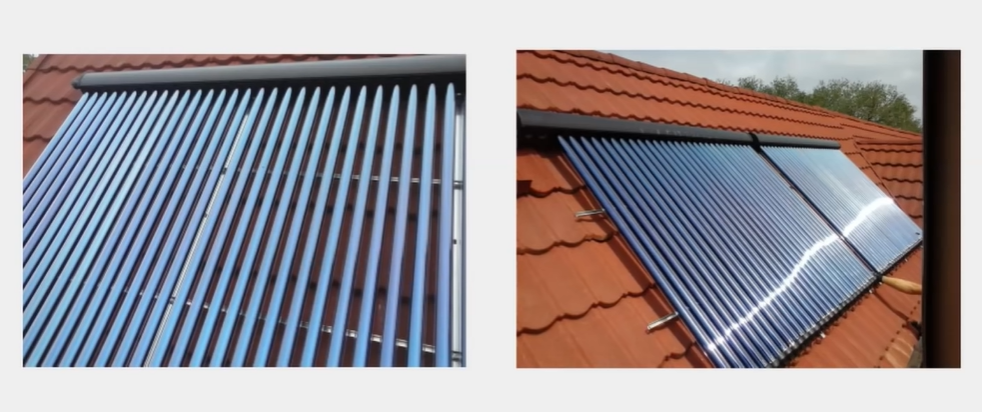
Residential solar plumbers specialize in integrating solar thermal systems into homes’ plumbing infrastructure, specifically targeting water heating processes. These systems harness the abundant solar energy available in Australia to provide an eco-friendly and cost-effective alternative to traditional energy sources. By utilizing solar collectors, often installed on rooftops, residential solar plumbing systems efficiently capture and convert sunlight into heat energy, which is then used to warm water for various domestic purposes.
By seamlessly blending advanced plumbing expertise with sustainable energy solutions, residential solar plumbers play a pivotal role in mitigating the impact of escalating electricity costs. Homeowners who invest in solar plumbing not only make a positive environmental contribution by reducing their carbon footprint but also stand to benefit from substantial long-term savings on their energy bills.
In conclusion, as electricity costs continue their upward trajectory, the inclusion of residential solar plumbers in the energy-conscious narrative offers a promising avenue for homeowners to address both their concerns about rising costs and their commitment to more sustainable living practices. Through the integration of solar thermal systems into plumbing infrastructure, these professionals empower households to harness the power of the sun and take charge of their energy consumption, ultimately fostering a greener and more economical future.

A solar hot water system converts sunlight into thermal energy to heat water. It usually comprises two main components: solar collectors (panels) that absorb solar radiation and a storage tank where hot water is kept. The panels, typically installed on the rooftop, absorb heat from the sun and transfer it to the water stored in the tank through a process called thermosiphon, or with the help of a heat exchanger in indirect systems.
Solar hot water systems can be incredibly efficient, even more so in sunny Sydney. These systems can cover up to 90% of a household’s hot water needs, leading to a significant reduction in energy bills. For an average Sydney household, this can amount to savings of up to $600-$700 annually (as of 2023).
In 2020, the average Australian household emitted approximately 6 tonnes of CO2 due to energy consumption. If we consider that heating water can account for a quarter of this, switching to solar hot water can significantly reduce a household’s carbon footprint. In essence, for every Sydney home that switches to solar hot water, we could see a reduction of up to 1.5 tonnes of CO2 emissions annually.
Discover more about A Homeowner’s Checklist for Solar Hot Water Installation
The Australian government supports the adoption of solar energy systems through its Small-scale Renewable Energy Scheme (SRES). Under this scheme, homeowners can receive Small-scale Technology Certificates (STCs) for installing eligible systems, which can be sold to recoup a part of the installation costs. The number of STCs issued depends on the system’s potential to reduce greenhouse gas emissions and the geographical location of the installation. For a solar hot water system in Sydney, a homeowner could receive approximately 30-40 STCs (as of 2023), further making the switch to solar hot water financially appealing.
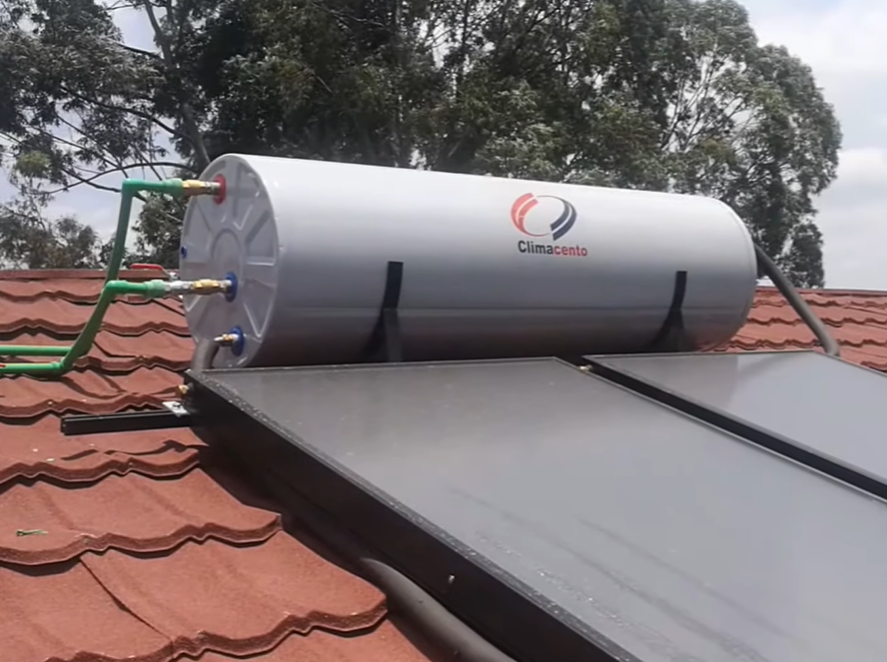
With over 2,400 hours of sunshine annually, Sydney’s climate is perfect for solar hot water systems. Furthermore, advancements in technology have led to the development of systems with electric or gas boosters, ensuring hot water supply even on cloudy days.
Solar hot water systems are designed to last. High-quality solar collectors can work efficiently for up to 20 years or more, which is often longer than conventional electric or gas water heaters. Their robust design and low maintenance requirements make them a long-term investment.
With the rising awareness of sustainable living and the demand for energy-efficient homes, having a solar hot water system can potentially increase your property’s value. A study by the National Bureau of Economic Research in the U.S found that solar installations could increase a home’s value by up to 4%.
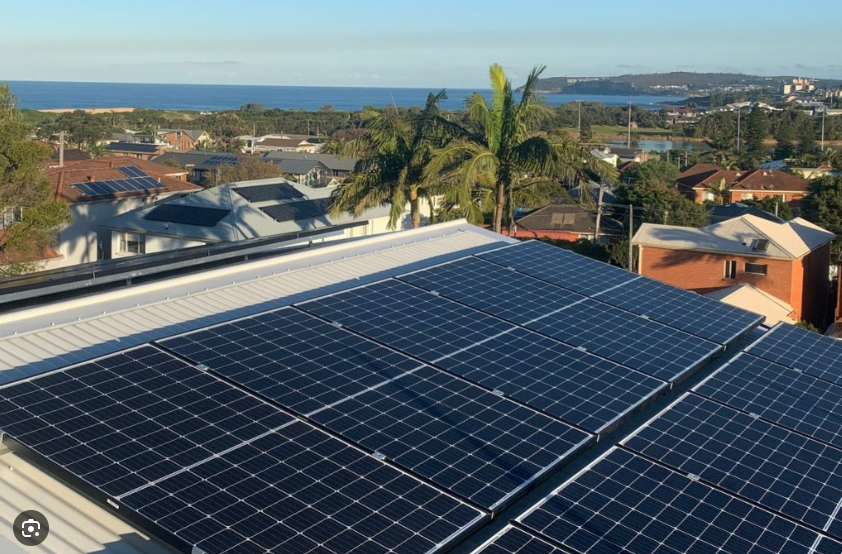
By switching to a solar hot water system, you reduce your reliance on fossil fuels for energy. As traditional energy sources like coal and natural gas become more expensive and their environmental impacts more evident, solar energy stands out as a reliable and sustainable alternative.
Modern solar hot water systems have become more efficient due to technological advancements. Systems now often include smart features for energy management, high-quality insulation for better heat retention, and improved solar collectors for maximum heat absorption.
By installing a solar hot water system, you’re not just cutting costs and reducing your carbon footprint; you’re also joining a community of forward-thinkers who are leading the charge towards sustainable living. Installing solar hot water systems contributes to Sydney’s renewable energy goals and sets a positive example for the wider community.
With these additional points in mind, it’s clear that the benefits of installing a solar hot water system in Sydney are vast and varied. From cost savings and durability to increasing property value and contributing to the community, solar hot water systems are an investment worth considering for every Sydney homeowner.
With rising energy costs, the need for sustainable solutions has never been more crucial. A solar hot water system not only offers financial savings but also contributes to reducing greenhouse gas emissions. Given Sydney’s favorable climate and the government incentives available, there’s hardly a reason for homeowners not to make the switch. Sydney’s future is bright, and its homes should reflect that, one solar hot water system at a time.
Installing a solar hot water system in your Sydney home is a wise decision that can lead to significant energy savings and a reduced carbon footprint. However, the process involves many important considerations. This article provides a comprehensive checklist for homeowners preparing for solar hot water installation.
First, you need to have a clear understanding of your household’s hot water requirements. Factors like the number of household members, peak usage times, and lifestyle habits can influence your hot water needs. An average person in Australia uses about 50 liters of hot water daily, but this number can vary widely based on personal habits and specific needs.
If you have a large family with multiple bathrooms and a dishwasher, your hot water needs will be significantly higher than a couple living in a small apartment. Also, consider your family’s habits. Do you all get ready in the morning, leading to a higher demand for hot water? Understanding these factors will help you choose the right system.
For more information on how to choose the right hot water system and potentially save with rebates, you can check out the available Solar Hot Water Rebates.

There are two main types of solar hot water systems: flat panel solar collectors and evacuated tube collectors. Flat panel collectors are more common and cheaper, but evacuated tube collectors can be more efficient, particularly in colder climates.
Flat panel solar collectors use a dark flat-plate absorber to heat a fluid in the collector, transferring the heat to the water. They work best in warmer climates. On the other hand, evacuated tube collectors contain tubes with a vacuum that acts as an insulator, preventing heat loss. This makes them more efficient in colder climates.
Sizing your solar hot water system correctly is crucial to meet your hot water needs without waste. A typical rule of thumb is to allow for 100-150 liters of storage capacity per person in the household. However, this can vary depending on factors such as your climate, the orientation of your panels, and the efficiency of the specific system.
Undersizing your system can lead to running out of hot water while oversizing can lead to wastage and higher costs. Therefore, sizing your system correctly is crucial. Consult with an experienced installer who can take all influencing factors into account and provide a tailored solution.

The system’s location will significantly impact its efficiency. Ideally, the solar collectors should face north and have no shading from trees or buildings. They should also be installed at an optimal angle, which in Sydney’s latitude is typically between 30-40 degrees.
In the southern hemisphere, solar collectors should ideally face true north to capture the maximum sunlight. Also, any shading on your panels can significantly reduce their efficiency. If you have tall trees or buildings casting a shadow on your roof, you might need to consider alternative locations or even trimming trees.
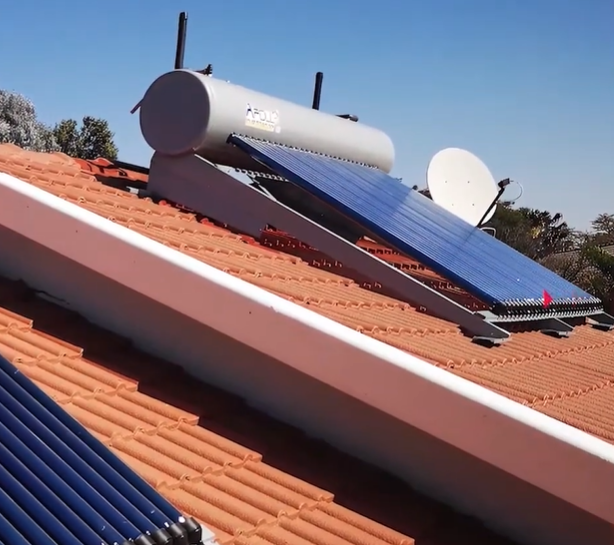
Solar hot water systems can provide most of your hot water needs, but during periods of less sunshine, you may need a booster system. Electric and gas boosters are the most common, with gas being the more efficient of the two.
Having a booster system can ensure you have hot water during periods of low sunshine. While gas boosters are typically more efficient, your choice may also depend on the availability of natural gas in your area.
Understand the full cost of the system, including purchase and installation costs, and any potential maintenance costs. Also, factor in the potential savings. According to the Clean Energy Council, a solar hot water system can provide between 50% and 90% of your hot water needs, reducing your energy bills significantly.
The cost of a solar hot water system can vary widely depending on the type and size of the system, and the complexity of the installation. However, these systems can typically pay for themselves through energy savings within a few years. Consult with your installer for a detailed cost breakdown and savings estimate.
The Australian government provides incentives for installing solar hot water systems through the Small-scale Renewable Energy Scheme (SRES). You can earn Small-scale Technology Certificates (STCs), which can be sold to recoup some of the system’s costs.
The number of STCs you can earn depends on the expected amount of electricity in megawatt-hours the system displaces over a 10-year period. In Sydney, a typical solar hot water system can earn around 30-40 STCs. Each STC was worth around $35 at the end of 2023, but prices can fluctuate based on market conditions.
Ensure that your installer is CEC-accredited and licensed by NSW Fair Trading. Also, consider their experience with solar hot water systems, their reputation, and the after-sales services they offer.
A professional, experienced installer can not only ensure that your system is installed correctly, but they can also provide valuable advice on choosing the right system, sizing it correctly, and optimizing the installation for maximum efficiency.
In conclusion, installing a solar hot water system can be a smart move for homeowners in sunny Sydney, but it requires careful planning and consideration. With this comprehensive checklist and the help of a Hot Water System Plumber in Sydney, you can ensure you’re well-prepared for the installation process.
As energy costs continue to rise, many homeowners in Sydney are re-evaluating their home heating solutions. The decision often boils down to solar and electric water heaters, with cost-effectiveness being a significant deciding factor. This article will compare the two based on upfront costs, ongoing operating costs, environmental impact, and lifespan, providing a comprehensive insight into their cost-effectiveness.
Electric water heaters are generally less expensive to purchase and install than solar systems. An average electric storage water heater can cost between $300 to $1500, while installation costs typically range between $300 to $700.
On the other hand, solar hot water systems have higher upfront costs, ranging from $2000 to $7000, depending on the type of system (flat panel or evacuated tube), size, and brand. The installation of solar systems can also be more complicated, adding to the initial cost.
Opting for an energy-efficient water heater like electric ones may seem cost-effective upfront, yet hidden expenses like electrical upgrades in older homes can inflate your initial investment.

While electric heaters are cheaper initially, their running costs can be much higher. These systems rely solely on grid electricity, which in Sydney, as of 2023, is around 28 cents per kWh. Moreover, peak electric rates can significantly increase operating costs. According to the Australian Energy Regulator, water heating accounts for about 25% of household energy use. With electric water heaters, this can translate to hundreds of dollars each year.
Solar hot water systems, however, harness the abundant sunlight that Sydney enjoys throughout the year. The Clean Energy Council reports that a solar water heater can provide between 50% to 90% of your hot water needs, depending on your location and the system size. The remaining hot water requirement would typically be met by a booster system, which may be electric or gas.
While solar systems have higher upfront costs, they can be viewed as an investment rather than an expense. The potential energy savings can offset the initial cost over time. According to Energy Rating, an initiative by the Australian Government, a solar water heater could save up to $500 per year on electricity bills in Sydney, depending on the size and type of system, and the household’s hot water usage.
Learn more about Is Solar Hot Water Worth the Investment? A Detailed Breakdown
Most electric water heaters have a lifespan of around 10 to 15 years, while solar hot water systems can last up to 20 years or more with proper maintenance. The longer lifespan of solar systems can contribute significantly to their cost-effectiveness. However, it’s essential to consider potential maintenance and repair costs over this extended period. Regular maintenance can help to maximize the system’s lifespan and efficiency.
While not directly related to monetary cost-effectiveness, the environmental impact of your heating system is an essential factor to consider. Solar hot water systems generate significantly lower greenhouse gas emissions compared to electric water heaters. This can result in indirect cost savings through government incentives aimed at reducing emissions, such as Small-scale Technology Certificates (STCs) under the Small-scale Renewable Energy Scheme (SRES).
The Australian Government’s STCs can significantly reduce the upfront cost of solar hot water systems. Each STC represents a tonne of carbon dioxide emissions avoided over the system’s deemed life (10 years). The number of STCs you can earn depends on the system’s size, the amount of solar energy in your location, and other factors.
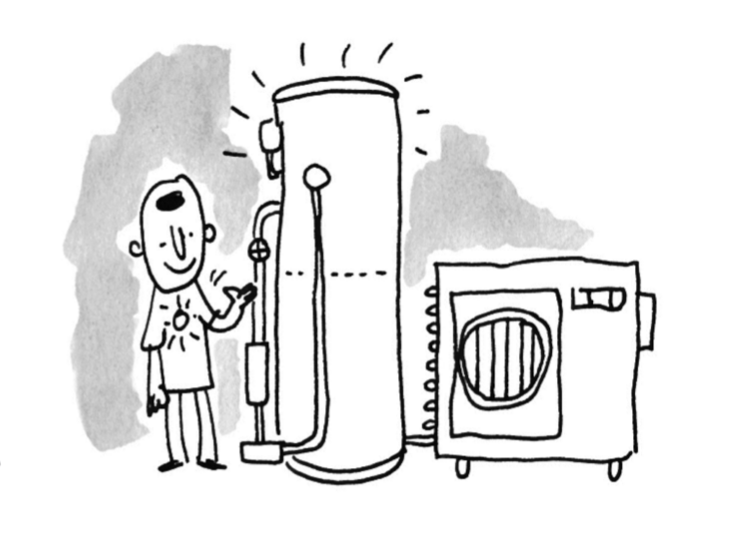
Solar hot water systems can significantly reduce household greenhouse gas emissions. According to the Australian Government, a four-person household using an electric water heater can produce around 3 tons of CO2 per year. Switching to solar can reduce this by up to 2.7 tons – the equivalent of taking a small car off the road for a year!
When considering cost-effectiveness, both solar and electric water heaters have their strengths. Electric heaters win on upfront costs, but their high operating costs can make them more expensive in the long run.
Solar hot water systems require a larger initial investment but offer significant savings on operating costs and have a longer lifespan. When factoring in the potential environmental benefits and government incentives, solar hot water systems can prove to be a more cost-effective option in the long run.
Thus, while both options have their merits, if you’re looking for long-term cost-effectiveness, sustainability, and resilience against rising energy costs, a solar hot water system is worth considering.

Investing in a solar hot water system is a significant decision for any Sydney homeowner. With their higher upfront costs, it’s crucial to weigh if such an investment is worth it in the long run. This comprehensive article will provide a detailed breakdown of the costs, savings, environmental impacts, and potential incentives, to help you make an informed decision.
When considering solar hot water systems in Sydney, it’s important to note that they come with a higher initial investment compared to traditional electric or gas systems. The upfront cost varies depending on factors such as the system type (flat plate or evacuated tube), size, and brand you opt for. Generally, you should anticipate a spending range of $2000 to $7000 for the solar hot water system itself. It’s worth mentioning that installation expenses need to be factored in as well, given that solar systems tend to have a more intricate installation process.
However, it’s important to consider that this cost is an investment. By harnessing free solar energy, a solar hot water system can significantly reduce your electricity bills and pay for itself over time.

While solar hot water systems have higher upfront costs, their operating costs can be much lower than conventional systems.
According to the Australian Government’s Energy Rating initiative, a solar hot water system could save you up to $500 per year on your electricity bill, depending on the system type, size, and your hot water usage. Given Sydney’s abundant sunlight, a well-sized system could provide 50-90% of your hot water needs, as per the Clean Energy Council. This implies significant savings in your annual operating costs.
If you calculate these savings over the lifespan of the system, typically 20 years or more, you could potentially save between $10,000 and $20,000. This is a significant offset against the initial investment.
Discover more about Incentives and Rebates for Solar Hot Water Systems in Sydney
Most solar hot water systems can last up to 20 years or more with proper maintenance, making them a long-term investment. In contrast, conventional electric or gas water heaters typically have a lifespan of 10-15 years.
Maintenance costs should also be factored into your investment decision. While solar hot water systems generally require minimal maintenance, periodic check-ups, and possible part replacements should be considered. Annual maintenance costs can range from $100 to $200. Over a 20-year period, this could add up to $2000 to $4000.

Beyond monetary considerations, investing in a solar hot water system significantly reduces your carbon footprint. A four-person household using an electric water heater produces around 3 tonnes of CO2 per year, while a similar household with a solar system could reduce this by up to 2.7 tonnes, according to the Australian Government.
This substantial reduction in greenhouse gas emissions could qualify you for government incentives like the Small-scale Technology Certificates (STCs) under the Small-scale Renewable Energy Scheme (SRES). These STCs could offset a significant portion of the system’s upfront cost.
The number of STCs you can earn depends on your system’s size, the amount of solar energy in your location, and other factors. In Sydney, a medium-sized solar hot water system might earn between 25 to 35 STCs, potentially reducing the system cost by a few thousand dollars.
Investing in a solar hot water system goes beyond just the upfront cost. It’s a long-term commitment that can offer significant savings, contribute to environmental sustainability, and even offer the peace of mind that comes with energy independence.
When evaluating the worth of such an investment, it’s important to factor in your household’s hot water usage, the local climate, available incentives, and your budget.
So, is a solar hot water system worth the investment? While upfront costs can be high, the potential savings over the system’s lifespan, coupled with environmental benefits and available incentives, suggest a strong yes.
However, each household is unique, and what works best for one might not work for another. Consulting with a professional solar hot water plumber can provide you with specific insights and help you decide whether solar hot water is worth the investment for you.