Sydney, like many cities around the globe, is facing an energy crisis. Rising electricity prices, grid instability, and the pressing need to reduce greenhouse gas emissions are driving the search for viable, sustainable energy solutions. Among them, solar hot water systems stand out as a practical, efficient, and eco-friendly option. This article explores the role of solar hot water systems as a potential solution to Sydney’s energy crisis.
Sydney’s rapidly growing population, combined with its increasing urbanization, puts a significant strain on the city’s energy infrastructure. According to the Australian Energy Regulator, the average Sydney household’s annual electricity bill rose by 5% in the last year, a trend that shows no signs of slowing.
Moreover, Sydney’s power grid is primarily fuelled by coal-fired power plants, contributing to Australia’s high per capita carbon emissions. The need to transition towards renewable energy sources is becoming increasingly urgent.
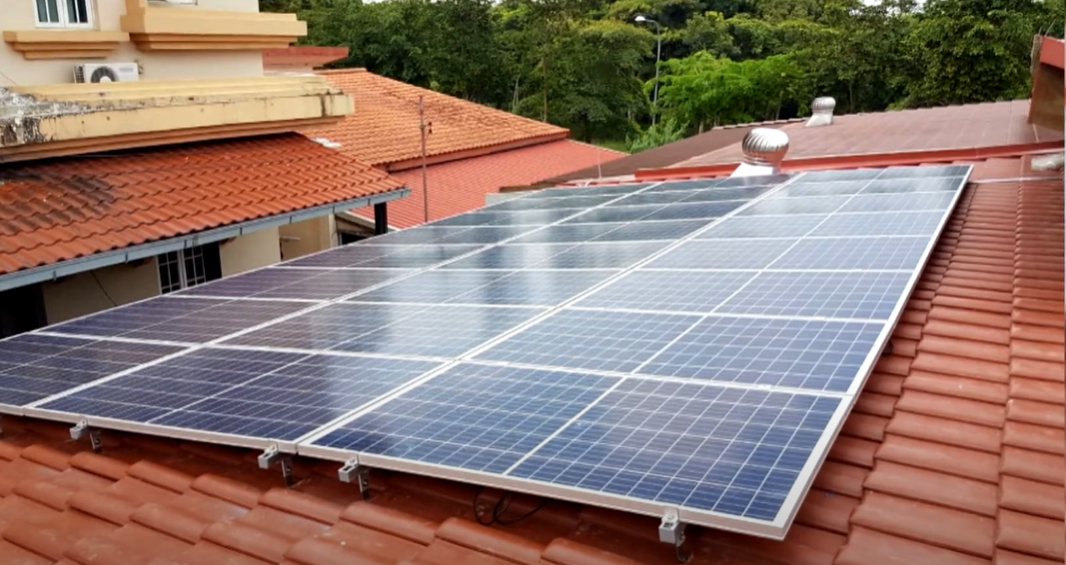
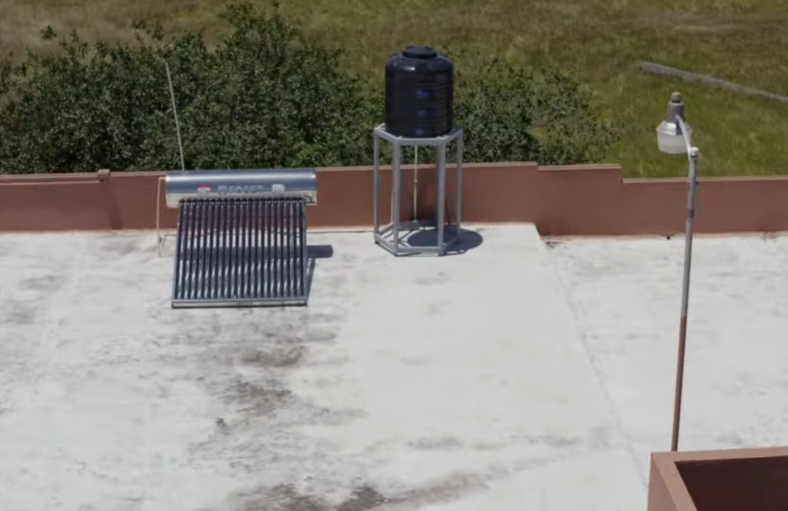
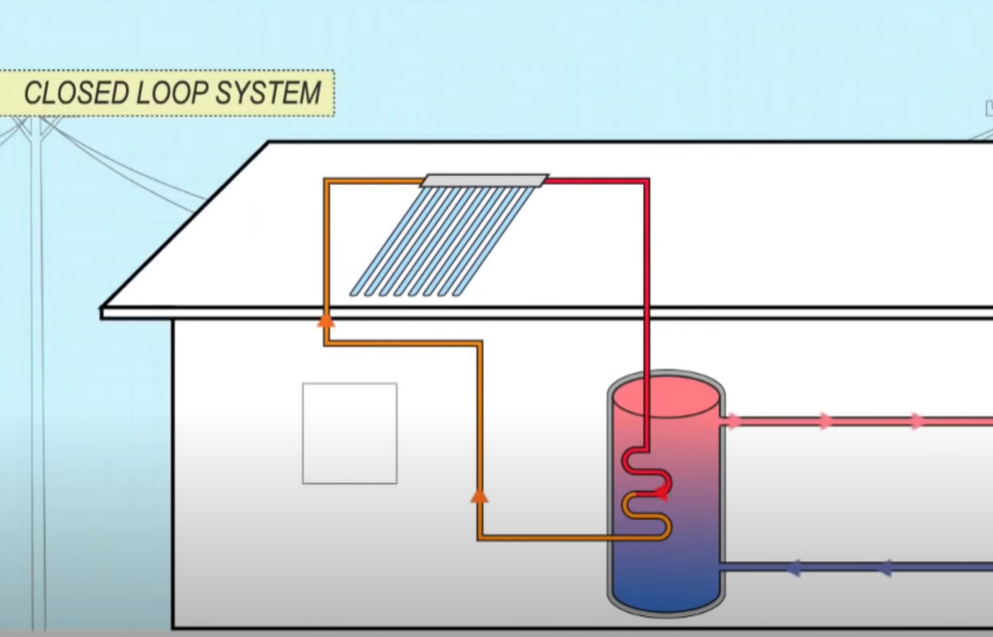
As one of the sunniest cities on earth, Sydney is in a prime position to harness solar energy. Solar hot water systems capture the sun’s energy to heat water, reducing the reliance on electricity or gas. These systems typically consist of solar collectors (either flat-plate or evacuated tube collectors), a storage tank, and often a gas or electric booster for days with less sunshine or times of high hot water demand.
Residential Solar Water Heating systems can provide between 50% and 90% of a household’s hot water needs. By replacing traditional electric hot water systems with solar-powered alternatives, we can significantly reduce our reliance on the grid and lower carbon emissions.
The Clean Energy Council estimates that a well-installed solar hot water system can save a typical Sydney household up to 3 tonnes of carbon dioxide emissions per year. If every home in Sydney installed a solar hot water system, we could save approximately 4.5 million tonnes of carbon dioxide annually, equivalent to taking over a million cars off the road each year.

Aside from environmental benefits, solar hot water systems also offer financial savings. A solar hot water system can reduce a household’s water heating costs by up to 75%. With an average Sydney household spending roughly $700 on water heating annually, this could result in annual savings of $525. Over the typical 15-20-year lifespan of a system, this adds up to savings of between $7,875 and $10,500.
Discover more about Solar Hot Water Systems: A Resilient Solution for Climate Change
The push towards solar energy has also driven job growth in the renewable sector. The Clean Energy Council’s 2022 report indicated a 28% increase in renewable energy jobs, many of which are in the solar industry. By fostering the solar hot water sector, Sydney can drive job growth while addressing its energy crisis.

However, the adoption of solar hot water is not without its challenges. Not all homes have the required north-facing roof space for optimal solar collection. Moreover, upfront costs, although mitigated by government rebates and long-term savings, can be a deterrent. It is therefore vital that Sydney invests in education, affordable financing options, and robust policy support to facilitate the adoption of solar hot water systems.
Despite the challenges, the potential benefits of solar hot water systems in mitigating Sydney’s energy crisis are clear. By reducing the demand on the grid, we can enhance energy stability. By curbing carbon emissions, we contribute to the global fight against climate change. And by driving the solar hot water industry, we create jobs and stimulate economic growth.

Australia’s government supports the adoption of solar hot water systems through the Small-scale Renewable Energy Scheme. This scheme issues Small-scale Technology Certificates (STCs) for installations, which can be sold to recoup some of the system’s cost. Incentives like this are vital to making solar hot water systems more accessible to Sydney residents.
As solar hot water systems become more prevalent, the role of solar plumbers becomes increasingly important. These professionals are not only responsible for installing the systems but also for educating homeowners about their operation and benefits. Regular maintenance by a qualified solar plumber ensures the system’s longevity and optimal performance.
Solar hot water systems are just one part of the solution to Sydney’s energy crisis. Their widespread adoption, in conjunction with other sustainable practices like energy-efficient appliances, solar PV systems, and conservation efforts, can profoundly impact our energy landscape.
By taking these steps towards a greener, more sustainable future, Sydney can set a powerful example for other cities grappling with similar energy challenges. And each of us, as Sydney residents, can play a role in this transformation.
In conclusion, as Sydney grapples with its energy challenges, solar hot water systems offer a promising solution. It is not just about replacing an old water heater with a new one; it is about embracing a sustainable future for our city, one household at a time. By harnessing the sun’s energy to heat our water, we take a significant step towards resolving Sydney’s energy crisis, proving that the solution to our energy needs might just be shining down on us.

Climate change is arguably the most pressing issue of our times, with its impact felt across the globe. To mitigate the climate crisis, one key solution lies right above us – the sun. Specifically, solar hot water systems are gaining traction as a sustainable, resilient tool to counter the effects of climate change. In this article, we’ll examine how solar hot water systems function, their impact on reducing greenhouse gas emissions, and their overall contribution to climate resilience.
Solar-Powered Water Heating systems utilize the sun’s energy to heat water for household use. They typically comprise solar collectors, which are either flat-plate or evacuated tube types, a storage tank, and often, a gas or electric booster for periods of less sunshine or high demand.
The solar collectors absorb sunlight, converting it into heat. This heat is transferred to water, which is then stored in the tank for use. Essentially, these systems transform free solar radiation into practical thermal energy, significantly reducing the need for fossil fuel-generated heat.
According to the Clean Energy Council of Australia, water heating represents about 25% of the energy usage in an average Australian household. Traditionally, this energy comes from burning fossil fuels, which significantly contribute to greenhouse gas emissions. In contrast, solar hot water systems can meet up to 90% of a household’s hot water needs, reducing reliance on fossil fuels and hence greenhouse gas emissions.
In numerical terms, it is estimated that replacing an electric water heater with a solar hot water system can prevent up to 3 tonnes of carbon dioxide emissions per year. In a city like Sydney, with around 1.7 million households, the potential reduction in greenhouse gases could be monumental if every home adopted solar hot water technology.

Climate resilience refers to the ability to anticipate, prepare for, and respond to the effects of climate change. Solar hot water systems contribute to climate resilience in multiple ways.
Firstly, by reducing greenhouse gas emissions, they slow the pace of climate change, mitigating its future impact. Secondly, by decreasing dependence on grid electricity, they make households more resilient to power outages, which are expected to become more frequent due to extreme weather events caused by climate change.
Furthermore, with rising energy costs and the potential for fossil fuel scarcity, harnessing free solar energy provides a stable, reliable, and cost-effective hot water supply.

Implementing solar hot water systems not only addresses environmental issues but also provides economic benefits. Households can potentially save hundreds of dollars per year on energy bills. The Australian Solar Council predicts that with current electricity prices, solar hot water systems pay for themselves within five to ten years.
Moreover, the solar energy industry is a significant job creator. From manufacturing to installation and maintenance, this sector provides a range of employment opportunities, contributing to economic growth while building a more sustainable future.

While the benefits are significant, certain barriers to the widespread adoption of solar hot water systems exist. High upfront costs can deter potential users, even though long-term savings often outweigh initial expenses. Lack of awareness and understanding about these systems can also slow their uptake.
Government incentives, such as the Small-scale Renewable Energy Scheme in Australia, can help offset installation costs. Furthermore, education and outreach are vital to dispel misconceptions and highlight the financial, environmental, and resilience benefits of solar hot water systems.
Discover more about Guide to Seasonal Maintenance of Solar Hot Water Systems
As technology advances, solar hot water systems will likely become more efficient, affordable, and widespread. New technologies like heat pump water heaters, which extract heat from the air or ground to heat water, are already emerging as potential companions or alternatives to solar hot water systems.
Moreover, with innovative approaches to energy storage and more efficient solar collectors, the reliability and performance of these systems will improve, making them an even more compelling choice for homeowners.
Finally, it’s essential to consider solar hot water systems within the broader context of sustainable communities. By adopting these systems, households contribute to the collective reduction in greenhouse gas emissions, fostering healthier, more resilient neighborhoods.
In essence, installing a solar hot water system is not just a personal choice; it’s a communal action towards a sustainable, resilient future for all.
In conclusion, addressing climate change requires collective effort and smart, resilient solutions. As an experienced solar hot water plumber in Sydney, I can testify to the growing interest and faith in solar hot water systems. It’s heartening to see people adopt this solution, contributing to the fight against climate change, one hot shower at a time.

Solar hot water systems are a popular renewable energy solution, particularly in a sunny locale like Sydney. However, to optimize performance and efficiency, regular seasonal maintenance is essential. This comprehensive guide will walk you through the necessary steps, providing technical details, statistics, and numbers to ensure that your solar hot water system is always in peak condition.
Solar hot water systems function by using sunlight to heat water. They comprise two primary components: solar collectors and a Solar Hot Water Tank. The solar collectors capture sunlight and convert it into heat, which is then transferred to the water stored in the tank.
In Australia, these systems are incredibly popular; according to the Clean Energy Council, over 1.7 million households have solar hot water systems as of 2022. This popularity is mainly due to the country’s abundant sunlight and the system’s cost and energy efficiency benefits.

Learn more about Key Factors to Consider Before Solar Hot Water Installation
Aside from the seasonal maintenance, a solar hot water system should be serviced by a professional every three to five years. This servicing includes a complete inspection, cleaning, and potential replacement of worn-out parts. Regular servicing ensures that the system operates at its maximum efficiency, saving energy and money in the long run.
Maintaining your solar hot water system throughout the year is crucial for its performance and longevity. With Sydney’s abundant sunlight, you can maximize your savings and contribute to the environment by making sure that your system is working at peak efficiency.

Remember, while some maintenance tasks are straightforward, others require professional skills and knowledge. Engaging a qualified solar hot water plumber for regular check-ups and servicing can ensure your system remains in optimal condition for many years to come.
With this comprehensive guide, you can ensure your system’s longevity and efficiency, reaping the benefits of a sustainable and cost-effective hot water supply all year round.
As a seasoned solar hot water plumber based in Sydney, I have come across numerous households eager to transition to solar hot water systems. This shift is indeed a commendable step towards energy efficiency, cost savings, and reducing our carbon footprint. However, before you embark on this journey, it’s crucial to consider several key factors to ensure the right system choice, seamless installation, and long-term benefits. This article aims to provide valuable insights into these factors.
The first step towards a successful solar hot water system installation is understanding your hot water requirements. This depends on several factors, including the number of occupants in your home, your daily usage patterns, and specific needs such as dishwashers, washing machines, or high-pressure showers. A typical Australian household uses about 50 liters of hot water per person each day. Calculating your household’s demand will help you select a system size that can adequately meet your needs without unnecessary excess.
Solar hot water systems depend on sunlight for optimal operation. Consequently, the location and orientation of your home can significantly influence your system’s efficiency. Ideally, solar collectors should face true north and have unobstructed exposure to the sun for most of the day. While systems can still function with less-than-ideal placement, you may need more panels or a larger collector area. As per the Australian Government’s Your Home guide, for every 12° away from the true North, you could lose up to 20% efficiency.
Solar hot water systems can be divided into two main types – flat-plate collectors and evacuated tube collectors. Flat-plate collectors, which consist of a dark flat-plate absorber, are generally cheaper but less efficient in colder weather. On the other hand, evacuated tube collectors, which involve rows of glass tubes, offer higher efficiency but at a greater cost. Your choice will depend on your budget, location, and the specific energy demands of your household.
On less sunny days or high-demand periods, a booster system can provide supplementary heat. There are two main types of boosters: gas and electric. While gas boosters are generally more efficient, they might not be feasible if you don’t have access to natural gas. Consider your location, availability of resources, and preference when choosing a booster system.
While solar hot water systems can save you money in the long run, it’s important to consider the upfront installation cost. Depending on the system size and type, the cost can range from $2,000 to $7,000, according to the Australian Government’s Energy Saver guide. However, the Small-scale Renewable Energy Scheme offers rebates that can significantly reduce these costs.
Furthermore, maintenance costs, though generally low, are another consideration. Regular check-ups and occasional parts replacement ensure your system works at its peak for longer.
Discover more about How Solar Hot Water Systems are Changing Sydney’s Energy Landscape
Choosing a reputable, experienced installer is crucial. Solar hot water system installation is a significant investment, and improper installation can lead to lower efficiency, frequent breakdowns, and potentially void your warranty. Always look for licensed, certified professionals with positive customer reviews and experience in installing solar hot water systems.
The integration of a solar hot water system with your current plumbing system is another vital consideration. Depending on your existing plumbing setup, additional modifications may be needed. For example, homes with older plumbing systems might require pipe upgrades, while others may need new location points for the tank or collectors.
Solar hot water systems are designed for longevity, typically lasting between 15 to 20 years. However, the lifespan can vary based on system quality, maintenance, and local climate conditions. Before purchasing, it’s advisable to check the warranty period offered by the manufacturer. A longer warranty period often indicates the manufacturer’s confidence in the product’s durability.
While solar hot water systems significantly reduce greenhouse gas emissions compared to traditional electric or gas systems, it’s worth noting that they do have some environmental impact. The manufacturing process of solar collectors involves energy and materials, and old systems must be disposed of responsibly at the end of their life. However, these impacts are relatively minor compared to the substantial environmental benefits these systems offer.
Installing a solar hot water system contributes to greater energy independence. This independence can shield you from fluctuating energy prices, potential blackouts, and dependence on finite fossil fuels. It’s a step towards a more resilient, reliable energy future for your household.
Finally, as technology advances, solar hot water systems will likely become more efficient, affordable, and user-friendly. Emerging trends like smart controllers, which optimize system performance based on weather forecasts and usage patterns, will further enhance the value and appeal of these systems.
In conclusion, transitioning to a solar hot water system is a significant step toward energy efficiency and sustainability. By carefully considering your specific needs, location, and budget, and choosing a reputable installer, you can ensure a successful installation and reap the benefits of solar hot water for many years to come.

As a seasoned solar hot water plumber based in Sydney, I am witnessing an energy revolution right before my eyes. An increasing number of households are embracing solar hot water systems and with good reason. These systems are not just altering individual homes but reshaping Sydney’s entire energy landscape. This article dives into how these systems work, their benefits, their impact on our city, and why they might just be the future of energy in Sydney.
Solar hot water systems harness the sun’s energy to heat water for your home, representing a cornerstone of Sustainable Plumbing Solutions. There are two main types: flat-plate collectors and evacuated tube collectors. The flat-plate system consists of a dark flat-plate absorber that captures sunlight and transfers the heat to water running through pipes in the collector.
Evacuated tube collectors contain rows of glass tubes, each with an inner tube coated in a solar absorber and an insulating vacuum layer. Regardless of the type, the principle remains the same – absorb solar radiation and convert it into heat energy to warm the water, providing homeowners with sustainable and energy-efficient solutions.
Solar hot water systems bring an array of advantages. Firstly, they tap into an abundant and renewable energy source – the sun. Secondly, they can provide substantial cost savings. According to a 2020 report by Choice, an Australian consumer advocacy group, these systems can cut hot water costs by up to 75%, depending on household size, usage, and system type. Additionally, solar hot water systems significantly reduce greenhouse gas emissions. The Australian Government’s Your Home guide estimates that water heating accounts for 25% of household energy use, contributing a substantial portion of the home’s carbon footprint. By switching to solar, Sydney residents can substantially lower their environmental impact.
The adoption of solar hot water systems is redefining Sydney’s energy landscape in several ways. It is contributing to a significant reduction in the city’s reliance on traditional energy sources like coal and gas. As more households transition, our collective carbon footprint shrinks, contributing to climate change mitigation efforts.
Furthermore, solar hot water systems are pushing Sydney towards energy independence. The city has abundant sunlight, averaging around 246 days of sun per year. By harnessing this plentiful resource, we can insulate ourselves from fluctuating fossil fuel prices and potential energy supply disruptions.

Discover more about Why Solar Hot Water Systems are a Smart Choice for Sydney Residents
There are also economic benefits. The growing demand for solar hot water systems is stimulating the local economy by creating jobs in the solar industry, from manufacturing to installation and maintenance. According to the Clean Energy Council, Australia’s renewable energy sector employed over 26,000 people in 2019, a number that’s likely to have increased given recent trends.
Additionally, the potential savings from lower energy bills can stimulate consumer spending in other sectors of Sydney’s economy. The role of solar hot water systems in Sydney’s energy landscape is set to expand. As more households experience the cost savings, environmental benefits, and energy independence these systems offer, their popularity will only grow. Meanwhile, advances in technology, like smart controllers optimizing system performance based on weather forecasts and usage patterns, will enhance their efficiency and user-friendliness.

The adoption of solar hot water systems in Sydney is strongly supported by government policies and initiatives. The Small-scale Renewable Energy Scheme, for instance, provides certificates to households that install eligible systems, which can be sold to recoup a portion of the installation cost. Moreover, the NSW Government’s Empowering Homes program offers interest-free loans for solar-battery systems, making these systems more accessible to a wider demographic.
Community engagement is another crucial aspect of this energy revolution. From educational initiatives to community-based solar programs, Sydneysiders are becoming more involved in this renewable energy transition. This not only fosters a sense of shared responsibility but also accelerates the adoption of solar hot water systems across the city.
As a solar hot water plumber, I see the impact of our work in this transition. We are not just installing systems; we are building Sydney’s energy future. We provide advice on system selection, ensure proper installation for optimal performance, and perform regular maintenance to prolong the system’s lifespan.

Despite their benefits, the adoption of solar hot water systems is not without challenges. Installation costs, although offset by long-term savings and potential government incentives, can be a barrier. Moreover, effective installation requires careful consideration of factors like solar resource availability, system type, and integration with existing plumbing infrastructure.
However, it’s important to remember the broader picture. The shift to solar hot water systems is part of a global move towards renewable energy. It’s a part of our commitment to the Paris Agreement and our effort to combat climate change. Each system installed brings us a step closer to a more sustainable, resilient energy future.
In conclusion, solar hot water systems are undeniably revolutionizing Sydney’s energy landscape. They’re a testament to our city’s commitment to sustainable living, resilience, and innovation. As we continue to adopt these systems, we’re not only reshaping our energy profile but also contributing to a greener, more sustainable future for our city, one hot shower at a time.

As a seasoned plumber with over 20 years of experience specializing in hot water systems in Sydney, I have seen a transformation unfold before my very eyes. Solar hot water systems have graduated from being an exotic novelty to an essential part of many homes. Sydney residents are waking up to the many benefits of harnessing the sun’s energy, and in this post, I will articulate why solar hot water systems are indeed a smart choice.
Sydney, a city blessed with an abundance of sunshine, receives an average of 2,364 hours of sunlight annually. This bountiful sun exposure makes it an ideal place for harnessing solar energy.
Solar hot water systems work by converting sunlight into thermal energy. The heart of the system is the solar collector, typically installed on the roof, which absorbs sunlight and uses it to heat water. This heated water is then stored in an insulated tank for use when needed. To ensure the system’s efficiency and longevity, Solar Water Heating Maintenance is essential.
Choosing a solar hot water system is a step towards sustainability. According to the Australian PV Institute, each kilowatt-hour (kWh) of solar energy used prevents roughly 1 kilogram of CO2 emissions compared to conventional electricity. With an average 4-person Sydney household consuming around 2,800 kWh per year for water heating, switching to solar could offset over 2.8 tonnes of CO2 annually – the equivalent of planting nearly 70 mature trees.
Though solar hot water systems require an upfront investment, they can significantly reduce your long-term energy bills. According to a 2023 report by the Australian Energy Regulator, Sydney residents pay an average of 28.34 cents per kWh for electricity. For a typical household, that’s over $790 per year spent on heating water alone.
However, with a well-sized solar hot water system, you can cover 60-90% of your hot water heating needs using the sun’s energy. That’s a potential saving of between $475 and $710 per year. With these savings, a solar hot water system could pay for itself in just a few years. Moreover, the Australian government offers generous rebates and incentives for installing solar hot water systems, further reducing the initial cost.
Investing in a solar hot water system not only saves you money but also increases the value of your property. As Australia continues its transition to a low-carbon economy, homes with solar installations are becoming increasingly desirable. A 2019 study published in the Appraisal Journal found that homes equipped with solar energy systems sold for an average of 3.74% more than comparable homes without.

Many homeowners have concerns about the reliability of solar hot water systems, particularly on cloudy days or during winter months. However, most systems installed today are hybrid systems, meaning they have a backup heat source – usually a gas or electric booster – that kicks in when solar energy is insufficient.
Discover more about The Role of a Solar Hot Water Plumber in Energy Efficiency: A Comprehensive Guide
There are two main types of solar hot water systems: flat plate collectors and evacuated tube collectors. Both have their pros and cons, and the best choice depends on your specific needs and circumstances.
Flat plate collectors are more affordable and usually more than adequate for Sydney’s mild climate. Evacuated tube collectors, while more expensive, are more efficient and perform better in overcast conditions. If you live in a shaded area or use a lot of hot water, the extra investment may be worth it.
In conclusion, investing in a solar hot water system in Sydney is a smart choice. It is a sustainable, economical, and future-proof solution for your home. The generous sunshine, coupled with technological advancements, ensures that your hot water needs are met efficiently and reliably.
Remember, the success of your solar hot water system depends on professional installation and regular maintenance. As an experienced solar hot water plumber, I can guide you in choosing the right system for your home and ensure it serves you effectively for many years to come.
Solar hot water systems represent a significant step toward energy efficiency and sustainability. This innovation has the potential to lower energy bills and reduce carbon footprints. As a solar hot water plumber with years of experience in Sydney, I have been part of this transition toward renewable energy. In this article, we will explore the pivotal role a solar hot water plumber plays in improving energy efficiency.
Solar hot water systems utilize solar energy to heat water, a simple yet effective way to harness solar power. These systems are composed of solar collectors, a storage tank, and a heat exchange system. With this setup, households can have a reliable source of hot water, significantly reducing reliance on fossil fuels. However, like all appliances, they might occasionally need a Hot Water System Repair to maintain their efficiency.

A solar hot water plumber is instrumental in ensuring the efficiency of these systems. Their role starts with advising clients on the best system for their homes, considering factors like location, roof condition, and water consumption. The plumber then oversees the installation, ensuring each component is correctly installed for optimal performance.
The installation process involves site assessment, system selection, installation of solar collectors and storage tanks, and system integration. Each step is critical, and a skilled solar hot water plumber can effectively carry out this process to ensure the system’s efficiency.
Read more about Choosing the Best Solar Hot Water Plumber in Sydney: A Comprehensive Guide
Post-installation, the role of a solar hot water plumber continues with regular maintenance checks and necessary repairs. This upkeep ensures the longevity and consistent performance of the system, contributing to overall energy efficiency.
Consider a Sydney household that reported a 50% reduction in energy bills after installing a solar hot water system. The family credits their experienced solar hot water plumber for the successful installation and regular maintenance that keeps the system running optimally.

Beyond the environmental benefits, solar hot water systems also make economic sense. They are a long-term investment that, with proper installation and maintenance, offers significant savings. “Investing in a solar hot water system is a forward-thinking decision that pays off in multiple ways,” says John Brown, a local energy economist.
The role of a solar hot water plumber in enhancing energy efficiency cannot be understated. By installing and maintaining these systems, they contribute to sustainable living and help households save money. As the shift towards renewable energy continues to gain momentum, the work of a solar hot water plumber becomes even more crucial.

This comprehensive guide should give you a clear understanding of the integral role of a solar hot water plumber in the journey toward energy efficiency. The demand for solar hot water systems in Sydney and beyond continues to grow, underscoring the need for skilled professionals in this field. Remember, by choosing solar, you’re not just investing in a sustainable future, but also promoting a more efficient use of energy resources.

When it comes to the installation of solar hot water systems, finding the right plumber is as crucial as selecting the system itself. A knowledgeable, experienced plumber can ensure optimal system performance, maximize longevity and save you significant time and money. This article serves as a guide to help Sydney homeowners find the best solar hot water plumber in the city.
A solar hot water system harnesses the sun’s energy to heat water. It typically comprises solar collectors (usually panels or evacuated tubes) and a storage tank. The role of a Sydney Renewable Energy Plumber is crucial in correctly installing these components, ensuring the system’s efficiency, and maintaining safety standards. They need to have specialized knowledge in this domain, which is beyond the scope of regular plumbing.
Primarily, your chosen plumber should be licensed and fully insured. In Australia, a license demonstrates that the plumber has undergone the necessary training and meets the required standards to perform their job. Furthermore, an insured plumber offers protection against potential mishaps that could occur during installation or maintenance.
The Clean Energy Council (CEC) of Australia accredits individuals who have demonstrated competency in the design and installation of solar water heating systems. Choosing a CEC-accredited plumber ensures your system will be installed professionally and complies with Australian standards.
Australian plumbers need to have a license according to their jurisdiction’s laws. For Sydney, it’s the NSW Fair Trading license, which ensures they have the right skills and qualifications to work in plumbing. Ask for the plumber’s license number and verify it through NSW Fair Trading’s online portal.
A CEC-accredited plumber indicates they have successfully completed training in designing and installing solar and heat pump hot water systems. They are also bound to adhere to the CEC’s Installer Code of Conduct, ensuring professionalism and ethical behavior.
Discover more about How Solar Hot Water Systems Contribute to a Sustainable Sydney
Look for a plumber with substantial experience in installing solar hot water systems. Expertise comes with practice, and an experienced plumber will be able to handle any challenges that might arise during the installation process.
Take time to research the plumber’s reputation. Check for customer reviews and testimonials online, or ask for references from past clients. A positive reputation is often an indicator of reliable and high-quality work.
A plumber experienced in solar hot water systems will understand the nuances of different types and brands. They can guide you in selecting the most suitable system for your home. Don’t hesitate to ask potential plumbers about their experience with solar hot water systems, the brands they’ve worked with, and any particular challenges they’ve overcome.
Online platforms like Google, Facebook, and local directories can provide valuable customer reviews. However, remember to read these with a discerning eye. One-off negative reviews may not necessarily indicate poor service.
The local climate and building regulations can impact how a solar hot water system should be installed and maintained. For instance, Sydney receives about 2,400 hours of sunshine per year, which can influence the positioning of solar panels for optimal efficiency. A plumber based in Sydney will understand these nuances and adjust their work accordingly.
Sydney’s climate can greatly affect the efficiency of solar hot water systems. A local plumber will understand the city’s microclimates, the impact of coastal salt spray on different systems, and the local council’s regulations on installing such systems.

Good plumbers don’t disappear once the installation is completed. They provide after-sales services, including routine maintenance and repair, to ensure your system continues to function optimally.
Regular maintenance can keep your solar hot water system at peak performance and extend its lifespan. This can include cleaning solar collectors, checking the system’s pressure and temperature relief valves, and inspecting for any leaks or damage.
While it’s essential to consider the cost of installation, don’t let it be the sole deciding factor. Sometimes, paying a bit more for a plumber with better qualifications, experience, and services can save you a lot of headaches and additional costs in the long run.
While initial installation costs are important, also consider the potential long-term savings. An experienced, well-qualified plumber might charge more upfront but can save you from frequent repairs and inefficient system performance.
Choosing the right plumber for your solar hot water system installation is no small task. By considering the plumber’s qualifications, experience, reputation, knowledge of local conditions, after-sales service, and price, you can ensure you’re making an informed choice. Remember, the goal isn’t just to find a plumber; it’s to find a partner who can help you make the most of solar energy in your home.

Solar hot water systems are at the forefront of Sydney’s move towards sustainable living. Leveraging the city’s abundant sunshine, these systems offer multiple benefits, from reducing carbon emissions to saving on energy bills. This article takes an in-depth look at how solar hot water systems contribute to a more sustainable Sydney, featuring expert insights, real-world case studies, and compelling statistics.
Solar hot water systems, also known as Solar Thermal Systems, capture the sun’s energy using solar collectors, typically installed on rooftops, and use it to heat water stored in an insulated tank,” explains Jake Green, a solar energy engineer with over 15 years of experience. “They are a smart choice for homeowners, offering a blend of cost savings, environmental benefits, and energy independence.
According to a report by the Australian Energy Council, water heating accounts for about 23% of a typical Australian home’s energy use. By shifting to solar hot water systems, households can significantly reduce their carbon emissions. “Every solar hot water system installed can save up to 3 tonnes of CO2 emissions per year,” says Dr. Eva Lim, a leading researcher in renewable energy. This simple change can make a big difference in our battle against climate change.
A recent study by Energy Rating Australia found that a solar hot water system can cut a household’s annual hot water bills by up to 75%. “After the initial setup cost, the ongoing savings make solar hot water systems a financially sound investment,” says financial advisor Jane Smith. “Plus, they tend to have a longer lifespan than traditional water heaters, meaning less frequent replacement costs.”
Sydney resident Mark Johnson shares his experience of installing a solar hot water system in his home. “Since making the switch, we’ve had a reliable hot water supply, regardless of power outages or rising energy prices. It’s a great feeling to know that we’re harnessing the sun’s energy and becoming more self-sufficient.”

Discover more about the Benefits of Solar Hot Water Systems in Sydney Homes
The Australian Bureau of Statistics reports a steady rise in jobs related to solar power installation and maintenance. “This industry isn’t just about going green,” says economist Lucy Hughes. “It’s also a driver of economic growth, creating jobs and supporting local businesses.”
With an average of 236 sunny days per year, Sydney is ideally suited to solar hot water systems. Even in winter, these systems can provide ample hot water. “The technology has advanced to the point where even diffused solar radiation on cloudy days can be effectively harnessed,” says solar technician Ben Choi.

Government rebates and feed-in tariffs make solar hot water systems more affordable for Sydney residents. Public opinion is also shifting, with a recent survey showing that 78% of Sydney residents view renewable energy as the most important solution to climate change.
Transitioning to solar involves choosing the right system for your household’s needs, installing the solar collectors and storage tank, and integrating it with your home’s plumbing.

Solar hot water systems are a key piece of the puzzle as Sydney moves towards a sustainable future. As more households embrace this technology, the collective impact on carbon emissions, energy independence, and economic growth will be significant. In the words of sustainability advocate Paul Adams, “Every solar hot water system installed represents a step towards a cleaner, greener Sydney.”

The urgency of the climate crisis has prompted a closer look at our daily habits, especially how we use and consume energy. As homeowners, one of the easiest and most impactful ways we can contribute to a greener planet is by using solar energy. And what better way to start than by installing a solar hot water system? In sun-drenched Sydney, this sustainable solution is quickly gaining popularity. Let’s explore the numerous benefits of solar hot water systems and why they are a smart choice for Sydney homes.

Before we delve into the benefits, let’s first understand what a solar hot water system is. These systems use solar collectors, usually installed on your rooftop, to absorb energy from the sun. This energy is then transferred to heat water stored in an insulated tank, ready for use throughout your home. It’s a simple concept with profound implications for our environment and our energy bills.
Our sun is a potent source of renewable energy. Solar hot water systems effectively capture and use this energy, reducing our reliance on traditional, non-renewable energy sources like fossil fuels. Even on less sunny days, advanced systems can store excess energy, ensuring a consistent hot water supply around the clock. Harnessing this abundant, free energy source is a powerful step towards energy independence.
Running a household can be costly, and utility bills make up a significant portion of these costs. In regions like Sydney, a solution to this is a Solar Heating Installation. Installing a solar water heater system, also known as a solar hot water system, can dramatically reduce these expenses. After the initial investment in the Solar Water Heater, the sun’s energy – absolutely free – powers your hot water. Opting for Solar Heating Installation in Sydney can translate into substantial savings over the system’s lifetime, reducing your household running costs and giving you more financial freedom.
Choosing a solar hot water system is choosing to lower your carbon footprint. By relying on a renewable energy source, we reduce greenhouse gas emissions associated with conventional water heating methods. In light of increasing environmental concerns, shifting to a solar hot water system contributes to a sustainable future and helps Australia move closer to its goal of carbon neutrality.
An often-overlooked benefit of installing a solar hot water system is the potential increase in your property’s value. As sustainability becomes a larger priority for potential buyers, homes equipped with solar power solutions are more attractive. This trend is likely to continue growing, making your initial investment in solar hot water a wise financial decision for the future.
When compared to traditional water heaters, solar hot water systems come out on top in many ways. Not only are they more energy-efficient, but they’re also more cost-effective over time. Traditional heaters rely on gas or electricity, while solar systems harness natural, renewable energy from the sun. This means lower operating costs and also a reliable hot water supply even during power outages.
Solar hot water systems are a natural fit for Sydney’s climate. With over 230 sunny days on average per year, there is ample opportunity to capture and use solar energy. Moreover, modern solar hot water systems are designed to operate efficiently even in overcast conditions, ensuring that Sydney homes have a reliable hot water supply all year round.
Like any home system, solar hot water systems benefit from regular maintenance. However, they are known for their durability and longevity, often outlasting traditional hot water systems. With proper care and routine check-ups by a professional solar hot water plumber, these systems can provide reliable service for over 20 years, making them a sound long-term investment.
In conclusion, the benefits of solar hot water systems go far beyond simply having hot water. These systems offer Sydney homeowners a chance to make significant energy savings, reduce their environmental impact, increase property value, and enjoy a reliable, sustainable hot water supply. So, if you’re considering a solar hot water system for your home, remember, you’re not just installing a system, you’re investing in a greener and more sustainable future.