


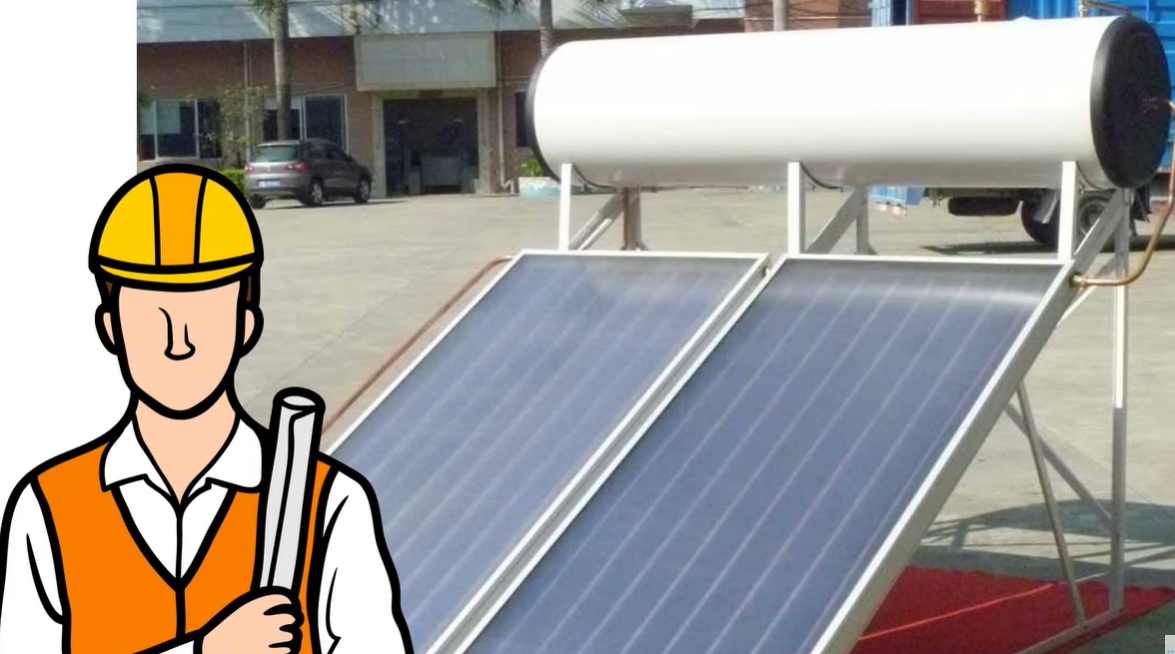
If you’ve taken the green leap and installed a solar hot water system at your home, congratulations! You’re contributing to a more sustainable future. However, like any investment, these systems require attention and upkeep to continue functioning optimally. This article explores the maintenance needs of a solar hot water system, empowering you to keep your system in top shape. See details
A solar hot water system harnesses the sun’s energy, using solar collectors to heat water stored in an insulated tank. A heat exchanger then transfers this heat to the water. Understanding the basic operation of this system is key to recognizing its maintenance needs.
Regular maintenance of your solar hot water system is essential for several reasons. It extends the system’s life, ensures peak performance, and helps avoid unexpected breakdowns. “Regular maintenance is the key to maximizing the return on your solar investment,” says Daniel Roberts, a leading solar technician in Sydney.
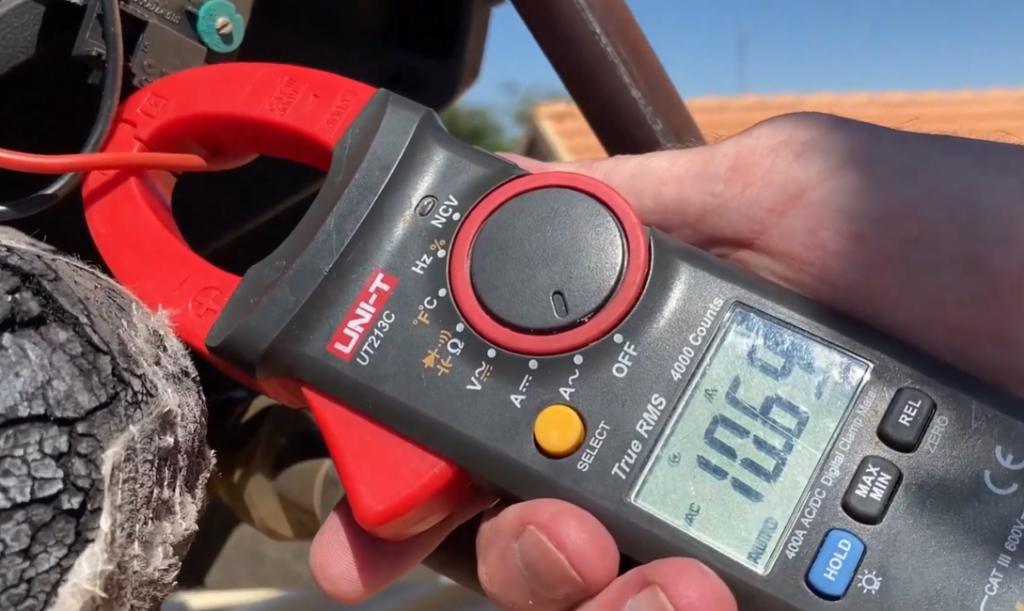
Solar collectors can accumulate dust, pollen, and bird droppings over time, reducing their ability to absorb sunlight effectively. Regular cleaning, ideally every six months, will keep them operating at peak efficiency.
The storage tank should be inspected for cracks or leaks and drained to remove any sediment build-up at least once a year. This prevents corrosion and keeps your water clean.
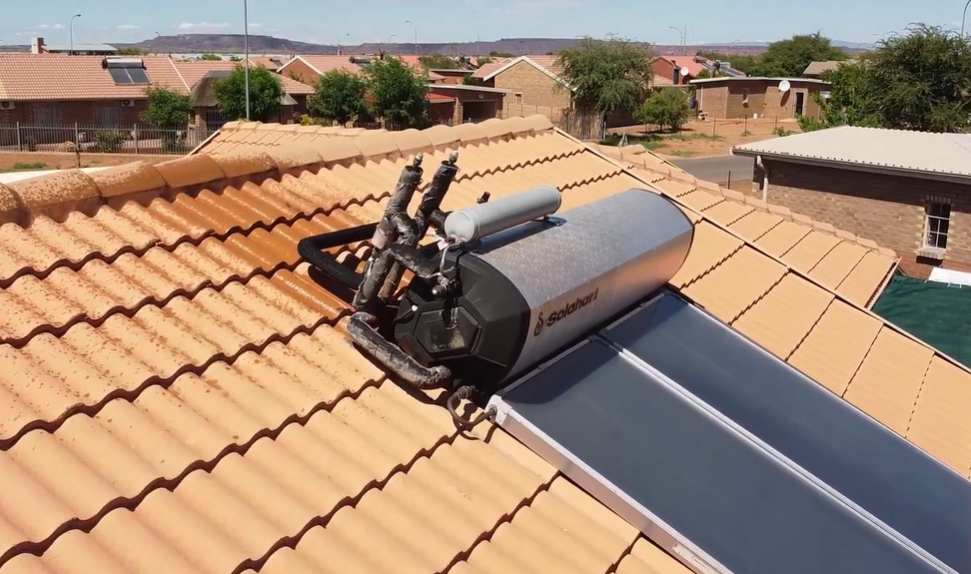
The heat exchanger is a critical component of your system. It should be inspected for leaks or damage and its antifreeze level checked during routine maintenance.
Consider the case of the Thompson family in Sydney, who saw their system’s efficiency increase by 25% over the course of a year after they started regular maintenance. Their story underscores the importance of regular check-ups.
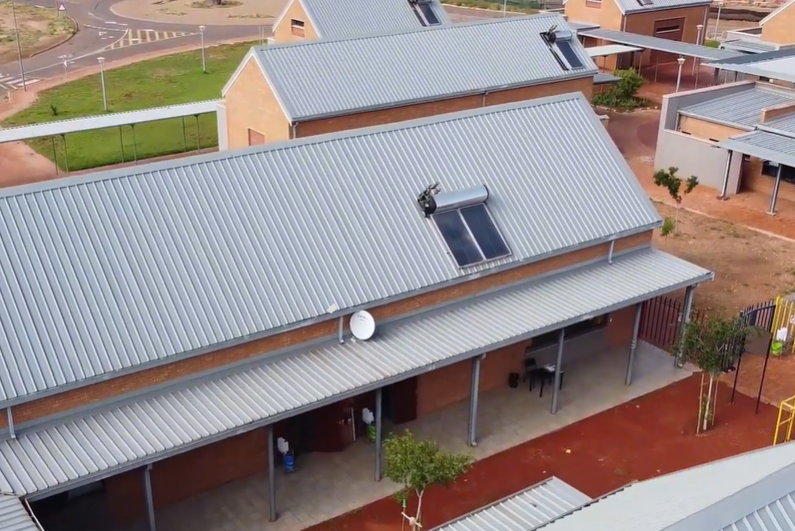
While some tasks, like cleaning the solar collectors, can be done yourself, other aspects of maintenance, such as checking the heat exchanger, require professional expertise. “It’s always a good idea to have a professional look at your system at least once a year,” advises Peter Mitchell, a veteran solar hot water plumber.
Regular maintenance of your solar hot water system is essential for ensuring its longevity and performance. By understanding the needs of your system and engaging in diligent upkeep, either by yourself or with the help of professionals, you can enjoy the benefits of solar hot water for years to come.

Solar hot water systems have been embraced by Sydney residents for their myriad benefits including environmental friendliness, cost efficiency, and sustainability. However, like any other appliance, these systems occasionally need some tender loving care to keep them performing optimally. In this post, I’ll outline some of the signs indicating that your solar hot water system might need repairing, why a timely repair is crucial, and some common problems you might encounter. Find out more about Sydney hot water installation near me in Sydney.
Knowing when your solar hot water system needs repair is half the battle. Here are some common signs to look out for:

Ignoring minor issues with your solar hot water system can lead to more significant problems down the line. A small leak can lead to water damage over time, while a malfunctioning temperature sensor can cause your system to overheat and potentially fail. Moreover, a system that is not operating efficiently will not provide the expected energy savings and could even increase your energy costs.
Timely repair also extends the lifespan of your solar hot water system. Like regular health check-ups for us, routine maintenance checks for your solar hot water system can identify potential issues early, preventing bigger, costlier problems down the line.

A solar hot water system is an investment, and like any investment, it needs to be cared for to provide the best returns. Regular maintenance and timely repair are essential for keeping your system running efficiently and effectively. As a seasoned solar hot water system plumber in Sydney, I can provide professional repair and maintenance services to keep your system in tip-top shape.

Having spent more than 20 years as a solar hot water plumber in Sydney, I’ve experienced first-hand the increasing shift towards more sustainable living practices. As Sydney residents strive for a greener city, solar hot water systems are taking center stage. This article will delve into why these systems represent a significant stride toward a sustainable future. Discover more about solar hot water in Sydney.
A solar hot water system utilizes the immense power of the sun to heat water. At its core, it has solar collectors, usually installed on the roof, which absorbs the sun’s energy. This energy is then transferred to water stored in a tank, either directly or via a heat exchanger, ready for use when needed.
There are two main types of solar hot water systems: thermosiphon and split systems. Thermosiphon systems have the storage tank and the solar collectors both mounted on the roof, relying on natural convection to circulate the water. In contrast, split systems have a storage tank on the ground, and a pump is used to circulate the water.
Solar hot water systems provide several environmental benefits. Here are a few key reasons why they are integral to a greener Sydney:

Investing in a solar hot water system doesn’t just reduce your carbon footprint; it can also significantly reduce your energy bills. As reported by the Australian Energy Regulator in 2023, Sydney residents pay an average of 28.34 cents per kWh for electricity. This translates to over $790 per year on heating water for a typical household. By covering most of your hot water needs with solar energy, you could save between $475 and $710 annually.
Moreover, the Australian government offers generous incentives for installing solar hot water systems under the Small-scale Renewable Energy Scheme, helping to offset the initial cost.
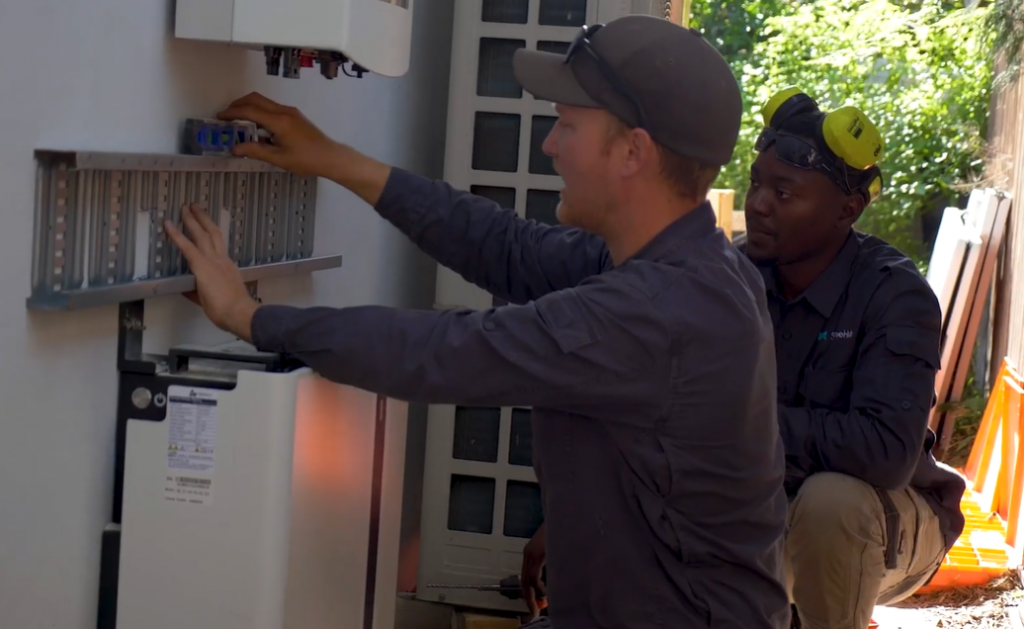
The journey to a greener Sydney is a collective effort, and the adoption of solar hot water systems is a significant part of this. As the famous environmentalist Rachel Carson once said, “In nature, nothing exists alone.” The decision to install a solar hot water system is not just about reducing energy bills; it’s about understanding our connection with the environment and making choices that preserve it for future generations.
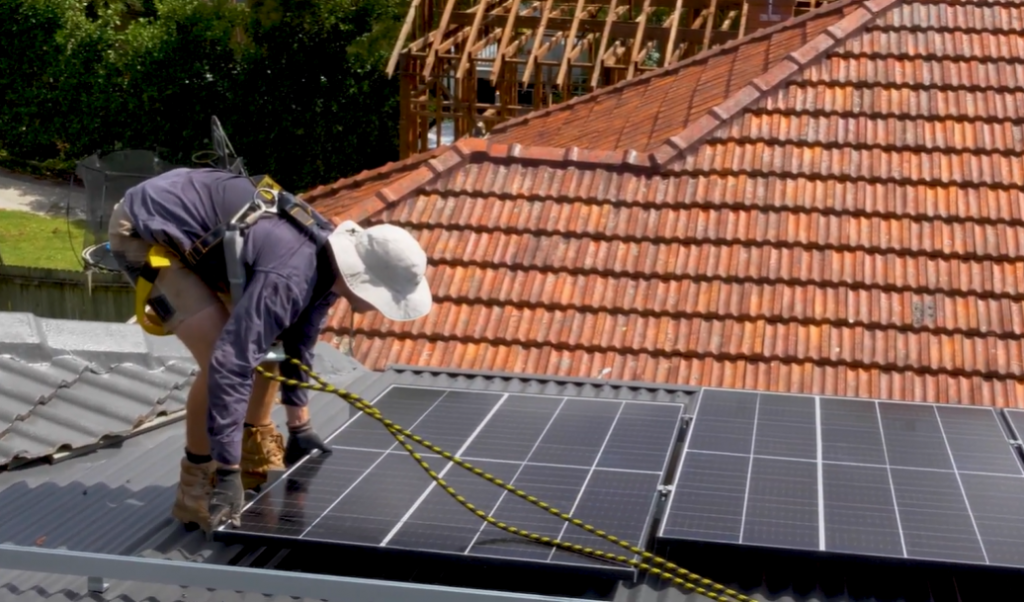
If you’re considering making the switch to a solar hot water system, it’s crucial to ensure it is professionally installed and maintained. With over two decades of experience in the industry, I can provide the expertise and advice you need to make a successful and eco-friendly transition. Remember, a greener Sydney starts at home.

Hello Sydney! I am a plumber with over 20 years of experience specializing in solar hot water systems. It’s been a privilege to witness first-hand the growing adoption of these environmentally-friendly solutions. Today, I’d like to delve into one of the compelling reasons behind this trend: the significant savings solar hot water systems can offer on your energy bills. Continue reading about Solar Hot Water Plumbing in Sydney.
A solar hot water system harnesses the power of the sun, converting it into heat to warm your water. The process begins with solar collectors, often located on your rooftop, which absorb the sun’s energy. This heat is then transferred to water stored in a well-insulated tank.
There are two primary types of solar hot water systems, distinguished by the manner in which they circulate water:
The system’s size and the type of solar collectors (flat plate or evacuated tube) can affect how much energy you can harness and, therefore, the amount of money you can save.
The sun provides an abundant, renewable energy source that can substantially reduce your reliance on grid electricity or gas for water heating. The Australian Energy Regulator reported in 2023 that Sydney residents pay an average of 28.34 cents per kilowatt-hour (kWh) for electricity. A typical household in Sydney uses approximately 2,800 kWh annually for hot water heating, equating to over $790 per year.
With a well-designed solar hot water system, you can generate 60-90% of your hot water requirements from solar energy. This means potential annual savings ranging from $475 to $710.

The Australian government’s Small-scale Renewable Energy Scheme offers incentives to households installing solar hot water systems. You can obtain Small-scale Technology Certificates (STCs) for your system, which can be sold or used to receive a discount on your installation cost, leading to further savings.
Investing in a solar hot water system also offers protection against future energy price hikes. With energy prices continuing to rise, the potential savings offered by solar hot water systems increase correspondingly.
Yes, installing a solar hot water system does require an upfront investment. However, given the substantial annual savings on energy bills and government incentives, your solar hot water system could pay for itself in just a few years. From then on, you’re essentially enjoying hot water at a fraction of the cost.

As Thomas Edison once said, “I’d put my money on the sun and solar energy. What a source of power! I hope we don’t have to wait until oil and coal run out before we tackle that.” In Sydney, we’re fortunate to have plenty of sunshine to harness. By investing in a solar hot water system, we can not only reduce our energy bills but also play our part in promoting renewable energy.
As an experienced solar hot water plumber, I can guide you in choosing the right system for your needs and ensure a professional installation. This way, you can maximize your savings and enjoy the manifold benefits of harnessing solar energy.
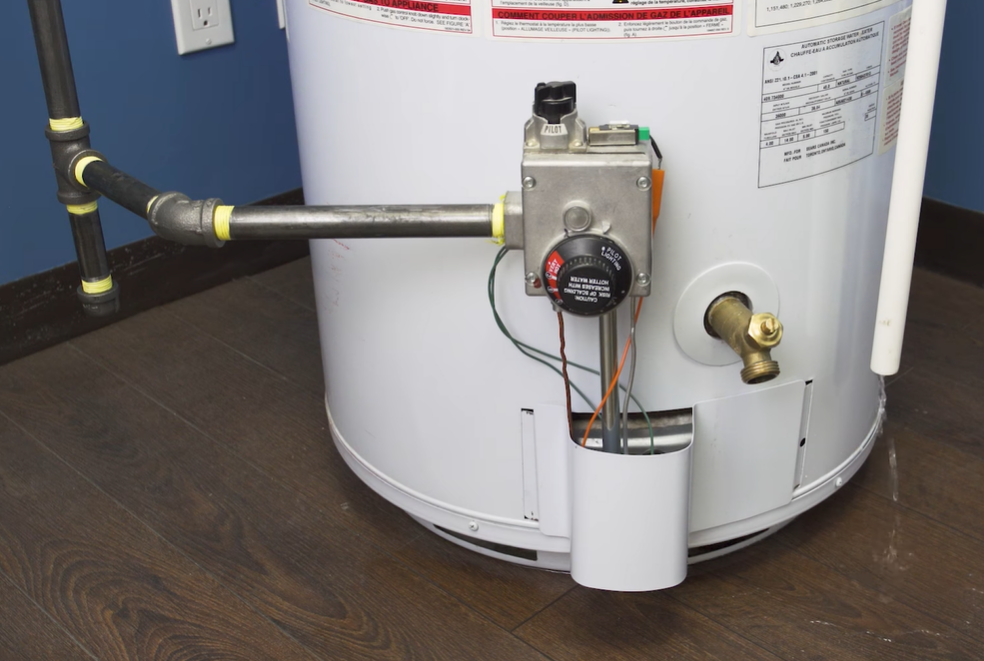
Solar Hot Water Systems (SHWS) is a wonderful, sustainable choice for water heating in your home. They not only help reduce your carbon footprint but also significantly decrease your energy bills. However, like all technology, they can occasionally run into problems. It’s essential to understand when your SHWS might need repair, ensuring optimal performance and longevity. Here are some telltale signs indicating that your solar hot water system needs attention from a certified professional. Read on Solar Hot Water Installation Service.
The most apparent sign that your SHWS might need repair is a drop in water temperature. If you notice that your hot water has turned lukewarm or even cold, it could indicate several potential issues, including a faulty solar collector, a malfunctioning heat exchanger, or a problem with the system’s circulation pump.
If your energy bills start to creep up despite no significant changes in your hot water usage or weather conditions, it’s likely that your SHWS isn’t operating at peak efficiency. This drop could be due to sediment build-up in the hot water tank, scaling on the solar collector, or other system malfunctions.
While some noise from the circulation pump and heat exchanger is normal, unusual sounds like banging, gurgling, or screeching could signal that a component of your SHWS is defective or that air has entered the system. It’s best to get a professional to check out the situation.
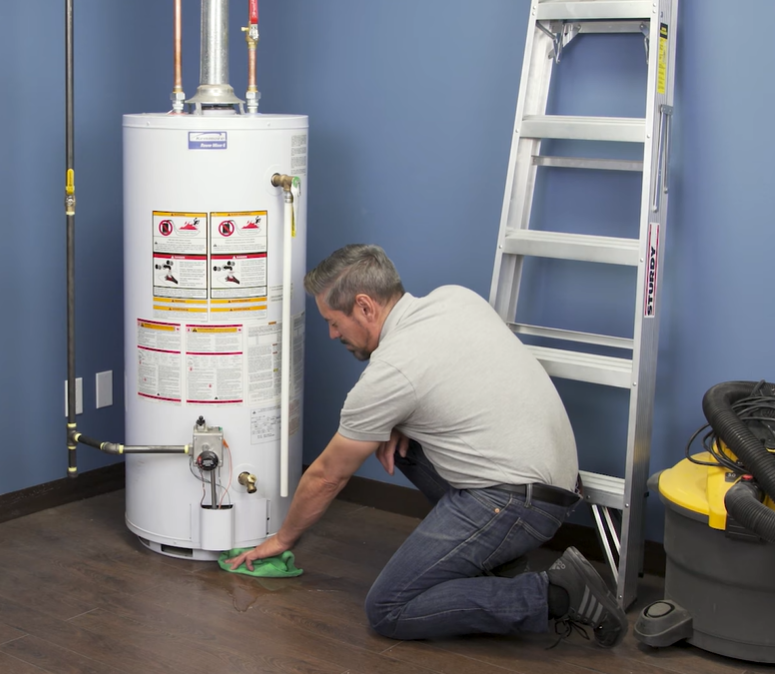
Leaking is another common problem with SHWS. Leaks can occur in the pipes connecting the solar collector and storage tank, the tank itself, or the temperature and pressure relief valve. A pool of water around your hot water system or a significant increase in your water bill might indicate a leak.
A noticeable decrease in water flow, when you’re using hot water, could be due to a blockage in the system. This blockage might be in the pipework, the solar collector, or even the heat exchanger.

If your hot water starts to smell odd or appears discolored, it’s likely a sign of an issue with the storage tank. One possibility is that the sacrificial anode, which prevents the tank from rusting, has failed and needs replacing.
As Mark Patterson, a veteran Sydney hot water plumber, puts it, “An efficient Solar Hot Water System is a boon, but its effectiveness can be hampered if warning signs aren’t attended to promptly. Being aware of these signs and acting quickly not only extends the system’s life but also ensures you continue enjoying the benefits of your solar hot water investment.”
Remember, if you notice any of these signs, it’s crucial to consult a certified solar hot water plumber immediately. Trying to fix the system yourself can be dangerous and might further damage the system. By ensuring that your SHWS gets the professional care it needs, you’re protecting your investment and promoting a sustainable future.