


With the rising energy costs and global concern about climate change, adopting sustainable energy sources has become more critical than ever. For Sydney homeowners, one viable way of doing so is by installing a solar hot water system. However, the high upfront costs often pose a hurdle. To help offset these costs and encourage renewable energy use, several incentives and rebates are available in Sydney for solar hot water systems. This article will provide a comprehensive overview of these incentives, including technical details and how to qualify for them.
The Australian Government’s SRES is designed to assist and encourage small businesses and homeowners to install small-scale renewable energy systems, including solar hot water systems.
Under the SRES, when you install a solar hot water system, you may be eligible for Small-scale Technology Certificates (STCs). Each STC represents a tonne of carbon dioxide emissions that are avoided over a deemed 10-year period by using solar hot water instead of a conventional water heating system.
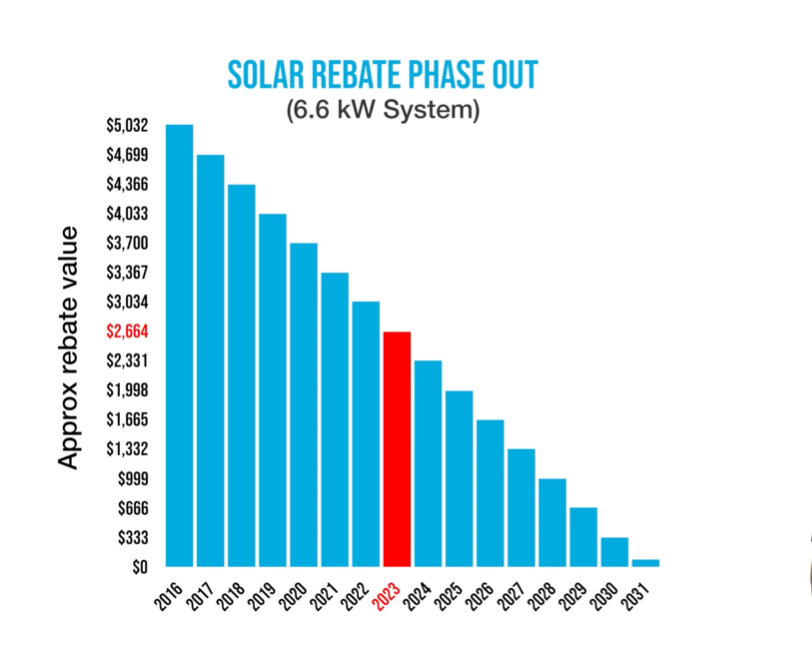
STCs can be sold or assigned to registered agents in exchange for a financial benefit, which is often a discount on the purchase price of a new system. The number of STCs generated varies based on your geographical location, the size and type of the system, and the amount of solar energy available.
In Sydney, a medium-sized solar hot water system might generate between 25 to 35 STCs, potentially saving you thousands of dollars off the system’s cost.
While not directly related to hot water systems, feed-in tariffs are worth mentioning if you’re considering a full solar photovoltaic system in addition to solar hot water. Under this scheme, homeowners who generate excess electricity from their solar panels can sell it back to the grid.
The rates for feed-in tariffs vary depending on your electricity retailer and the specific plan you are on. As of 2023, the rates in NSW can range from 6 to 12 cents per kWh. This can help offset your electricity costs and contribute to a quicker return on your investment.
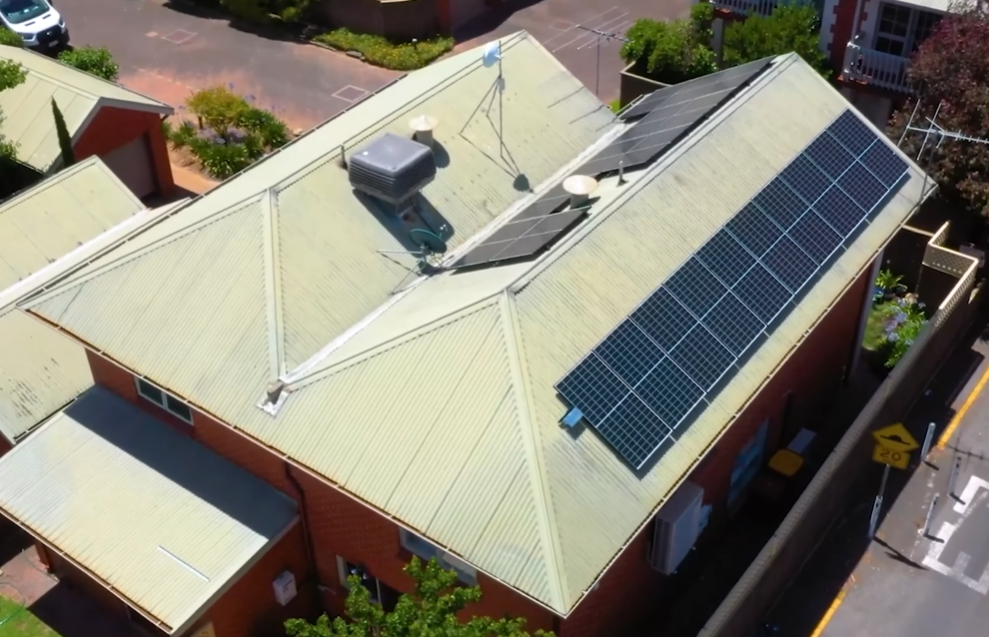
In addition to federal incentives, some local councils in Sydney offer additional rebates or incentives for residents installing solar hot water systems. These vary by council and change over time, so it’s worth checking with your local council to see what’s available.
Various energy providers and companies offer programs or incentives to encourage customers to switch to energy-efficient appliances, including Solar Heat Collector Installation for hot water systems. These may include discounts on purchases, special financing options, or rebates. These programs change regularly, so it’s worth checking with your energy provider or a reputable solar retailer.

Learn more about Solar Hot Water System and Its Impact on Property Value
To access these incentives, you typically need to work with a qualified and accredited installer. For the SRES, for example, the installer must be accredited by the Clean Energy Council. The installer will often handle the paperwork for STCs and apply the discount directly to your invoice.
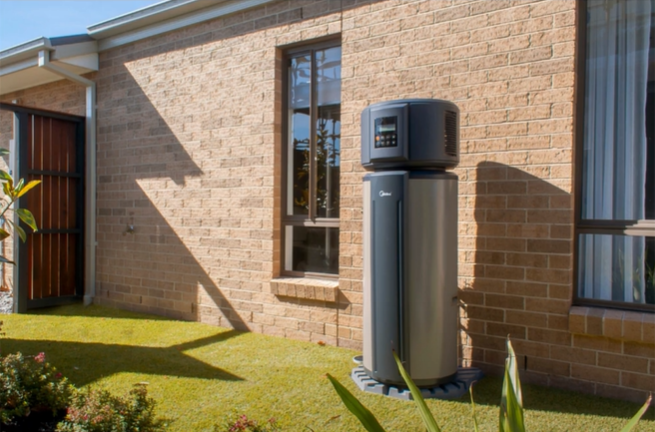
Investing in a solar hot water system is a smart choice, both environmentally and financially. Government incentives and rebates, such as the SRES, feed-in tariffs, local government rebates, and energy efficiency programs, significantly offset the upfront costs, making solar hot water systems a more accessible and affordable option for Sydney homeowners.
However, it’s important to remember that while these incentives can reduce the upfront cost, the actual amount saved will depend on various factors, including your system’s size, type, and location.
Given the financial incentives and the potential savings on your energy bills, not to mention the environmental benefits, there’s never been a better time to consider installing a solar hot water system in your Sydney home.
Investing in a solar hot water system is a decision that comes with several advantages. Besides the environmental benefits and reduced utility bills, one aspect that homeowners may not consider immediately is the impact such a system has on the value of their property. This article offers a detailed insight into how installing a solar hot water system can positively affect your property value.
Installing a solar hot water system is an investment that continues to pay dividends well into the future. The upfront cost, while substantial, is mitigated by lower energy bills and government incentives. But how does this translate into property value?
A recent survey from National Australia Bank (NAB) found that 48% of Australians rank solar panels as an essential or high priority when looking for a home. While the survey primarily dealt with photovoltaic panels, the principle extends to solar hot water systems, which provide many of the same benefits and are part of the overall ‘solar energy’ category that appeals to buyers.
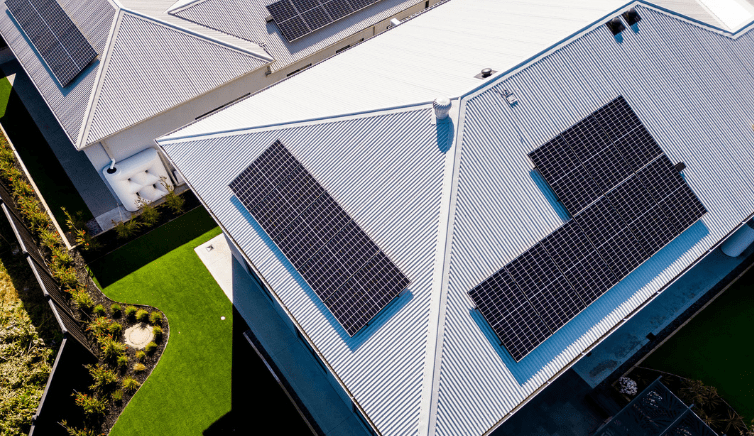
Energy-efficient homes are not only more cost-effective to run, but they’re also more comfortable to live in, with a reduced environmental impact. These factors combined make energy-efficient homes increasingly attractive to buyers, leading to a higher demand and potentially, a higher selling price.
A report by the Australian Government found that a 5-star energy efficiency rating could add an additional 3-5% to the property’s sale price. A solar hot water system, being an integral part of a home’s energy efficiency, contributes to this increased value.
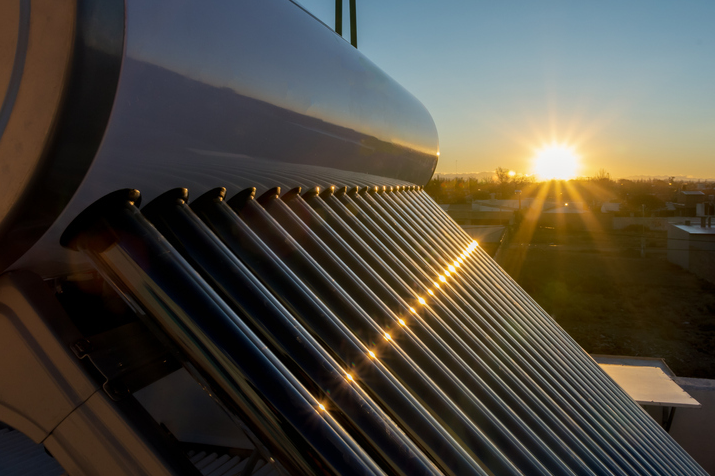
As the world moves toward renewable energy sources, properties equipped with solar hot water systems are becoming increasingly desirable. By installing a solar hot water system, you’re future-proofing your home against rising electricity costs and positioning your property as an attractive prospect in a market that is increasingly valuing sustainable homes.
Learn more about Increasing Your Home’s Energy Efficiency with Solar Hot Water
An increasing number of buyers are becoming environmentally conscious, considering the environmental footprint of their potential homes. A solar hot water system, by reducing a household’s greenhouse gas emissions, can be a significant selling point for these eco-conscious buyers.
According to the Australian Government, a solar hot water system can save between 2-3 tonnes of greenhouse gas emissions each year when compared to a conventional electric water heater. Over the system’s lifespan (typically 20 years or more), this represents a significant environmental saving.
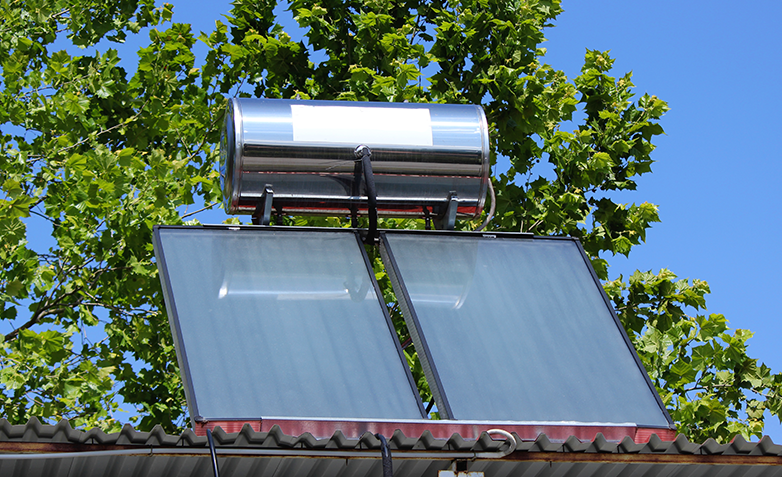
When prospective buyers consider a home, they often factor in not just the purchase price but also the future cost of living in the property. A solar hot water system can contribute significantly to lower utility bills. The Australian Government’s Your Home guide estimates that hot water systems account for about 25% of the average home’s energy use. By switching to solar, you can reduce your hot water energy use by 50-90%, which translates to considerable annual savings. For a potential buyer, these savings can be an attractive aspect of the property.
Solar hot water systems are more than just an environmentally friendly choice; they’re a smart investment that can increase your property’s value. While the exact increase varies depending on several factors like the property’s location and the specific system installed, the overall trend is clear: homes with solar hot water systems are more appealing to prospective buyers and may command higher selling prices.
Given the growing preference for sustainable, energy-efficient homes, installing a solar hot water system can be a value-adding decision that can differentiate your property in the market and attract a wider range of potential buyers.
Therefore, if you’re a homeowner in Sydney considering ways to increase your property value, it may be time to explore the benefits of a solar hot water system.
The escalating cost of energy and growing environmental concerns have led many homeowners to explore greener, more sustainable energy solutions. Solar hot water systems have proven to be a worthy investment for both the environment and your wallet. This article delves into the technical aspects, benefits, and numbers behind this energy-efficient option.
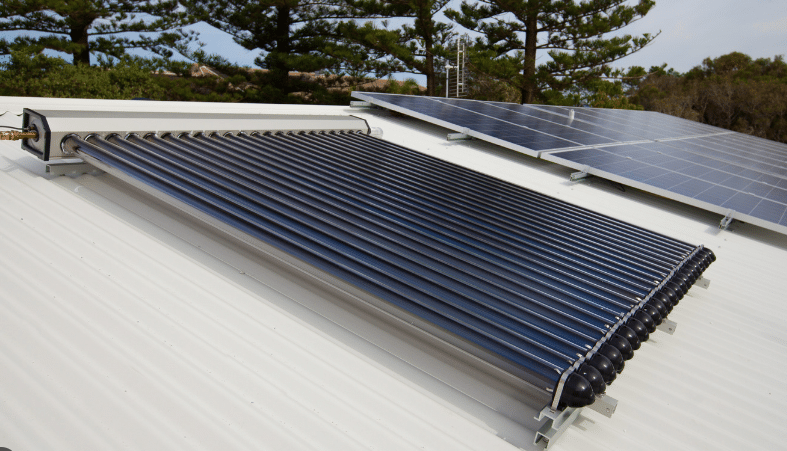
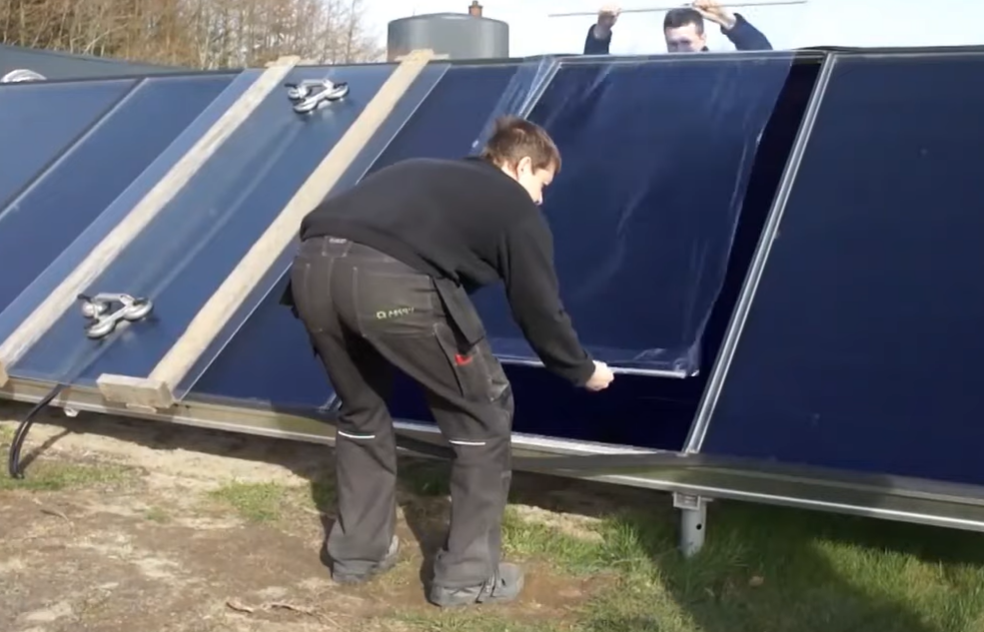
Energy-Efficient Water Heater solutions, such as solar hot water systems, harness the sun’s energy to heat water for household use. Two main components make up the system: solar collectors (also known as solar panels) and a storage tank. In most Australian homes, this system will be either a flat plate collector or an evacuated tube solar collector. The first uses a dark flat-plate absorber that captures the sun’s energy and transfers it to the water. The latter features glass tubes that insulate the system, reducing heat loss and providing superior performance in colder conditions.
The storage tank, often mounted on the roof next to the solar collector, stores the heated water. An integrated or separate heat exchanger transfers the heat from the collector to the water in the tank. Additionally, most systems come with a gas or electric booster, ensuring hot water is available on cloudy days or during peak demand periods.
Solar hot water systems can provide between 50 to 90% of your hot water needs, depending on your location and system type. For instance, data from the Clean Energy Council (2021) shows that, on average, a four-person household in Sydney can offset about 2,800 kilograms of carbon dioxide emissions annually using solar hot water.
In terms of cost savings, Energy Rating Australia estimates that a well-installed solar hot water system can save up to 75% of water heating costs. For a typical Sydney household spending approximately $700 per year on water heating, this equates to potential savings of $525 annually. Over the system’s expected lifespan of 20 years, this adds up to a whopping $10,500.
The transition to a solar hot water system requires consideration of factors like your home’s solar exposure, roof space, and orientation. North-facing roofs are ideal for maximum solar gain in the Southern Hemisphere. An experienced solar plumber can assess your home and provide tailored recommendations.
Solar hot water systems also need regular maintenance for optimal performance. This typically includes bi-annual checks of the tank, panels, and all system connections. Given their exposure to the elements, solar hot water systems are robustly designed to last, with many offering warranties of up to 15 years.
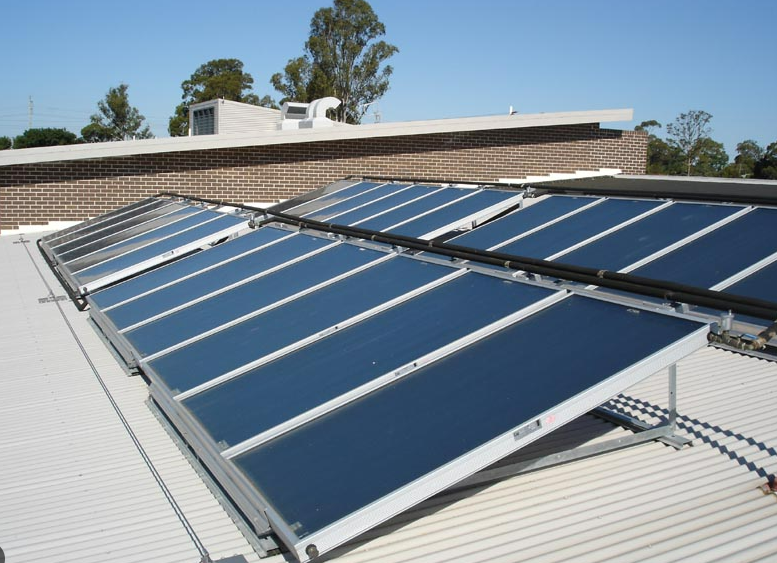
The Australian government offers rebates to households installing solar hot water systems through the Small-scale Renewable Energy Scheme. Depending on the system’s potential energy output and location, homeowners can earn Small-scale Technology Certificates (STCs), which can be sold to recoup some of the installation costs.
Discover more about The Role of Solar Hot Water Systems in Australia’s Energy Future
Solar hot water is more than just an environmentally friendly choice; it’s a smart investment that pays off in multiple ways. Aside from the financial savings and reduced carbon footprint, it also increases the value of your property. A study by The Appraisal Journal (2022) found that homes with solar installations tend to sell for an average of 4.1% more compared to similar homes without solar.
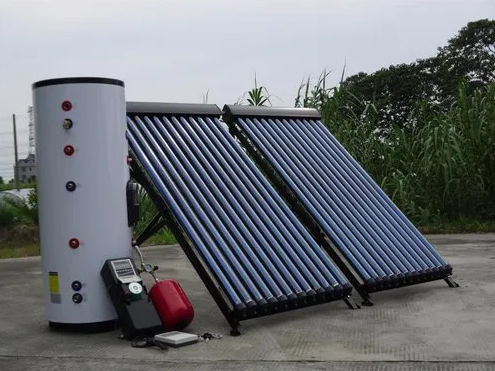
Not all solar hot water systems are created equal, and the choice depends on various factors such as your geographical location, the size of your household, and your hot water usage patterns. For instance, an evacuated tube solar collector, although typically more expensive, may be ideal for colder regions or larger households due to its higher efficiency.
Similarly, the capacity of your storage tank should match your hot water needs. Australian Standard AS4234 estimates that a four-person household requires a tank capacity of about 315-360 liters for optimal performance. Consultation with a qualified solar plumber can help determine the right system for your specific needs.
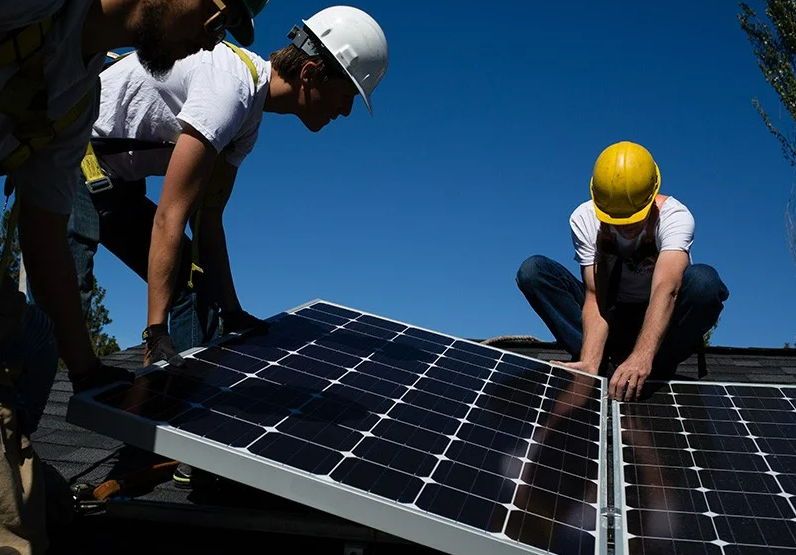
Installation of a solar hot water system is a task for qualified professionals. The process includes installing solar collectors on the roof, connecting them to the storage tank, and integrating the system with your home’s plumbing. Depending on your home’s existing plumbing infrastructure, some modifications might be necessary. A typical installation takes between half a day to a full day, with minimal disruption to your home’s water supply.
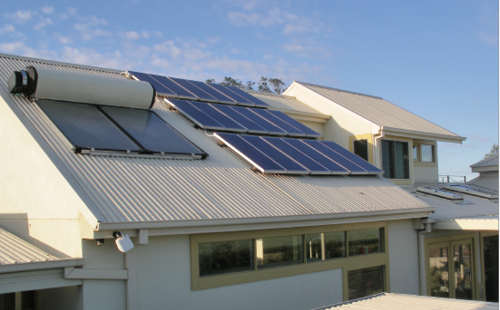
After installation, ongoing maintenance and proper usage will ensure you maximize your system’s performance. Regular system checks, timely repairs, and mindful usage, such as scheduling high hot-water usage activities during sunlight hours, can significantly increase your savings.
Solar hot water is part of a larger trend toward sustainable living. Pairing your system with other energy-saving solutions like solar PV panels, energy-efficient appliances, and water-saving fixtures can lead to further reductions in your utility bills and environmental footprint.
Solar hot water systems are a proven and effective way to increase your home’s energy efficiency. With solid savings, reduced environmental impact, and substantial government incentives, it’s an investment worth considering. As always, make sure you consult with a professional solar plumber to ensure your system is well-suited to your needs and optimally installed for maximum benefit.

As a nation blessed with abundant sunshine, Australia has the unique opportunity to capitalize on solar energy as a significant part of its sustainable energy mix. Solar hot water systems, in particular, offer a compelling and efficient method for harnessing this renewable resource. This article delves into the current landscape, technical aspects, and the pivotal role that solar hot water systems can play in shaping Australia’s energy future.
Australia has traditionally relied heavily on fossil fuels, primarily coal, for its energy needs. However, the Clean Energy Council’s annual report (2022) reveals a shifting trend, with renewable energy accounting for a record 30% of Australia’s total electricity generation. Solar power, in particular, has seen exponential growth, with around 2.77 million solar systems installed across the country.
Commercial Solar Plumbing Sydney focuses on implementing solar hot water systems that convert sunlight into thermal energy to heat water for domestic use. The process involves solar collectors (either flat-plate or evacuated-tube collectors) that absorb solar radiation, a storage tank for the heated water, and often a backup gas or electric booster for cloudy days or high-demand periods.
These systems can provide up to 90% of a household’s hot water needs, significantly reducing reliance on fossil fuel-generated power. According to the Clean Energy Council, a solar hot water system can save between 2 and 3 tonnes of greenhouse gas emissions each year when replacing an electric hot water system.
As Australia moves towards a low-carbon future, solar hot water systems present a compelling solution. They help to reduce greenhouse gas emissions, ease the pressure on the national grid, and foster energy independence at a household level.
Moreover, solar hot water aligns with Australia’s commitment to achieving net-zero emissions by 2050. Energy Rating Australia suggests that if every Australian home installed a solar hot water system, the country could cut its carbon dioxide emissions by around 10 million tonnes per year, equivalent to taking 2.8 million cars off the road annually.
Solar hot water also offers economic benefits, both at the individual and national levels. Households can potentially save hundreds of dollars per year on energy bills, while the growing solar sector offers job opportunities in manufacturing, installation, and maintenance.
Furthermore, the solar industry encourages technological innovation. Australian companies are at the forefront of developing high-efficiency solar collector technologies, such as advanced evacuated tubes and concentrating solar thermal technologies, driving economic growth and positioning Australia as a global leader in renewable energy solutions.
Government support and policy direction are crucial in fostering the uptake of solar hot water systems. Currently, the Small-scale Renewable Energy Scheme offers incentives in the form of Small-scale Technology Certificates (STCs), helping to offset the installation cost of these systems.
In the future, more comprehensive policies that encourage renewable energy adoption, coupled with education and community engagement initiatives, can further accelerate this transition.
Discover more about Solar Hot Water: A Solution for Sydney’s Energy Crisis
While the prospects are promising, the journey toward a solar-powered future isn’t without its challenges. The intermittent nature of solar energy requires efficient energy storage solutions. Advances in thermal storage technologies and integration with other renewable sources can help address this.
Additionally, as the uptake of solar hot water systems increases, appropriate waste management for end-of-life solar components becomes crucial. Developing effective recycling processes for solar panels and associated equipment is an integral part of a sustainable solar industry.
The adoption of solar hot water goes beyond energy and cost savings; it represents a shift towards sustainable living. Alongside other eco-friendly practices such as water conservation, waste reduction, and energy-efficient appliances, solar hot water is part of a holistic approach to sustainability.
As Australia continues on its path towards a renewable energy future, solar hot water systems have a critical role to play. Their widespread adoption could fundamentally transform our energy landscape, significantly reducing our carbon footprint and moving us closer to a sustainable, low-emission future.
The rise of solar hot water systems underscores a broader shift in societal values and attitudes towards renewable energy and environmental stewardship. With ongoing innovation, government support, and public engagement, solar hot water systems could indeed be a key player in Australia’s energy future.
In conclusion, while the journey towards renewable energy is complex, the rewards are well worth the effort. Solar hot water systems stand as a testament to the power of renewable energy, offering a practical and efficient solution that benefits not just individual households but the nation and the world at large.

Sydney, like many cities around the globe, is facing an energy crisis. Rising electricity prices, grid instability, and the pressing need to reduce greenhouse gas emissions are driving the search for viable, sustainable energy solutions. Among them, solar hot water systems stand out as a practical, efficient, and eco-friendly option. This article explores the role of solar hot water systems as a potential solution to Sydney’s energy crisis.
Sydney’s rapidly growing population, combined with its increasing urbanization, puts a significant strain on the city’s energy infrastructure. According to the Australian Energy Regulator, the average Sydney household’s annual electricity bill rose by 5% in the last year, a trend that shows no signs of slowing.
Moreover, Sydney’s power grid is primarily fuelled by coal-fired power plants, contributing to Australia’s high per capita carbon emissions. The need to transition towards renewable energy sources is becoming increasingly urgent.
As one of the sunniest cities on earth, Sydney is in a prime position to harness solar energy. Solar hot water systems capture the sun’s energy to heat water, reducing the reliance on electricity or gas. These systems typically consist of solar collectors (either flat-plate or evacuated tube collectors), a storage tank, and often a gas or electric booster for days with less sunshine or times of high hot water demand.
Residential Solar Water Heating systems can provide between 50% and 90% of a household’s hot water needs. By replacing traditional electric hot water systems with solar-powered alternatives, we can significantly reduce our reliance on the grid and lower carbon emissions.
The Clean Energy Council estimates that a well-installed solar hot water system can save a typical Sydney household up to 3 tonnes of carbon dioxide emissions per year. If every home in Sydney installed a solar hot water system, we could save approximately 4.5 million tonnes of carbon dioxide annually, equivalent to taking over a million cars off the road each year.
Aside from environmental benefits, solar hot water systems also offer financial savings. A solar hot water system can reduce a household’s water heating costs by up to 75%. With an average Sydney household spending roughly $700 on water heating annually, this could result in annual savings of $525. Over the typical 15-20-year lifespan of a system, this adds up to savings of between $7,875 and $10,500.
Discover more about Solar Hot Water Systems: A Resilient Solution for Climate Change
The push towards solar energy has also driven job growth in the renewable sector. The Clean Energy Council’s 2022 report indicated a 28% increase in renewable energy jobs, many of which are in the solar industry. By fostering the solar hot water sector, Sydney can drive job growth while addressing its energy crisis.
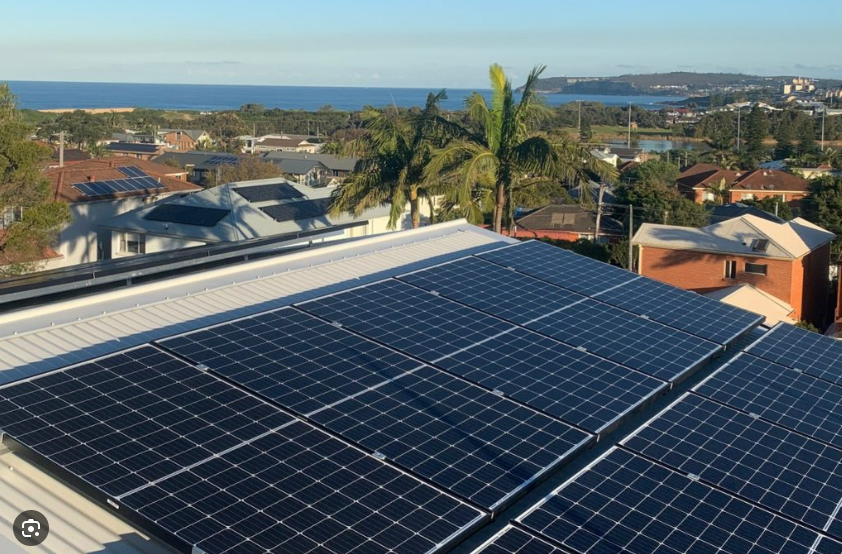
However, the adoption of solar hot water is not without its challenges. Not all homes have the required north-facing roof space for optimal solar collection. Moreover, upfront costs, although mitigated by government rebates and long-term savings, can be a deterrent. It is therefore vital that Sydney invests in education, affordable financing options, and robust policy support to facilitate the adoption of solar hot water systems.
Despite the challenges, the potential benefits of solar hot water systems in mitigating Sydney’s energy crisis are clear. By reducing the demand on the grid, we can enhance energy stability. By curbing carbon emissions, we contribute to the global fight against climate change. And by driving the solar hot water industry, we create jobs and stimulate economic growth.

Australia’s government supports the adoption of solar hot water systems through the Small-scale Renewable Energy Scheme. This scheme issues Small-scale Technology Certificates (STCs) for installations, which can be sold to recoup some of the system’s cost. Incentives like this are vital to making solar hot water systems more accessible to Sydney residents.
As solar hot water systems become more prevalent, the role of solar plumbers becomes increasingly important. These professionals are not only responsible for installing the systems but also for educating homeowners about their operation and benefits. Regular maintenance by a qualified solar plumber ensures the system’s longevity and optimal performance.
Solar hot water systems are just one part of the solution to Sydney’s energy crisis. Their widespread adoption, in conjunction with other sustainable practices like energy-efficient appliances, solar PV systems, and conservation efforts, can profoundly impact our energy landscape.
By taking these steps towards a greener, more sustainable future, Sydney can set a powerful example for other cities grappling with similar energy challenges. And each of us, as Sydney residents, can play a role in this transformation.
In conclusion, as Sydney grapples with its energy challenges, solar hot water systems offer a promising solution. It is not just about replacing an old water heater with a new one; it is about embracing a sustainable future for our city, one household at a time. By harnessing the sun’s energy to heat our water, we take a significant step towards resolving Sydney’s energy crisis, proving that the solution to our energy needs might just be shining down on us.