17 Feb. 20
Blocked Drain: Early Warning Signs You Need To Know
Blocked Drain Warning Signs: Early Detection Guide for Sydney Homes
Blocked drains rarely happen overnight. They develop gradually, giving you clear warning signs before becoming complete blockages that require emergency plumbing intervention. Recognising these early indicators means you can address drainage problems when they’re still minor issues rather than waiting for sewage backups, flooding, or expensive repairs.
This guide explains the seven critical warning signs of blocked drains, what each symptom means, and when you need professional help. Based on data from Sydney plumbing services and recent insurance industry research, understanding these signs can save Sydney homeowners thousands of dollars in preventable damage.
Why Early Detection Matters for Sydney Properties
The Cost of Delayed Action
Recent data from Suncorp Insurance reveals that burst plumbing issues, including blocked drain complications, average over $27,500 per claim in 2024. Their inspection of thousands of Australian homes found that 30% of plumbing systems showed warning signs requiring attention before failure occurred.
For Sydney properties specifically, the combination of ageing infrastructure in inner suburbs, tree root intrusion from established street trees, and intense storm seasons creates higher-than-average drainage failure risks. Catching blockages early typically costs $200-$800 for professional clearing, compared to $2,000-$8,000 for emergency repairs involving pipe damage, water damage restoration, and urgent callouts.
Health Risks from Blocked Drains
Beyond property damage and repair costs, blocked drains create genuine health hazards. Stagnant wastewater harbours bacteria including E. coli and salmonella. Sydney Water reports that wastewater blockages account for thousands of emergency callouts annually, with many involving sewage overflow into homes.
Additional health concerns include:
- Mould growth from persistent moisture and dampness
- Mosquito breeding in standing water during Sydney’s warmer months
- Pest attraction – cockroaches and rats drawn to organic waste buildup
- Respiratory issues from sewer gas exposure
- Skin contact risks if wastewater backs up into living areas
Acting on warning signs prevents these health hazards from developing.
7 Critical Warning Signs of a Blocked Drain
1. Slow Draining Water (The First Indicator)
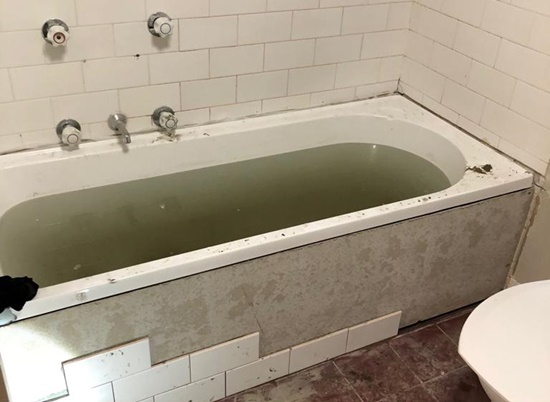
Slow drainage represents the earliest and most common warning sign. Water pooling in your sink, shower, or bath before draining away indicates partial blockage restricting flow through the pipes.
What normal drainage looks like: A kitchen sink should empty within 30-60 seconds under normal conditions. Bathroom basins drain within similar timeframes. Showers and baths take slightly longer due to larger volumes but shouldn’t leave standing water after you finish.
What slow drainage means: When drainage exceeds these timeframes or you notice water pooling that didn’t happen previously, debris is accumulating in the pipe. This might be:
- Hair and soap scum in bathroom drains
- Food particles and grease in kitchen sinks
- Scale buildup from hard water deposits
- Tree root intrusion creating partial obstructions
Severity assessment: If plunging temporarily improves drainage but the problem returns within days, the blockage sits deeper in your drainage system beyond the P-trap. This progression indicates you need professional clearing rather than surface-level DIY attempts.
2. Gurgling or Bubbling Sounds
Strange noises from drains, particularly gurgling or bubbling sounds when water drains away, indicate air trapped in your pipes. This trapped air gets pushed through the system as water flows past blockages.
Where you’ll hear it:
- From plug holes as water drains
- From toilets when flushing
- From one fixture when using another (water draining from shower causes sink to gurgle)
- From floor drains or external inspection points
What causes gurgling: Drainage systems rely on proper ventilation through vent pipes on your roof. When blockages disrupt this air flow, negative pressure develops. Water flowing through creates air pockets that escape as gurgling sounds.
Sydney-specific consideration: Vent pipes can become blocked by leaves, bird nests, or possum activity – common in Sydney’s tree-lined suburbs. However, gurgling paired with slow drainage points to pipe blockage rather than vent issues.
Severity assessment: Occasional light gurgling during heavy water use might not indicate problems. Persistent, loud gurgling, especially from multiple fixtures, suggests developing blockages requiring attention.
3. Foul Odours from Drains
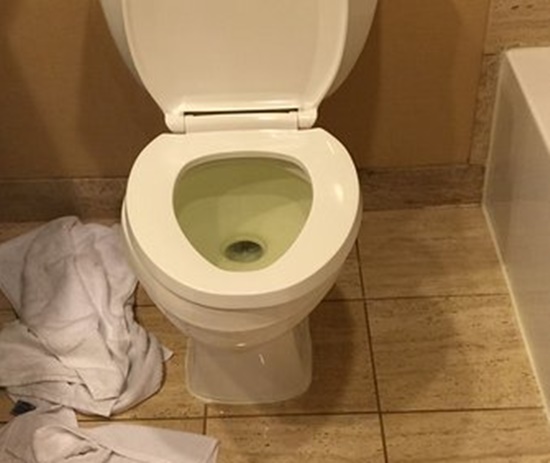
Unpleasant smells emanating from drains indicate organic material decomposing inside your pipes. Fresh, flowing water doesn’t produce odours – stagnant waste does.
What the smell indicates:
- Rotten egg smell: Decomposing food waste or organic matter trapped in pipes, combined with bacteria producing hydrogen sulphide gas
- Sewage smell: Suggests connection to sewer system, indicating blockage affecting waste water flow or damaged pipe allowing sewer gas escape
- Musty, damp smell: May indicate water leaking from blocked pipes into walls or subfloor spaces, causing mould growth
Location matters:
- Kitchen drains: Usually food waste and grease decomposition
- Bathroom drains: Combination of hair, soap residue, and organic material
- Floor drains: Often indicates main line blockage or dry trap (water seal evaporated)
- External drains: Suggests significant blockage in sewer line
Severity assessment: Smells that worsen over time or spread to multiple drains indicate advancing blockages. Immediate professional assessment recommended for sewage smells, as these can indicate main sewer line issues affecting your entire property.
4. Water Backing Up in Fixtures
Water backing up or appearing in unexpected places represents an advanced warning sign requiring prompt action. This occurs when blockages prevent water from draining through normal paths, forcing it to return through the nearest exit point.
Common backup scenarios:
- Running washing machine causes water to back up into shower or sink
- Flushing toilet causes water to appear in shower drain
- Water rising in toilet bowl when running bathroom sink
- Bath or sink water backing up when draining
What backups indicate: The blockage location determines backup behaviour. When water backs up from one fixture into another, the blockage sits downstream of both connection points. For example, if your washing machine causes bathroom sink backup, the blockage exists where these drain lines connect in your system.
Single fixture vs cross-fixture backups:
- Single fixture backing up into itself: Localised blockage in that fixture’s immediate drain line
- One fixture causing backup in another: Blockage in shared drain line or main sewer
- Multiple fixtures backing up simultaneously: Main sewer line blockage affecting entire property
Severity assessment: Any water backup requires professional assessment within 24 hours. Sewage backups (toilet water backing up into showers or sinks) require immediate emergency plumbing response due to health hazards.
5. Multiple Drains Affected Simultaneously
When several drains throughout your property show problems at the same time, the issue almost certainly involves your main sewer line rather than individual fixture blockages.
Signs of main sewer line blockage:
- Multiple toilets won’t flush properly or drain slowly
- All sinks and showers are draining more slowly than normal
- Gurgling sounds from various drains throughout the house
- Foul smells from multiple drain points
- Water is backing up from the floor drains
Why main line blockages are serious: Your main sewer line carries all wastewater from your property to Sydney Water’s system. Complete blockage means nowhere for wastewater to go except back into your home through the lowest drainage points – typically floor drains, showers, and toilets.
Common main line blockage causes in Sydney:
- Tree root intrusion (extremely common in established suburbs with mature street trees)
- Collapsed or damaged clay pipes in older properties
- Large foreign objects flushed into system
- Severe grease buildup over many years
- Structural pipe failures from ground movement
Severity assessment: Multiple affected drains always warrant immediate professional inspection. CCTV drain camera investigation identifies blockage location and cause, informing repair approach.
6. Rising Water in Inspection Points
External inspection points – typically concrete or plastic covers in your yard near the house – provide access to your sewer system. Water visible in these inspection openings when covers are removed indicates downstream blockages.
What to check:
- Locate inspection opening covers (usually near external walls, in garden beds, or under paved areas)
- Carefully remove cover (may require screwdriver or simply lift up)
- Look inside with torch – should be empty or contain only small amount of water at bottom
What water levels indicate:
- Chamber completely full: Blockage sits downstream of this inspection point
- Chamber completely empty: Blockage sits upstream (between house and this point)
- Water level rising during use: Confirms active blockage preventing drainage
- Overflowing chamber: Severe blockage requiring immediate attention
Sydney Water responsibility: If inspection point near your property boundary shows blockage, contact Sydney Water on 13 20 90. They’re responsible for blockages in their sewer mains. Licensed plumbers can determine responsibility boundaries.
Severity assessment: Rising or full inspection chambers require professional clearing. Don’t attempt DIY fixes on main sewer lines – incorrect methods can damage pipes or push blockages deeper into the system.
7. Unusual Wet Patches Around Your Property
Soggy ground, unexplained wet patches, or areas of particularly lush vegetation above drainage lines can indicate leaking pipes caused by blockages creating excessive pressure.
Where to look:
- Ground above sewer line routes (usually running from house toward street)
- Around external inspection points
- Near the base of external walls
- In garden beds adjacent to bathrooms or laundry
What wet patches mean: When blockages create pressure buildup, water can escape through pipe joints, cracks, or damaged sections. This creates damp soil above the leak point. In Sydney’s climate, you might also notice:
- Greener grass or plants in affected areas (wastewater acts as fertiliser)
- Unpleasant odours in that section of yard
- Soft, sinking ground indicating significant water saturation
- Visible water pooling after household water use
Severity assessment: External wet patches combined with drainage problems require urgent professional assessment. Leaking sewer pipes create health hazards and can cause foundation problems if located near building structures.
Understanding What Each Warning Sign Means
Location Matters: Kitchen vs Bathroom vs Outdoor Drains
Warning sign location provides clues about blockage causes and severity:
Kitchen drain problems typically involve:
- Grease and cooking oil solidified in pipes (FOG – fats, oils, grease)
- Food particles accumulation
- Detergent residue combining with food waste
- Coffee grounds buildup
Kitchen blockages usually develop in the immediate drain lines under the sink or in the connection to main drainage. Professional clearing with hydro jetting effectively removes grease buildup.
Bathroom drain problems typically involve:
- Hair (single largest cause of bathroom blockages)
- Soap scum and shampoo residue
- Toothpaste and other personal care products
- Mineral deposits from hard water
Bathroom blockages occur in P-traps under basins, shower traps, or further down the line where hair accumulates. Prevention involves drain guards and regular maintenance.
Outdoor drain problems typically involve:
- Tree root intrusion (extremely common in Sydney)
- Leaves and organic debris in stormwater drains
- Soil and sediment during heavy rain
- Structural pipe damage from age or ground movement
Outdoor drainage issues often require CCTV inspection to locate problems and determine whether clearing, relining, or pipe replacement suits the situation.
Single Fixture vs Multiple Fixtures
The number of affected fixtures indicates blockage severity and location:
Single fixture slow or blocked: Typically indicates localised blockage in that fixture’s immediate drain line. Often DIY-solvable with plunger or drain snake. If persistent after DIY attempts, professional clearing recommended.
Two connected fixtures affected: Blockage in shared drain line between these fixtures. Requires professional assessment to locate and clear blockage effectively.
Multiple unrelated fixtures affected: Almost certainly main sewer line blockage. Requires immediate professional attention with CCTV inspection and specialised clearing equipment.
Severity Assessment Guide
Monitor (Non-Urgent):
- Occasional slow drainage that improves with hot water flush
- Light gurgling sounds only during heavy water use
- Very mild odours that clear with water flow
Schedule Professional Service (1-3 Days):
- Consistently slow drainage not improving with DIY methods
- Regular gurgling sounds from drains
- Persistent unpleasant odours
- One fixture backing up into itself
Urgent Professional Service (Within 24 Hours):
- Water is backing up between fixtures
- Multiple drains are showing problems
- Strong sewage smells
- Rising water in inspection points
- External wet patches with odours
Emergency Service (Immediate):
- Sewage backing up into living areas
- Toilet overflowing with waste
- All drains completely blocked
- Raw sewage smell throughout property
- External flooding from inspection points
Common Causes of Blocked Drains in Sydney
Tree Root Intrusion in Older Suburbs
Tree roots represent the most significant cause of serious drain blockages in established Sydney suburbs. Mature street trees – particularly Moreton Bay figs, eucalypts, and large native species – develop extensive root systems seeking moisture sources.
Roots detect water vapour escaping from even tiny cracks in sewer pipes. Once roots penetrate pipes (typically through joints in older clay pipe systems), they expand inside the pipe, creating dense
Related post:
The Benefits of Having Regular Sewer and also Drain Cleaning in Sydney