



In the bustling metropolis of Sydney, where gas powers everything from our stoves to our water heaters, ensuring the safety of our homes from gas leaks is paramount. As a seasoned gas plumbers in Sydney, we come to recognise the critical importance of proactive measures against gas leaks. Gas leaks can pose severe safety hazards, from fires to health risks. Thankfully, with a combination of technology, vigilance, and knowledge, these risks can be minimised. This article dives deep into the preventive measures homeowners in Sydney can adopt to keep their living spaces safe from gas leaks.
Routine is the keyword when it comes to gas safety. Every gas system, irrespective of its age, benefits from regular checks.
Statistics: A recent study indicated that homes in Sydney that undergo annual gas system inspections are 60% less likely to experience leaks.
Action Plan: Schedule annual or bi-annual inspections with a licensed gas plumber in Sydney. They will test your system for potential weak points, ensuring everything is in optimal working condition. Quintessential Plumbing offers comprehensive inspection services to keep your gas systems safe and efficient.
Modern technology offers homeowners a significant advantage in detecting and preventing gas leaks.
Statistics: Homes equipped with gas leak detectors have seen an 80% reduction in undetected gas leaks, according to a 2021 survey.
Action Plan: Install gas leak detectors in areas where gas appliances are located. These detectors will sound an alarm if they sense a gas concentration beyond safe levels, alerting residents to potential leaks. At Quintessential Plumbing, our gas technicians in Sydney can recommend and install the best detectors for your home.
While technology plays a vital role, human intuition and observation are just as crucial.
Statistics: A staggering 70% of gas leaks in Sydney homes were first identified by residents through telltale signs before any significant incident occurred.
Action Plan: Familiarize yourself with the common signs of a gas leak in Sydney, such as a rotten egg smell, hissing sounds near gas lines, or visible damage to gas pipes. Educate your family members as well. Quintessential Plumbing provides educational resources to help homeowners stay informed.
The way we use our gas-powered appliances can significantly influence the chances of a leak.
Statistics: Improper use of gas appliances accounts for 40% of all residential gas leaks in Sydney.
Action Plan: Ensure that all gas appliances are used as per manufacturer’s instructions. This includes not leaving gas stoves unattended while on or overloading gas-powered dryers. Regularly service appliances to ensure they are operating efficiently. Our gas fitting in Sydney services include appliance maintenance to keep them running safely.
Prevention is a collective effort. Ensuring every household member, including children, understands the importance of gas safety amplifies preventive measures.
Statistics: Homes where all members are educated about gas safety see a 50% reduction in minor gas-related incidents.
Action Plan: Hold periodic family meetings discussing gas safety, the importance of turning off appliances after use, and what to do in the event of a detected leak. Quintessential Plumbing can assist in providing educational sessions for your household.
Not all gas appliances are created equal. When purchasing new appliances for your home, prioritize those with safety certifications and positive reviews. Consider consulting your gas plumber in Sydney for recommendations, ensuring compatibility with your home’s gas infrastructure.
Proper ventilation is pivotal in homes using gas. It prevents the accumulation of harmful gas concentrations and ensures efficient appliance operation. Ensure vents aren’t obstructed and periodically check them for any signs of damage. Quintessential Plumbing offers advice and services to maintain optimal ventilation in your home.
While self-vigilance is essential, the expertise of a professional gas plumber in Sydney is irreplaceable. They bring a wealth of experience, knowledge, and tools that can detect, prevent, and fix potential gas leak sources. Quintessential Plumbing prides itself on having a team of skilled professionals ready to address all your gas plumbing needs.
Factors outside the home, such as nearby construction activities or natural calamities, can influence the integrity of your gas system. Stay informed about external activities and consider a gas system check post any major external event. Our team at Quintessential Plumbing is always ready to assist with inspections and repairs in such scenarios.
In the unlikely event that a gas leak in Sydney is detected, knowing the immediate steps to take can mitigate risks. This includes turning off gas mains, avoiding the use of electrical appliances, ensuring ventilation, and promptly contacting a professional gas plumber. Quintessential Plumbing provides emergency services to handle such situations efficiently.
Safety, especially when it concerns something as pivotal as gas in our homes, is a shared responsibility. By combining professional expertise with personal vigilance and modern technology, Sydney’s homeowners can ensure their living spaces remain free from the risks of gas leaks. As the city continues to grow and evolve, let’s ensure the safety of our homes remains a top priority, allowing us to enjoy the comforts of modern living without compromise. Trust Quintessential Plumbing to be your partner in maintaining a safe and secure home environment.
As a licensed gas plumber in Sydney, I understand the importance of gas leak detection in safeguarding the well-being of homeowners and their properties. Given the inherent risks associated with undetected gas leaks, it’s imperative for every homeowner to know the basics of gas leak detection. This guide provides essential insights and practical tips to help you identify and respond to a potential gas leak.
Natural gas and propane are common energy sources for cooking, heating, and other household uses in Sydney homes. While these fuels are generally safe when contained within a controlled environment, leaks can create significant risks, including health issues, fire hazards, and even potential explosions.
According to Fire and Rescue NSW, there were approximately 1500 callouts for gas leaks in 2022. In the same year, gas-related incidents were responsible for about 10% of all domestic fires in Sydney.
Gas leaks can sometimes go unnoticed, but there are key signs every homeowner should be aware of:
1. Smell: Natural gas is odourless. However, gas companies add a strong ‘rotten egg’ smell to make leaks easier to detect.
2. Hissing sound: A gas leak from a pipe or appliance may create a hissing sound.
3. Dead or dying plants: If you notice plants dying or discolouring near a gas line, it could indicate a leak.
4. Physical symptoms: Exposure to gas can lead to physical symptoms such as dizziness, headaches, nausea, irregular breathing, and fatigue.
1. Evacuate immediately: If you suspect a gas leak, evacuate the premises at once, ensuring all occupants are accounted for.
2. Avoid potential ignition sources: Do not light a match, turn on lights or use any electrical devices as they could spark an explosion.
3. Shut off the gas supply: If safe to do so, turn off the main gas supply valve.
4. Call Quintessential Plumbing: Once you are safe, the next step is to contact professionals who specialise in gas leak detection and repair. Quintessential Plumbing Sydney is your go-to expert for handling such emergencies. Our team of certified and experienced technicians is equipped to manage any gas leak, ensuring your safety with prompt and reliable service.
At Quintessential Plumbing Sydney, we understand the critical nature of gas leaks and the dangers they pose. Our team of certified gas plumbers employs a variety of sophisticated equipment to detect and address gas leaks efficiently and safely. Some of the advanced tools we use include:
Our team’s expertise is not just limited to detecting and repairing leaks. We have the knowledge, skills, and experience to conduct thorough inspections and implement preventive maintenance schedules. Regular maintenance is key to ensuring the integrity of your gas installations and appliances. According to research by Energy Networks Australia, regular inspections can prevent up to 80% of potential gas leaks. By identifying and resolving issues before they escalate, we can help safeguard your property and your loved ones from the risks associated with gas leaks.
Moreover, Quintessential Plumbing offers tailored maintenance plans based on your specific needs and the configurations of your gas systems. We focus on providing comprehensive service that includes detailed inspections of gas lines, connections, appliances, and other related components. Our proactive approach not only enhances safety but also ensures the efficiency and longevity of your gas installations.
For peace of mind about the safety of your gas system, rely on Quintessential Plumbing Sydney. Whether you need immediate leak detection or are interested in setting up a preventative maintenance plan, our skilled professionals are ready to provide top-notch service and expertise.
Carbon monoxide (CO) is a deadly by-product of incomplete combustion in gas appliances, and it’s colorless and odorless. Hence, installing a carbon monoxide detector in your home is a critical safety measure. The Australian Medical Association reports that each year, there are about 365 emergency department presentations for CO poisoning in New South Wales.
Regular inspections and preventive maintenance by a licensed gas plumber are essential to ensure your gas appliances operate safely. Maintenance schedules vary depending on the type of appliance and its usage, but generally, you should aim for at least an annual inspection. Regular maintenance can increase your appliances’ efficiency, extend their life, and decrease the risk of leaks.
Gas leaks are a significant hazard, yet with the right knowledge and preparation, they can be managed effectively to ensure your home remains a safe environment. Regular maintenance checks, being vigilant for the signs of a gas leak, and understanding the appropriate steps to take if a leak occurs are all critical components of a comprehensive safety strategy.
At Quintessential Plumbing, we are committed to helping you maintain a secure and safe home. Our expert services in gas leak detection and preventive maintenance are designed to protect your home and your loved ones from the dangers of gas leaks. By choosing professionals like us, you’re not only safeguarding your family but also ensuring that potential risks are managed by skilled and experienced technicians.
Remember, in the event of suspecting a gas leak, it’s vital to act with utmost caution. Immediately evacuate the area and contact Quintessential Plumbing to handle the situation. We prioritise your safety above all else and are equipped to respond promptly and effectively.
Don’t wait for an emergency to think about gas safety. Contact Quintessential Plumbing today to learn more about our gas safety services and how we can help you keep your home safe and sound. Remember, proactive safety measures can significantly reduce the risk of gas leaks, and peace of mind is just a phone call away.
Solar hot water heaters are a pivotal component in harnessing the sun’s energy to generate hot water for homes and buildings. These systems are not only environmentally friendly but also cost-effective in the long run. By tapping into the abundant solar energy, households can significantly reduce their reliance on traditional energy sources, leading to decreased energy bills and a smaller carbon footprint.
Key Takeaways:
Solar water heaters, sometimes referred to as solar domestic hot water systems, offer a cost-effective way to produce hot water for homes. They are versatile and can function in any climate, utilising the free energy source – the sun.
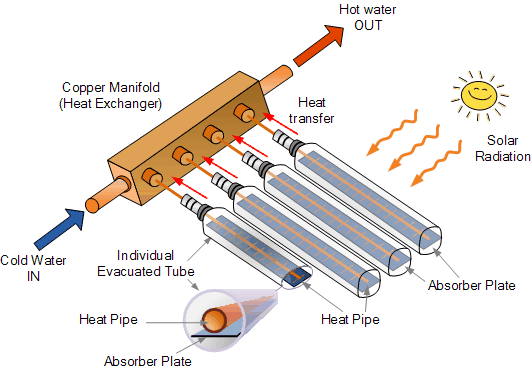
There are two primary categories of solar water heating systems:
A crucial component of solar water heaters is the well-insulated storage tank. These tanks have additional outlets and inlets connected to the solar collector. In two-tank systems, the solar water heater preheats water before it enters a conventional water heater. In one-tank systems, the backup heater and solar storage are combined.
There are three primary types of solar collectors for residential use:
Before investing in a solar water heating system, consider the following:
Understanding the various components, such as heat exchangers and heat-transfer fluids, is also essential.
The correct installation of solar water heaters depends on factors like solar resources, climate, local building codes, and safety considerations. It’s advisable to have a qualified solar thermal systems contractor handle the installation.
Post-installation, regular maintenance ensures the system’s smooth operation. Passive systems require minimal maintenance, while active systems might need more frequent checks.
Once your solar water heater is set up and functioning, you can adopt additional energy-saving strategies to further reduce your water heating bills. Some energy-saving devices and systems are more cost-effective when installed alongside the water heater.
While solar water heaters are efficient and eco-friendly, there are other water heating options to explore:
While solar water heaters are efficient, there are other water heating options to consider:
A solar hot-water heating system can cater to most of your hot water needs. However, during cloudy or rainy days, the solar hot-water system might not supply all the hot water you require. It’s advisable to use a solar hot-water system alongside your existing system or with a solar storage tank equipped with an electric or gas backup. More Info
Both technologies have their merits. Flat plate collectors perform well in sunny conditions and are budget-friendly. Evacuated tube collectors, although approximately 20% more expensive than flat plate ones, excel in cold, cloudy, or challenging conditions. Your choice depends on various factors, and consulting a seasoned dealer can help you decide.
Solar hot-water systems, especially those from reputable manufacturers, are designed to function efficiently even in cold, cloudy, and winter conditions. However, during extended periods of cloud cover, you might need to rely on your backup system temporarily.
Solar air conditioning systems, like the SPP absorption chiller, are not meant to replace but to complement existing systems. They won’t operate at night or during prolonged overcast conditions. The solar HVAC system acts as the primary system, with the legacy system serving as a backup. Learn More
Heating your pool extends the usage of your pool investment throughout the year. It allows for swimming earlier in spring, later in the evenings, and further into fall. Solar pool heaters use the sun’s energy to warm the pool water, similar to how water in a garden hose heats up when left in the sun.
Yes, the Federal government provides a tax credit, covering 30% of the cost of a PV system. Many states also have additional incentives for using PV solar products.
Solar panels have been known to last 40 years or more. They typically come with a 20-25 year performance warranty. They are designed to endure hail, severe wind, and other harsh weather conditions, assuming they are installed correctly.
Solar hot-water systems, especially closed-loop ones, demand minimal maintenance. The controls operate the pump and oversee the system’s daily activities, ensuring smooth operation.
A solar module, or PV solar panel, is made by connecting photovoltaic cells to produce electricity. These cells use semiconductor-based technology to convert solar radiation into direct current (DC) electricity.
Technically, for large residential applications like apartment buildings or vast residences (5,000+ SF), it’s possible. However, these systems are primarily designed for commercial use due to the required infrastructure like cooling towers, fans, and absorption chillers.
For more detailed answers and further queries, you can visit the source or consult with solar energy experts.
External Resources: